

We may earn a commission when you buy through links on this page, at no extra cost to you. Learn more.
South Africa wine covers a wide range of styles, from crisp Chenin Blanc and sparkling Cap Classique to bold reds and the country’s signature Pinotage. Wine has been made there for centuries, and today its vineyards stretch from cool coastal areas to warm inland valleys. Its best-known grapes include Chenin Blanc, Pinotage, and Cabernet Sauvignon, and the regional differences between bottles can be large.
This guide introduces South African wine for American drinkers. It explains the main grapes and regions, the styles you are likely to see on shelves, and how to choose a bottle that fits your taste and your meal.
An Overview of South African Wine
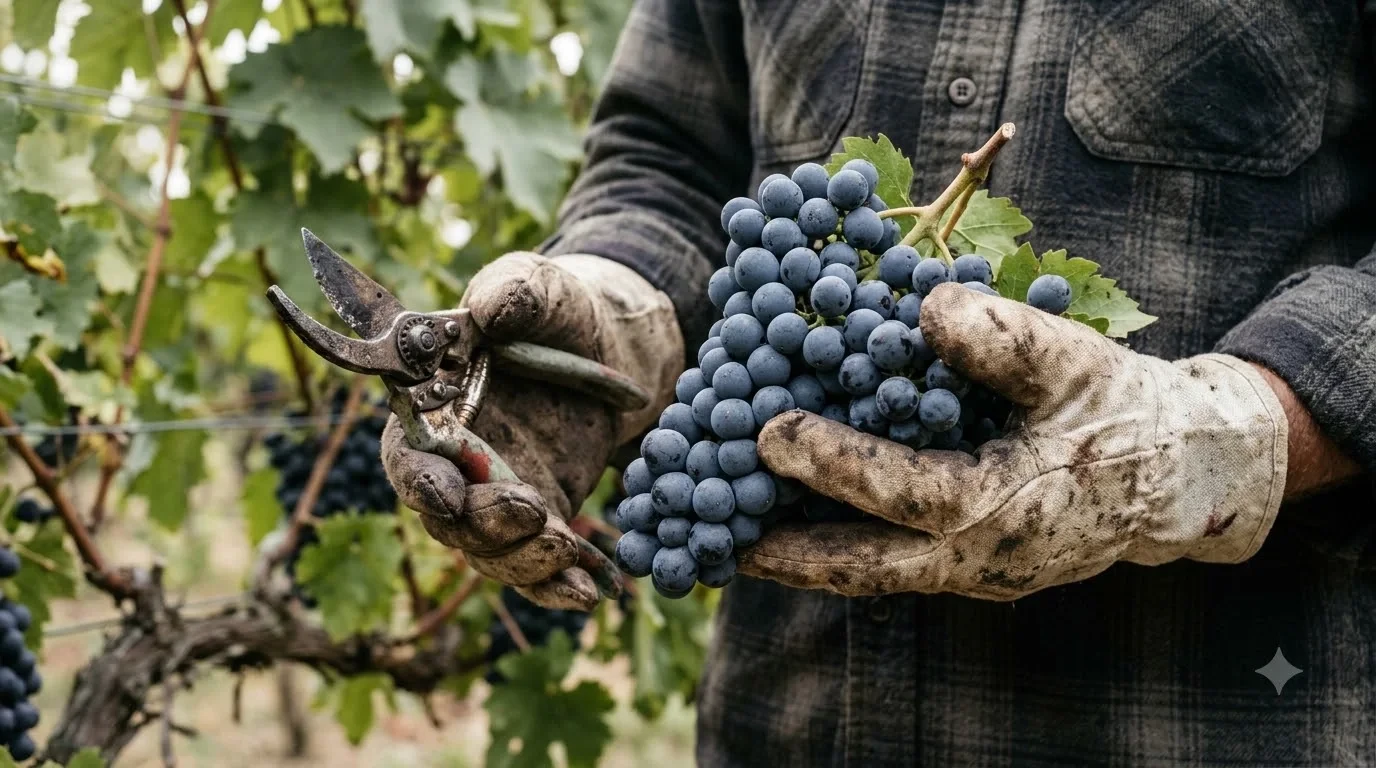
South Africa is one of the older wine-producing countries outside Europe, and its vineyards are shaped by a range of climates. Wine tourism is also a big part of the experience, and the country’s wine routes take visitors through many of the main growing areas, with tastings, farm restaurants, and scenic drives. Those routes are a practical way to see how the regions differ in person.
Coastal breezes cool many sites, while inland valleys can be much warmer and drier. That variety is a big reason the country’s wines can look so different from one bottle to the next.
The industry’s export body, Wines of South Africa (WoSA), promotes the country’s wines in key international markets and runs education programs. Its materials describe winegrowing areas, terroir, grape varieties, and history, which is a useful place to start if you want an official overview.
The Grapes Behind the Bottles
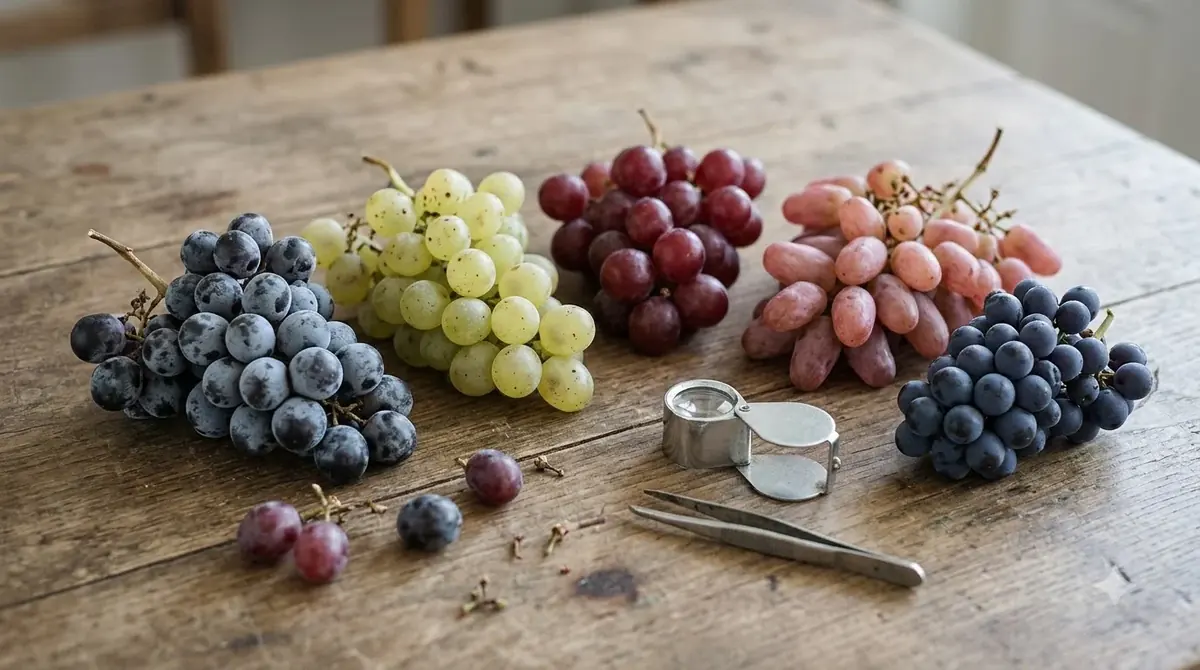
Chenin Blanc is one of the country’s most important white grapes. According to the Wine Folly Chenin Blanc profile, about 55 percent of the world’s Chenin Blanc is planted in South Africa, where it is often called “Steen.” The grape’s flavors include quince, yellow apple, pear, chamomile, and honey, and its acidity is bright enough to keep even rich styles fresh.
Pinotage is the country’s signature red. It was first crossed in 1925 by Abraham Perold, who combined Pinot Noir with Cinsault. Its typical flavors are black cherry, blackberry, fig, and mint, with oak adding vanilla and spice. Cabernet Sauvignon, Syrah, and Chardonnay are also widely planted, and many producers blend them into structured reds and whites.
| Grape | Color | Typical character |
|---|---|---|
| Chenin Blanc | White | Quince, pear, honey, bright acidity; dry to sweet |
| Pinotage | Red | Black cherry, fig, mint, smoky notes; full-bodied |
| Cabernet Sauvignon | Red | Blackcurrant, cedar, firm tannins; often oaked |
| Syrah | Red | Dark fruit, pepper, savory edge |
Regions and Styles to Know
Chenin Blanc is grown across many regions, and the style changes with each one. Wine Folly describes crisp wines from Elgin and Walker Bay, richer wines from Swartland and Paarl, oak-aged wines from Stellenbosch and Franschhoek, and sweet wines from Constantia. Sparkling Cap Classique, made in the traditional method, appears from several regions as well.
Chenin Blanc is also one of the largest plantings in the country by area. The Wine Folly profile cites about 43,755 acres of the grape in South Africa, which is more than any other country. That scale means you will find many styles on shelves, from everyday bottles to small-lot wines made for a more careful palate.
That regional spread is useful when shopping. A crisp Chenin from a cooler coastal site will taste very different from an oaked version made in a warmer inland valley. If a label names the area, you can usually guess whether the wine will lean fresh and citrusy or rich and creamy.
How to Serve South African Wine
Serve white wines, including Chenin Blanc, at about 45 to 55 degrees Fahrenheit (7 to 12 degrees Celsius). Oaked versions can be served a little warmer, similar to a good Chardonnay, so their texture shows. Sparkling wines should be well chilled and poured into a tall flute or a wide glass, depending on the style.
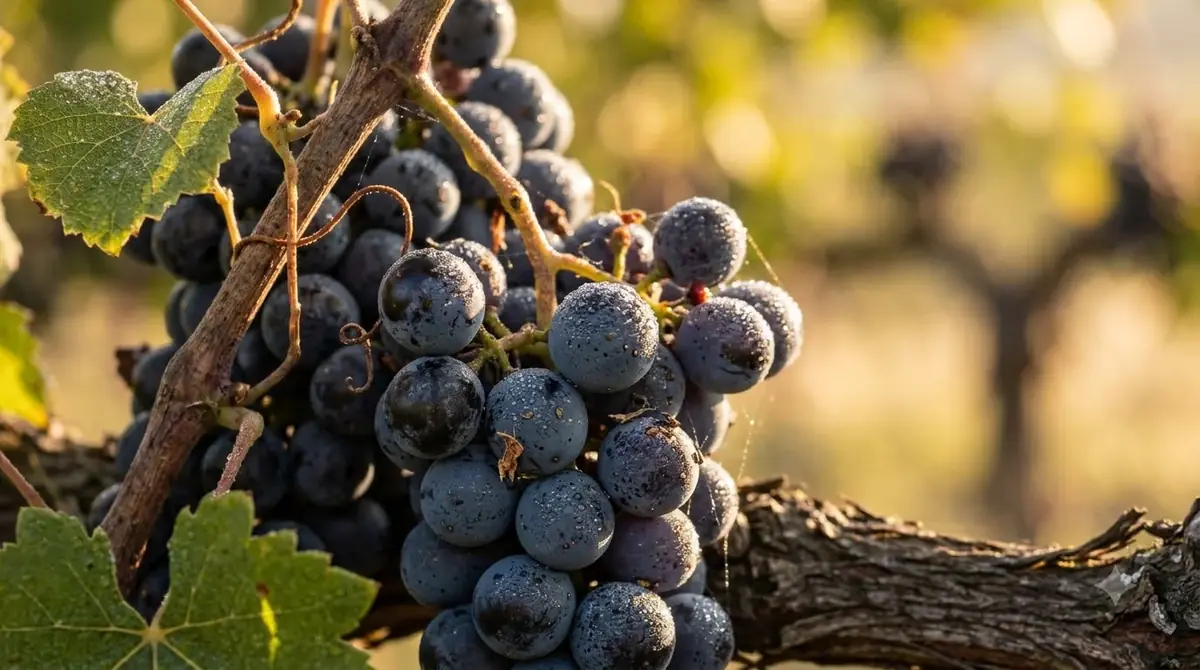
Red wines such as Pinotage and Cabernet Sauvignon are best served around 60 to 68 degrees Fahrenheit (15 to 20 degrees Celsius). Pinotage benefits from decanting for up to an hour, especially in a fuller, oaked style. Younger, fruitier reds can be poured after 20 to 30 minutes of breathing.
Tip: If you are new to the country’s wines, start with a Chenin Blanc for a versatile white and a Pinotage for a red with character. Both are widely available and show the country’s identity clearly.
Food Pairings for South African Wine
Chenin Blanc is a flexible food wine. Wine Folly notes that it pairs well with sweet and sour dishes, including many Southeast Asian recipes, and that a richer, sweeter style goes nicely with pork belly and apples. Oaked versions suit roast chicken or turkey, while sparkling styles are a good match for salted nuts and potato chips.
Pinotage is a natural partner for barbecue, hearty beef stew, and roasted duck. Its smoky edge echoes grilled and smoked meats, and its fruit holds up against rich sauces. Cabernet Sauvignon and Syrah from the same country work with roasted lamb, grilled steak, and aged cheeses.
When you plan a meal, think about the sauce as much as the main ingredient. Tangy tomato dishes, herb-heavy vegetable plates, and spiced foods often suit the lighter, brighter Chenin styles, while grilled and smoked dishes match the richer reds. Balancing the weight of the food with the weight of the wine remains the simplest rule.
Choosing a South African Bottle
Start with the style you like. If you enjoy crisp, dry whites, a Chenin Blanc from a coastal area is a good choice. If you prefer richer whites with texture, look for an oaked Chenin from a warmer region. For reds, a fresh Pinotage suits casual meals, while an oaked or aged bottle is better for a special dinner.
Read the label carefully. The region name, the grape, and the producer’s description usually tell you more than the price or the bottle shape. If you are unsure, ask a wine shop for a bottle that matches a wine you already enjoy. A knowledgeable shop can also tell you which producers are making wines in a style you enjoy this year, which matters because vintages change from one year to the next.
Price can be a helpful clue but not a complete guide. Some of the most interesting bottles come from small producers who focus on one vineyard or one grape. Compare a few tasting notes from reliable writers before you commit to a case, and buy a single bottle first to test your preference.
Frequently Asked Questions
What is South Africa best known for in wine?
South Africa is known for Chenin Blanc, Pinotage, and a range of Cabernet Sauvignon and Syrah blends. The country also produces sparkling Cap Classique, which is made in the traditional method.
What is Chenin Blanc called in South Africa?
In South Africa the grape is often called “Steen.” It is one of the country’s most important white varieties, and the style ranges from crisp and dry to rich and sweet.
Is South African wine good for beginners?
Yes. Chenin Blanc is versatile and easy to pair with food, and a fresh Pinotage can be an approachable red. Trying a few styles from different regions will help you find what you like.
Should I decant South African red wine?
Fuller, oaked reds such as Pinotage often benefit from decanting for up to an hour. Younger, fruitier bottles usually need only 20 to 30 minutes to open up.
South African wine rewards curiosity. Start with a Chenin Blanc and a Pinotage, then compare bottles from different regions to see how climate shapes the glass. For a broader view of how place affects style, read our wine regions guide, or compare the country with Bordeaux wine to see how an established European region differs.
More in Wine Regions
 Willcox Wine Trail: Discover Arizona’s High-Elevation Wine CountryUpdated Nov 20, 2026
 Yakima Valley Wine Region: Find the Best Styles to TryUpdated Nov 20, 2026
 Vosne Romanee Wine Tasting: Identify Aromas and Choose Better PairingsUpdated Nov 20, 2026
 Yakima Valley Wine Festival: Find the Best Seasonal Wine EventsUpdated Nov 20, 2026
 Wales Vineyards: Discover Cool-Climate Wines and Where to VisitUpdated Nov 20, 2026
 Yountville Wine Festival: Discover Napa Wines and Local FoodUpdated Nov 20, 2026