

We may earn a commission when you buy through links on this page, at no extra cost to you. Learn more.
Bordeaux wine is wine made in the Bordeaux region of southwest France, and most of its bottles are blends. Reds are built mainly on merlot, cabernet sauvignon and cabernet franc, while the dry whites rely on sauvignon blanc and sémillon. The region has more than 5,660 producers or châteaux, and its wines range from everyday bottles to some of the most collected wines in the world.
This guide explains how the Bordeaux region is organized, which grapes go into its wines, how the Left Bank and Right Bank styles differ, how the classification system works, and how to serve and pair Bordeaux wine at home.
Where Bordeaux Is and How It Is Organized
The Bordeaux region sits around the Gironde estuary, where the Garonne and Dordogne rivers meet before reaching the Atlantic. The river divides the vineyards into two broad halves. The Left Bank, including the Médoc and Graves, lies to the west of the Gironde. The Right Bank, known as the Libournais, lies to the east and includes Saint-Émilion and Pomerol. Soil, drainage and climate differ between the two banks, and that difference shapes the style of the wines. The Bordeaux wine council’s US site lists the main territories as separate designations, including Médoc, Saint-Émilion, Pomerol, Fronsac and Graves-Sauternes. The Wikipedia entry on Bordeaux wine gives the full map of appellations and subregions.
The river also explains why the region has so many small estates along the water. Gravel and clay soils drain differently across the vineyards, and producers choose grape varieties to suit each patch of ground. If you plan to see the estates in person, the guide to Bordeaux wineries walks through the main châteaux and how to plan a visit.
Main Grapes and Blends
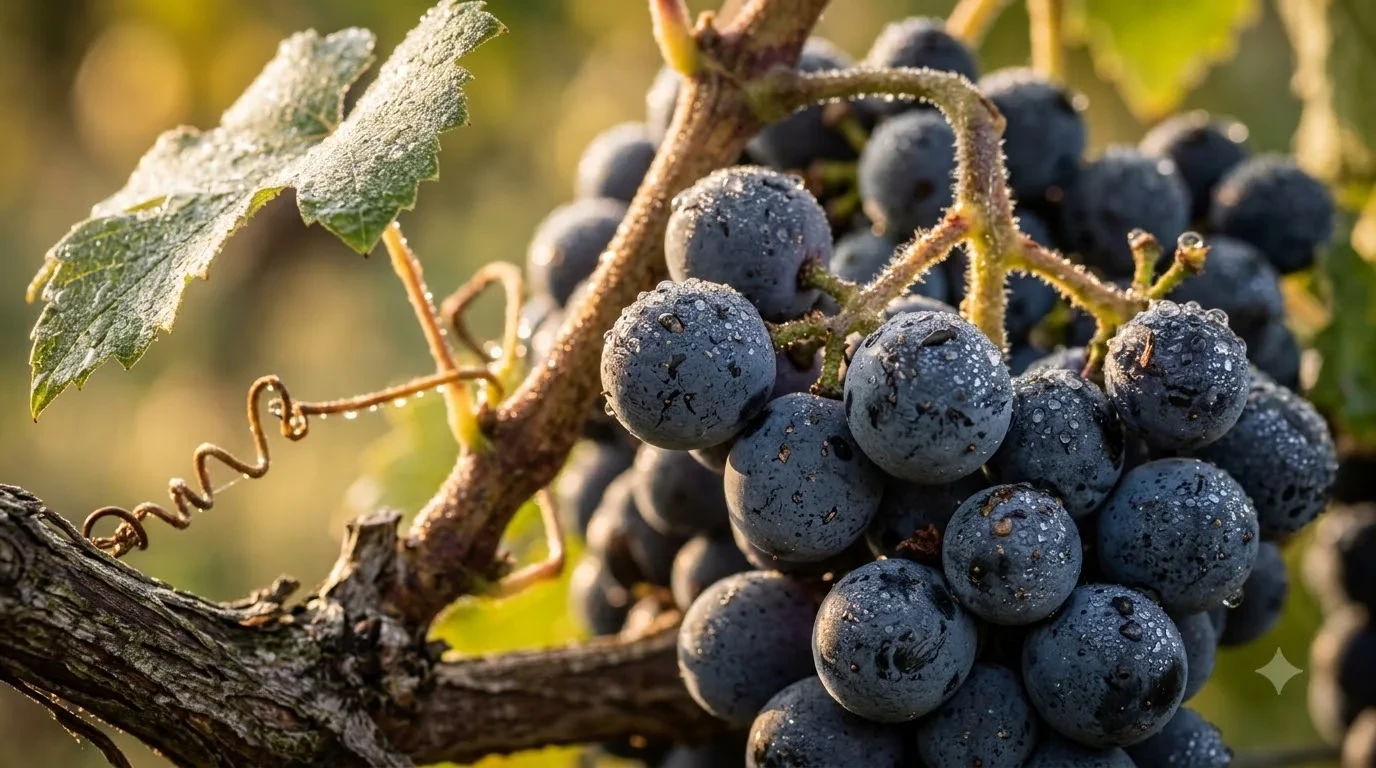
Bordeaux is known for blends, and the permitted red varieties are cabernet sauvignon, cabernet franc, merlot, petit verdot, malbec and carménère. In the vineyard, merlot is the most planted red grape, followed by cabernet sauvignon and cabernet franc. Whites are mostly sémillon, sauvignon blanc and muscadelle, with sémillon as the largest share of planting.
Blending is the point of the system. Each grape contributes a different quality, and the winemaker balances them to suit the vintage. Merlot adds softness and fruit, cabernet sauvignon adds structure and ageing potential, and cabernet franc adds aromatic lift.
Because the permitted list is long, a Bordeaux label rarely names every grape. The château or négociant usually decides the blend for each vintage, and the proportions can shift from one year to the next, so the grape list on the label is a guide rather than a recipe.
| Grape | Color | Role in the blend |
|---|---|---|
| Merlot | Red | Soft, plummy fruit and roundness |
| Cabernet sauvignon | Red | Structure, tannin and long ageing |
| Cabernet franc | Red | Aromatic lift and herbal notes |
| Sémillon | White | Body and richness in dry whites and sweet wines |
| Sauvignon blanc | White | Freshness, citrus and acidity |
Left Bank and Right Bank Styles
The Left Bank is dominated by cabernet sauvignon. Médoc and Graves reds are often firm, concentrated and tannic, and they are usually cellared for years before drinking. A typical top Left Bank blend might be built on about 70 percent cabernet sauvignon, with cabernet franc and merlot making up the rest.
The Right Bank is dominated by merlot. Wines from Saint-Émilion and Pomerol tend to have rich fruit, softer tannin and an earlier drinking window, although the best examples also age well. A top Right Bank blend might be around 70 percent merlot, with cabernet franc and cabernet sauvignon in smaller shares. Both banks produce excellent wine, so the choice is about the style you prefer. Many buyers start with a Right Bank bottle for its approachable fruit and move to the Left Bank once they want more structure. For a contrast with a region built on different grapes and traditions, the guide to Italy wine shows how Italian blends and single-variety wines compare with Bordeaux.
Classifications and Quality Levels
Bordeaux has several classification systems, and they matter most for the top estates. The 1855 Classification covers the red wines of the Médoc and the sweet wines of Sauternes and Barsac. It ranks estates into five categories by price, with the first growths at the top, including Lafite Rothschild, Margaux, Latour, Haut-Brion and Mouton Rothschild. Château d’Yquem, the sweet wine estate in Sauternes, has its own superior first growth status.
Other systems cover St-Émilion (1955) and Graves (1959). Cru Bourgeois was annulled in 2007 and later revived as an unofficial list, while the Cru Artisan category was recognized by the European Union in 1994. Below these tiers, the Bordeaux appellations range from broad regional wines to smaller, more specific areas. Wines labeled Bordeaux or Bordeaux Supérieur are usually fruity and meant for relatively early drinking, while Côtes de Bordeaux reds are often Merlot-dominant with no official classification.
Dry and Sweet Whites
Most Bordeaux whites are dry and built on sauvignon blanc with sémillon for body. Graves is the best-known subregion for dry white Bordeaux, and it is the only one with a dry-white classification. Sweet whites are made in Sauternes and neighboring appellations such as Loupiac, Cadillac and Sainte-Croix-du-Mont from sémillon, sauvignon blanc and muscadelle affected by noble rot. Sauternes is the most famous of these and has a distinctive honey, apricot and marmalade character. The sweet style covers only a small part of the region’s vineyards, but Sauternes is one of the best-known names in the sweet wine world. If you want a Loire comparison for white wine, the guide to Sancerre wineries covers a region known for crisp sauvignon blanc.
How to Serve and Pair Bordeaux Wine
Serve Bordeaux reds slightly below room temperature, around 62 to 68 degrees Fahrenheit, and give young Left Bank blends time to open in the glass or in a decanter. Simple Bordeaux and Bordeaux Supérieur reds are fine within a few years of the vintage, but top Médoc and Saint-Émilion wines often need a decade or more to soften.
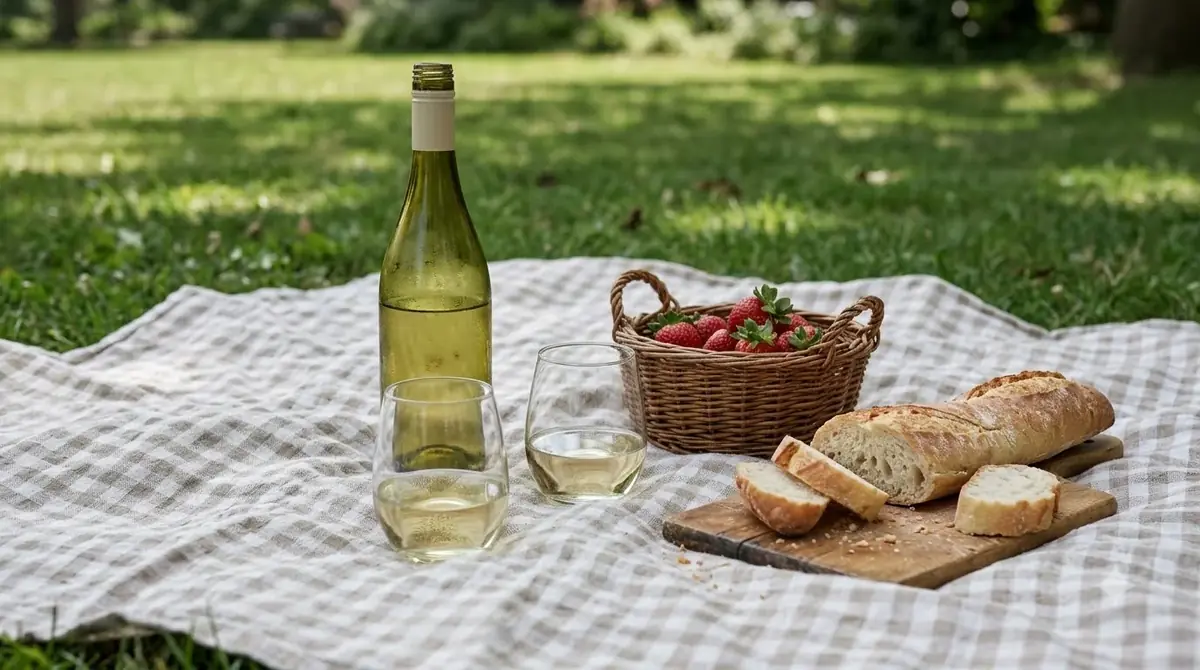
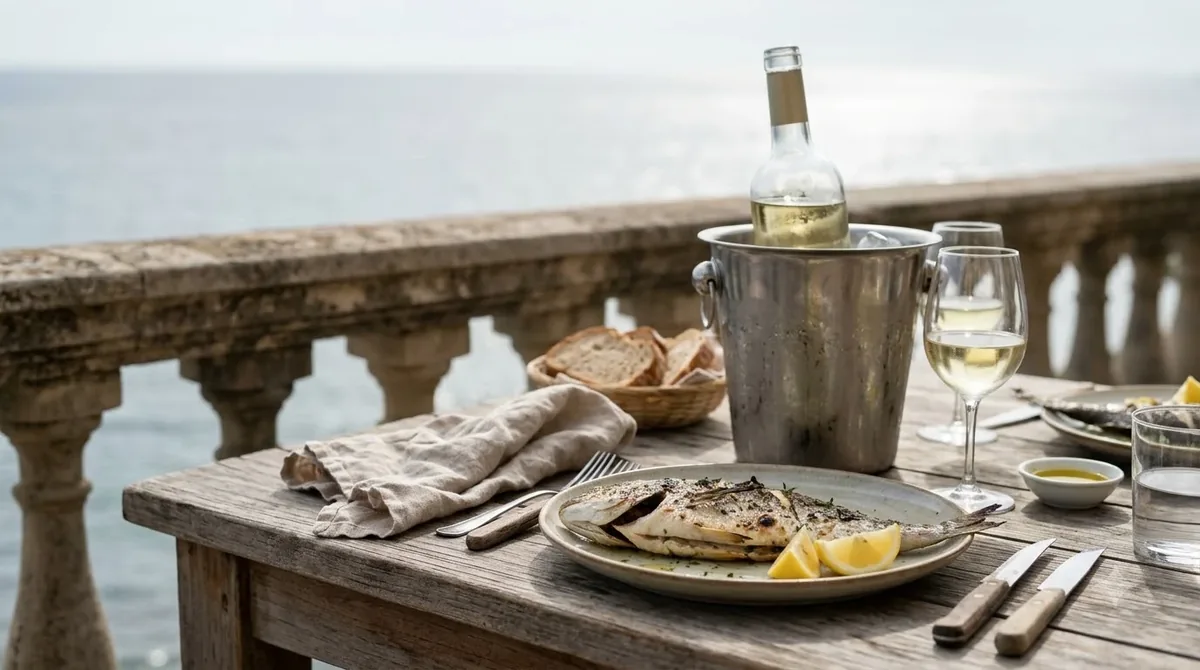
Bordeaux reds pair well with grilled steak, roast lamb, duck and aged cheeses. Merlot-based Right Bank wines suit roast chicken and mushroom dishes. Dry white Bordeaux goes well with oysters, grilled fish and light poultry. Sauternes is classic with blue cheese and fruit-based desserts.
Vintage matters in Bordeaux. Growing seasons differ from one year to the next, and a cool or wet harvest tends to give lighter wines, while a warm, dry year often gives riper, more concentrated bottles. Checking notes from critics you trust for the specific vintage helps you choose a bottle at the right stage of its life.
Tip: Bordeaux labels can be dense. Look for the appellation name, the vintage and the château or producer. Those three details tell you the style and the level of the wine.
Frequently Asked Questions
What does Bordeaux wine taste like?
Most Bordeaux reds show dark fruit such as blackcurrant or plum, with savory notes, firm tannin and some oak. The exact profile depends on the Left or Right Bank and on how much cabernet sauvignon or merlot the blend contains.
Is Bordeaux wine always a blend?
Most are. Bordeaux is known for blends of several grape varieties, though some producers make single-variety wines, and the rules allow different proportions in different appellations.
What is the difference between Bordeaux and Bordeaux Supérieur?
Bordeaux Supérieur wines are subject to stricter controls than basic Bordeaux and are often oak-aged. Basic Bordeaux wines are typically fruitier and meant to be drunk younger.
Should I age Bordeaux wine?
Top Left Bank wines usually benefit from years in the cellar, while many everyday Bordeaux wines are best within a few years. Check the producer’s notes or a tasting guide for the drinking window of a specific vintage.
Bordeaux is one of the great wine regions, and its blends reward patience and curiosity. Start with the Left and Right Bank styles, learn the main classifications and match the wine to food with enough fat or richness to balance its tannin. For more on how regions compare, browse our Wine Regions guides.
More in Wine Regions
 Willcox Wine Trail: Discover Arizona’s High-Elevation Wine CountryUpdated Nov 20, 2026
 Yakima Valley Wine Region: Find the Best Styles to TryUpdated Nov 20, 2026
 Vosne Romanee Wine Tasting: Identify Aromas and Choose Better PairingsUpdated Nov 20, 2026
 Yakima Valley Wine Festival: Find the Best Seasonal Wine EventsUpdated Nov 20, 2026
 Wales Vineyards: Discover Cool-Climate Wines and Where to VisitUpdated Nov 20, 2026
 Yountville Wine Festival: Discover Napa Wines and Local FoodUpdated Nov 20, 2026