

We may earn a commission when you buy through links on this page, at no extra cost to you. Learn more.
Prosecco Superiore is a higher-tier version of Prosecco that comes from the steep hillside areas of Conegliano Valdobbiadene and Asolo in northeastern Italy. The word Superiore on the label signals a stricter DOCG standard, and it usually points to a wine with more concentration and finesse than a basic Prosecco DOC bottle. Both styles use mainly the Glera grape, but the hills give Superiore its character.
This guide explains what Prosecco Superiore is, how it differs from ordinary Prosecco, where the best-known hillside zones sit, and how to serve and pair the wine. It also helps you read the label, so you know what you are buying before you open the bottle.
What Prosecco Superiore means
Prosecco is Italy’s best-known sparkling wine, and it has a wide geographic base. The basic Prosecco DOC covers a large area of nine provinces across Veneto and Friuli-Venezia Giulia, and most of its vineyards sit on lowland plains. Quality in that broad area varies, which is why the Consorzio created stricter tiers for wines from smaller, more carefully controlled zones.
Prosecco Superiore is the name used for wines from two DOCG areas: Conegliano Valdobbiadene, in the hills between the towns of Conegliano and Valdobbiadene, and Asolo, near the town of Asolo. Wines from these hillside areas carry the Superiore designation on the label, and they must meet stricter DOCG standards than the wines from the DOC plains.
The hills behind the wine
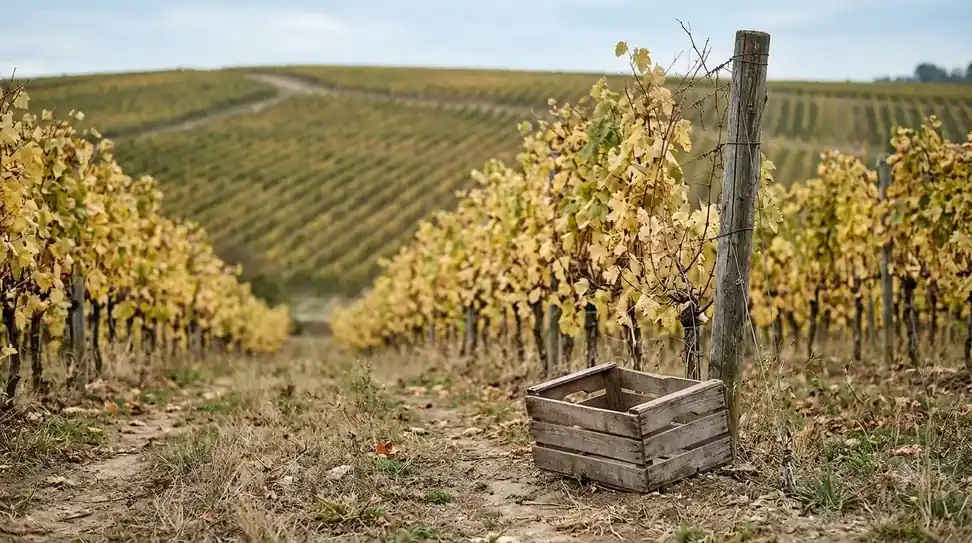
The Conegliano Valdobbiadene area is a series of steep, hilly slopes where vineyards are planted on terraces and narrow ridges. The hillside setting gives the vines better sun exposure and more drainage than the flat plains, which helps the grapes develop concentrated flavor and balanced acidity.
Within Conegliano Valdobbiadene, the producers recognize smaller subzones named after individual hills, called Rive. The Rive DOCG covers 43 hilly locales, and each one can express its own character. Cartizze, the most famous subzone, is a small, steep area of about 264 acres (107 hectares) that is widely regarded as the top site for Prosecco. Wines labeled with a subzone name are meant to show a stronger sense of place, though the exact style depends on the producer and the vintage.
Asolo DOCG is a separate hilly area below the Piave river, with two hilly spots that give its wines a distinct profile. Asolo is smaller than Conegliano Valdobbiadene and less widely known, so it is a good place for readers who want to explore beyond the most famous names.
| Category | Where it comes from | What it usually means |
|---|---|---|
| Prosecco DOC | Large area in nine provinces, mostly flat | Everyday style, quality varies |
| Conegliano Valdobbiadene Superiore DOCG | Steep hills between Conegliano and Valdobbiadene | Higher tier, stricter standards, often more finesse |
| Asolo Superiore DOCG | Hills below the Piave river, near Asolo | Smaller zone, distinct profile |
| Cartizze | A top subzone within Conegliano Valdobbiadene | Small, steep site, highly regarded |
Grapes, method, and style
Prosecco is made mainly from Glera, a variety that was renamed in Italy in 2009 so that the word Prosecco could identify the geographic region instead of a grape. Up to 15 percent of a blend can come from other permitted local varieties, which can add aroma or structure.
Most Prosecco uses the Charmat method, also called the tank method, in which the second fermentation takes place in pressurized steel tanks. That process keeps the fruit fresh and the bubbles lively, and it suits the bright, floral character of the grape. The traditional in-bottle method is also permitted, and some producers use it for more complex wines.
Sparkle levels matter too. Spumante is the fully sparkling style and the most common, while frizzante is semi-sparkling and also widely made. A still version called tranquillo makes up only a small share of production. A traditional bottle labeled Col Fondo is left unfiltered, so a little sediment remains in the bottle. Rosé Prosecco, made with a small amount of Pinot Noir, has been allowed in the DOC since 2020.
Tip: Look for the Superiore term and the zone name on the label. A Superiore bottle from a named hill usually tells you more about the wine than the general word Prosecco alone.
Sweetness levels on the label
Prosecco comes in several sweetness levels, and the label usually names the one you will taste. Brut is the driest option, with up to about 12 grams of residual sugar per liter. Extra Dry sits in the middle, with roughly 12 to 17 grams, and Dry is the sweetest common style, with about 17 to 32 grams. Extra Dry has long been the most common style, though Brut has been growing in popularity as drinkers look for a crisper finish.
If you want a dry bottle for a meal, choose Brut. If you prefer a softer, fruitier glass for an afternoon, Extra Dry or Dry will feel rounder. The zone name alone does not tell you how sweet the wine will taste, so check the sweetness term before you buy.
How to serve Prosecco Superiore
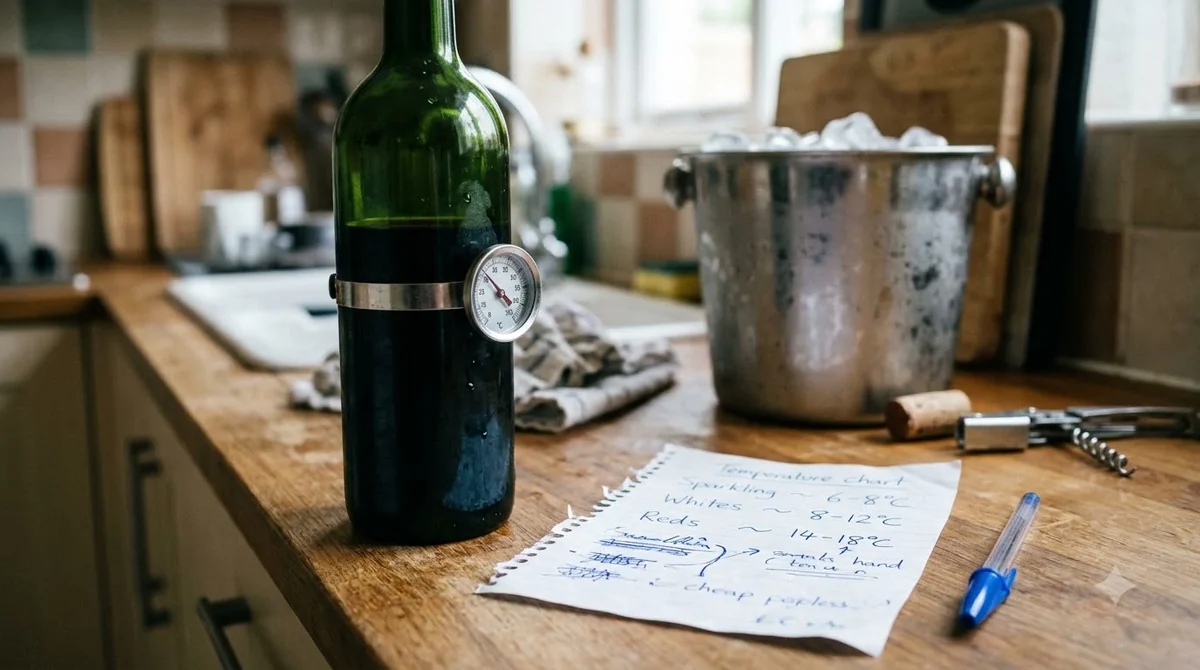
Serve the wine well chilled, in the range of about 38 to 45 degrees Fahrenheit (3 to 7 degrees Celsius). At that temperature the fruit stays fresh and the bubbles feel fine rather than harsh. A white wine glass is a good choice because it keeps the aromas together, while a flute works if you prefer to watch the bubbles rise.
Open the bottle slowly and pour in two stages to limit foam. An opened bottle loses its lift over a day or two, so finish it or store it sealed in the refrigerator for a short time.
Food pairings that suit Prosecco Superiore
The fresh fruit and gentle bubbles of Prosecco Superiore pair well with a wide range of food. Antipasti, prosciutto, and fresh mozzarella are classic matches, and the wine’s acidity cuts through the fat and salt. Fried seafood, zucchini fritters, and light risotto also work well with the drier styles.
For a main course, choose dishes that are light and bright. Grilled fish, chicken with lemon, and vegetable pasta with herbs all suit a Brut or Extra Dry Superiore. Save the sweeter styles for fruit desserts or soft cakes, since a very dry wine can taste thin next to rich sweets.
How Prosecco Superiore compares with other styles
Compared with a basic Prosecco DOC, a Superiore bottle often shows more depth, a clearer sense of place, and a longer finish. The difference comes from the hillside vineyards and the stricter rules on production. A basic Prosecco is still a good everyday wine, especially for mixing into cocktails, but a Superiore is the better choice for a glass on its own.
Prosecco Superiore is also a different experience from sparkling wines made from other grapes. For another producer’s take on Prosecco, see the chloe prosecco guide, or compare the broader category in the wine brands guide. For American comparisons, the pedernales wine guide shows how a producer builds a style around its own land.
Frequently Asked Questions
What is the difference between Prosecco and Prosecco Superiore?
Prosecco Superiore comes from the steeper hillside areas of Conegliano Valdobbiadene and Asolo, under a stricter DOCG standard. Basic Prosecco DOC comes from a larger, mostly flat area with more varied quality.
What grape is used in Prosecco Superiore?
Glera is the main grape. Up to 15 percent of the blend can come from other permitted local varieties.
Is Prosecco Superiore always dry?
Not always. Sweetness ranges from Brut to Dry, so check the label. Brut is the driest style, while Extra Dry and Dry taste softer and fruitier.
How cold should I serve Prosecco Superiore?
Serve it well chilled, at about 38 to 45 degrees Fahrenheit. Pour in a white wine glass or a flute and finish an opened bottle within a day or two.
Prosecco Superiore is a practical way to taste the best of Prosecco’s hillside zones. Read the zone name, the sweetness term, and the Superiore label, and you will know what to expect in the glass. For the wider picture of Prosecco, see the Wine Folly Prosecco guide, and explore the wine brands guide to compare other producers.
More in Wine Brands
 Underwood Wine Price: Compare Bottles, Cans, and Pack SizesUpdated Nov 21, 2026
 Zenato Wine Price: Compare Styles and Choose the Right BottleUpdated Nov 21, 2026
 Zuccardi Wine Price: Compare Bottles and Find the Right RangeUpdated Nov 21, 2026
 Yellow Tail Moscato Review: Taste, Sweetness and Serving TipsUpdated Nov 21, 2026
 Wolf Blass Yellow Label Review: Choose Your Best StyleUpdated Nov 21, 2026
 Wolffer Estate Rose Review: Choose the Right Bottle for Your TableUpdated Nov 21, 2026