

We may earn a commission when you buy through links on this page, at no extra cost to you. Learn more.
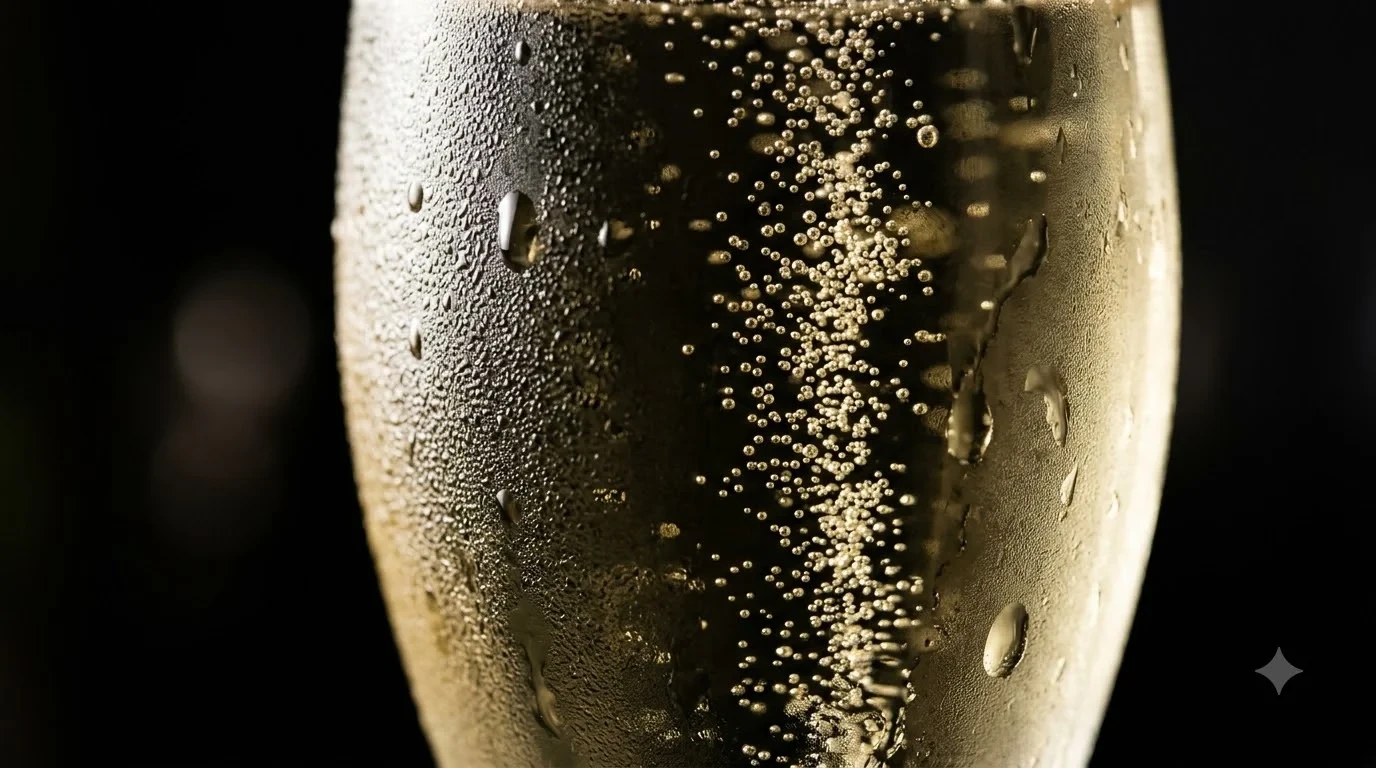
Chloe prosecco is a Prosecco, so it is an Italian sparkling wine made mainly from the Glera grape, and its sweetness and alcohol level depend on the style printed on the label. Look for Brut, Extra Dry or Dry on the bottle, because those words set how sweet the wine tastes. Most Prosecco sits around 11.5% to 13.5% ABV, which makes it lighter than most still wines.
Prosecco is one of the most common sparkling wines on store shelves, and many shoppers choose a bottle by brand name alone. This guide explains what the name Prosecco actually means, how the sweetness levels work, where the wine comes from and how to serve it, so you can read any Chloe Prosecco label with confidence.
What Prosecco is and where it comes from
Prosecco began as the name of a grape, but Italy renamed the grape Glera in 2009 to protect the Prosecco name. Since 1 January 2010, Prosecco has been a geographical indication rather than a grape variety. That means a wine can only be sold as Prosecco if it comes from the designated area in northeastern Italy. Up to 15 percent of the blend may be other permitted local varieties.
The main designation is Prosecco DOC, which covers a large area spanning nine provinces in Veneto and Friuli-Venezia Giulia. Most of its bulk grows on low-lying plains. Above it sits the Conegliano Valdobbiadene Prosecco DOCG, a hilly zone with stricter rules that was promoted from DOC status with the 2009 vintage. The Asolo Prosecco DOCG is a smaller area, and Superiore di Cartizze is a famous 107-hectare vineyard hill inside the Valdobbiadene zone.
Most Prosecco is made with the Charmat-Martinotti method, in which the second fermentation that creates the bubbles takes place in large stainless steel tanks rather than in individual bottles. The process keeps the fresh, floral character of the Glera grape front and center. The minimum production time is 30 days, and higher-quality versions can ferment for up to around nine months. Traditional in-bottle methods are also permitted, and a few producers make a cloudy, lightly sparkling style called col fondo.
How sweetness levels work on the label
Prosecco is sold in several sweetness levels, and the wording on the bottle tells you how the wine will taste. The terms come from the residual sugar that remains after fermentation. Brut is the driest common style, with up to 12 grams of sugar per liter. Extra Dry sits between 12 and 17 grams per liter, and Dry runs from 17 to 32 grams per liter. Asolo Prosecco DOCG is the only area allowed to use Extra Brut, which goes down to 0 to 6 grams per liter.

In practice, most shoppers reach for Brut or Extra Dry. The label phrase “Extra Dry” can be confusing, because it describes a wine that is noticeably sweeter than Brut, not one that is completely dry. If you prefer a crisp glass with a bit of fruit, Brut is the safer choice. If you want a softer, rounder sip, Extra Dry suits most tastes.
| Sweetness term | Residual sugar | How it tastes |
|---|---|---|
| Extra Brut | 0 to 6 g/L | Very dry and sharp, rare outside Asolo |
| Brut | Up to 12 g/L | Dry, crisp and clean |
| Extra Dry | 12 to 17 g/L | Soft, fruity and easy to drink |
| Dry | 17 to 32 g/L | Noticeably sweet, often with ripe fruit |
The table uses the standard ranges for Prosecco terms. Most bottles follow them closely, but the printed sweetness word on the label is the one that counts for the bottle you buy.
Alcohol level and how it compares
Prosecco is generally lighter in alcohol than many wines. Wine Folly’s guide gives a typical range of 11.5% to 13.5% ABV, which places most bottles well below a typical red. That lighter alcohol, combined with the bubbles, is one reason Prosecco works as an aperitif or a relaxed afternoon drink.
The exact percentage can still vary from bottle to bottle, so check the alcohol statement on the label when it is printed. A bottle at the higher end of the range will feel slightly fuller, while one at the lower end often tastes lighter and fresher. Neither is better; the difference is one of style and mood.
How to serve and store Prosecco
Serve Prosecco well chilled, at about 38 to 45 degrees Fahrenheit or 3 to 7 degrees Celsius, in a white wine glass. A tall flute keeps the bubbles lively, though many people now prefer a standard white wine glass because it shows the aroma more clearly. Prosecco does not need decanting, and most bottles are meant to be drunk young.
Keep an unopened bottle in a cool, dark place and chill it before serving. Once opened, use a sparkling wine stopper and keep the bottle in the refrigerator, and plan to finish it within a day or two for the best fizz. Wine Folly notes that Prosecco can be cellared for one to three years, although most bottles are made to be enjoyed young.
Tip: Chill the bottle for at least two to three hours before serving. A bottle that is too warm loses its bubbles quickly and tastes sweeter than it should.
Pairing Prosecco with food
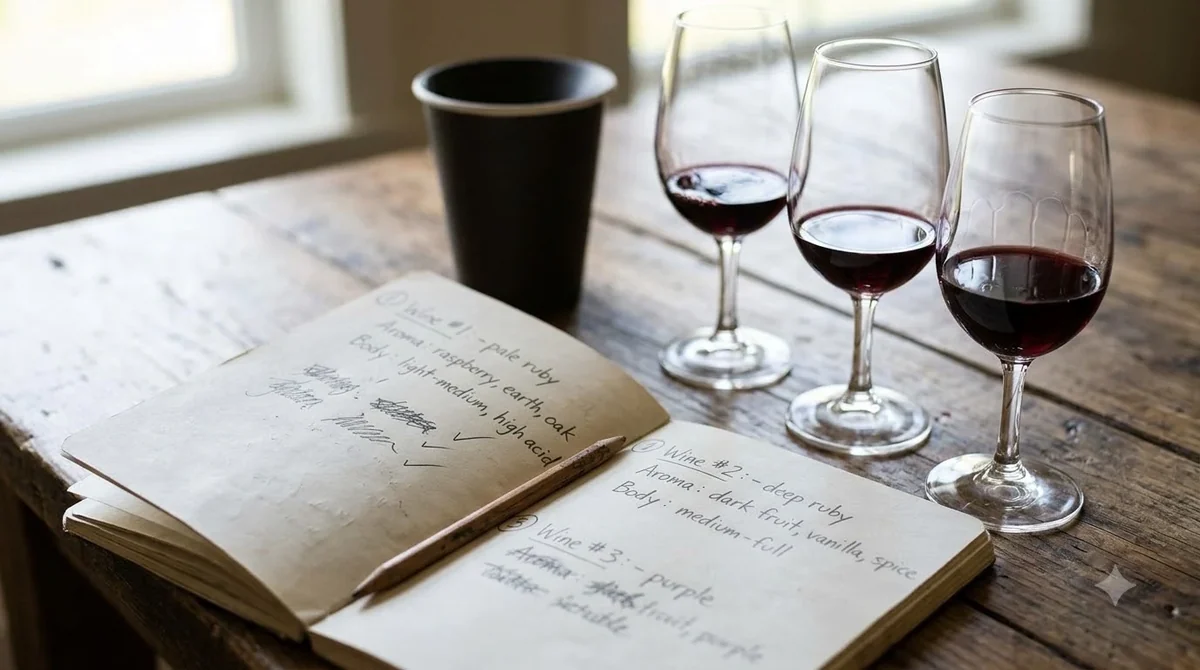
Prosecco is one of the most flexible wines at the table. Brut works well with salty snacks, fried foods, oysters and sushi, because its acidity cuts through oil and salt. Extra Dry suits fruit desserts, soft cheeses and spicy Asian dishes where a touch of sweetness helps. Dry styles can match a fruit tart or a simple cake without overwhelming the dessert.
For a casual spread, a Prosecco and cheese board is hard to beat. Choose fresh cheeses, prosciutto and a few ripe pears or berries. The bubbles reset the palate between bites, which is why sparkling wine is so popular at parties. A bottle of Extra Dry also makes an easy partner for a fruit salad or a bowl of berries, because the wine’s softness matches the sweetness of the fruit without clashing.
Frequently Asked Questions
What does Prosecco mean on a bottle?
Prosecco is a protected name for a sparkling wine made in a designated area of northeastern Italy, mainly from the Glera grape. A bottle sold as Prosecco must come from that area and meet its rules.
Is Extra Dry Prosecco sweeter than Brut?
Yes. Extra Dry has between 12 and 17 grams of residual sugar per liter, while Brut has up to 12 grams. Despite the name, Extra Dry tastes softer and fruitier than Brut.
How much alcohol is in Prosecco?
Most Prosecco falls between about 11.5% and 13.5% ABV. Check the label of the specific bottle for its exact figure.
What is the Charmat method?
It is the tank-based way of making sparkling wine, where the bubbles form in a sealed stainless steel tank. It is the most common method for Prosecco and helps the bottle keep a bright, fruity character at a moderate price.
Can you drink Prosecco on its own?
Yes. Prosecco is light, refreshing and easy to drink without food, which is why it is a popular choice for toasts, brunch and early evening gatherings.
For more background on sparkling wine brands and styles, visit our Wine Brands guide. If you want to compare a similar bottle, the Zonin Prosecco and Kirkland Signature Prosecco pages show how two different labels present the same Italian style. For the official rules and history of the Prosecco name, the Wine Folly Prosecco guide gives a clear overview, and the Wikipedia article on Prosecco covers the designation history in more depth.
More in Wine Brands
 Underwood Wine Price: Compare Bottles, Cans, and Pack SizesUpdated Nov 21, 2026
 Zenato Wine Price: Compare Styles and Choose the Right BottleUpdated Nov 21, 2026
 Zuccardi Wine Price: Compare Bottles and Find the Right RangeUpdated Nov 21, 2026
 Yellow Tail Moscato Review: Taste, Sweetness and Serving TipsUpdated Nov 21, 2026
 Wolf Blass Yellow Label Review: Choose Your Best StyleUpdated Nov 21, 2026
 Wolffer Estate Rose Review: Choose the Right Bottle for Your TableUpdated Nov 21, 2026