


We may earn a commission when you buy through links on this page, at no extra cost to you. Learn more.
Is Sterling wine good? Yes, Sterling Vineyards makes good, approachable California wines, particularly its Cabernet Sauvignon, Sauvignon Blanc, and Chardonnay, with options ranging from everyday drinking bottles to more ambitious Napa Valley reserve wines. Its strongest appeal is the combination of recognizable California fruit, accessible drinking styles, and a portfolio that covers several popular grape varieties. However, quality varies between collections, so choosing the right bottle matters more than buying the brand name alone.
Sterling Vineyards has been part of Napa Valley’s wine history since 1964. Its wines appeal to people who enjoy fruit-forward flavors, familiar grape varieties, and reds and whites that work well with ordinary meals as well as special occasions. The important distinction is between its broader California offerings and its more specific Napa Valley and single-vineyard selections. This guide examines the winery’s strengths, the wines worth considering, and how to decide whether Sterling matches your preferences.
Who Should Buy Sterling Wine?
Sterling is a sensible choice for drinkers who want familiar California wine styles without necessarily seeking rare, highly collectible bottles. Its range includes approachable Cabernet Sauvignon and Sauvignon Blanc alongside more structured Napa Valley selections, making it suitable for both casual drinkers and people exploring regional wines.
The brand has an interesting history behind that accessible approach. Sterling Vineyards was founded in 1964 by Michael Stone and Peter Newton, two British-born friends and colleagues who wanted to create high-quality, affordable wines in Napa Valley. The winery was among just 27 bonded wineries in the region at the time. In 1969, it bottled its first vintage-dated Napa Valley Merlot and produced its first vintages of Cabernet Sauvignon and Sauvignon Blanc.
That history helps explain why Sterling offers several familiar varieties rather than concentrating on a single flagship grape. Cabernet Sauvignon is a natural starting point for people who enjoy dark fruit, oak-influenced flavors, and noticeable tannins. Sauvignon Blanc is more appropriate for drinkers who prefer freshness, citrus, and a lively finish. Chardonnay provides a middle ground for those who like a fuller white wine with a softer acidity profile.
Sterling is particularly worth considering for these types of buyers:
- New California wine drinkers: Its recognizable varietals provide an approachable introduction to Napa Valley and California wine styles.
- Cabernet Sauvignon fans: The portfolio includes several Cabernet bottlings, including Napa Valley, reserve, and vineyard-specific wines.
- White wine drinkers: Sauvignon Blanc and Chardonnay offer different combinations of freshness, fruit, and body.
- People hosting dinner: The variety of reds and whites makes it easier to find a bottle for different menus.
- Wine enthusiasts exploring Napa: The reserve and single-vineyard collections offer a more detailed look at individual growing areas.
There are also reasons to look elsewhere. Someone seeking inexpensive European table wine, extremely delicate Burgundy-style Pinot Noir, or a highly distinctive natural wine may find Sterling less appealing. Its identity is rooted in recognizable California varietals and a relatively polished style rather than experimental winemaking.
For readers interested in the producer’s complete range, our Sterling wine overview provides another starting point for comparing its different bottles and collections.
Key Factors to Compare Before Buying Sterling
The best way to judge Sterling is to compare the grape variety, regional designation, collection, and independent tasting evidence. These factors matter because a broadly distributed California Cabernet and a vineyard-specific Napa Cabernet can offer substantially different experiences.
Independent reviews provide useful evidence that the entry-level range can deliver enjoyable wine. Wine Enthusiast rated the 2023 Sterling Vintner’s Collection Cabernet Sauvignon 90 points, describing dark berries, cassis, Bing cherry, raspberry, dark chocolate, and spiced tannins. The publication also recorded a 13.5% alcohol level and a 750 ml bottle size. Its tasting assessment is a positive indication that the wine offers more than simply recognizable branding.
Other reviews demonstrate that the style varies by grape and vintage. Wine Enthusiast rated the 2021 Vintner’s Collection Cabernet Sauvignon 87 points, noting approachable tannins and balanced acidity. Its 2021 Sauvignon Blanc received 88 points, with lemon, lime, green apple, and cherry blossom flavors. These results suggest a consistent ability to produce enjoyable, accessible wines, although they do not mean every Sterling bottle will deliver the same experience.
| Wine or vineyard | Specific evidence | What it suggests |
|---|---|---|
| 2023 Vintner’s Collection Cabernet Sauvignon | 90 points; 13.5% ABV | Promising, fruit-driven red with structured tannins |
| 2021 Vintner’s Collection Cabernet Sauvignon | 87 points; 13.5% ABV | Approachable red with balanced acidity |
| 2021 Vintner’s Collection Sauvignon Blanc | 88 points; 750 ml | Fresh citrus and orchard-fruit character |
| 2020 Vintner’s Collection Sauvignon Blanc | 89 points; 750 ml | Richer texture with melon, mineral, and fig notes |
| Diamond Mountain Ranch | 120 acres; 1,700–2,000 feet elevation | Mountain-grown fruit associated with concentrated, tannic reds |
| Bear Flats Estate Vineyard | 87 acres | Calistoga Cabernet Sauvignon and Merlot fruit |
These figures come from Wine Enthusiast’s individual wine reviews and Sterling’s vineyard information. Scores apply to specific vintages and bottlings, not the entire brand. A 90-point Cabernet should not automatically be treated as representative of every Sterling red or white.
There are four particularly useful comparisons to make before purchasing:
1. Grape variety
Cabernet Sauvignon generally has more tannin and structure than Merlot or Pinot Noir. If you like firm reds with blackberry and cassis flavors, Cabernet is a logical choice. If you prefer a softer red, consider a Merlot-based wine or Pinot Noir instead.
For whites, Sauvignon Blanc generally provides more acidity and citrus character than Chardonnay. Sterling’s Sauvignon Blanc is worth considering if you enjoy crisp, refreshing wines, while Chardonnay is a better option if you prefer a broader mouthfeel and gentler acidity.
2. Regional designation
A California designation generally offers a broader regional identity than a specific Napa Valley or sub-appellation bottling. Sterling’s vineyard portfolio includes properties in Calistoga and Diamond Mountain, giving its more specific wines a connection to individual growing conditions.
3. Collection and production focus
The Vintner’s Collection is a useful place to begin for approachable varietal wines. Reserve and single-vineyard selections are more appropriate for buyers who want to explore particular Napa Valley locations and more concentrated red wine styles.
4. Independent reviews
Look for reviews that identify the exact vintage and grape variety. A 90-point rating for a 2023 Cabernet Sauvignon tells you something about that particular bottle, but it cannot guarantee the quality of a different vintage or a Chardonnay from the same producer.
For another independent perspective, Wine Enthusiast’s Sterling Cabernet Sauvignon review provides specific tasting notes and a useful example of how professional reviewers assess an individual Sterling wine.
Step-by-Step: How to Choose the Right Sterling Bottle
Choosing a Sterling wine becomes easier when you start with the meal or drinking occasion rather than the collection name. A few simple decisions about grape variety, regional designation, and serving style can help narrow the options considerably.
-
Decide whether you want red or white.
Start with Cabernet Sauvignon for a structured red, Sauvignon Blanc for a crisp white, or Chardonnay for a fuller white. This first decision eliminates much of the portfolio and makes comparisons easier.
-
Choose your preferred flavor profile.
For dark berries, cassis, and noticeable tannins, consider Cabernet Sauvignon. For citrus, green apple, and refreshing acidity, consider Sauvignon Blanc. For a rounder white wine, choose Chardonnay. People who prefer softer red fruit may also explore Pinot Noir.
-
Decide how much structure you want.
If you prefer straightforward drinking wines, begin with the Vintner’s Collection. If you enjoy more concentrated flavors and stronger tannins, explore Napa Valley reserve or vineyard-specific Cabernet Sauvignon selections.
-
Compare the exact bottlings.
Look at the grape, region, vintage, and collection together. A Napa Valley Cabernet Sauvignon is not necessarily interchangeable with a broader California Cabernet, even if both carry the Sterling name.
-
Read a vintage-specific review.
Professional reviews can help identify whether a particular wine leans toward ripe fruit, oak, acidity, or tannin. The 2023 Vintner’s Collection Cabernet Sauvignon and the 2021 version illustrate why checking individual vintages is useful.
-
Match the wine to your occasion.
Choose Sauvignon Blanc for seafood or lighter lunches, Chardonnay for roast chicken and creamy dishes, and Cabernet Sauvignon for beef or lamb. Consider whether the wine will be served immediately or allowed time to breathe.
-
Serve it at the appropriate temperature.
Serve Sauvignon Blanc around 45–50°F, Chardonnay around 50–55°F, and Cabernet Sauvignon around 60–65°F. Proper serving temperature helps preserve freshness in whites and makes the structure of red wines easier to appreciate.
Tip: If you are buying Sterling for the first time, compare one Cabernet Sauvignon and one Sauvignon Blanc rather than purchasing several similar bottles. This gives you a clearer understanding of the producer’s red and white wine styles before exploring its reserve selections.
For people who already know they prefer red wines, the Sterling red wine selection is a useful next step. Those who prefer fresh, lighter styles can narrow their search through the Sterling white wine range.
Types of Sterling Wine Explained
Sterling’s portfolio includes several grape varieties and collections, but Cabernet Sauvignon is one of the most useful starting points for understanding the winery’s Napa Valley identity. Its vineyard holdings also provide the foundation for different expressions of Cabernet, Sauvignon Blanc, and other varieties.

Cabernet Sauvignon
Cabernet Sauvignon is the natural recommendation for people who enjoy full-bodied California reds. Its typical flavor profile includes blackcurrant, blackberry, dark cherry, and sometimes cedar, spice, or toasted oak. The grape has naturally high tannin, giving the wine a firmer structure than many lighter red varieties.
Sterling’s 2023 Vintner’s Collection Cabernet Sauvignon received 90 points from Wine Enthusiast. The review identified earthy notes, dark berries, cassis, dark chocolate, chicory, Bing cherry, and raspberry. The wine’s juicy yet grippy tannins make it particularly interesting for people who like a red with structure but still want recognizable fruit character.
For a more regionally focused experience, Sterling also offers Napa Valley Cabernet Sauvignon and reserve selections. The Diamond Mountain and Calistoga vineyard holdings are especially relevant to people interested in how growing location influences the character of a Cabernet.
Sauvignon Blanc
Sauvignon Blanc is the better starting point for drinkers who prefer acidity and freshness. Common characteristics include lemon, lime, green apple, and sometimes grassy or herbal notes. Sterling’s 2021 Vintner’s Collection Sauvignon Blanc received 88 points from Wine Enthusiast, which identified citrus, green apple, and cherry blossom flavors.
The winery’s vineyard holdings also include dedicated Sauvignon Blanc sites. Calistoga Ranch has 45 planted acres devoted exclusively to Sauvignon Blanc, while Larsen Ranch includes Sauvignon Blanc and Cabernet Sauvignon among its plantings. These properties demonstrate that the variety has an established place in Sterling’s vineyard program.
Chardonnay
Chardonnay is a good alternative if Sauvignon Blanc tastes too sharp or lean for your preferences. It generally has medium acidity and can show apple, pear, citrus, and stone-fruit flavors. Depending on the winemaking approach, Chardonnay may also develop creamy textures and oak-associated flavors.
Sterling’s portfolio includes Napa Valley Chardonnay, making it an option for people who prefer California white wines with more body. It is a useful choice for roast chicken, grilled vegetables, pasta with cream sauce, and seafood prepared with butter.
Pinot Noir and Other Red Wines
Pinot Noir is a lighter alternative to Cabernet Sauvignon. It typically has low-to-medium tannin and higher acidity, with flavors that can include cherry, raspberry, strawberry, and earthy notes. Sterling’s portfolio includes Carneros Pinot Noir, providing another red wine option for people who prefer a more delicate style.
The winery also offers Cabernet Franc, Malbec, and Petite Sirah selections. Cabernet Franc can provide herbal character and red-fruit flavors, while Malbec often delivers dark fruit and a plush texture. Petite Sirah is generally a fuller-bodied, deeply colored red with substantial tannin, making it better suited to people who enjoy powerful wines.
Reserve and Single-Vineyard Wines
Sterling’s Reserve collection includes Cabernet Sauvignon, Cabernet Franc, and Malbec. Its vineyard-specific offerings include wines associated with places such as Calistoga, Diamond Mountain District, and individual vineyard properties.
The difference is important for wine enthusiasts. A regional wine offers a broad expression of a grape variety and growing area, while a single-vineyard wine places more emphasis on the characteristics of a particular site. These bottles are worth exploring if you enjoy comparing different expressions of Cabernet Sauvignon rather than simply choosing a familiar varietal.
Diamond Mountain Ranch, for example, has 120 acres planted between 1,700 and 2,000 feet. Its steep slopes and volcanic soils produce concentrated fruit that Sterling associates with deeply colored wines and rich tannins. By comparison, Bear Flats Estate Vineyard has 87 acres in Calistoga, where Cabernet Sauvignon and Merlot benefit from gravelly loam soils and warm daytime conditions.
Common Mistakes When Buying Sterling Wine
Most disappointing purchases happen because buyers assume every bottle from one producer has the same style and quality. Sterling offers enough variety that the grape, region, and collection should all influence the buying decision.
Assuming every Sterling wine tastes alike
A Cabernet Sauvignon and a Sauvignon Blanc have very different structures. Cabernet has more tannin and a fuller body, while Sauvignon Blanc generally has higher acidity and a lighter texture. Even two Cabernet wines can differ significantly depending on their vineyard origin and vintage.
The contrast between Sterling’s Diamond Mountain Ranch and its Calistoga vineyards is a good example. The former sits at 1,700–2,000 feet and produces concentrated, structured fruit, while lower-elevation sites experience different temperature patterns and soil conditions.
Confusing Napa Valley with California bottlings
Regional labeling matters. A wine carrying a specific Napa Valley designation has a different geographical identity from a broader California bottling. The latter can draw on a wider regional sourcing area, so the two labels should not be treated as equivalent descriptions of origin.
This distinction becomes particularly important when comparing the Vintner’s Collection with more specific reserve and vineyard selections. A familiar producer name does not automatically mean the wines share the same sourcing, concentration, or intended drinking experience.
Expecting every bottle to be a premium wine
Sterling makes wines for different occasions. Its broader range includes accessible varietal wines, while its reserve and single-vineyard selections provide more specialized options. Expecting an everyday Cabernet to deliver the complexity of a concentrated mountain-vineyard bottling can lead to unrealistic expectations.
The opposite mistake is equally common. Assuming that every wine from a well-known Napa Valley producer must be complex and ageworthy overlooks the appeal of straightforward wines designed for relatively immediate enjoyment.
Ignoring food compatibility
Cabernet Sauvignon’s tannins work well with protein-rich foods such as grilled steak and lamb. Salt and fat can soften the perception of tannin, making these pairings particularly successful.
However, highly tannic red wine is not a natural match for delicate oily fish. Sauvignon Blanc is usually a better choice for seafood, especially dishes with lemon, herbs, or acidic sauces. Matching the wine’s acidity to the food is also important: a crisp Sauvignon Blanc generally handles acidic dressings better than a softer Chardonnay.
Using professional scores as the only buying criterion
Ratings provide useful context, but personal preference remains important. Someone who enjoys a softer, lighter red may prefer a Pinot Noir rated below a Cabernet Sauvignon, simply because the style better matches their palate.
It is also important to distinguish between a review of one vintage and a judgment about an entire collection. Sterling’s 2021 Cabernet Sauvignon received 87 points, while its 2023 Cabernet Sauvignon received 90 points from Wine Enthusiast. Both are useful data points, but neither score should be applied automatically to other vintages.
Sterling Wine Serving and Storage Tips
Serving temperature, glassware, and storage conditions can make a noticeable difference to the experience. Sterling’s Cabernet Sauvignon, Sauvignon Blanc, and Chardonnay benefit from different temperatures, and a few simple habits help preserve the wine after opening.
Recommended serving temperatures
- Cabernet Sauvignon: Serve at 60–65°F. This allows its fruit, tannins, and oak character to show without making the alcohol seem overly prominent.
- Pinot Noir: Serve at 55–60°F for a lighter, fresher expression of its red-fruit character.
- Sauvignon Blanc: Serve at 45–50°F to emphasize citrus flavors and refreshing acidity.
- Chardonnay: Serve at 50–55°F to retain freshness while allowing its fuller texture to show.
- Petite Sirah: Serve around 60–65°F if you prefer a full-bodied red with noticeable tannins.
A common mistake is serving red wine too warm. Room temperature in a modern home can easily exceed the ideal temperature for Cabernet Sauvignon. A short period in the refrigerator before serving can help bring the wine into a more suitable range.
Decanting Sterling Cabernet Sauvignon
Young, full-bodied Cabernet Sauvignon can benefit from 30–60 minutes of decanting. Exposure to air can help soften the initial impression of firm tannins and make the wine’s fruit and spice characteristics more expressive.
Decanting is not essential for every bottle. A lighter Pinot Noir or fresh Sauvignon Blanc generally does not require the same treatment. For a young Sterling Cabernet, start with a 30-minute rest and see whether the wine’s aromas and texture become more expressive.
Storing unopened bottles
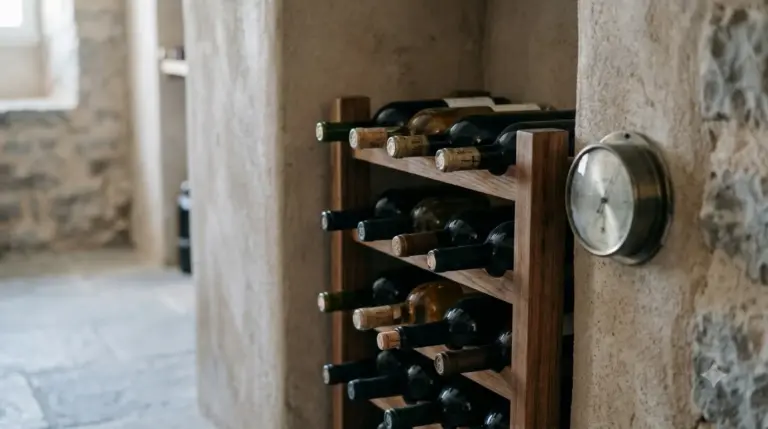
Store wine in a cool, dark location with a relatively stable temperature near 55°F. Bottles sealed with natural cork should generally be stored on their sides so the cork remains in contact with the wine. Avoid direct sunlight, strong temperature fluctuations, and locations near heat-producing appliances.
Long-term storage is particularly relevant for reserve Cabernet Sauvignon, but not every Sterling wine needs years of aging. Most approachable Sauvignon Blanc and Chardonnay bottlings are intended to be enjoyed while their freshness is prominent. A straightforward Vintner’s Collection wine is usually better approached as an everyday drinking option than as a long-term cellar investment.
Keeping opened bottles fresh
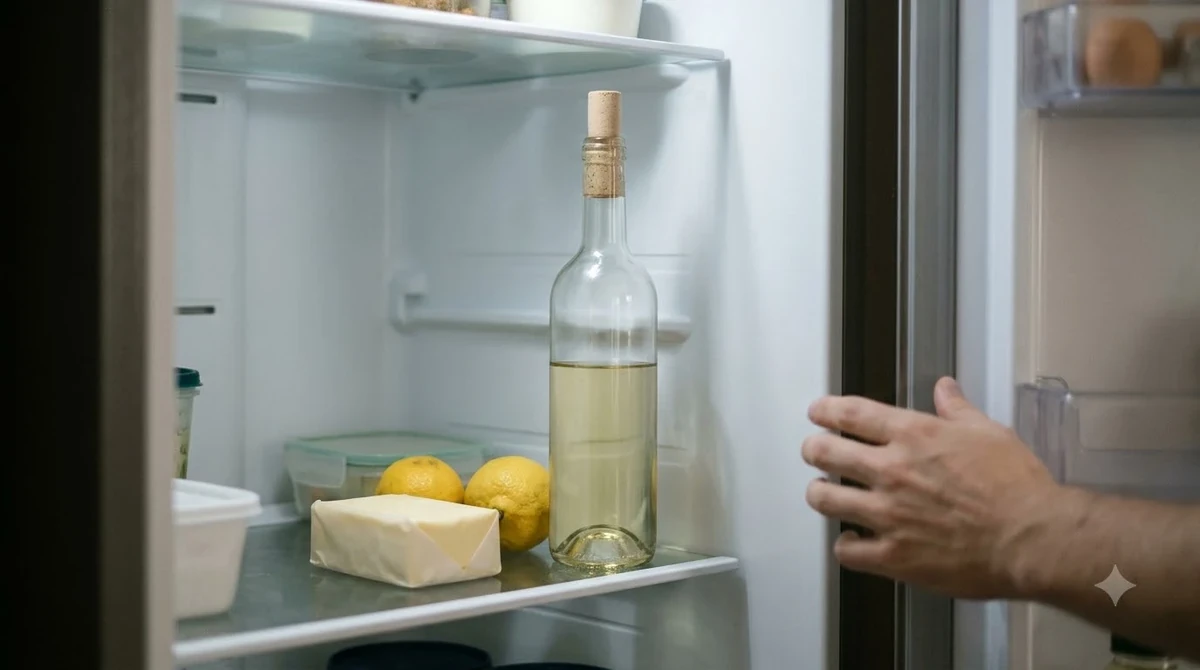
After opening, reseal the bottle and store it in the refrigerator, including red wine. A practical general guideline is to consume opened still wines within 3–5 days, although freshness depends on the wine, storage temperature, and exposure to oxygen.
Remove a red wine from the refrigerator a little before serving so it can return to its preferred temperature. For whites, chilling helps preserve their freshness. If the wine develops noticeably stale, oxidized aromas or an unpleasant flavor, it is past its best drinking condition.
For ordinary meals, a standard 5-ounce pour is a useful serving reference. A 750 ml bottle provides approximately five such glasses, making it easy to plan how many bottles are needed for a dinner with several guests.
Frequently Asked Questions
Is Sterling considered a luxury wine brand?
Sterling offers different levels of wine rather than concentrating exclusively on luxury bottlings. Its portfolio includes accessible varietal wines as well as reserve and vineyard-specific Napa Valley selections. The winery’s historic reputation and vineyard holdings give it a significant Napa presence, but individual bottles should be evaluated separately.
Does Sterling Vineyards make its wine in Napa Valley?
Sterling Vineyards is based in Calistoga in Napa Valley, and its portfolio includes wines associated with several Napa Valley growing areas. Its vineyard properties include Diamond Mountain, Bear Flats, Larsen Ranch, Petersen Ranch, Calistoga Ranch, and Tamagni Vineyard. The geographical designation of an individual bottle determines how specifically its origin is identified.
Is Sterling wine suitable for a wine gift?
Yes, particularly if the recipient enjoys recognizable California grape varieties. A Napa Valley Cabernet Sauvignon is a straightforward choice for someone who likes full-bodied reds, while Chardonnay can suit someone who prefers white wine. For a more distinctive gift, a reserve or vineyard-specific bottle provides a more particular connection to Napa Valley.
Is Sterling wine vegan-friendly?
Vegan suitability cannot be assumed for every wine in a producer’s portfolio. Some winemaking clarification processes use animal-derived fining agents, while others use mineral or plant-based alternatives. Anyone following a vegan diet should seek confirmation for the exact Sterling bottling and production method rather than relying on the brand name alone.
Can Sterling wine be aged for several years?
Some structured Napa Valley Cabernet Sauvignon and reserve bottlings may have greater aging potential than the winery’s lighter everyday wines. The appropriate aging period depends on the particular wine, vintage, tannin structure, acidity, and storage conditions. Most fresh Sauvignon Blanc bottlings are better enjoyed relatively young, while a well-structured Cabernet may reward additional bottle time.
So, is Sterling wine good? Yes, it is a worthwhile producer to consider if you enjoy approachable California varietals, especially Cabernet Sauvignon and Sauvignon Blanc. Start with a well-reviewed bottle from the collection that matches your taste, then explore the Napa Valley reserve and vineyard-specific wines if you want greater complexity and a more distinctive regional expression.
More in Wine Brands
 Is Estancia Wine Good? How to Choose the Right BottleUpdated Nov 21, 2026
 Is Meiomi Chardonnay Good for Fans of Rich, Fruity White Wine?Updated Nov 21, 2026
 Is La Crema Wine Good? How to Choose the Right BottleUpdated Nov 21, 2026
 Is Stella Rosa Red Good? A Practical Guide to Taste and ValueUpdated Nov 21, 2026
 Is Mateus Rose Good? Taste, Sweetness and Food Pairing ExplainedUpdated Nov 21, 2026
 Is Orin Swift Wine Good? How to Choose the Right BottleUpdated Nov 21, 2026