

We may earn a commission when you buy through links on this page, at no extra cost to you. Learn more.
Is Orin Swift wine good? Yes, Orin Swift makes well-regarded California wines, particularly for drinkers who enjoy bold fruit flavors, generous texture, concentrated reds, and distinctive presentation. Founded by winemaker Dave Phinney, the brand has developed a recognizable style across wines such as Abstract, Machete, and Papillon. However, its wines are not ideal for every palate: people who prefer delicate reds, restrained oak, or lighter alcohol levels may find some selections too powerful.
Orin Swift occupies an interesting position in American wine. Its bottles combine creative visual presentation with wines designed to make an impression at the table. The important question is not simply whether the brand is good, but whether its particular approach to California winemaking matches your preferences. Understanding the different labels, grape varieties, flavor profiles, and serving requirements makes choosing a bottle considerably easier.
Who Should Buy Orin Swift Wine?
Orin Swift is particularly appealing to wine drinkers who enjoy expressive California wines rather than subtle, restrained styles. Its portfolio includes concentrated red blends, Cabernet Sauvignon, Chardonnay, Sauvignon Blanc, rosé, and sparkling wine, providing options for different occasions.
The brand’s identity comes from winemaker Dave Phinney, who established Orin Swift Cellars in 1998. According to the winery’s official history, his interest in wine developed during a period studying in Florence, Italy, in 1996. He subsequently worked in Napa Valley, including a harvest position at Robert Mondavi, before establishing his own label.
That background helps explain the winery’s emphasis on blending and creative presentation. Phinney’s early production involved two tons of Zinfandel, and one of the important milestones in the company’s development was the creation of The Prisoner in 2000. Papillon followed in 2007, while Abstract and Machete arrived in 2010.
The name itself has a personal origin. Orin comes from Phinney’s father’s middle name, while Swift is his mother’s maiden name. The winery also began a partnership with the Gallo family in 2016, an important development in its business history.
There are several types of buyers who are likely to appreciate the brand:
- Bold red wine enthusiasts: People who enjoy dark berry flavors, substantial body, noticeable oak, and structured tannins will find several appealing options.
- California wine fans: Drinkers interested in Napa Valley and other California wine regions can explore different expressions through the portfolio.
- Blended wine enthusiasts: People who enjoy wines combining multiple grape varieties may particularly appreciate Abstract, Papillon, and Machete.
- Occasional gift buyers: The distinctive labels and presentation make the bottles visually memorable for dinners, celebrations, and wine gifts.
- Collectors and curious enthusiasts: People interested in comparing different vintages and labels have a substantial selection to explore.
There are also reasons some buyers should approach the range carefully. A person accustomed to light-bodied Pinot Noir, delicate European reds, or lower-alcohol wines may find certain Orin Swift selections heavy. Likewise, shoppers primarily interested in traditional vineyard-focused labels may prefer a producer with a more understated presentation.
For a broader overview of producers and styles, the Wine Brands collection provides useful context for comparing American wineries and their approaches.
Key Factors to Compare Before Choosing a Bottle
The most useful way to evaluate Orin Swift is to compare grape composition, body, tannin, acidity, alcohol, and the intended drinking occasion. These characteristics matter more than the artwork or reputation attached to a particular bottle.
Different labels serve different purposes. A full-bodied red blend may work beautifully with a steak dinner but feel excessive during a light lunch. A Chardonnay or Sauvignon Blanc offers a different experience entirely.
| Comparison factor | What to look for | Why it matters |
|---|---|---|
| Grape variety | Cabernet Sauvignon, Petite Sirah, Syrah, Chardonnay, Sauvignon Blanc | Determines much of the wine’s structure and flavor profile. |
| Body | Light, medium, or full | Helps match the wine with food and drinking preferences. |
| Tannin | Low, medium, or high | Influences dryness, texture, and suitability for rich meals. |
| Acidity | Fresh, moderate, or pronounced | Determines how refreshing the wine feels and how it pairs with food. |
| Alcohol | Percentage shown on the bottle | Helps identify wines that may feel warmer or more powerful. |
| Oak influence | Subtle, moderate, or prominent | Can contribute vanilla, toast, spice, and additional texture. |
| Occasion | Casual dinner, celebration, or formal meal | Helps determine whether a lighter or more substantial selection is appropriate. |
Body and tannin
Body describes how substantial wine feels in the mouth. A full-bodied wine often feels richer and more concentrated than a lighter alternative. Tannin contributes a drying, sometimes grippy sensation, especially in Cabernet Sauvignon and Petite Sirah-based wines.
This distinction is important with Orin Swift because some of its prominent reds emphasize concentration and structure. A drinker who enjoys firm Cabernet Sauvignon tannins may appreciate that approach, while someone who prefers soft, easy-drinking reds may prefer a Merlot-based selection.
Alcohol and oak
Alcohol percentage offers another useful comparison. For example, Wine Enthusiast lists 15.1% ABV for the reviewed 2023 Machete. That figure helps explain why this particular wine can feel powerful and substantial compared with lighter reds.
Oak influence is equally important. Oak-aged reds may develop flavors associated with vanilla, toasted wood, baking spices, and chocolate. Those characteristics can complement dark fruit, but excessive oak can make a wine feel heavy to someone who prefers fresher, fruit-driven styles.
It is also important to distinguish a wine that tastes fruity from one that tastes sweet. A dry red can have intense blackberry, plum, or blueberry flavors without containing enough residual sugar to taste like a dessert wine.
Step-by-Step: How to Choose Your First Orin Swift Bottle
Choosing a first bottle becomes easier when you begin with your preferred wine style instead of selecting the most recognizable label. A few simple comparisons can narrow the choices without requiring extensive knowledge of winemaking.
-
Decide whether you want red, white, rosé, or sparkling wine.
Start with the basic category. If you usually drink Cabernet Sauvignon or red blends, explore the red portfolio. If you prefer fresh, aromatic wines, consider Sauvignon Blanc or Chardonnay instead.
-
Choose your preferred level of intensity.
Think about whether you enjoy light, medium-bodied, or full-bodied wines. People who regularly drink powerful Napa Cabernet Sauvignon are more likely to appreciate the brand’s concentrated reds than people who mainly enjoy delicate Pinot Noir.
-
Compare the principal grape varieties.
Cabernet Sauvignon generally has high tannin, while Merlot tends to have softer, medium tannins. Petite Sirah and Syrah can contribute substantial structure and dark-fruit intensity. Sauvignon Blanc generally offers higher acidity and a fresher profile.
-
Select a label based on its style.
Consider Abstract for a recognizable red blend, Machete for an intense red-wine experience, and Papillon for a Bordeaux-inspired blend. Each has a different identity, so the names should not be treated as interchangeable.
-
Consider the meal you intend to serve.
For steak, grilled lamb, or braised beef, a structured red can be an excellent match. For seafood, salads, and lighter dishes, a white wine or rosé may be more suitable.
-
Choose the occasion and serving conditions.
A substantial red may suit a weekend dinner better than a quick weekday lunch. Plan enough time to bring the bottle to an appropriate serving temperature and allow decanting if the wine benefits from additional air.
-
Compare the specific vintage.
Wine characteristics can change with growing conditions and winemaking decisions. Professional reviews of individual vintages can provide additional guidance, particularly when comparing two releases of the same label.
For a first purchase, it is generally more useful to choose a wine whose grape composition and style match your existing preferences than to chase a famous name. If you already enjoy concentrated red blends, start there. If you are unsure, a white or softer red can provide a gentler introduction.
Tip: When comparing two Orin Swift reds, start with alcohol percentage, principal grape varieties, and tannin level. Those three details often tell you more about the drinking experience than the label design or popularity of the wine.
Orin Swift Wine Types and Styles Explained
The portfolio includes several distinctive labels, and understanding their general identities is one of the best ways to make an informed selection. The official winery shop lists red wines alongside Chardonnay, Sauvignon Blanc, rosé, and sparkling selections.
Abstract: An introduction to the red blends
Orin Swift Abstract wine is one of the winery’s recognizable red labels. It is a useful starting point for people interested in the brand’s blending approach and its emphasis on expressive California red wine.
Abstract is best considered by drinkers who enjoy fruit-forward red blends rather than those looking specifically for a single-variety wine. Its identity is also associated with the brand’s creative label design, which has become part of the Orin Swift presentation.
For a first-time buyer, the important consideration is whether a red blend fits the way you normally drink wine. If your favorite bottles are rich California reds, Abstract is a natural label to investigate.
Machete: Concentrated fruit and substantial structure
Machete is one of the clearest examples of Orin Swift’s bold approach. Wine Enthusiast reviewed its 2023 California Red Blend with a score of 94 points and described aromas of blackberry, boysenberry, sweet oak, violets, and clove.
The review also characterized the wine as dark, intense, and powerful, recommending decanting before serving. Its listed alcohol content was 15.1% ABV in a standard 750 ml bottle.
Wine.com describes the 2021 Machete as a Petite Sirah-based red blend that includes Syrah. Its tasting description includes black plum, dark stone fruit, charred meat, minerality, and candied orange peel. The same listing identifies 12 possible label designs for that vintage.
These descriptions make Machete particularly relevant for drinkers who enjoy concentrated dark-fruit flavors and substantial tannins. It is less likely to appeal to someone who wants a light, delicate red for casual sipping.
The independent review is useful because it offers more than the winery’s own description. Read the Wine Enthusiast review of the 2023 Machete to see how a professional reviewer describes its character and structure.
Papillon: A Bordeaux-inspired red blend
Papillon is another important Orin Swift red. Introduced in 2007, it is a recognizable part of the winery’s development and takes its name from an idea inspired by Phinney’s daughter.
Its Bordeaux-style identity makes it particularly interesting for people who enjoy combinations of traditional Bordeaux grape varieties. Cabernet Sauvignon can contribute structure and firm tannins, while Merlot, Cabernet Franc, Malbec, and Petit Verdot provide different elements of fruit, texture, and complexity.
This is a sensible choice for a formal dinner or a substantial main course. People who enjoy Napa-style red blends with dark fruit, oak influence, and a structured finish are likely to find its general style appealing.
Other red wines and white wine choices
The winery’s portfolio also includes Palermo, 8 Years in the Desert, Mercury Head, Slander, and Advice From John. These labels expand the choices for people who want to explore different grape varieties and red-wine styles within the same producer’s range.
Mercury Head is particularly relevant to Cabernet Sauvignon enthusiasts, while Advice From John is a Merlot label. Slander provides another route for Pinot Noir drinkers who want to explore the winery’s approach to a different red grape variety.
White wine drinkers have options too. Blank Stare is Sauvignon Blanc from Russian River Valley, while Mannequin is a Chardonnay label. Veladora is another white wine in the official portfolio.
These alternatives matter because Orin Swift should not be evaluated exclusively through its biggest red blends. Someone who prefers crisp acidity and lighter textures may enjoy the white wine selections considerably more.
For a more detailed look at the producer’s red selections, the Orin Swift red wine overview can help narrow down the choices.
Common Mistakes When Buying Orin Swift
The most common buying mistake is assuming every bottle has the same flavor profile simply because it carries the same producer name. Orin Swift offers different grapes, blends, and wine categories, so individual labels deserve separate consideration.
Assuming every bottle is sweet
Powerful fruit flavors can make a wine seem sweet even when it is technically dry. Blackberry preserves, ripe plum, blueberry, and chocolate-like notes may create an impression of sweetness without indicating substantial residual sugar.
For example, a full-bodied red with dark fruit and oak can taste rich and generous while still having noticeable tannin and a dry finish. Buyers who want an actual sweet wine should distinguish between perceived fruit sweetness and the wine’s residual sugar.
Choosing a wine based only on the artwork
Orin Swift’s distinctive labels are an important part of its identity. They are also one reason the bottles attract attention as gifts and conversation pieces. However, attractive packaging does not tell you whether the wine is light, full-bodied, acidic, or tannic.
A better approach is to compare the wine’s grape varieties and tasting descriptions before purchasing. A striking label cannot compensate for a style that does not suit your palate.
Expecting every red to be soft
Some red wines are smooth and approachable, while others have substantial tannin and structure. Cabernet Sauvignon generally has high tannin, and Petite Sirah-based blends can also feel firm and drying.
If you usually drink Merlot or Pinot Noir, a powerful Petite Sirah-based wine may be a significant change. This does not mean the wine is poorly made. It simply means its texture and intensity may be different from what you normally enjoy.
Ignoring the food pairing
A concentrated red wine can work beautifully with a rich meal but overpower delicate dishes. High-tannin reds generally pair well with protein-rich meats, while lighter foods may benefit from a less structured wine.
Salt and fat can soften the perception of tannin, which is why a structured red can work particularly well with a grilled steak. Conversely, oily fish can clash with strongly tannic reds, and spicy food can make the alcohol and tannin feel more pronounced.
Confusing reputation with personal preference
A professional score or popular label can provide useful context, but neither guarantees personal enjoyment. Wine Enthusiast’s 94-point assessment of the 2023 Machete is evidence of a favorable professional evaluation of that particular wine, not proof that every buyer will enjoy its intensity.
Wine is subjective. A person who prefers restrained Burgundy-style Pinot Noir may reasonably choose something entirely different from a fan of powerful California blends.
Serving, Storage, and Food Pairing Tips
Proper serving conditions help bring out the flavors and structure of Orin Swift wines. Full-bodied reds generally benefit from slightly cooler serving temperatures than many people expect, while whites should be served cooler to preserve freshness.
Choose the right serving temperature
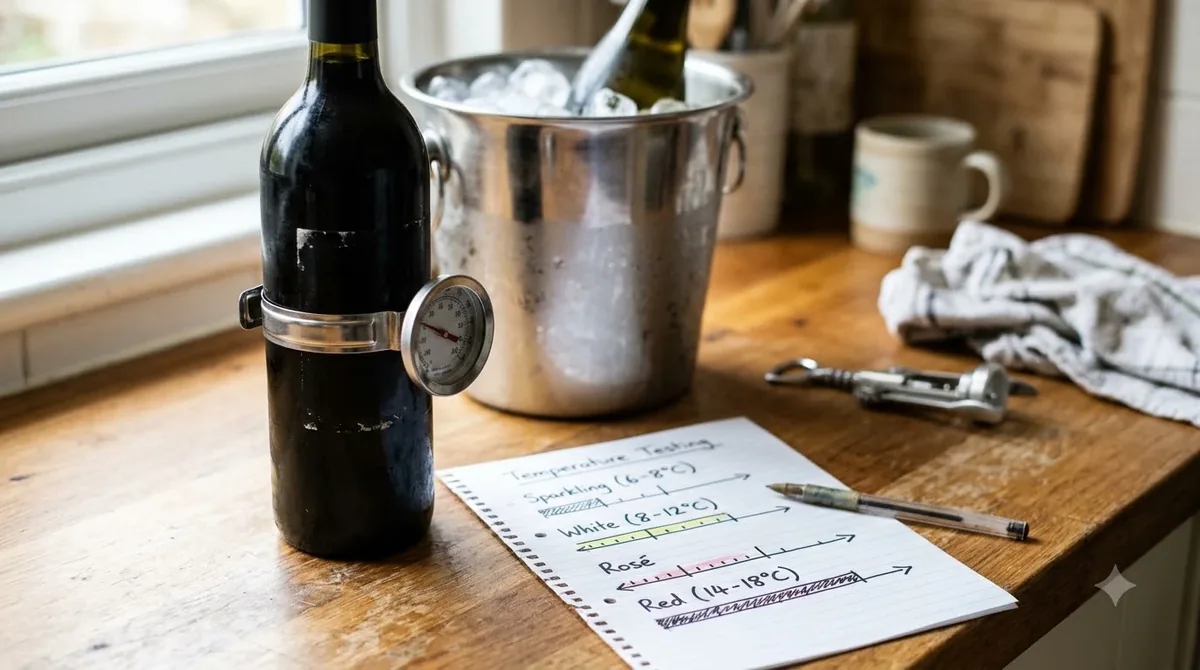
For full-bodied reds, aim for approximately 60 to 65 degrees Fahrenheit. This range helps prevent the wine from feeling overly warm or alcoholic while allowing its fruit, oak, and structure to remain expressive.
Light-bodied reds are generally better around 55 to 60 degrees Fahrenheit. Full-bodied Chardonnay is usually best around 50 to 55 degrees Fahrenheit, while light whites and rosé are generally served at 45 to 50 degrees Fahrenheit.
Avoid serving a powerful red straight from a warm room if the temperature is significantly above the recommended range. A brief period in a cool location can help bring the wine into a more comfortable serving range.
Decant substantial reds when appropriate
Decanting exposes wine to oxygen and can help certain young, concentrated reds become more expressive. Wine Enthusiast specifically recommends decanting its reviewed 2023 Machete, while Wine.com’s professional review information for the 2021 Machete also describes decanting as beneficial.
For young, full-bodied reds, a starting point of 30 to 60 minutes is reasonable. Taste the wine after a shorter period and determine whether additional air improves its aromas and texture.
Not every bottle requires extensive decanting. A lighter wine may lose some of its fresh character if left exposed for too long, so the appropriate approach depends on the wine and its condition.
Match the wine with food
Food pairing is especially important for wines with substantial body and tannin. A good match balances the wine’s structure rather than allowing one element to overwhelm the other.
- Steak and Cabernet Sauvignon: Protein and fat help soften the perception of tannin. Grilled ribeye, strip steak, and beef tenderloin are natural choices.
- Barbecue and red blends: Smoked brisket, grilled short ribs, and slow-cooked beef can complement dark fruit and oak characteristics.
- Lamb and structured reds: Roasted lamb with rosemary and black pepper works well with wines that have substantial body and savory notes.
- Hard cheeses: Aged cheddar and firm cheeses can balance the structure of concentrated reds.
- Chardonnay and poultry: Roasted chicken, creamy pasta, and grilled turkey can complement a fuller-bodied white wine.
- Sauvignon Blanc and seafood: Fresh seafood, salads, and herb-based dishes can work well with a high-acidity white.
- Rosé and lighter meals: Grilled vegetables, seafood appetizers, and summer salads offer flexible pairing options.
Store bottles properly
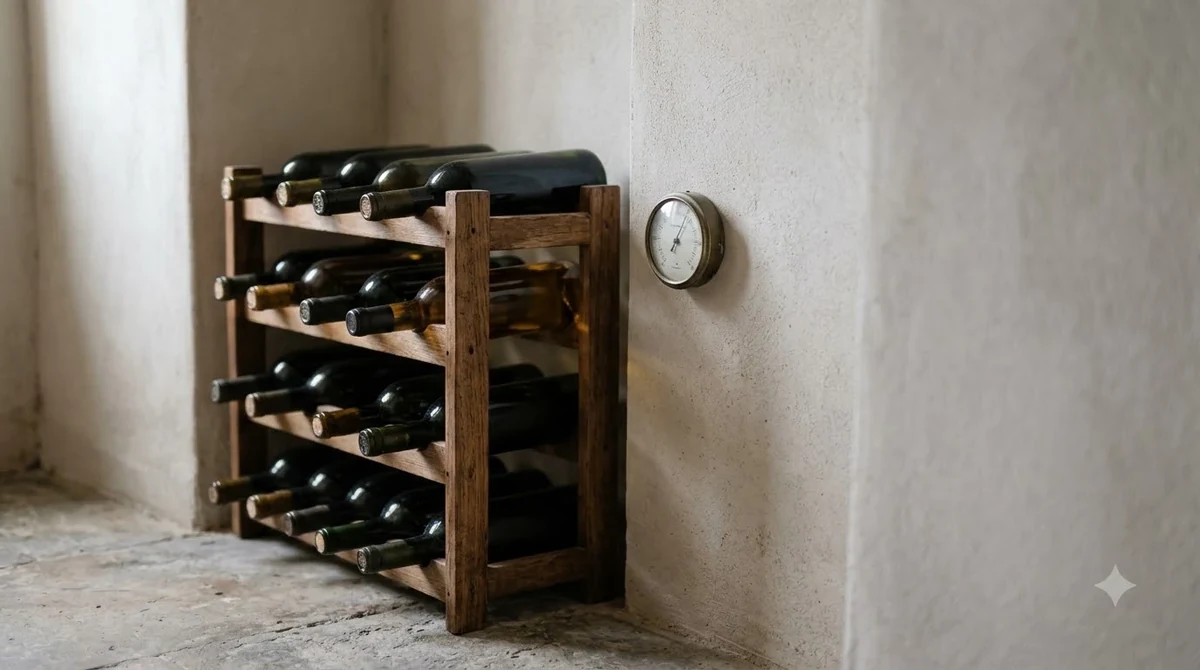
Unopened wine should generally be stored on its side when sealed with a natural cork, in a cool, dark location near 55 degrees Fahrenheit. Avoid direct sunlight, major temperature fluctuations, and repeated vibration.
Opened bottles should be resealed and refrigerated. Most opened still wines remain in reasonable condition for approximately three to five days, although freshness varies with the wine, storage conditions, and exposure to oxygen.
For everyday serving, a standard 750 ml bottle provides approximately five glasses when poured at 5 ounces each. That makes one bottle suitable for a small dinner gathering without requiring an unusually large serving quantity.
Good storage and serving practices are particularly useful for concentrated reds because they allow the wine’s fruit, tannins, and oak character to show more clearly.
Frequently Asked Questions
Is Orin Swift considered a luxury wine brand?
Orin Swift occupies the premium-oriented segment of the California wine market, with recognizable labels and selections aimed at enthusiasts as well as collectors. Its portfolio includes everyday drinking styles and more prestigious selections, so the brand should not be treated as one uniform price or quality category.
Who is the winemaker behind Orin Swift?
Dave Phinney founded Orin Swift Cellars and is identified by the winery as its founder, winemaker, and creative director. His early winemaking career included work at Robert Mondavi in Napa Valley before establishing his own label.
Does Orin Swift make sparkling wine?
Yes. The winery’s official portfolio includes You Go First, a sparkling wine selection. This provides an alternative for customers who enjoy sparkling wine rather than the concentrated reds for which Orin Swift is particularly recognized.
Where can visitors experience Orin Swift wines in person?
Orin Swift operates a tasting room at 1321 Main Street in downtown St. Helena, California. The winery describes multiple tasting experiences, including Rock, Paper, The Vault, and Scissors, allowing visitors to explore different aspects of its wine portfolio.
What does the name Orin Swift actually mean?
The name combines two family references rather than identifying a single person. Orin is Dave Phinney’s father’s middle name, while Swift is his mother’s maiden name. The combination became the identity of the winery he founded in 1998.
Overall, Orin Swift is a worthwhile producer to explore if you enjoy expressive California wines, distinctive blends, and substantial flavors. Start with a label that matches your preferred grape varieties and body, then compare other selections as you become familiar with the winery’s style. For a first purchase, prioritize the wine itself rather than the artwork, and use individual vintage reviews to make your final choice.
More in Wine Brands
 Miraval Wine Review: Choose the Right Provence WineUpdated Nov 21, 2026
 Mionetto Rose Price: What to Expect for a BottleUpdated Nov 21, 2026
 Merry Edwards Wine Price: Compare Bottles and Find the Right WineUpdated Nov 21, 2026
 Ménage à Trois Moscato Price and What You Get for Your MoneyUpdated Nov 21, 2026
 Lodi Wine Price: Compare Bottles by Budget and StyleUpdated Nov 21, 2026
 Mateus Rose Review: Taste, Sweetness, and Buying TipsUpdated Nov 21, 2026