

We may earn a commission when you buy through links on this page, at no extra cost to you. Learn more.
Orin Swift Abstract wine is a California red blend of Grenache, Petite Sirah and Syrah, made to be fruit-forward and easy to drink. The winery describes it as a beloved starting point for people new to the brand. Its playful name and bold label make it stand out on crowded shelves.
This guide explains what is in the bottle, how the wine is made, and what it tastes like. It also covers food pairings, serving temperature, storage, and how Abstract compares with other playful California red blends.
What Is Orin Swift Abstract Wine?
Orin Swift Abstract is a dry red wine made from several grape varieties grown in California. It is a proprietary blend, which means the winery decides each year which lots go into the final bottle. The brand calls it an expression of its winemaking mission and its signature drinkability.
Abstract is sold in 750 ml bottles and is usually released as a new vintage each year. Vintages can differ in their exact proportions and oak treatment, so the label year matters. Reviewers at major wine publications have covered several recent releases, and their notes describe a rich, dark-fruited style with soft tannins.
If you are new to red blends, Abstract is a useful bottle to understand. It shows how a mix of grapes can build layers of fruit, spice and texture that a single variety often cannot reach alone.
Winery Background and Winemaking Philosophy
Orin Swift Abstract comes from a winery with a clear personality. The winery was founded by David Phinney, who according to the producer’s own history began working in wine after a study period in Italy. He later worked in the vineyards of a large California producer before starting his own brand.
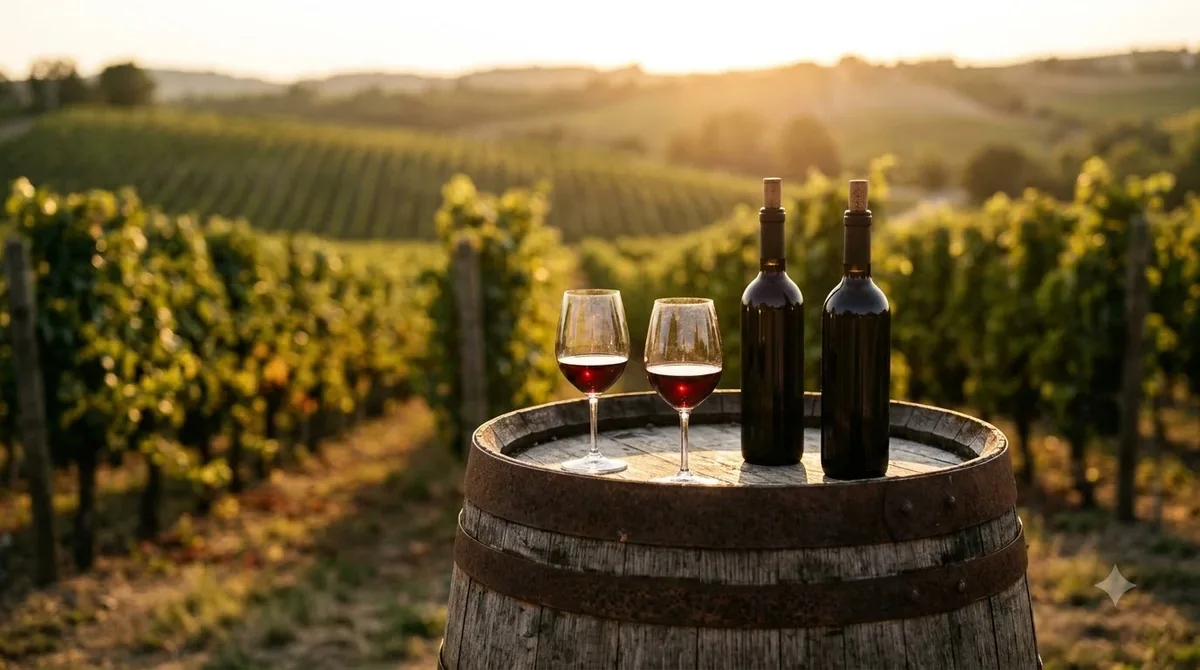
According to the Grape to Glass review of the 2019 vintage, the winery was founded in St. Helena, California, and the brand later became part of E. & J. Gallo. The same review notes that the founder has stayed on to guide the winemaking. That continuity is one reason fans follow the brand across vintages.
The brand is known for bold imagery, memorable names and creative labels. Abstract follows that pattern. Its name refers to the idea of a collage, where many separate images form one larger statement. The winery applies the same idea to the wine, blending parts that work better together than apart.
Grape Varieties and Blend Composition
Abstract is built on three red grapes: Grenache, Petite Sirah and Syrah. Each one brings a different role to the blend. Grenache often contributes ripe red fruit and a soft texture, Syrah adds darker fruit and savory spice, and Petite Sirah adds color, structure and grip.
Sources describe the fruit as coming from many vineyard sites across California. One review describes the blend as drawing on plots across the state, while the winery says the wine includes fruit from quality vineyards. Some published notes also list Zinfandel in certain vintages, so check the back label or the winery site for the exact makeup of the bottle you buy.
The table below summarizes the main grapes and what they typically add, based on the sources and general winemaking knowledge.
| Grape | Typical contribution | What you may notice |
|---|---|---|
| Grenache | Ripe red fruit and a soft, round body | Strawberry and red cherry notes |
| Syrah | Dark fruit, depth and spice | Blackberry, pepper and savory herbs |
| Petite Sirah | Color, structure and firm tannins | Dark plum, cassis and a grippy finish |
Oak also shapes the wine. According to the 2019 review, the wine spent eight months in French and American oak barrels, with a share of new oak. Newer vintages are described with similar aging periods. That oak adds vanilla, toast and mocha notes, but it should stay in the background rather than dominate the fruit.
Flavor Profile and Food Pairings
Abstract is typically described as full-bodied, dark-fruited and smooth. Reviewers describe aromas of berries, plums and black fruit, with spice and a touch of licorice or pepper. On the palate, the wine tends to feel dense and juicy, with soft tannins that carry into a long finish.
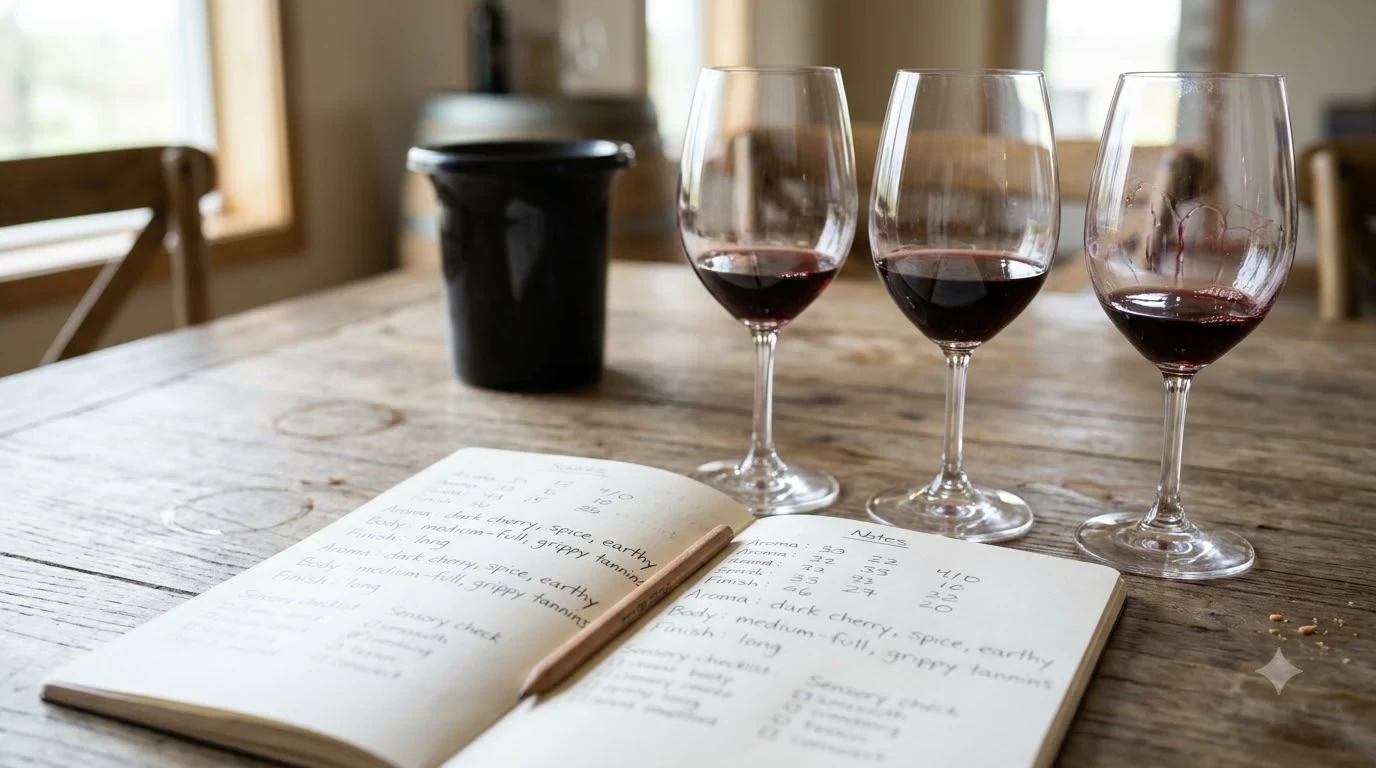
Tasting notes in the sources mention blueberry, dark plum, cassis, mocha, dried spices and tobacco. Those descriptors vary by vintage and by critic, which is normal for a blend. Try to note what you smell first, then what you taste, because the order of impressions helps you judge the balance.
For food, the sources suggest rich, savory dishes. One review recommends barbecued meats, slow-cooked beef, thin-crust seasoned pizza, rich tomato or wine-sauce pasta, and earthy vegetarian dishes. A full-bodied red like Abstract also works with aged cheeses and mushroom-based dishes, where its fruit and tannin can match the savory depth on the plate.
How Abstract Compares With Similar California Brands
Abstract sits in a crowded space of playful California red blends. Many producers use bold labels and approachable styles to draw in newer drinkers. Abstract differs because it leans on a Rhône-style trio of grapes, and it is marketed as a blend from multiple California regions rather than a single appellation.
Compared with a single-variety Syrah or Petite Sirah, Abstract usually feels rounder and more immediately fruity. Compared with a lighter red blend, it has more weight and tannin, so it suits a meal better than a casual sip. If you enjoy approachable reds, you may also like exploring the 14 Hands Hot to Trot wine, which takes a different approach to fruit-forward red blends.
Serving and Storage Tips
Serve Abstract at a slightly cool room temperature. According to the 2019 review, the ideal range is about 16 to 18 degrees Celsius, which is a little cooler than many people expect for a big red. Pour it into a medium to generously shaped red wine glass so the aromas can open up.
A brief decant helps. The 2019 review recommends mild decanting, which can soften the tannins and let the fruit show more clearly. You do not need a long decant for this style, and a short pour into a carafe is usually enough.
For storage, keep bottles in a cool, dark place away from heat and sunlight. The 2019 review suggests the wine is drinking well at release and may age for several more years. Newer vintages can have different aging windows, so check the producer’s notes for the specific year you are holding.
Tip: Once opened, recork the bottle and refrigerate it if you want to finish it over the next day or two. Bring it back to a cool room temperature before serving.
Frequently Asked Questions
What grapes are in Orin Swift Abstract wine?
Abstract is primarily a blend of Grenache, Petite Sirah and Syrah. Some published notes mention Zinfandel in certain vintages. Check the label or the producer’s page for the exact makeup of the bottle you have.
Is Orin Swift Abstract a dry red wine?
Yes. The 2019 review describes it as a classic dry style with a medium to full palate. Its soft tannins and dark fruit make it feel rich, but it is not sweet.
What food goes well with Abstract?
Savory, grilled and slow-cooked dishes suit the wine well. Barbecue, thin-crust pizza, rich pasta and earthy vegetarian meals are good matches. Aged cheeses also pair nicely with its dark fruit and tannin.
Should I decant Abstract before serving?
A short decant is usually enough. The 2019 review recommends mild decanting to help the wine open up. Serve it slightly cool in a generously shaped glass for the best aroma.
Orin Swift Abstract is a practical starting point for drinkers who want a rich, fruit-forward California red. Learn the grapes, serve it slightly cool, and pair it with savory food. For more background on related bottles, visit the Wine Brands section.
More in Wine Brands
 Underwood Wine Price: Compare Bottles, Cans, and Pack SizesUpdated Nov 21, 2026
 Zenato Wine Price: Compare Styles and Choose the Right BottleUpdated Nov 21, 2026
 Zuccardi Wine Price: Compare Bottles and Find the Right RangeUpdated Nov 21, 2026
 Yellow Tail Moscato Review: Taste, Sweetness and Serving TipsUpdated Nov 21, 2026
 Wolf Blass Yellow Label Review: Choose Your Best StyleUpdated Nov 21, 2026
 Wolffer Estate Rose Review: Choose the Right Bottle for Your TableUpdated Nov 21, 2026