

We may earn a commission when you buy through links on this page, at no extra cost to you. Learn more.
This mateus rose review finds Mateus Rosé Original a light, fruity Portuguese rosé with noticeable freshness, gentle sweetness, and a slightly fizzy finish, making it a practical choice for casual meals and relaxed gatherings. Made by Sogrape, it combines four Portuguese grape varieties and has a listed alcohol content of 11% ABV. Its approachable style suits drinkers who enjoy fruit-forward rosé rather than bone-dry, sharply mineral wines, although those seeking a completely dry finish may prefer another style.
Mateus Rosé is one of the recognizable names in Portuguese wine, thanks to its distinctive bottle, accessible character, and long international history. Its original expression offers a different experience from the very dry, pale rosés that have become popular in recent years. Understanding its sweetness, acidity, grape varieties, and serving requirements makes it easier to decide whether this familiar bottle deserves a place in your wine collection. This guide examines what to expect, how to choose the right expression, and how to serve it well.
Who This Mateus Rosé Is For
Mateus Rosé Original is particularly suitable for people who prefer approachable, fruit-forward wines with moderate sweetness and refreshing acidity. Its light body, 11% ABV, and gentle effervescence make it an accessible option for informal occasions rather than a complex bottle intended for extended cellar aging.
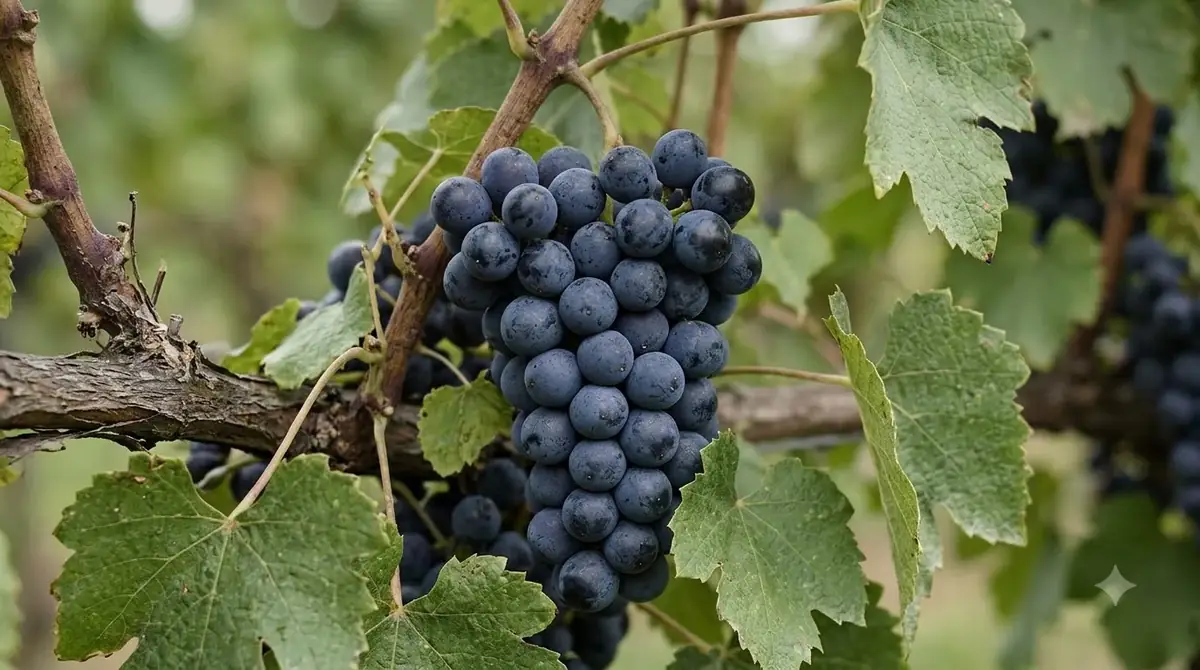
The wine is a reasonable starting point for someone exploring Portuguese rosé for the first time. Its blend of Baga, Rufete, Tinta Barroca, and Touriga Franca gives it a recognizable Portuguese identity, while its production method and approachable flavor profile keep the finished wine easy to understand. According to the producer, the wine is designed to maintain a consistent style, with freshness and a smooth, slightly pétillant finish. That consistency is an important part of its appeal.
Drinkers who enjoy fruit-driven wines with a hint of sweetness may find Mateus Rosé particularly appealing. The raspberry and floral notes identified by the Société des alcools du Québec (SAQ) give a useful indication of its aromatic direction. Its light body also makes it less demanding than a full-bodied red or a heavily oaked white. For a casual lunch, a picnic, or an afternoon gathering, this uncomplicated profile can be more useful than a wine that requires careful food selection.
However, Mateus Rosé Original is not the ideal selection for every rosé drinker. Someone who prefers very dry Provence-style rosé, pronounced citrus flavors, or a strong mineral character may find its fruitiness and sweetness more noticeable than expected. It is also not a substitute for a fully sparkling wine. Its slight pétillant character creates a gentle sensation rather than the sustained bubbles associated with Champagne or traditional-method sparkling wines.
It helps to distinguish the Original expression from other Mateus offerings before purchasing. The brand also promotes a Dry Rosé made with Baga and Shiraz, which has a drier and paler style aimed at different preferences. Readers interested in the broader range can start with this Mateus Rosé overview before choosing a bottle.
In practical terms, the Original expression is most appropriate for drinkers who want a refreshing, lightly sweet rosé that works across several everyday situations. It is less suitable for those whose main requirement is a completely dry, intensely structured wine. That distinction is more important than the bottle’s famous appearance or international reputation.
Key Factors to Compare Before Buying
The most useful factors to compare are sweetness, alcohol content, grape composition, acidity, body, and the intended serving occasion. These details provide a more reliable picture of the wine than its bright pink color or recognizable bottle alone.
| Characteristic | Mateus Rosé Original | What It Means |
|---|---|---|
| Country | Portugal | Portuguese table wine |
| Grape varieties | 4 varieties | Baga, Rufete, Tinta Barroca, Touriga Franca |
| Alcohol | 11% ABV | Moderate alcohol level |
| Residual sugar | 15 g/L | Noticeable but balanced sweetness |
| Carbon dioxide | 2.8 g/L | Gentle pétillant character |
| pH | 3.2–3.3 | Supports a fresh flavor profile |
| Fermentation temperature | 16°C | Controlled stainless-steel fermentation |
| Serving temperature | 6–8°C | Approximately 43–46°F |
| Standard bottle | 750 ml | Approximately five 5-ounce pours |
The technical figures come from Sogrape’s Mateus Rosé Original product information. The SAQ independently describes its listed product as a light-bodied, semi-sweet rosé with 11% alcohol and 16 grams per liter of sugar. The small difference in reported sugar figures is a reminder that technical specifications can vary between product information and market listings. Neither figure changes the general expectation: this is not a bone-dry rosé. The producer’s Mateus Rosé Original technical information also provides production details, serving guidance, and food-pairing recommendations.
Sweetness deserves particular attention because it influences whether the wine suits a person’s usual preferences. A residual sugar level of 15 grams per liter is enough to make fruit flavors seem rounded and approachable, but the wine’s acidity helps prevent the sweetness from becoming the only noticeable feature. The result is a balanced, fruit-led style rather than a dessert wine. Someone accustomed to very dry wines may still find it sweeter than expected.
Alcohol content is another useful comparison point. At 11% ABV, Mateus Rosé Original sits below many full-bodied red wines and some stronger white wines. That figure contributes to its relatively light impression, although alcohol percentage alone does not determine body, sweetness, or how a wine feels on the palate. The combination of fruit, acidity, and gentle effervescence is what makes its overall character distinctive.
Its grape blend is also relevant. Baga is an important Portuguese red grape associated with the Bairrada region, while Rufete, Tinta Barroca, and Touriga Franca contribute additional blending components. The producer identifies all four grapes, while the SAQ lists a breakdown of 50% Baga, 20% Rufete, 10% Tinta Barroca, and 10% Touriga Franca. Those percentages total 90%, so they should not be treated as a complete mathematical description of the finished blend.
For additional background on the wine’s alcohol level and what the percentage means when comparing bottles, see the Mateus Rosé alcohol content explanation. This is especially helpful when choosing wine for a gathering where guests may have different preferences regarding strength and serving size.
Step-by-Step: How to Choose the Right Mateus Rosé
Choosing Mateus Rosé becomes easier when you start with the intended drinking occasion, then compare sweetness, style, quantity, and serving requirements. A few simple checks can prevent the common mistake of purchasing a familiar brand without considering whether its actual flavor profile matches your preferences.
-
Decide whether you want a sweet or dry rosé.
Start with the sweetness level. Mateus Rosé Original is generally described as semi-sweet, with 15 grams per liter of residual sugar in the producer’s technical information. It is suitable for someone who likes ripe red-fruit flavors and a soft finish. If you usually select bone-dry rosé, compare the brand’s Dry Rosé before settling on the Original.
-
Identify the expression you are purchasing.
Do not assume that every bottle carrying the Mateus name has exactly the same flavor profile. The Original and Dry Rosé have different stylistic aims. The brand describes Dry Rosé as paler and drier, with Baga and Shiraz in its grape composition. Choosing the correct expression matters more than choosing by label color alone.
-
Consider the alcohol percentage.
The Original has 11% ABV, which makes it a moderate-strength wine compared with many stronger red and white wines. If alcohol content is a major purchasing consideration, compare the figure printed for the specific expression rather than assuming every Mateus bottle has the same percentage.
-
Think about the food you plan to serve.
For seafood, salads, grilled chicken, or light pasta, the Original’s freshness and fruitiness are useful qualities. For spicy Vietnamese or Thai dishes, its slight sweetness can work well with moderate chili heat. Very hot dishes may still make alcohol and acidity seem more pronounced, so consider the actual spice level rather than relying on sweetness alone.
-
Choose the appropriate bottle quantity.
A standard 750 ml bottle provides approximately five servings when poured at 5 ounces each. That is a practical quantity for a small meal or two to three people sharing wine moderately. A larger gathering may require additional bottles, while smaller formats can be more convenient for an individual occasion.
-
Check the bottle condition and packaging.
Look for a properly sealed bottle without visible leakage or damage. A damaged closure or poorly stored bottle can affect freshness. If purchasing through a retailer, consider how the wine has been stored and whether the packaging is intact.
-
Plan the serving temperature.
Set aside enough time to chill the bottle before serving. The producer recommends 6–8°C, equivalent to approximately 43–46°F. This range keeps the wine refreshing while allowing its fruity and floral aromas to remain accessible.
These steps are especially useful for shoppers comparing the Original with other accessible rosé styles. A wine can have a familiar label and attractive appearance but still be unsuitable for a particular meal or palate. Matching the wine to the occasion is the simplest way to make a more satisfying choice.
Tip: If you are uncertain whether Mateus Rosé Original will be sweet enough for your preference, start by comparing its 15 g/L producer-listed residual sugar with the sweetness levels of wines you already enjoy. This is more informative than relying on the word rosé or the wine’s pink color.
Types and Styles Explained
Mateus is a wine brand rather than a single universal rosé recipe, so the expression matters when choosing a bottle. The Original is a light, slightly sweet Portuguese rosé, while the brand’s Dry Rosé offers a paler and drier direction for drinkers who prefer less apparent sweetness.
Mateus Rosé Original
The Original is the classic expression most closely associated with the brand’s traditional identity. Its bright pink appearance, fruit-forward aroma, and soft finish make it approachable for casual drinking. The producer lists Baga, Rufete, Tinta Barroca, and Touriga Franca as its grape varieties.
The wine’s fermentation method helps explain its fresh profile. Sogrape describes slow fermentation without grape skins in stainless-steel tanks at a controlled 16°C. The producer also describes cold stabilization and filtration before bottling. This approach is consistent with a fresh, youthful wine intended for drinking rather than extended maturation.
The listed residual sugar of 15 grams per liter and carbon dioxide level of 2.8 grams per liter are also useful clues. The sugar provides a gentle sweetness, while the small amount of dissolved carbon dioxide helps create the subtle pétillant impression. It is not intended to behave like a fully sparkling wine, and its bubbles should not be compared with the persistent mousse of traditional-method sparkling wines.
Mateus Dry Rosé
The brand also presents a Dry Rosé for consumers who prefer a drier style. Its official brand history describes this expression as paler and drier than the traditional Mateus style, with Baga and Shiraz used in its composition. This makes it a useful alternative for someone who likes the brand’s accessible approach but does not want the same level of sweetness associated with the Original.
The distinction is important because a shopper who simply asks for Mateus Rosé may receive different recommendations depending on the exact expression available. The Dry version is not simply another label for the Original. Its grape composition and intended style differ, so tasting expectations should differ as well.
How the Styles Compare
The following comparison focuses on the documented stylistic differences rather than suggesting that one expression is universally superior.
| Comparison | Original | Dry Rosé |
|---|---|---|
| General style | Classic, fruity rosé | Drier, paler rosé |
| Grape composition | Baga, Rufete, Tinta Barroca, Touriga Franca | Baga and Shiraz |
| Sweetness impression | Noticeably fruity and semi-sweet | Drier style |
| Color description | Bright pink | Paler pink |
| Best suited to | Drinkers who enjoy gentle sweetness | Drinkers who prefer a drier profile |
For shoppers exploring the wider category, it is useful to understand how rosé sweetness differs from sparkling wine sweetness. Terms such as Brut and Demi-Sec are classifications associated with sparkling wine and should not automatically be applied to Mateus Rosé Original. A still rosé with a slight pétillant character remains different from a fully sparkling wine.
There is also an important distinction between a wine’s fruitiness and its actual sugar content. A rosé can smell strongly of strawberries or raspberries while being completely dry. Mateus Original combines fruit-forward aromas with measurable residual sugar, which is why its overall impression is softer than that of many dry rosés.
Common Mistakes When Buying or Drinking Mateus Rosé
The most common mistakes involve confusing the Original with the Dry expression, expecting a fully sparkling wine, and serving the bottle too warm. Understanding these distinctions helps preserve the wine’s intended balance and prevents disappointment.
Assuming all rosé is dry: Rosé describes a wine’s color and production style, not a fixed sweetness category. Mateus Rosé Original has 15 grams per liter of residual sugar according to its producer. That places it in a noticeably fruit-forward category compared with many dry rosés. A drinker expecting a bone-dry finish may find the wine sweeter than anticipated.
Confusing the Original with Dry Rosé: These are different expressions with different grape compositions and intended flavor profiles. The Original uses four listed Portuguese grape varieties, while the brand describes Dry Rosé as a blend of Baga and Shiraz. Selecting the wrong expression can lead to an entirely different experience from the one expected.
Expecting Champagne-like bubbles: The Original has a slightly pétillant character, but it is not a traditional-method sparkling wine. The producer lists 2.8 grams per liter of carbon dioxide. That figure helps explain the gentle sensation without suggesting a vigorous sparkling texture.
Serving it at room temperature: A warm bottle can make the wine seem less refreshing and allow sweetness to dominate. The producer’s recommended 6–8°C serving range is a sensible starting point. A few minutes outside the refrigerator can be useful if the wine becomes excessively cold and its aromas seem muted.
Pairing it with every spicy dish: Slight sweetness can complement moderate chili heat, but alcohol and tannin can amplify the sensation of spicy foods. Mateus Rosé has a relatively light structure, but it still contains 11% alcohol. Very hot sauces and intensely spicy dishes may overwhelm its delicate fruit flavors.
Using it as a substitute for a serious sparkling wine: The wine’s slight effervescence makes it refreshing, but it should not be selected when a recipe or celebration specifically requires a fully sparkling wine. Traditional-method Champagne and Cava undergo a second fermentation in the bottle, producing a different structure and bubble profile.
Expecting it to improve through long-term cellaring: The SAQ identifies Mateus Rosé Original as ready to drink. Its youthful, fresh character is a central part of its appeal. There is little reason to purchase the Original with the expectation of developing complex aged-wine characteristics over several years.
Ignoring the food’s sweetness: A wine should generally be at least as sweet as the dessert served alongside it. Mateus Original can work with lightly sweet fruit dishes, but very sugary desserts may make it taste less sweet and more acidic. For dessert pairings, choose the food and wine carefully rather than assuming every fruit-based dish will work.
Care, Serving, and Storage Tips
Mateus Rosé Original is best enjoyed young, chilled, and protected from excessive light and heat. Correct storage and serving temperatures help maintain its fruit-forward character and prevent the wine from seeming flat or overly sweet.
The producer recommends keeping the bottle in a cool, dry location away from light. This is particularly important for rosé because prolonged exposure to strong light and elevated temperatures can affect freshness. A shaded cupboard or suitable wine storage area is preferable to a sunny kitchen counter or a warm location beside an oven.
For longer storage, a wine refrigerator or a consistently cool storage space is useful. The general recommendation for wine storage is around 55°F, with bottles kept away from temperature fluctuations. A bottle intended for relatively early consumption does not require elaborate cellar arrangements, but avoiding heat remains important.
Getting the Temperature Right
The producer recommends serving Mateus Rosé Original at 6–8°C, or approximately 43–46°F. This falls within the colder end of the usual serving range for light rosé wines. Chilling the bottle before opening helps maintain its freshness, particularly during warm-weather meals and outdoor gatherings.
Do not leave the bottle in a freezer for an extended period. A refrigerator or an ice bucket with cold water is a more controlled way to bring it to the desired temperature. If the bottle becomes too cold, allow it to warm slightly in the glass before evaluating its aromas and flavors.
Choosing the Right Glass
Sogrape recommends either a flute or a tulip-shaped glass. A tulip-shaped glass is especially practical because its wider bowl allows the wine’s fruit and floral aromas to develop while its narrower opening helps concentrate them. A flute emphasizes the slight effervescence but provides less room for aromas to collect.
A regular white-wine glass can also work well. The most important point is to avoid filling the glass too high. A standard 5-ounce pour gives the wine room for aromas to develop and leaves space for gentle swirling. A 750 ml bottle contains approximately five such servings.
Storing an Opened Bottle
Once opened, reseal the bottle and keep it in the refrigerator. A practical guideline for opened still wine is approximately three to five days, although freshness and flavor can decline before the final day. Because Mateus Original has a slight pétillant character, consuming it sooner helps preserve the remaining freshness and gentle sensation.
Keep the bottle upright after opening to reduce the exposed wine surface area. A proper wine stopper can help limit contact with air. If the wine develops an unpleasant smell, loses its fresh character, or tastes noticeably flat, it is no longer showing the qualities that make the style appealing.
Food Pairing Suggestions
Mateus Rosé works best with dishes that complement its freshness, moderate sweetness, and light structure. The producer specifically recommends seafood, fish, white meats, salads, grilled foods, and pasta. These options offer enough flavor to complement the wine without overwhelming its delicate character.
For a simple meal, try grilled chicken with lemon, a fresh tomato salad, or seafood pasta. The wine’s acidity can help balance moderate richness, while its fruit character offers a pleasant contrast with savory ingredients. It is also suitable alongside light appetizers such as fresh cheese, watermelon, or mild vegetable dishes.
Asian cuisine offers several promising combinations. Sogrape specifically names Chinese, Japanese, Vietnamese, and Thai dishes as suitable partners. Vietnamese fresh spring rolls, lightly seasoned grilled pork, and seafood dishes can work particularly well. For Thai food, choose dishes with moderate spice rather than the hottest available preparations.
Cheese pairings should remain relatively light. Fresh goat cheese, mild mozzarella, and ricotta can complement the wine without introducing excessive bitterness or heaviness. Very aged, intensely salty cheeses may overwhelm its fruit profile, although small portions can still be enjoyable as part of a larger tasting spread.
Frequently Asked Questions
Is Mateus Rosé considered a Portuguese table wine?
Yes. Mateus Rosé Original is identified as Vinho de mesa in the producer’s technical information and the SAQ listing. This classification distinguishes it from wines carrying a more specific protected regional designation. Its Portuguese origin and grape blend remain important parts of its identity even without a regional appellation.
Does Mateus Rosé contain sulfites?
Yes. The producer’s product information explicitly lists sulfites as an allergen. Its technical information also identifies the wine as suitable for vegetarians but not vegans. These details may matter to shoppers comparing wine ingredients and production characteristics.
Is Mateus Rosé suitable for making a wine spritzer?
Yes. Its fruit-forward profile and light body can work in a simple spritzer with chilled sparkling water and ice. A modest addition of citrus, such as a lemon wedge, can provide extra freshness. Because the Original already has a slightly pétillant character, additional sparkling water should be added gradually.
Does Mateus Rosé use oak barrels during production?
The SAQ lists no wood aging for Mateus Rosé Original. The producer describes fermentation in stainless-steel tanks at a controlled 16°C, followed by cold stabilization, filtration, and bottling. This production approach supports its fresh, youthful style rather than the vanilla or toasted flavors associated with oak maturation.
Can Mateus Rosé be served at a brunch or outdoor picnic?
Yes. Its light body, moderate 11% ABV, and fruit-forward profile make it suitable for casual brunches and picnics. The wine’s chilled serving recommendation is particularly useful outdoors, where an insulated wine cooler can help maintain its freshness. For a brunch menu, consider fruit, fresh cheese, salads, seafood, and lightly seasoned egg dishes.
Mateus Rosé Original is a recognizable Portuguese rosé with a clear identity: light-bodied, fruit-forward, moderately sweet, and gently pétillant. Its 11% ABV, four-grape blend, and refreshing serving style make it a practical choice for casual meals and informal gatherings, particularly for people who enjoy a softer rosé rather than a completely dry wine. Choose the Original for its traditional fruity character or compare the Dry expression if you prefer a paler, less sweet style. Either way, serving it properly chilled is the simplest way to appreciate what Mateus does best.
More in Wine Brands
 Underwood Wine Price: Compare Bottles, Cans, and Pack SizesUpdated Nov 21, 2026
 Zenato Wine Price: Compare Styles and Choose the Right BottleUpdated Nov 21, 2026
 Zuccardi Wine Price: Compare Bottles and Find the Right RangeUpdated Nov 21, 2026
 Yellow Tail Moscato Review: Taste, Sweetness and Serving TipsUpdated Nov 21, 2026
 Wolf Blass Yellow Label Review: Choose Your Best StyleUpdated Nov 21, 2026
 Wolffer Estate Rose Review: Choose the Right Bottle for Your TableUpdated Nov 21, 2026