

We may earn a commission when you buy through links on this page, at no extra cost to you. Learn more.
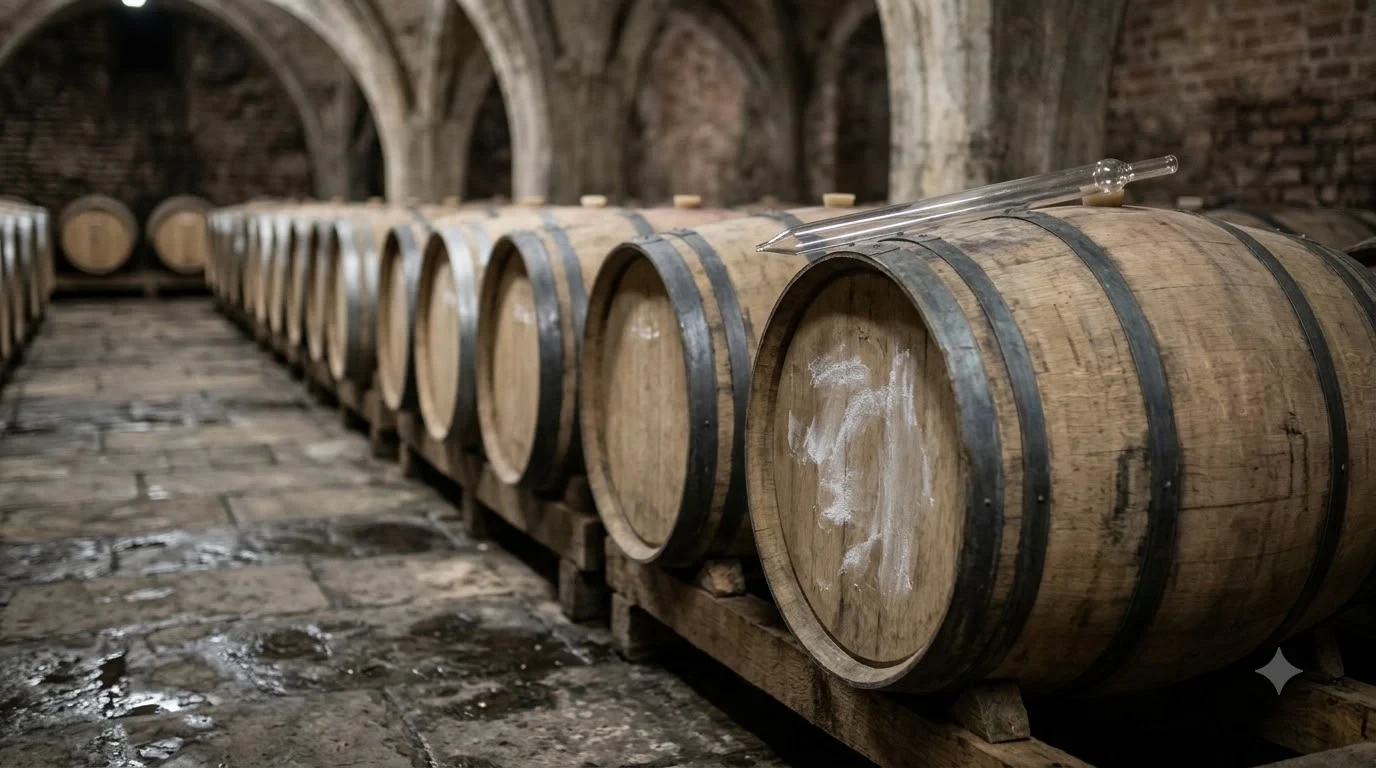
Conventional sauvignon blanc tannins are virtually undetectable because winemakers press the grapes immediately and ferment the clear juice without skins, seeds, or stems. However, trace phenolic compounds still exist in every white wine, and specific cellar choices—such as oak barrel aging or extended skin-contact maceration—can introduce noticeable grip and astringency. For most drinkers, the mouth-watering sensation in a classic glass comes from brisk acidity rather than tannic structure.
Because astringency is usually associated with bold red wines, noticing a dry, textured finish in a white bottle often sparks curiosity. Understanding how grape polyphenols, oak vessels, and fermentation methods shape mouthfeel helps clarify what is actually happening on your palate when you sip different styles of Sauvignon Blanc.
What Sauvignon Blanc Tannins Actually Are
Tannins are naturally occurring bitter and astringent polyphenols found in grape skins, seeds, stems, and wooden barrels, and standard Sauvignon Blanc contains only trace amounts of them. Because the juice is separated from solids right after harvest, conventional bottles rely on sharp acidity rather than tannin for their structure.
Chemically, tannins belong to a broader group of plant compounds that bind to proteins in your saliva. When that binding happens, your tongue loses lubrication, creating the dry, puckering sensation familiar to anyone who has steeped a black tea bag too long or eaten an unripe persimmon. According to Wine Folly’s guide to wine tannins, these molecules fall into two primary categories in the cellar: condensed tannins extracted from grape solids and hydrolyzable tannins absorbed from wood barrels.
In standard white winemaking, crushed Sauvignon Blanc berries go straight to the press so the clear juice avoids prolonged contact with bitter skins and pips. Even with rapid pressing, tiny amounts of grape phenolics dissolve into the must, meaning white wine is never completely free of tannic compounds. Still, the concentration remains far below the threshold most tasters register as astringency, leaving citrusy tartness and herbal aromatics in the driver’s seat.
Mistaking high acidity for tannin is one of the most common palate mix-ups in wine tasting. Sharp malic and tartaric acids make your salivary glands water along the sides of your tongue, whereas true tannins leave a chalky, cotton-mouth grip across your gums and the center of your palate. Recognizing the difference between zesty saliva production and textural dryness makes it much easier to pinpoint how a particular bottle was made.
How Winemaking Changes Flavor and Styles
While stainless-steel Sauvignon Blanc feels sleek and virtually tannin-free, barrel aging and skin maceration transform the grape into richer, noticeably grippier styles. Adjusting vessel choice and skin contact time allows winemakers to dial up texture, savory spice, and phenolic structure.
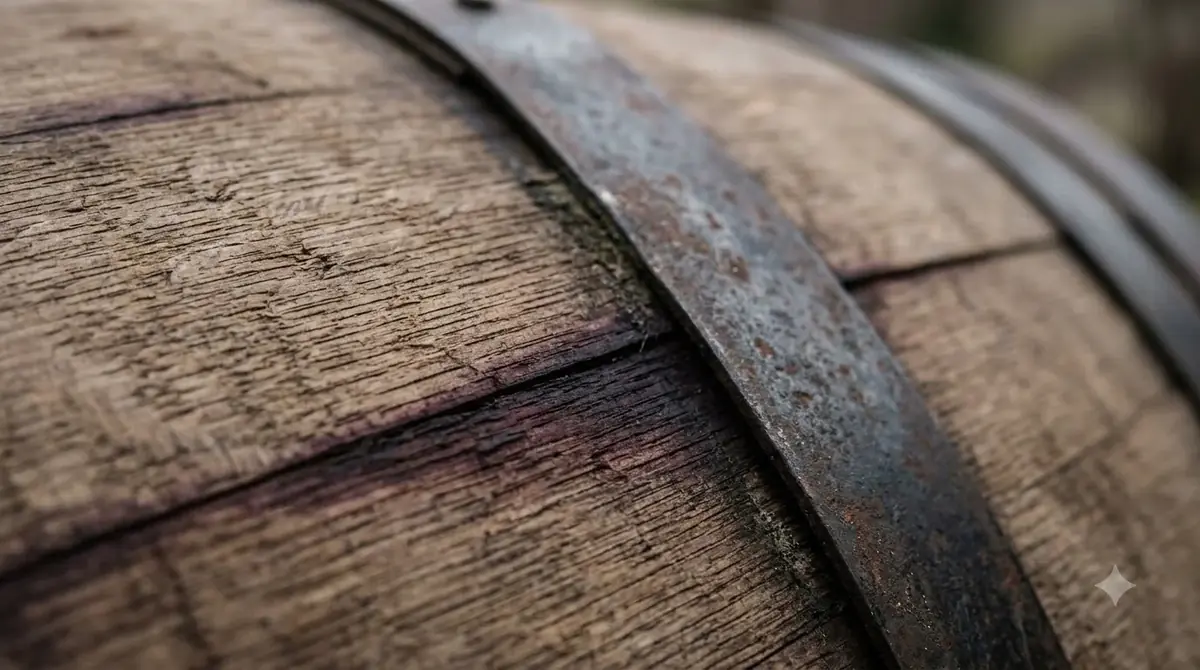
The clearest example of oak-driven structure appears in white Bordeaux—particularly in Pessac-Léognan—and in barrel-fermented California bottles often labeled Fumé Blanc. As the wine rests in French oak barrels, wood-derived ellagitannins slowly integrate with the fruit, softening sharp edges while adding subtle toasted nut, beeswax, and vanilla nuances. Winemakers frequently blend Sauvignon Blanc with Sémillon in these regions to build a broader mid-palate that carries the gentle wood grip without feeling hollow.
A much bolder shift occurs when producers ferment Sauvignon Blanc on its grape skins like a red wine, creating amber-hued or “orange” expressions. As Wine Enthusiast notes on skin-contact wines, leaving the juice on the skins—even for a brief overnight soak or up to two weeks—extracts pronounced condensed tannins alongside dried apricot, citrus pith, and earthy, chalky flavors. The resulting glass trades delicate grassiness for sandy texture and firm structural grip.
Lees aging adds another layer of mouthfeel that can feel structured without introducing true astringency. When dead yeast cells remain in the tank or barrel after fermentation, gentle stirring releases mannoproteins that coat the palate in a creamy, weighty texture. Together, stainless steel, oak barrels, lees contact, and skin maceration give Sauvignon Blanc one of the widest textural spectrums among major wine types.
| Sauvignon Blanc Style | Primary Vessel & Contact | Perceived Tannin Level | Dominant Mouthfeel & Notes |
|---|---|---|---|
| Classic Unoaked (e.g., Marlborough, Sancerre) | Stainless steel, immediate press | Negligible | Razor-sharp acidity, light body, grapefruit, gooseberry, fresh herbs |
| Oak-Aged / Fumé Blanc (e.g., White Bordeaux, Napa) | French oak barrels, often lees-aged | Low to gentle | Creamy weight, subtle wood grip, Meyer lemon, beeswax, toasted almond |
| Skin-Contact / Orange Sauvignon Blanc | Extended maceration on grape skins | Moderate to firm | Chalky, sandy astringency, amber color, orange marmalade, dried stone fruit |
Where Different Textural Styles Grow
Climate and regional cellar traditions strongly influence whether a Sauvignon Blanc leans toward crisp, pure acidity or layered, barrel-influenced structure. Cool growing regions preserve racy tartness, while warmer zones and historic barrel-aging appellations produce riper fruit capable of supporting wood tannins.
France’s Loire Valley remains the benchmark for tense, mineral-driven Sauvignon Blanc in appellations like Sancerre and Pouilly-Fumé. Grown on limestone, chalk, and flint soils, these wines are almost exclusively fermented in inert tanks or large neutral vats so nothing masks their stony precision. Down in Bordeaux, however, growers blend Sauvignon Blanc with Sémillon and rely on small oak barrels to create structured, age-worthy whites capable of developing honeyed complexity over five to ten years.
In the Southern Hemisphere, Marlborough in New Zealand defined the ultra-crisp, stainless-steel benchmark with intense aromas of passion fruit, bell pepper, and freshly cut grass. Cool nights and bright daytime sunshine lock in soaring natural acidity, and winemakers avoid skin or oak tannins to keep the aromatics explosive. Cool coastal pockets of Chile’s Casablanca Valley and South Africa’s Elgin follow a similar steel-fermented playbook.
California and parts of Australia bridge the gap between zesty freshness and structured richness. In Napa Valley and Sonoma’s Russian River Valley, warmer sunshine yields ripe melon, fig, and stone-fruit flavors that stand up gracefully to partial barrel fermentation. California has also become a hub for experimental winemakers producing brief-maceration and two-week skin-contact Sauvignon Blancs for drinkers who want genuine tannic grip in a white glass.
How to Serve Structured and Crisp Styles
Serving temperature and glassware directly affect how both acidity and trace tannins register on your tongue. Chilling a wine too cold amplifies bitterness and astringency, while letting a richer bottle warm up slightly reveals its creamy texture and aromatics.
For classic, unoaked Sauvignon Blanc from New Zealand or the Loire Valley, aim for a refrigerator chill around 45°F to 50°F. At this cool temperature, brisk acidity feels refreshing rather than sharp, and vibrant citrus and herbal aromas jump out of the glass. If you are pouring an oak-aged white Bordeaux, Fumé Blanc, or skin-contact Sauvignon Blanc, let the bottle warm slightly to 50°F to 55°F so the cold does not make the wood or skin tannins taste harsh and metallic.
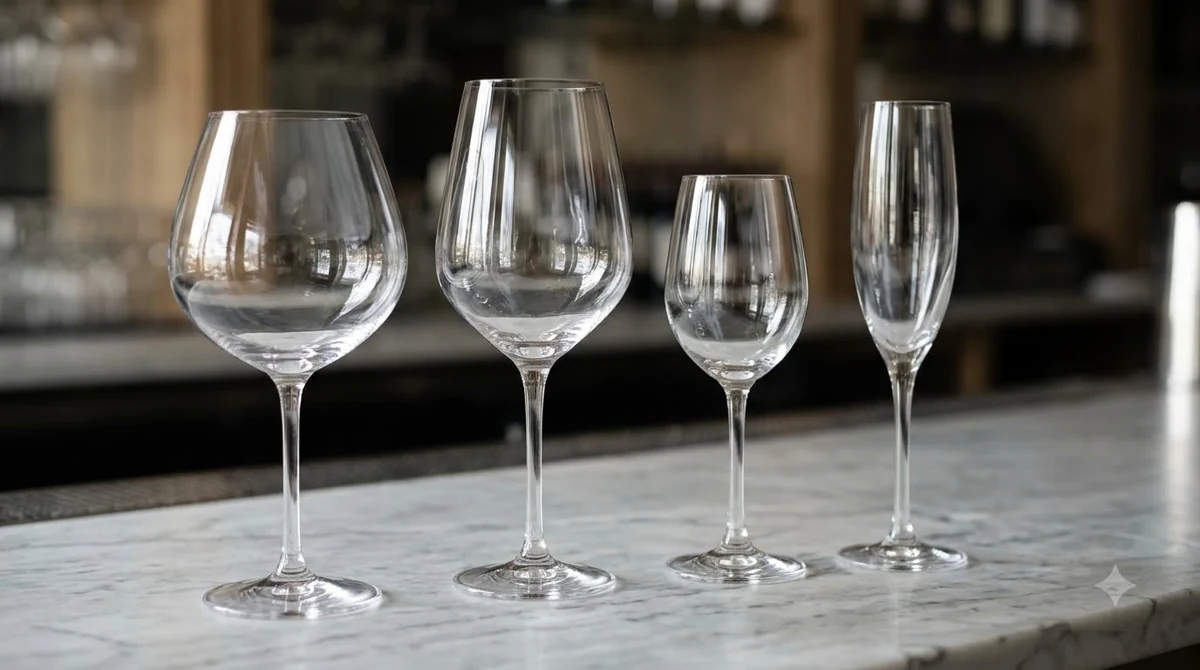
Glassware choice also plays a practical role in managing texture. Standard white wine glasses feature a medium bowl and a long stem that keeps your warm hand away from the chilled liquid while concentrating fresh aromatics. If you open an extended skin-contact Sauvignon Blanc with noticeable grip, a slightly wider bowl allows oxygen to soften the phenolic edges and highlight savory fruit notes. You can check our complete guide on how to serve Sauvignon Blanc for exact chilling times and stemware tips.
Decanting is unnecessary for standard, youthful Sauvignon Blanc because prolonged exposure to air quickly dulls its delicate green and tropical aromatics. Skin-contact expressions fermented on their skins for several days are the rare exception; giving an amber bottle 20 to 30 minutes in a chilled carafe helps settle grippy tannins before pouring.
Tip: If a barrel-aged or skin-contact Sauvignon Blanc tastes overly astringent straight out of the fridge, let your glass sit on the table for ten minutes—a few degrees of warmth immediately rounds out phenolic grip.
Food Pairing by Texture and Grip
Matching food to Sauvignon Blanc depends on whether your bottle is driven by electric acidity or gentle phenolic grip. Crisp, unoaked styles cut through rich, tangy dishes, while barrel-aged and skin-contact versions behave more like light reds at the table.
Classic stainless-steel Sauvignon Blanc excels alongside bright, herbaceous, and acidic foods that overwhelm heavier wines. Fresh goat cheese, oysters, ceviche, asparagus, and green salads dressed in lemon vinaigrette mirror the wine’s zesty snap without clashing. Because there are no bitter tannins to collide with spicy heat or delicate seafood oils, crisp bottles also shine next to Thai and Vietnamese dishes loaded with cilantro, lime, and lemongrass.
When oak aging or skin contact introduces subtle tannins, the wine gains the structural backbone needed for richer proteins and roasted flavors. Wood-aged white Bordeaux and California Fumé Blanc pair effortlessly with roast chicken, seared scallops, grilled pork chops, and creamy mushroom sauces, where the gentle grip cleanses fat from the palate. Extended skin-contact bottles go even further, standing up to aged hard cheeses, spiced lamb, roasted root vegetables, and charcuterie boards that would flatten a delicate stainless-steel white.
How to Choose the Right Bottle
Reading the front and back labels gives reliable clues about whether a Sauvignon Blanc will taste razor-sharp or softly textured. Region names, barrel mentions, and visual cues inside the bottle tell you almost everything before you pull the cork.
Look first at the appellation and winemaking notes on the back label. Bottles from Marlborough, Sancerre, Pouilly-Fumé, or coastal Chile that mention stainless-steel fermentation will deliver pure, unoaked acidity with zero perceptible tannin. If you want gentle wood structure and a rounder body, scan for terms like Fumé Blanc, Pessac-Léognan, Graves, “barrel-fermented,” or “sur lie” (aged on lees).
To find genuine grape tannins in Sauvignon Blanc, look for phrases like “skin-contact,” “skin-fermented,” “macerated on skins,” or “amber wine,” and inspect the liquid through clear glass if possible. A deeper golden, copper, or hazy amber hue signals extended contact with grape skins and seeds, promising a drier, more grippy finish. Because aromatic freshness fades over time in unoaked styles, you can also review how long Sauvignon Blanc lasts unopened so you pick a recent vintage when shopping for crisp bottles.
Frequently Asked Questions
Does Sauvignon Blanc have tannins like red wine?
No, standard Sauvignon Blanc has virtually no perceptible tannins compared to red wine. Because winemakers press the white grapes right after harvest and ferment only the clear juice, the wine avoids prolonged contact with tannin-rich skins, seeds, and stems. Only oak-aged or extended skin-contact versions develop noticeable grip.
Why does Sauvignon Blanc sometimes make my mouth feel dry?
In a classic bottle, that dry sensation comes from low residual sugar and high natural acidity rather than tannins. Sharp acids stimulate saliva along the sides of your tongue while stripping away any perception of sweetness, leaving a clean, brisk finish. True tannic dryness only appears in bottles aged in new oak or fermented on grape skins.
Do wine tannins trigger headaches or allergies?
People often blame tannins for discomfort after drinking wine, though sensitivity varies widely from person to person and compounds like histamines, tyramine, and alcohol also play a role. Because standard white wines contain negligible tannins, they are generally much lower in grape polyphenols than red wines. If you have specific dietary sensitivities, you may also want to check whether Sauvignon Blanc is gluten-free before pouring.
What is the difference between Fumé Blanc and regular Sauvignon Blanc?
Fumé Blanc is made from the exact same Sauvignon Blanc grape, using a name popularized in California to highlight dry, often oak-aged styles. While regular Sauvignon Blanc is typically fermented in stainless steel for maximum crispness, Fumé Blanc frequently spends time in French oak barrels, giving it a creamier body and subtle wood tannins.
Whether you prefer the electric snap of a stainless-steel Marlborough bottle or the savory, textured grip of a skin-contact or barrel-aged expression, knowing where tannins come from takes the guesswork out of shopping. Pay attention to fermentation vessels and regional styles on the label, and you can match the exact mouthfeel of your Sauvignon Blanc to any meal or mood.
More in Wine Types & Grapes
 What Does Mourvèdre Taste Like? Flavor Profile, Regions, and PairingsUpdated Nov 20, 2026
 What Does Marsanne Taste Like? Flavors, Styles, and Food PairingsUpdated Nov 20, 2026
 What Does Malvasia Taste Like? Styles, Flavors, and Food PairingsUpdated Nov 20, 2026
 What Does Grenache Blanc Taste Like? Flavor Profile, Styles, and PairingsUpdated Nov 20, 2026
 What Does Garnacha Taste Like? Key Flavors, Styles, and Pairing TipsUpdated Nov 20, 2026
 What Does Fruit Wine Taste Like? A Complete Flavor and Style BreakdownUpdated Nov 20, 2026