

We may earn a commission when you buy through links on this page, at no extra cost to you. Learn more.
If you are asking how long does sauvignon blanc last unopened, the typical answer is one to two years from bottling. Some bottles hold up to three years, but producers in New Zealand and Australia generally advise drinking within two. Storage does most of the work from there, and a cool, dark, steady spot near 55°F gives the wine its best chance to stay close to how it tasted when it left the winery.
Sauvignon blanc is bright, zesty, and built to be enjoyed young, which makes storage a common question for anyone who keeps a few bottles on hand for a last-minute dinner or a gift. The honest answer depends on the producer, the vintage, and how the bottle has been kept since it left the winery. This guide covers the typical windows, why this grape fades faster than many reds and oaked whites, how storage changes the clock, and how to recognize a bottle that has passed its best.
What Is the Typical Shelf Life of Unopened Sauvignon Blanc?
Most bottles are at their best within one to two years of bottling, and a smaller group holds up to three. The date on the label is a useful starting point, but the storage history matters just as much as the number printed on the back.
According to Tasting Table’s shelf-life overview, most sauvignon blancs are best consumed within one to three years of bottling. The same overview warns that some bottles can start to go bad after just one year, which is why a plan to cellar this style for five years or more is usually a poor bet. The grape’s high acidity helps protect it, since acid and sugar levels tend to ward off bacteria, but white wines still have a shorter shelf life than reds.
An Australian producer’s guide puts the unopened window at 18 months to two years when the bottle is kept under the right conditions. Villa Maria, a New Zealand producer, takes a similar line in its Marlborough guide, saying a bottle can be stored for a year but ideally no longer than two. For a red with a longer timeline, check out how long does cabernet sauvignon last unopened, since that style is built to develop over many years.
Why the Label Date Is Only a Starting Point
Check the production or bottling date when you can, and remember that a bottle sitting on a retail shelf has already used part of its window before it reaches your kitchen. Tasting Table makes the same point when it notes that production dates matter on any bottle you buy, because sauvignon blanc does not last forever. If you plan to hold a bottle for a few months, buy the freshest vintage you can find and move it to proper storage right away. That simple habit gives the wine the most time at its best.
| Situation | Typical window | What to know |
|---|---|---|
| Unopened, typical bottle | 1 to 2 years from bottling | The most common guidance across producers |
| Unopened, longest-lived bottles | Up to 3 years | Upper end of the range; Villa Maria advises no longer than 2 years |
| Opened, sealed and refrigerated | 3 to 5 days | Villa Maria advises finishing within 5 days |
| Unopened storage temperature | About 55°F (13°C) | Cool, dark, steady, with the bottle on its side |
| Oaked chardonnay (comparison) | Up to 5 years from bottling | A longer-lived white for comparison |
| Cabernet Sauvignon (comparison) | Over 10 years | A red built for long aging |
Why Sauvignon Blanc Fades Sooner Than Reds and Oaked Whites
Sauvignon blanc is built around freshness rather than structure, so its appeal fades faster than wines designed to develop. Red wines carry tannin, and oaked whites carry the richness that comes from time in barrel, and both give those wines more room to change over the years.
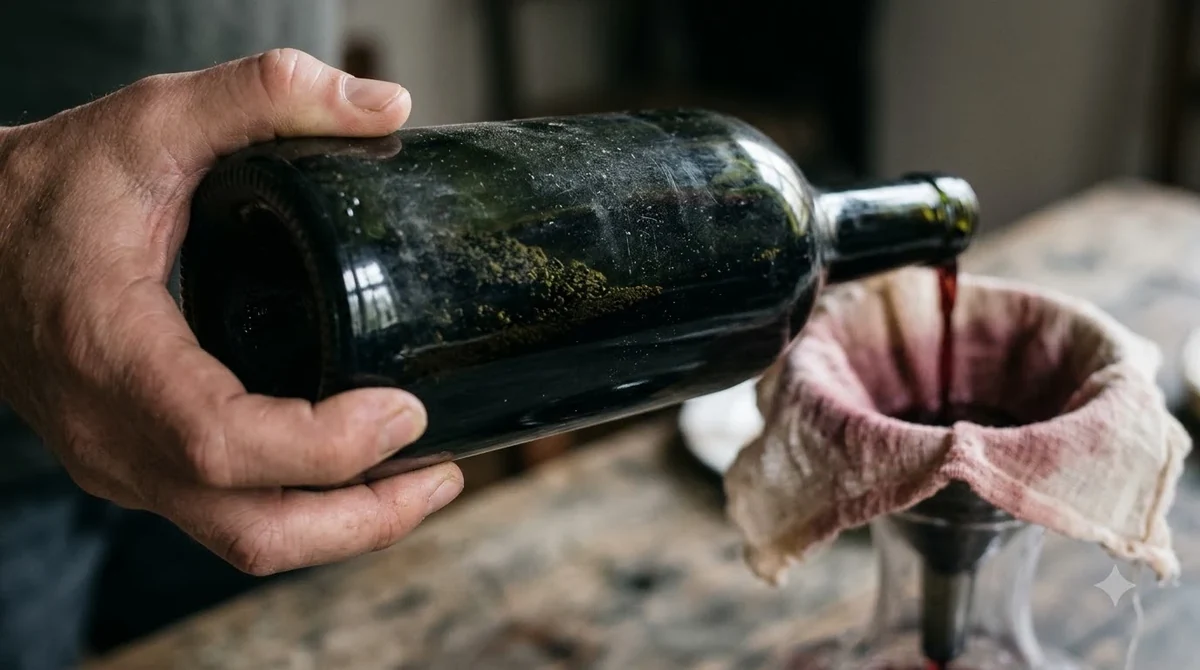
The contrast is easy to see in the numbers. Tasting Table notes that oaked chardonnays are good white options, lasting up to five years after bottling, while Cabernet Sauvignon can age for over 10 years. Sauvignon blanc sits near the short end of that range because its character depends on bright aromatics rather than weight and oak.
Villa Maria says even outstanding examples can lose their fresh aromas within a couple of years of the vintage, and that the wine can begin to develop vegetal notes. Those notes can surprise drinkers who expect the zesty, tropical style printed on the label. Acidity keeps the wine stable for a while, but it cannot preserve the aromas that make sauvignon blanc recognizable in the first place. That is why the window is short even for a well-made bottle.
How Storage Conditions Change the Clock
Heat, light, movement, and temperature swings shorten the window more than almost anything else a buyer controls. A bottle kept in a steady, cool spot can stay close to the upper end of its range, while a warm closet or a sunny windowsill can cut that window sharply.
Villa Maria advises storing bottles in a cool, dark place with a steady temperature, away from direct heat or sunlight. Nepenthe adds that bottles should be kept away from excessive vibration as well, which is an easy point to overlook in a kitchen cabinet next to an appliance or on a shelf above a washing machine. Heat and movement work together, so the best spot is usually the quietest and coolest corner you have.
Position matters too. Tasting Table points out that bottles stored upright let the cork dry out, which can let oxygen in and spoil the flavors. Any temperature change can have a similar effect, so a bottle left in a garage through a hot summer may age much faster than one kept in a steady closet. Very dry air can shrink a cork, while damp spaces can encourage mold on labels and cartons. If your wine arrives in a bag inside a box rather than a glass bottle, the clock runs on a different schedule, and the details are covered in how long does boxed wine last unopened.
The Best Temperature and Bottle Position at Home
Aim for about 55°F, which is roughly 13°C, and keep the bottle lying on its side. A closet, a cabinet on an interior wall, or a dedicated wine fridge set near that temperature will do the job better than a counter, a sunny window, or a shelf above the stove.
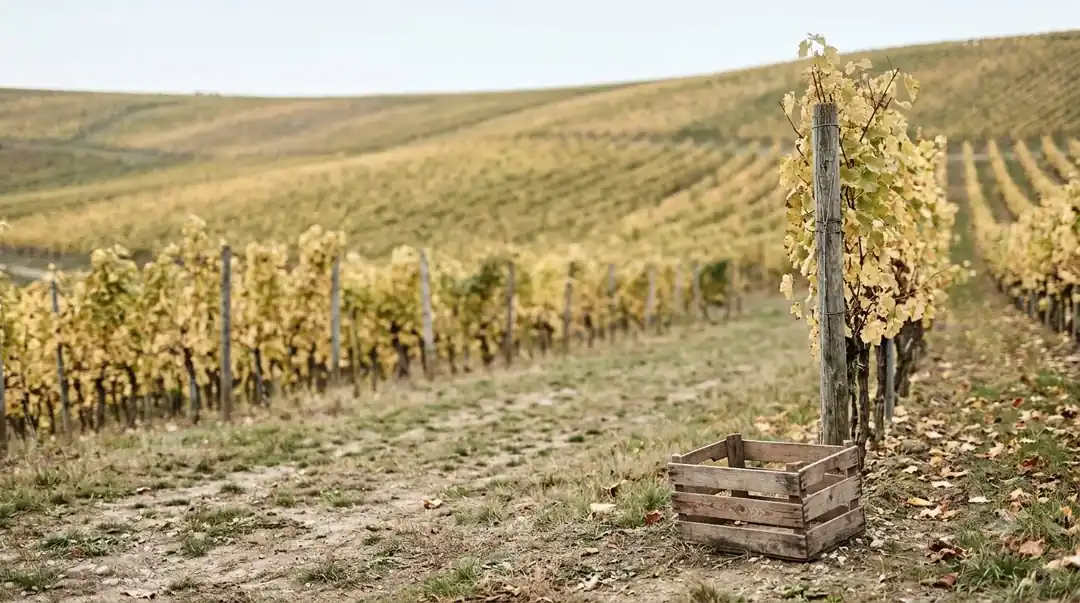
Tasting Table recommends storing unopened bottles on their side in a cool, dark place with very little humidity, and it names about 55 degrees Fahrenheit as the ideal target. Lying the bottle down keeps the cork in contact with the wine, which helps it stay moist and sealed. Consistency matters more than precision, so a spot that stays steady at a slightly warmer or cooler temperature is far better than one that swings from cold nights to warm afternoons.
Villa Maria’s Marlborough guide offers the same core advice, calling for a steady temperature away from direct heat or sunlight. A kitchen is often the warmest room in the house, so a bottle near the oven or dishwasher is working against you. Place a cheap thermometer on the shelf for a week, and you will quickly learn whether your storage spot is steady enough to hold a bottle for a year or more.
Tip: If you buy several bottles at once, store the newest vintage in the coolest spot and drink the oldest first. Rotating stock this way keeps each bottle inside its window instead of letting one forgotten bottle drift past its best.
Signs an Unopened Bottle Has Gone Past Its Best
A bottle that has passed its prime rarely looks dramatic, so the warning signs tend to show up in the cork, the smell, and the color before they show up in the glass. Check all three before you open a bottle you have been saving for months.
Tasting Table lists several red flags. A cork that bulges out of the bottle is a good sign of oxidation, as is a musty smell. A sharp, nail-polish-remover scent suggests the wine should be avoided, and a cloudy texture is another warning. Color that has dulled, or a flavor that is flat or sour, can also mean the wine has moved past its best.
Villa Maria advises that an off odor, flavor, or appearance means the wine should be discarded, or repurposed in cooking. A dish such as roast chicken or pan-fried snapper can give an older bottle a second life, though the wine will not taste the way it did in its prime. Discarding a bottle is not a failure, since it simply means the freshness that makes sauvignon blanc worth buying has gone. For a broader look at how other whites hold up over time, browse the Wine by Type section.
How Long an Opened Bottle Stays Fresh in the Fridge
Once opened, sauvignon blanc has a short life, and most guidance lands at three to five days in the refrigerator. The bottle must be sealed tightly, because oxygen is what drives the flavors flat.
Tasting Table says that without a tight seal and refrigeration, the punchy, refreshing flavors will start to flatten as the wine oxidizes. Villa Maria’s guide takes a firmer line, advising drinkers to finish the bottle within five days, since oxygen and bacteria can alter its color, aromas, and flavors. The most generous estimate comes from an Australian producer’s guide, which puts the window at five to seven days, but the shorter window is the better plan if you want the wine to taste bright.
A few habits make a real difference. Re-cork the bottle right after pouring, return it to the refrigerator between glasses, and avoid leaving it on the counter during a long dinner. A bottle with only a glass or two left will oxidize faster than a full one, so consider moving the remainder into a smaller container with less air above the wine. Done consistently, these steps keep an open bottle tasting fresh for longer.
Frequently Asked Questions
Does New Zealand sauvignon blanc last longer than other styles?
Not in general. Villa Maria’s guide says Marlborough wines are usually best consumed young to keep their freshness, and the region accounts for 75 percent of New Zealand’s sauvignon blanc. Cool nights and free-draining soils help build the crisp acidity the style is known for, but acidity alone does not stop the aromas from fading.
Can I keep an unopened bottle in the kitchen fridge?
A standard refrigerator runs much colder than the roughly 55°F that suits a bottle for long-term keeping, so it is better for chilling a bottle before serving than for storing one for months. If you only have the fridge, use it briefly to chill a bottle you plan to open soon, then keep the rest somewhere steadier. Avoid the door shelf, where temperatures swing the most each time the door opens.
What does fresh sauvignon blanc smell like?
Nepenthe says its aromatic compounds, called pyrazines, create herbaceous notes such as jalapeño, green grass, and capsicum. Those flavors sit beneath brighter layers of passionfruit, guava, lime, and peach. When the wine is young, those layers are what make it feel so lively in the glass.
What temperature should I serve sauvignon blanc at?
Villa Maria recommends serving its Marlborough sauvignon blanc at 8°C, which is 46°F. If the bottle has been sitting at room temperature, allow about an hour in the refrigerator to reach that point. Serving it too cold can mute the aromas and make the wine taste simpler than it is.
What foods go well with sauvignon blanc?
Villa Maria says its Marlborough style suits sautéed scallops and seared snapper, especially with citrus or garlic sauces. Nepenthe pairs the wine with crab, lobster, oysters, and goat’s cheese. Summer salads with arugula, goat cheese, and melon also work well, since the wine’s zing cuts through rich, creamy flavors.
Most bottles of sauvignon blanc are meant to be enjoyed within a couple of years, so buy with a plan and keep the bottles cool, dark, and steady. Check the cork and the smell before serving, and open the wine while it still tastes bright. A fresh, zesty bottle is the one worth pouring.
More in Wine Types & Grapes
 Zinfandel Sugar Content: Dry Red vs. White Zinfandel GramsUpdated Nov 21, 2026
 Best Zinfandel Substitute Options for Sipping and CookingUpdated Nov 21, 2026
 Zweigelt Food Pairing: Best Dishes, Cheeses, and Serving TipsUpdated Nov 21, 2026
 Zinfandel Tannins Explained: How Structure Shapes Every BottleUpdated Nov 21, 2026
 Zinfandel Sweetness Level: Dry Red vs. Sweet White Zin ExplainedUpdated Nov 21, 2026
 Xinomavro Food Pairing: Best Dishes, Styles, and Serving TipsUpdated Nov 21, 2026