

We may earn a commission when you buy through links on this page, at no extra cost to you. Learn more.
Is Mateus rose good? Yes, Mateus Rosé is a good choice if you enjoy approachable, fruity, lightly sweet rosé with refreshing acidity and a gentle spritz. This Portuguese wine is particularly appealing for casual drinking, summer meals and relaxed gatherings. However, drinkers who prefer bone-dry rosé, pronounced minerality or complex wine aromas may find its accessible style too simple.
Mateus has a recognizable pink bottle and an established reputation, but packaging alone does not determine whether a wine deserves a place at your table. Its appeal comes from a combination of fresh fruit character, moderate alcohol, a little sweetness and a soft, slightly fizzy finish. Understanding its flavor, sweetness, serving temperature and food compatibility makes it easier to decide whether the wine suits your preferences.
Who Should Buy Mateus Rosé?
Mateus Rosé is best suited to people who enjoy fresh, uncomplicated wines rather than intensely structured or highly dry bottles. Its approachable character makes it a practical choice for informal occasions, especially when several guests have different levels of wine experience.
New wine drinkers may appreciate the balance between fruit, sweetness and acidity. Rather than presenting an austere, sharply dry profile, Mateus offers a softer introduction to rosé. The gentle carbonation sensation also makes it refreshing without requiring the full bubbles of a traditional sparkling wine.
It is also suitable for hosts looking for a flexible bottle to serve with appetizers, seafood, grilled chicken and salads. According to the producer, Mateus Rosé Original works with several Mediterranean and Asian food styles, including Italian, Chinese, Japanese, Vietnamese and Thai cuisine. That flexibility is useful when preparing a mixed menu rather than one carefully matched dish.
Who may enjoy it most?
- New wine drinkers: The fruity profile and approachable sweetness make it less intimidating than highly dry or tannic wines.
- Casual wine drinkers: Its refreshing character works for uncomplicated lunches, picnics and social gatherings.
- Rosé enthusiasts: Drinkers who appreciate fruit-forward Portuguese rosé may enjoy its familiar style.
- Party hosts: Its versatility makes it suitable for serving alongside different appetizers and light meals.
- Sweet-leaning wine drinkers: People who find very dry Provence-style rosé too sharp may prefer Mateus’s softer impression.
On the other hand, someone seeking a serious bottle for extended cellar aging, a highly mineral finish or detailed vineyard expression should consider a different category. Mateus is designed around freshness and consistency, not the complexity of a premium single-vineyard rosé. For a wider introduction to producers and styles, the Wine Brands collection provides useful context for comparing bottles.
Key Factors to Compare Before Buying
The most useful way to evaluate Mateus Rosé is to examine its sweetness, acidity, alcohol level, grape varieties and carbonation. These characteristics explain both its broad appeal and the situations in which another rosé might be more suitable.
| Characteristic | Mateus Rosé Original | What It Means |
|---|---|---|
| Country | Portugal | Portuguese rosé style |
| Bottle size | 750 ml | Approximately 5 standard 5 oz pours |
| Alcohol | 11% ABV | Moderate-strength wine |
| Residual sugar | 15 g/L | Noticeable but balanced sweetness |
| CO2 | 2.8 g/L | Gentle spritz sensation |
| pH | 3.2–3.3 | Fresh, relatively high-acid profile |
| Grape varieties | Baga, Rufete, Tinta Barroca, Touriga Franca | Portuguese red-grape blend |
| Serving temperature | 6–8°C (43–46°F) | Serve thoroughly chilled |
| Wine category | Still rosé | Not a traditional sparkling wine |
The technical figures above come from the producer’s information for Mateus Rosé Original. The SAQ retailer listing reports 16 g/L of sugar rather than 15 g/L, a small difference that may reflect product information or rounding. Both descriptions support the same practical conclusion: this is a fruit-forward rosé with some perceptible sweetness rather than a bone-dry wine.
Sweetness and acidity
Sweetness is one of the biggest factors in determining whether Mateus will suit your palate. Its 15 g/L sugar figure gives it a noticeably softer impression than many very dry rosés. Fresh acidity helps balance that sweetness, preventing the wine from tasting as heavy as a substantially sweeter wine.
People who regularly drink Brut sparkling wine or very dry Sauvignon Blanc may find Mateus sweeter than expected. Those who enjoy fruity white wines, off-dry Riesling or approachable rosé are more likely to appreciate its style.
Alcohol and carbonation
At 11% ABV, Mateus Rosé Original sits within a moderate alcohol range for still wine. The listed CO2 level of 2.8 g/L explains its slightly fizzy sensation, although that does not make it equivalent to Champagne, Cava or fully sparkling Prosecco.
These distinctions matter because the wine is intended to be refreshing and easy to serve rather than rich, powerful or heavily textured. You can explore the specific figures and serving implications in our Mateus rose alcohol content article.
Step-by-Step: How to Choose and Serve Mateus Rosé
Choosing the right bottle and serving it correctly can make a meaningful difference to the experience. Follow these five steps to match Mateus with your occasion, food and preferred level of sweetness.
-
Identify the style you want.
Start by deciding whether you enjoy fruit-forward rosé with some sweetness. Mateus Rosé Original is a better match for that preference than for someone seeking an extremely dry wine with a pronounced mineral finish.
-
Choose the appropriate Mateus expression.
The Original is the familiar lightly sweet, slightly fizzy style. The brand also offers other expressions, including Dry Rosé and sparkling rosé. These should not be treated as interchangeable because sweetness, grape composition and production methods can differ.
-
Chill the bottle properly.
For Mateus Rosé Original, the producer recommends 6–8°C, approximately 43–46°F. Refrigerate the bottle before serving rather than relying on ice cubes in the glass, which dilute the wine.
-
Choose an appropriate glass.
A flute emphasizes the slight effervescence, while a tulip-shaped wine glass gives the aromas more room to develop. Either option works for a casual dinner or appetizer service.
-
Serve moderate pours with suitable food.
A standard 750 ml bottle provides approximately five 5 oz glasses. Begin with chilled seafood, salads or light appetizers, then continue with grilled chicken, pasta or other dishes that complement the wine’s acidity and fruit character.
For a gathering, it is useful to chill the bottle ahead of time and keep it in an ice bucket between pours. This helps maintain its refreshing character throughout the meal without making the serving process complicated.
Tip: Do not serve Mateus Rosé warm. Its recommended 6–8°C serving range helps preserve its fresh fruit aromas, acidity and gentle spritz. If the bottle becomes too cold, allow it to warm slightly in the glass before evaluating its aromas.
Types and Styles Explained
Mateus is a wine brand rather than a single unchanging wine recipe. Its range includes different sweetness levels and sparkling expressions, so understanding the distinctions helps prevent disappointment when choosing a bottle.
Mateus Rosé Original
The Original is the recognizable expression associated with the brand’s classic pink bottle. Its blend combines Baga, Rufete, Tinta Barroca and Touriga Franca, four grape varieties identified in the producer’s technical information.
Winemaking follows techniques traditionally associated with white wine production. Fermentation takes place without grape skins in stainless-steel vats at a controlled temperature of 16°C. This approach produces a fresh, approachable rosé rather than a deeply colored, heavily extracted wine.
The finished wine has a bright pink appearance, fruity aromas and a balanced palate. Its slightly fizzy finish provides a refreshing sensation, although the producer classifies the Original as still wine. The producer’s Mateus Rosé Original technical information provides the grape composition, fermentation details, serving temperature and food-pairing recommendations behind this description.
Mateus Dry Rosé
Dry Rosé is an alternative for drinkers who prefer a less sweet impression. The official US brand history identifies Baga and Shiraz as its grape varieties and describes the style as drier and paler than the traditional expression.
This makes it a more logical option for someone who enjoys rosé but does not want the sweeter character associated with Mateus Original. It can also suit meals where a cleaner, drier finish is preferred.
Mateus Medium Sweet Rosé
The producer’s separate Medium Sweet Rosé technical information describes a salmon-pink wine with floral aromas, red-fruit notes and refreshing acidity. Its listed sugar content is 30 g/L, making it noticeably sweeter than the Original’s 15 g/L specification.
This expression is more appropriate for people who actively enjoy sweetness in their wine. It can also be considered for lighter meals, fish and grilled white meat, which are among the producer’s suggested pairings.
Mateus Sparkling Brut Rosé
The Sparkling Brut Rosé is a separate sparkling wine, not simply the Original with additional carbonation. Its technical information lists Baga and Shiraz and describes a second fermentation in tanks at 16°C.
The producer specifies 11.5% ABV and 12 g/L sugar for this expression. Its Brut designation indicates a drier sparkling style than the Medium Sweet Rosé, and its full sparkling character makes it more appropriate for celebrations where lively bubbles are expected.
Understanding these differences is important because the name Mateus alone does not tell you exactly how sweet or sparkling a particular bottle will be. The Mateus rose brand overview offers additional information about the range and its recognizable expressions.
Common Mistakes When Buying and Drinking Mateus Rosé
Most disappointments with Mateus come from expecting a different wine style rather than from the wine itself. A few simple checks can prevent common mismatches between personal taste, food and serving conditions.
Expecting a bone-dry rosé
Mateus Original is not the ideal choice for someone who wants a completely dry wine. Its 15 g/L sugar specification creates a perceptible softness, even though acidity provides balance. If you usually choose very dry rosé from Provence, this difference may be immediately noticeable.
Instead, consider whether you actually enjoy a hint of sweetness. If your preferred wines include fruit-forward white blends or off-dry Riesling, Mateus may fit comfortably into your drinking preferences.
Confusing slightly fizzy with fully sparkling
The Original’s gentle spritz can create confusion. Its technical sheet classifies it as still wine, and the listed CO2 content is 2.8 g/L. This is not the same experience as opening a bottle of Champagne or traditional-method Cava.
Choose the dedicated Sparkling Brut Rosé if you want a wine with more pronounced bubbles. The distinction is especially important for celebrations where sparkling wine is expected.
Serving it too warm
Warm rosé can taste less refreshing, and its sweetness may become more noticeable. The producer’s recommended 6–8°C serving temperature is a useful starting point for the Original.
Do not leave the bottle sitting on a sunny outdoor table for extended periods. An ice bucket can help maintain a suitable temperature during a summer lunch or afternoon gathering.
Pairing it with overpowering food
Although Mateus is versatile, not every dish works equally well. Very spicy food can make the alcohol sensation more prominent, while extremely sweet desserts can make a moderately sweet wine taste comparatively sharp.
Another common mistake is pairing rosé with heavy, highly tannic red-meat preparations and expecting the same structure as Cabernet Sauvignon. Mateus is a light rosé, so delicate flavors and moderate seasoning generally provide a better match.
Assuming every Mateus expression tastes the same
Original, Dry, Medium Sweet and Sparkling Brut are different styles. Their sugar levels, grape varieties and production methods vary. Choosing based only on the brand name can result in a bottle that does not match your preferences.
Pay attention to the expression printed on the front label, particularly when buying for someone who has a strong preference for dry or sweet wine.
Care and Storage Tips
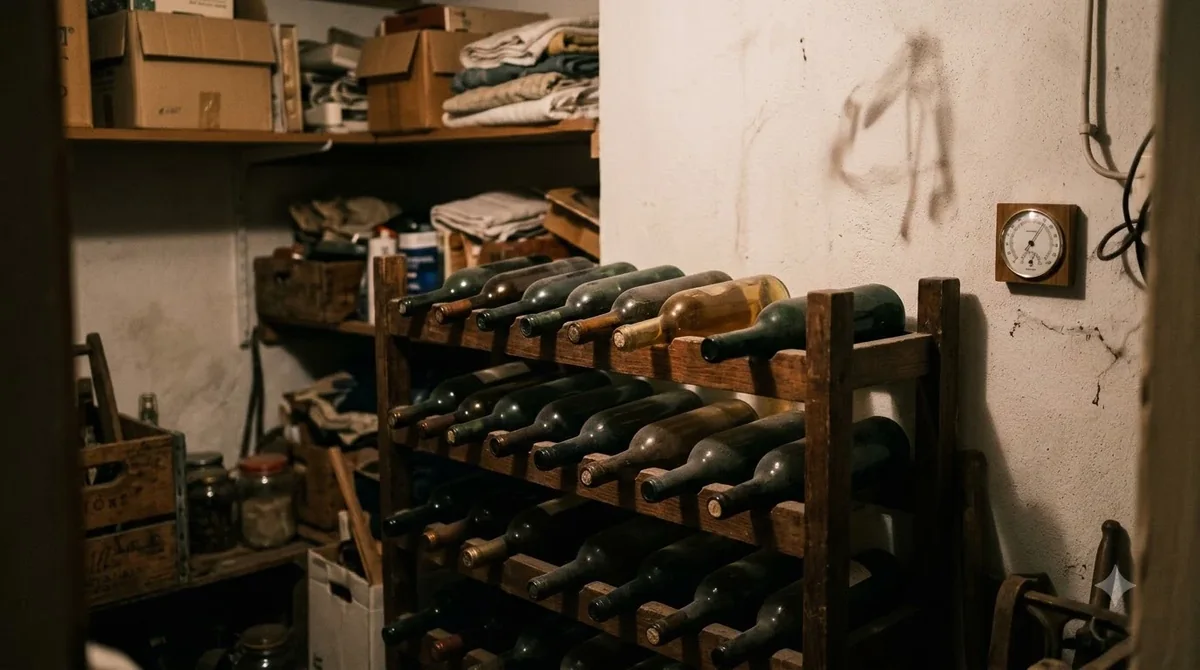
Mateus Rosé is intended to be enjoyed young, fresh and chilled rather than stored for many years. Proper storage protects its fruit character and helps preserve the refreshing qualities that make the wine appealing.
Before opening
Store an unopened bottle in a cool, dry place away from direct sunlight. The producer specifically recommends protection from light, which is particularly relevant for a wine sold in a distinctive transparent pink bottle.
For general wine storage, a consistent temperature near 55°F is a useful target. Avoid locations with large temperature fluctuations, such as kitchen cabinets directly above ovens or shelves beside sunny windows.
Unlike wines intended for extended bottle aging, Mateus Original does not require years of storage to develop its character. It is best approached as a fresh, ready-to-drink rosé.
After opening
Replace the closure and refrigerate any remaining wine promptly. A wine stopper can help reduce exposure to air, while keeping the bottle upright makes it easier to store in a refrigerator.
For still wines, approximately 3–5 days in the refrigerator is a useful general guideline, although freshness gradually declines after opening. Because Mateus Original has a slight spritz, its gentle carbonation may become less noticeable as the bottle sits open.
For the best experience, enjoy the remaining wine within the first couple of days. Avoid leaving an opened bottle uncovered at room temperature overnight, particularly in a warm environment.
Glassware and pouring
The producer recommends a flute or tulip-shaped red-wine glass. A flute emphasizes the wine’s slight effervescence, while a tulip glass gives the aromas more room to develop.
Pour approximately 5 oz at a time rather than filling the glass to the rim. Smaller pours leave enough room for the aromas to develop and make it easier to keep the wine chilled between servings.
For a dinner party, refrigerate several glasses in advance if you want to maintain a particularly cool serving temperature. Avoid adding ice directly to the wine because melting ice changes its sweetness, acidity and overall balance.
Frequently Asked Questions
Is Mateus Rosé considered a good-quality wine?
Mateus is best understood as an accessible, consistent everyday wine rather than a premium collectible bottle. Its appeal lies in its recognizable style, approachable flavor and versatility. Wine quality also depends on personal expectations, so someone seeking complexity may prefer a more structured rosé.
Is Mateus Rosé suitable for people who normally drink white wine?
Yes. Its fresh acidity, light body and fruity character can appeal to people who enjoy approachable white wines. Drinkers who prefer aromatic Pinot Grigio or fruit-forward white blends may find its general style familiar, although its pink color and red-fruit character give it a different personality.
Does Mateus Rosé contain sulfites?
Yes. The producer identifies sulfites in its allergen information for Mateus Rosé Original. People who need to avoid particular ingredients should review the bottle information and consult the producer when necessary rather than relying on the wine’s style or appearance.
Can Mateus Rosé be used to make wine cocktails?
Yes. Its fruit-forward character and gentle spritz make it suitable as a base for simple wine cocktails. It can be combined with fresh citrus, berries or a small quantity of sparkling water, although additional sweet ingredients may make the finished drink noticeably sweeter.
Is Mateus Rosé suitable as a gift?
Its distinctive curved bottle and recognizable label make it an easy-to-recognize gift for someone who enjoys approachable Portuguese wine. It is particularly suitable for informal occasions, summer celebrations and hosts who appreciate familiar wine brands. For a collector or serious wine enthusiast, a more distinctive regional rosé may be a better gift.
Overall, Mateus Rosé is a worthwhile choice for drinkers who enjoy fruity, refreshing wine with moderate sweetness and a gentle spritz. Its 11% ABV, approachable character and broad food compatibility make it particularly useful for casual meals and social occasions. Choose the Original for its familiar balanced style, Dry Rosé for a less sweet preference, or Sparkling Brut when you want more pronounced bubbles.
More in Wine Brands
 Miraval Wine Review: Choose the Right Provence WineUpdated Nov 21, 2026
 Mionetto Rose Price: What to Expect for a BottleUpdated Nov 21, 2026
 Merry Edwards Wine Price: Compare Bottles and Find the Right WineUpdated Nov 21, 2026
 Ménage à Trois Moscato Price and What You Get for Your MoneyUpdated Nov 21, 2026
 Lodi Wine Price: Compare Bottles by Budget and StyleUpdated Nov 21, 2026
 Mateus Rose Review: Taste, Sweetness, and Buying TipsUpdated Nov 21, 2026