

We may earn a commission when you buy through links on this page, at no extra cost to you. Learn more.
The best rose brands include Château d’Esclans, Domaines Ott, Château Miraval, Château Minuty, and leading producers from Tavel, Navarra, and the Loire Valley, depending on your preferred style. Provence producers are particularly strong choices for crisp, dry, pale pink wines, while Bandol and Tavel offer fuller, more structured alternatives. The right bottle depends on sweetness, acidity, grape varieties, regional character, and the foods you plan to serve.
Rosé is not one uniform style of wine. A bottle from southern France can be dry, delicate, and mineral-driven, while a Spanish rosado might offer deeper fruit flavors and a more substantial texture. California producers also make everything from refreshing dry rosé to sweeter, fruit-forward bottles. Understanding the differences between producers and regions makes choosing a bottle considerably easier. This guide explains which names deserve attention, what their wines typically offer, and how to find a rosé that matches your preferences without relying on bottle color or packaging alone.
Who This Is For
The best rosé producers depend on what you want from the glass. Shoppers looking for a reliable dry wine, people planning a summer gathering, and wine enthusiasts exploring more substantial pink wines should approach the category differently.
If you enjoy refreshing white wines such as Sauvignon Blanc, start with Provence producers. Names such as Château d’Esclans, Château Minuty, and Château Miraval are useful starting points because their regional styles generally emphasize freshness, restrained fruit, and dry finishes. Grenache and Cinsault are common grapes in these wines, with Syrah and Mourvèdre contributing additional character in some blends.
Buyers who prefer more substantial wines should investigate Domaines Ott and producers from Bandol and Tavel. These wines can have deeper color, more texture, and more noticeable savory or herbal flavors. They are particularly useful choices for people who want rosé alongside grilled seafood, Mediterranean vegetables, roast chicken, or richer summer meals rather than treating it exclusively as an aperitif.
There is also a place for sweeter rosé. People who prefer ripe strawberry, watermelon, and softer acidity should look beyond the famous pale Provence category. California White Zinfandel and selected off-dry European rosés can provide a fruitier experience. The important distinction is that a fruity aroma does not necessarily mean a wine contains noticeable residual sugar.
Finally, shoppers buying wine for a mixed group should consider purchasing two contrasting bottles. One dry Provence rosé and one fruitier Spanish or California rosé can accommodate different preferences without requiring everyone to compromise on sweetness.
Key Factors to Compare
Compare rosé brands by sweetness, acidity, body, grape variety, and regional origin before choosing a producer. These characteristics tell you considerably more about the likely drinking experience than a pale pink color or an attractive bottle.
Sweetness is a sensible first consideration. Dry rosé has little perceptible sweetness and often tastes refreshing because acidity balances the fruit. Off-dry rosé has a softer impression, while sweeter bottlings offer more obvious ripe-fruit character. Do not assume that a strawberry aroma means the wine is sweet: many completely dry wines smell strongly of strawberries and raspberries.
Acidity determines how lively a rosé feels. Higher-acid wines are particularly refreshing with seafood, salads, goat cheese, and dishes containing lemon or vinegar. A softer, rounder wine may be more comfortable with roasted vegetables, mild cheeses, and dishes with a little sweetness.
Body also matters. Light-bodied rosé works well as an aperitif and alongside delicate foods. Medium-bodied options can accompany grilled chicken, salmon, and pasta. Fuller styles from Bandol or Tavel can handle stronger flavors and richer dishes.
| Comparison factor | What to look for | Typical drinking experience | Useful starting point |
|---|---|---|---|
| Sweetness | Dry, off-dry, or sweet | From crisp to noticeably fruity | Provence for dry; White Zinfandel for sweet |
| Acidity | Fresh, lively acidity | Refreshing and food-friendly | Grenache and Cinsault blends |
| Body | Light, medium, or full | Delicate or more substantial | Bandol and Tavel for structure |
| Grape variety | Grenache, Cinsault, Syrah, Mourvèdre | Different fruit and structural profiles | Provence and southern Rhône |
| Color | Pale salmon to deep pink | Can suggest different production approaches | Compare wines from the same region |
| Serving temperature | 45–50°F for light rosé | Fresh fruit and balanced acidity | Dry Provence styles |
| Food pairing | Match intensity and acidity | From seafood to grilled meats | Bandol for richer dishes |
Grape varieties provide another useful comparison. Grenache often contributes red-fruit flavors and a generous texture. Cinsault can contribute freshness and delicate fruit. Syrah may add darker fruit and structure, while Mourvèdre can give rosé additional depth and savory character. These are tendencies rather than guarantees because climate, harvest decisions, and winemaking techniques also affect the final wine.
Tip: Start with the word dry or sec if you want a crisp rosé, but distinguish sweetness from fruitiness. A wine can smell strongly of ripe strawberries and still finish completely dry.
For a more detailed explanation of dry styles, see this guide to dry rose. It is particularly helpful when comparing wines that look similarly pale but have different levels of residual sugar and acidity.
Step-by-Step: How to Choose a Rosé Brand
A reliable selection process begins with the taste you prefer and ends with a bottle that suits the occasion. Five practical steps can narrow a large retail selection to a manageable shortlist.
-
Decide how sweet you want the wine.
Choose dry rosé if you enjoy crisp white wines and restrained fruit. Select off-dry or sweet rosé if you prefer softer acidity and a more noticeable sweet-fruit impression. For a group with mixed preferences, consider buying one bottle of each style.
-
Choose a regional direction.
Start with Provence for classic dry rosé, Bandol for more structured French wine, Tavel for deeper-colored Rhône rosé, and Navarra for Spanish rosado. These regions provide useful stylistic clues before you narrow the selection to a particular producer.
-
Compare the grapes.
Look for Grenache and Cinsault when you want a traditional southern French profile. Consider Mourvèdre when you want more structure, or Pinot Noir when you prefer delicate red-fruit character. The grape blend can help explain why two rosés from the same region taste different.
-
Match the wine to your meal.
Choose crisp rosé for shrimp, oysters, salads, and fresh goat cheese. Select a fuller Bandol or Tavel style for grilled salmon, roasted chicken, and Mediterranean dishes with herbs and olive oil. For spicy Sichuanese food, an off-dry style can provide a useful contrast.
-
Compare individual producers and bottlings.
Once you have selected a style, compare names such as Château d’Esclans, Domaines Ott, Château Miraval, and Château Minuty. Consider whether you want a straightforward refreshing bottle or a more layered wine for a special meal. Different cuvées from one producer can offer very different experiences.
It helps to use a consistent comparison method when shopping. For example, compare two dry Provence wines rather than judging a dry French rosé against a sweet California bottling. This makes differences in acidity, texture, and fruit character easier to understand.
Also consider the occasion. An informal outdoor gathering may call for a fresh, uncomplicated rosé, while a dinner featuring grilled fish or roasted vegetables can justify a more structured bottle. A wine intended for a gift should also be selected according to the recipient’s established preferences rather than appearance alone.
Types and Styles Explained
Rosé styles differ according to grape varieties, climate, and production methods. Provence, Bandol, Tavel, the Loire Valley, and Spanish Navarra are especially useful reference points for understanding the range available from established producers.
Provence: Classic Dry Rosé
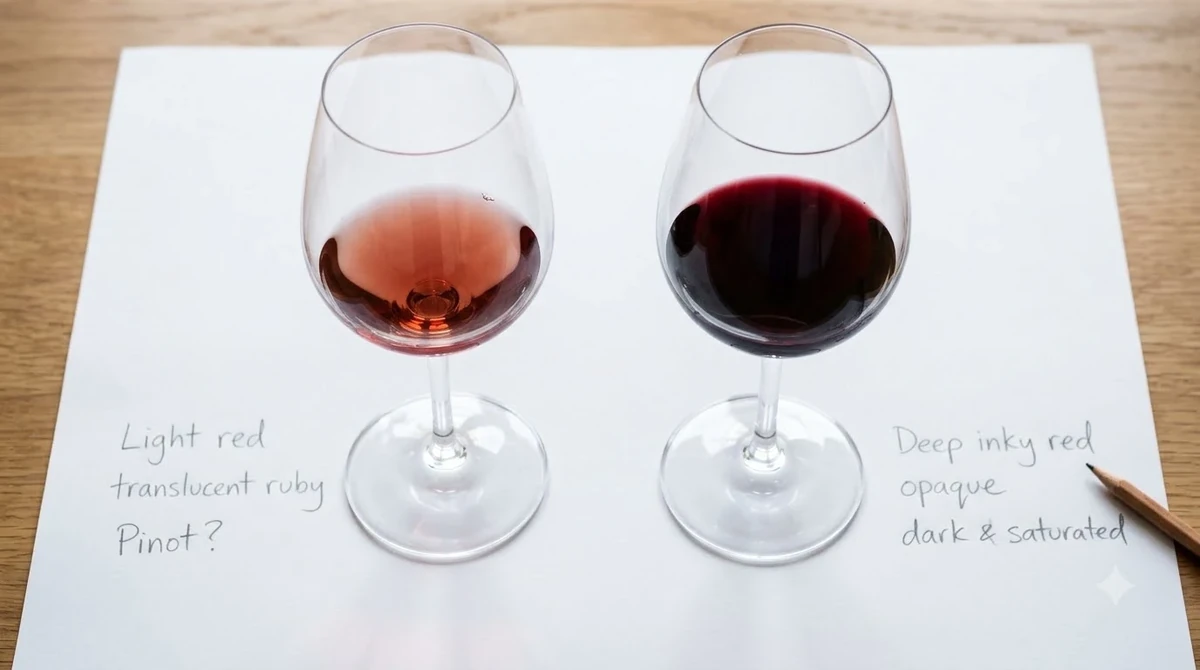
Provence remains one of the most recognizable origins for dry rosé. Its wines commonly feature Grenache, Cinsault, Syrah, and sometimes Mourvèdre. Expect combinations of strawberry, citrus, peach, subtle herbs, and refreshing acidity. The style is often pale salmon or light pink, although color alone does not determine quality or sweetness.
Several producers deserve consideration here:
- Château d’Esclans: Known for Whispering Angel, a dry Provence rosé made using Grenache, Cinsault, Rolle, and Syrah. Its producer describes the wine as full and lush, with a smooth finish. The estate also produces Rock Angel, Les Clans, Château d’Esclans, and Garrus.
- Château Miraval: A recognizable Provence name worth considering when shopping for a polished, food-friendly dry rosé. Compare the particular bottling rather than assuming every wine from the producer has the same profile.
- Château Minuty: Another established name to investigate for classic southern French rosé. Its wines provide a useful alternative when comparing the familiar Provence style.
- Château Sainte Marguerite: Its Fantastique rosé is an example of a Côtes de Provence bottling identified in Wine Enthusiast’s regional recommendations.
Whispering Angel illustrates how a recognizable brand can still communicate meaningful production information. Château d’Esclans specifies stainless-steel fermentation, temperature control, and a blend of free-run and press juices. The producer also recommends serving it at 8–12°C, approximately 46–54°F. For more detail, consult the official Whispering Angel wine information.
Bandol: Fuller and More Structured
Bandol, in Provence, offers a different approach to rosé. Mourvèdre is an important grape in the region and contributes structure, savory character, and depth. These wines can be more substantial than the light, delicate rosés commonly associated with Provence.
Domaines Ott is an important producer to investigate, particularly its Château Romassan bottling. Wine Enthusiast describes this wine through peach, maritime, spicy, and mineral characteristics. Such a profile makes it an interesting option for meals involving grilled fish, bouillabaisse, roasted vegetables, and Mediterranean herbs.
Bandol is particularly suitable for buyers who think ordinary rosé lacks sufficient body. Its wines can offer a more serious food-pairing experience while retaining the refreshing character that makes rosé useful at the table.
Tavel: Deep Color and Concentration
Tavel is an important Rhône appellation for people seeking something more substantial than a pale Provence rosé. It became the first Rhône AOC dedicated to rosé in 1936 and remains the only French AOC exclusively devoted to this category, according to Wine Enthusiast.
Compared with delicate Provence examples, Tavel wines often have deeper color, more concentrated fruit, and additional structure. Grenache is a principal grape, with other permitted varieties contributing complexity. Strawberry, raspberry, red cherry, and savory herbal notes are useful flavor expectations.
Tavel works particularly well with grilled chicken, charcuterie, Mediterranean vegetables, and dishes that would overwhelm a very delicate rosé. It is a strong alternative for shoppers who want a pink wine with the presence of a light red wine.
Loire Valley and Spanish Rosado
The Loire Valley is worth exploring for rosés made from Cabernet Franc and Pinot Noir. Cabernet Franc can contribute red-fruit and herbal notes, while Pinot Noir often creates a lighter, more delicate style. Sancerre rosé, for example, uses Pinot Noir and offers an alternative to southern French blends.
Spain also deserves attention. Navarra is particularly associated with rosado, which can be made from Tempranillo, Garnacha, Cabernet Sauvignon, and Merlot. These wines vary from fresh and straightforward to deeper, more concentrated expressions. Rioja rosado is another useful category, with traditional aging classifications offering additional differences between bottlings.
For readers interested in sweeter alternatives, the guide to sweet rose provides a useful starting point. It helps distinguish genuinely sweet wines from dry wines that simply have pronounced strawberry or watermelon aromas.
California and Other New World Rosé
California offers a broad range of rosé styles, including dry wines made from Pinot Noir, Grenache, and other red varieties. Some emphasize crisp citrus and fresh berries, while others have richer fruit and a rounder palate.
White Zinfandel remains an important reference point for shoppers who associate rosé with sweetness. It is generally a softer, fruitier style than traditional dry Provence rosé. It should not be treated as a direct substitute for a mineral-driven French wine because the sweetness and overall drinking experience can differ considerably.
New Zealand, Oregon, Australia, and Italy also offer worthwhile rosé options. Rather than selecting exclusively by country, compare the grape, sweetness, acidity, and intended food pairing. This approach is more useful than assuming every wine from one country follows a single recipe.
Common Mistakes When Buying Rosé
The biggest purchasing mistakes involve confusing color with quality, assuming all rosé is sweet, and overlooking regional differences. A few simple checks can prevent disappointing purchases.
Choosing by color alone. Pale rosé is strongly associated with Provence, but a lighter shade does not automatically indicate better grapes or more careful winemaking. Skin-contact time, grape varieties, pressing methods, and winemaker decisions all influence color. Deeper rosé can be excellent, especially when choosing Tavel or Bandol.
Assuming every famous brand makes the same wine. Château d’Esclans produces several different rosé cuvées. Whispering Angel and Garrus, for example, belong to the same producer’s portfolio but are not interchangeable wines. The same principle applies to other estates with multiple bottlings. Compare the specific wine rather than relying on the producer’s name alone.
Confusing fruit flavors with sweetness. A rosé that smells like strawberry, watermelon, peach, or raspberry can still be dry. Residual sugar and fruit aroma are different characteristics. If sweetness is important, seek a clearly described off-dry or sweet style instead of guessing from the tasting notes.
Ignoring regional differences. A Provence rosé and a Tavel rosé may both be French, but their typical body, color, and structure can differ substantially. Similarly, Spanish Navarra rosado may offer a different grape combination and flavor profile from a southern French blend.
Serving the wine too warm. Rosé generally benefits from refrigeration. Light rosé should normally be served around 45–50°F. Excessive warmth can make alcohol seem more noticeable and reduce the refreshing impression of acidity. Serving it too cold, however, can hide delicate aromas and flavor details.
Pairing every rosé with the same foods. Light wines can disappear alongside heavily seasoned dishes, while fuller wines may overpower delicate seafood. Match the wine’s body to the intensity of the meal. For example, a crisp Côtes de Provence wine can work with shrimp, while a fuller Bandol rosé may be better suited to grilled tuna or roast chicken.
Another common mistake is buying an entire case before discovering whether the style suits your palate. Start with one or two bottles from different regions, compare them with similar food, and then decide which producer deserves a larger purchase.
Care and Storage Tips for Rosé
Rosé is generally best enjoyed young, fresh, and properly chilled. Good storage and serving practices preserve its fruit character, acidity, and aromatic detail.
Store unopened bottles in a cool, dark location with a relatively stable temperature. A temperature close to 55°F is a useful target for general wine storage. Keep cork-finished bottles on their sides to help prevent the cork from drying out. Avoid placing rosé in a sunny kitchen, on top of a refrigerator, or near an appliance that produces heat and vibration.
Refrigerate rosé before serving. A temperature of 45–50°F works well for most light-bodied rosé, while fuller styles can be served slightly warmer if you want to reveal more aromatic detail. If a bottle becomes excessively cold, allow it to sit briefly before pouring.
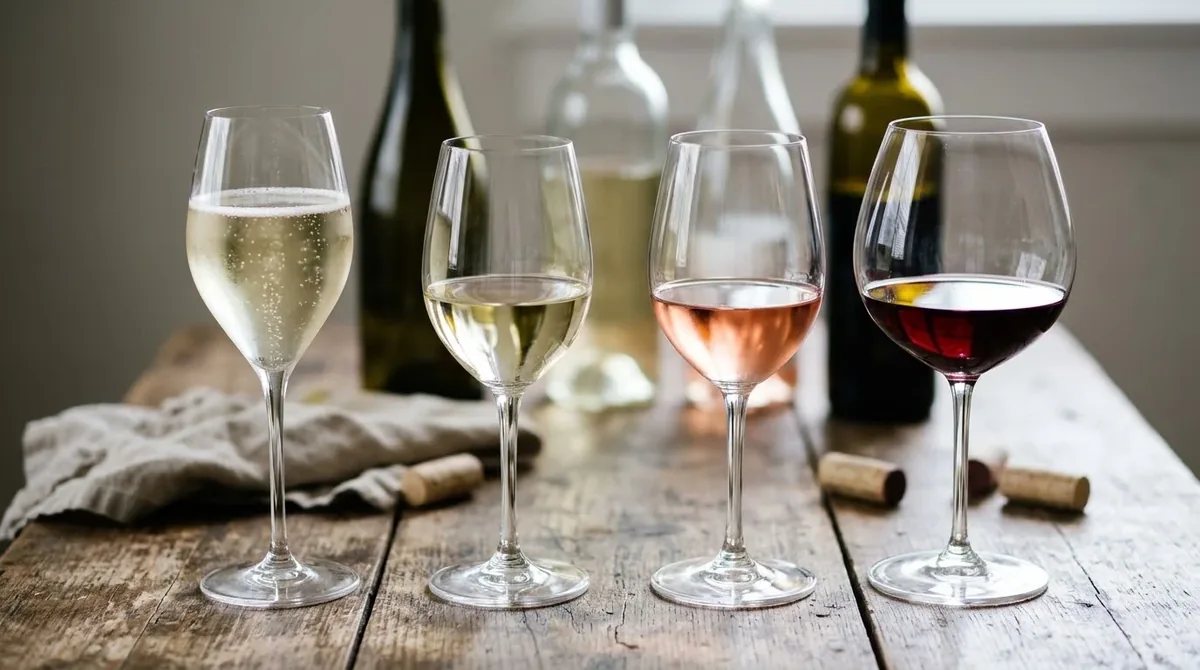
Use an ordinary white wine glass for most still rosé. A medium-sized bowl provides enough room to appreciate the fruit and floral aromas without requiring specialized glassware. Pour approximately 5 ounces per serving. A standard 750 ml bottle contains about five such glasses.
After opening, reseal the bottle and store it in the refrigerator. Most still rosé should be consumed within approximately 3–5 days for the best quality. The exact period depends on the wine, storage conditions, and amount of air remaining in the bottle.
A vacuum stopper can reduce exposure to oxygen, although it cannot preserve an opened wine indefinitely. Keep the bottle upright in the refrigerator once opened and avoid leaving it on a dining table overnight.
Food storage and serving plans also influence which producer makes sense. If you are preparing a long outdoor lunch, choose a bottle that can remain chilled in an ice bucket. If you are serving rosé at a formal dinner, open it shortly before guests arrive and allow the wine to warm slightly in the glass if its aromas seem muted.
Rosé does not generally need lengthy decanting. Most fresh styles can be poured directly from the bottle. More structured examples may benefit from a little time in the glass, but extended aeration is rarely necessary for a young, fruit-focused rosé.
Frequently Asked Questions
Which country produces the most recognizable rosé brands?
France is especially influential, with Provence serving as an internationally recognized reference for dry rosé. Spain, Italy, and the United States also have established producers and distinct regional traditions. The most recognizable country is not necessarily the best match for every palate.
Is rosé made from red grapes or white grapes?
Most still rosé is made from red grapes, whose skins provide the wine’s pink color. The juice generally spends much less time in contact with those skins than it would during conventional red wine production. Some rosé Champagne can also be made by blending red and white wines before secondary fermentation.
Does darker rosé contain more alcohol?
Not necessarily. Color is primarily influenced by grape varieties, skin contact, and production choices rather than alcohol concentration. A deep pink Tavel and a pale Provence rosé can have similar alcohol levels despite looking very different.
Can rosé wine be aged for several years?
Some structured rosés can develop additional complexity with bottle age, particularly carefully made wines from Bandol. However, many fresh, fruit-focused bottlings are intended for relatively early consumption. Aging potential depends on the specific wine’s acidity, structure, production, and storage conditions.
Can rosé be used for cooking?
Yes. Dry rosé can be used in seafood sauces, vegetable dishes, light pasta preparations, and marinades. Its acidity provides a useful alternative to white wine, especially when preparing recipes featuring tomatoes, herbs, or summer vegetables.
The best rosé brands are the ones that consistently match your preferred sweetness, acidity, body, and food choices. Start with established Provence producers such as Château d’Esclans, Domaines Ott, Château Miraval, and Château Minuty, then explore Bandol, Tavel, Spain, and California to discover different expressions of the category. Comparing two contrasting styles is often the simplest way to find a producer and bottle worth buying again.
More in Wine Buying Guides
 Cheap Red Blend: How to Find a Flavorful Bottle for LessUpdated Nov 20, 2026
 Pinot Grigio Gift: How to Choose a Bottle They’ll EnjoyUpdated Nov 20, 2026
 Best White Wine at Total Wine for Every MealUpdated Nov 20, 2026
 Wine Fridge Replacement Shelves: Find the Right FitUpdated Nov 20, 2026
 Best Sparkling Wine Under 20: Find Bubbles Worth BuyingUpdated Nov 20, 2026
 Best Wine For Birthday Celebrations With Perfect Party PairingsUpdated Nov 20, 2026