

We may earn a commission when you buy through links on this page, at no extra cost to you. Learn more.
J Lohr red wine comes from J. Lohr Vineyards & Wines, a family-owned California winery whose reds are built mainly on Cabernet Sauvignon, Merlot, Pinot Noir, and Syrah from Paso Robles and Monterey County. The range runs across several tiers, from the Signature and Cuvée lines to the Vineyard Series and the Seven Oaks Cabernet Sauvignon that many drinkers know best. This guide explains who makes J. Lohr, what the main red styles taste like, and how to serve and pair them.
If you have seen J. Lohr on a restaurant list or at a wine shop and wondered which red to choose, the answer depends on whether you want a bold, structured Cabernet or a softer, fruit-forward bottle. The winery makes both, and the tiers give you a rough guide to how much work went into each wine.
Who makes J. Lohr red wine
According to the Wikipedia entry on the company, J. Lohr Vineyards & Wines is a family-owned California winery headquartered in San Jose. Founder Jerry Lohr established the company in 1974, after the Turgeon and Lohr Winery broke ground on vineyard land in 1972. The company was renamed J. Lohr Vineyards & Wines in 1984.
The family’s planting story is tied to Paso Robles. According to the same source, plantings there began in 1986, and the first Vineyard Series wines were released in 1998. The vineyards now span the Paso Robles AVA, the Arroyo Seco and Santa Lucia Highlands AVAs in Monterey County, and the St. Helena AVA in Napa Valley. Wineries are located in San Jose, Paso Robles, and Greenfield.
The company’s own website describes Jerry Lohr’s long farming background and a commitment to sustainable growing, which the family carries forward through the second generation. It also lists the Paso Robles Wine Center on Airport Road, where visitors can taste wines with a view of the vineyards. The scale is significant: the Wikipedia entry reports annual U.S. sales above 1.8 million cases, so the reds are a familiar sight on shop shelves.
The red wine lineup, by tier
J. Lohr organizes its wines into several tiers, including J. Lohr Signature, Cuvée Series, Vineyard Series, Gesture, Pure Paso, Estates, and Monterey Roots. The winery’s site also lists ARIEL Vineyards, which offers wines with the alcohol removed. Most shoppers looking for reds will focus on the tiers that carry Cabernet Sauvignon, Merlot, Pinot Noir, and Syrah.
The Seven Oaks Cabernet Sauvignon is one of the best-known names in the range. Riverstone Chardonnay is one of the named white wines in the range, so it is worth reading the label carefully if you are browsing for reds. When in doubt, look for the varietal and the appellation on the front of the bottle, since those two details tell you more about the taste than the tier name alone.
| Red variety | Typical character | Good with |
|---|---|---|
| Cabernet Sauvignon | Full-bodied, dark fruit, structured tannins | Grilled steak, lamb, hearty stews |
| Merlot | Softer, plummy, lower in tannin | Roast pork, pasta with tomato sauce, burgers |
| Pinot Noir | Lighter, red-fruit and earthy notes | Salmon, roast chicken, mushroom dishes |
| Syrah | Medium to full, spice and dark berry | Barbecue, smoked meats, aged cheddar |
The table describes general patterns for each variety. Exact character shifts with vintage, vineyard site, and winemaking choices, so the best guide is the varietal printed on the label.
What Cabernet Sauvignon from this style tastes like
Cabernet Sauvignon is the backbone of many J. Lohr reds, and it is a good place to understand what a structured red feels like. Wine Folly describes Cabernet Sauvignon as dark in color and dry, with flavors that often include black cherry, black currant, cedar, and baking spices. Its tannins give a drying texture, and the wine is usually full-bodied.
The alcohol level matters too. The same guide says Cabernet Sauvignon typically sits around 13.5 to 15 percent ABV, and warmer-climate bottlings from California, Australia, and Chile are often near 14.5 percent or above. That is why a glass from a sunny vineyard can feel rich and warm, while a cooler-climate red can taste lighter and more acidic.
If you are new to the style, try decanting a bold Cabernet for about an hour before serving. That gives the aromas a chance to open and softens the tannins a little. Do not expect a dramatic change in a young wine, though, since some reds need years rather than minutes to settle.
How to serve J. Lohr reds
Serving temperature matters for red wine. Wine Folly suggests serving Cabernet Sauvignon between 60 and 68 degrees Fahrenheit, which is cooler than many people expect. A glass that is too warm can taste heavy and alcoholic, while a slightly cooler glass keeps the fruit and structure in balance. If the bottle has been sitting in a warm room, give it a short time in the refrigerator before pouring.
Use a large glass so the aroma has room to develop. A wide bowl lets the wine breathe as you swirl it, which matters most for structured reds with plenty of tannin.
For Merlot and Pinot Noir, the same rule applies. Serve them slightly cool, not cold, and give them a few minutes in the glass before the first sip.
Food pairings with J. Lohr red wine
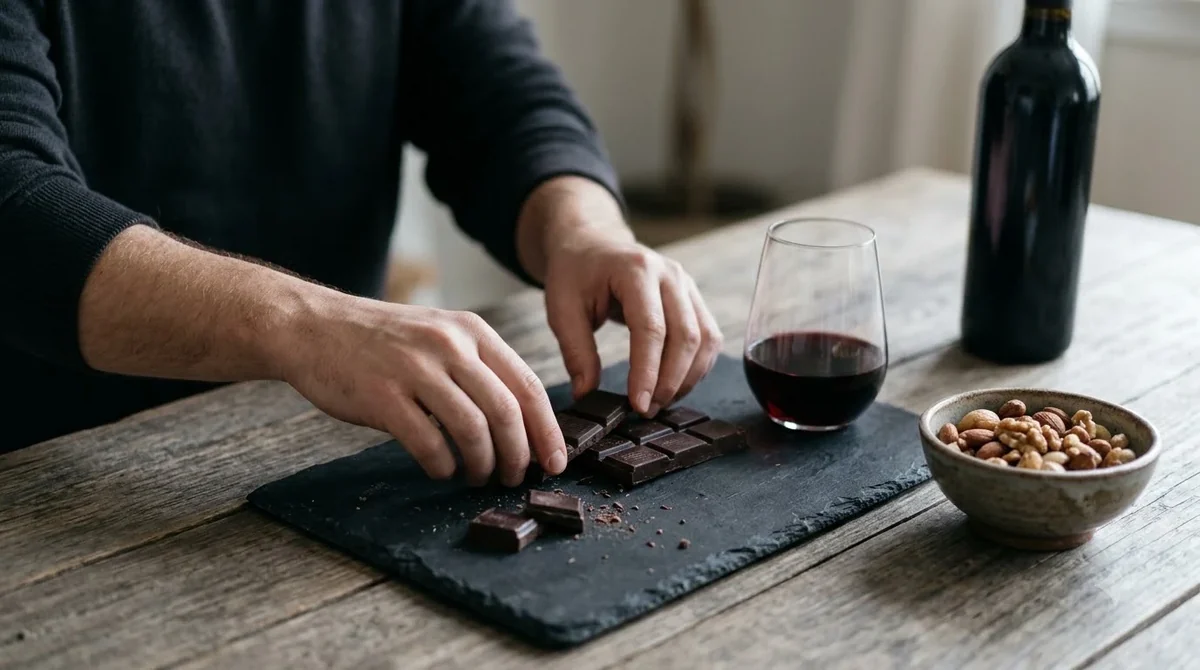
Cabernet Sauvignon is best paired with food, according to the same Wine Folly guide. Its acidity, tannins, and alcohol can feel overwhelming on their own, so a meal makes the wine taste more balanced. Grilled meats, peppery sauces, and bold dishes work well because the fat and salt soften the tannins while the wine cuts through the richness.
Merlot suits roast pork, tomato-based pasta, and burgers. Its softer tannins make it easier to drink with a simple dinner. Pinot Noir is the lighter option of the group, and it is a good match for salmon, roast chicken, and earthy mushroom dishes. Syrah brings spice and dark fruit, which makes it a natural partner for barbecue and smoked meats.
There is no hard rule about pairing. Wine Folly makes the point that you should drink a wine you like with food you enjoy. Use the guide as a starting point, then adjust to your own taste.
How to choose a J. Lohr red for your evening
For a steak dinner or a gathering where a bold red will stand up to rich food, a structured Cabernet Sauvignon is the obvious choice. For a weeknight meal with pasta or roasted vegetables, a Merlot or a lighter Pinot Noir is easier to enjoy and does not overwhelm the plate.
If you are hosting, consider offering two reds: one structured and one softer. That covers most tastes without requiring guests to guess which bottle they will like. Ask guests about their preferences if you can, since some people find tannin dry and others enjoy it.
Finally, check the label for the vintage and appellation. A Paso Robles bottling and a Monterey bottling of the same varietal can taste noticeably different, and that difference is part of the appeal of a range built on several growing regions.
Who J. Lohr reds suit
J. Lohr reds suit people who want a dependable California red from a family winery with decades of experience. The Cabernet-based wines appeal to drinkers who like structure and dark fruit, while the Merlot and Pinot Noir styles are easier for people who prefer softer, lighter reds. The winery’s scale and wide distribution make the bottles easy to find, which is useful when you want the same wine again.
If you want to compare J. Lohr with other producers, the wine brands guide is a good place to start. For a related look at a bold red from another California producer, the Austin Hope red wine guide covers a different approach to Cabernet and Syrah.
Frequently Asked Questions
Is J. Lohr red wine dry?
Most of the reds in the range are dry, including the Cabernet Sauvignon, Merlot, Pinot Noir, and Syrah styles. Check the label or the winery’s tasting notes if you want to confirm the sweetness of a specific bottle.
What is the best J. Lohr red for a beginner?
A Merlot or a lighter Pinot Noir is usually easier for beginners because it has softer tannins. A Cabernet Sauvignon is a good next step once you are comfortable with fuller reds.
What temperature should J. Lohr Cabernet Sauvignon be served at?
Wine Folly suggests serving Cabernet Sauvignon between 60 and 68 degrees Fahrenheit. Slightly cool is better than warm, since warmth makes the alcohol feel more pronounced.
Does J. Lohr red wine need to be decanted?
Bold Cabernet Sauvignon can benefit from about an hour of decanting or time in an open glass. Softer reds like Merlot and Pinot Noir usually need less time.
J. Lohr red wine offers a clear range for different tastes, from structured Cabernet to softer reds. Serve the bolder styles slightly cool, match them to the food, and read the varietal and appellation on the label. For more context on wine producers, return to the wine brands guide before your next purchase.
More in Wine Brands
 Underwood Wine Price: Compare Bottles, Cans, and Pack SizesUpdated Nov 21, 2026
 Zenato Wine Price: Compare Styles and Choose the Right BottleUpdated Nov 21, 2026
 Zuccardi Wine Price: Compare Bottles and Find the Right RangeUpdated Nov 21, 2026
 Yellow Tail Moscato Review: Taste, Sweetness and Serving TipsUpdated Nov 21, 2026
 Wolf Blass Yellow Label Review: Choose Your Best StyleUpdated Nov 21, 2026
 Wolffer Estate Rose Review: Choose the Right Bottle for Your TableUpdated Nov 21, 2026