

We may earn a commission when you buy through links on this page, at no extra cost to you. Learn more.
J Lohr wine comes from a family-owned California winery that describes itself as sustainably grown and draws its fruit mainly from Paso Robles and Monterey. The producer’s site credits founder Jerry Lohr’s decades of farming experience for its approach to sustainability, and its range spans Chardonnay, Sauvignon Blanc, Cabernet Sauvignon, Merlot, Pinot Noir and rosé. Readers can explore the lineup through named collections that group wines by vineyard source and style, which makes the brand easy to navigate for both everyday buyers and collectors.
If you are weighing a bottle of J Lohr wine against other California labels on a shop shelf, this guide explains where the wines come from, how the collections are organized, and how to serve and pair the main styles. The notes rely on the winery’s own material and on regional descriptions, so they describe the house style and the range rather than the merits of a single vintage.
Family ownership and the Lohr approach to farming
J. Lohr Vineyards & Wines presents itself as a family-owned company, and its materials put farming at the center of the story. The producer cites founder Jerry Lohr’s seven decades of farming experience as the basis for its sustainability work, and that emphasis on the vineyard shows up in how the wines are described. For a buyer, the practical meaning is that the winery talks more about fruit, sites and farming choices than about marketing themes.
The family’s ties to the land also shape the geography of the range. The winery runs a tasting room at its Paso Robles wine center, and the Shotwell Vineyard it cites sits in the same region. A second tasting room in San Jose extends the brand’s presence beyond the Central Coast.
How the J Lohr collections are organized
The range is grouped into named collections, and knowing how they fit together makes shopping easier. The Signature line is the winery’s broad, everyday collection. The Cuvée Series and Vineyard Series are named separately, and they point to more specific blends or single sites. Pure Paso is built around fruit from Paso Robles, and the Estates collection is listed alongside the others on the producer’s site. The Monterey Roots collection draws on fruit from the Monterey area, which gives the brand a second coastal reference point beyond Paso Robles.
The winery also makes ARIEL Vineyards wines, which are produced with alcohol removed. That line gives buyers who want the flavor profile of a wine without the alcohol a dedicated option, and it is clearly separated on the producer’s site from the standard collections.
| Collection or style | What it is | Who it suits |
|---|---|---|
| Signature | Core range for everyday drinking | Buyers who want a reliable house style |
| Cuvée and Vineyard Series | More specific bottlings from chosen sites | Readers who want to taste a site or style |
| Pure Paso | Paso Robles fruit | Fans of the region’s warm-climate reds |
| Monterey Roots | Monterey-area fruit | Buyers exploring coastal California |
| ARIEL Vineyards | Wines made with alcohol removed | Those who want the flavor without the alcohol |
Chardonnay, Sauvignon Blanc and the whites
The white side of the range covers Chardonnay and Sauvignon Blanc, along with other whites and rosés. Chardonnay from a warm inland region such as Paso Robles tends to show riper fruit and a fuller texture than a cool-climate example, and that is the style many buyers look for when they want a white that can stand up to a meal. The Sauvignon Blanc is the lighter choice, with brighter citrus and a fresher finish that suits a warm afternoon or a simple plate of seafood.
When you choose a white, think about the weight you want. A richer Chardonnay pairs well with roast chicken, creamy pasta and lobster, while a Sauvignon Blanc works with salads, goat cheese and grilled fish. Both styles are easy to enjoy without much preparation, which is part of why they sell well as everyday wines.
Tip: If you are not sure which white to choose, let the dish decide. Creamy or buttery food usually calls for Chardonnay, and light or herbal food suits Sauvignon Blanc.
Cabernet, Merlot and Pinot Noir
The red side of the range starts with Cabernet Sauvignon and Merlot, which are the most familiar California styles for many buyers. Cabernet from a warm region tends to show dark fruit, firm tannin and a structured finish, while Merlot is usually softer and more approachable. The producer’s Pinot Noir gives a lighter, more aromatic option, with red fruit and a silkier texture that suits a broader range of dishes.
Red wines from this winery are good partners for hearty food. Cabernet is a natural match for grilled steak, lamb and aged cheese, and Merlot works well with roast pork, burgers and tomato-based dishes. Pinot Noir is the most flexible of the three, and it pairs with duck, mushroom dishes and salmon. For a more detailed look at one of the brand’s labels, the guide to Hermann J Wiemer wine shows how a different producer handles a lighter, aromatic style.
Serving and pairing J Lohr wine
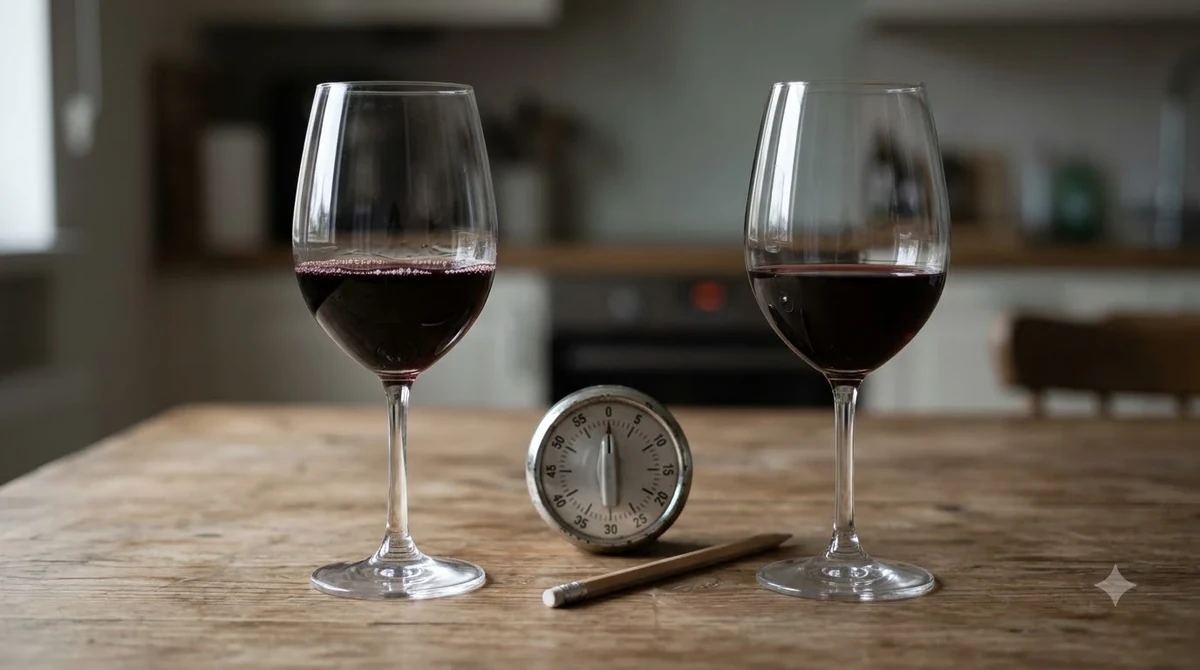
Serving temperature has a clear effect on how these wines taste. Whites are best served cool rather than cold, so the fruit and acidity stay in balance, and reds usually taste better when they are a little below room temperature. Open the red bottles about thirty minutes before serving if you want them to open up, and use a glass with a bowl wide enough to let the aromas develop. The producer’s site links to a set of pairing ideas, which is a useful starting point for planning a meal.
For a casual dinner, pick one white and one red and let the guests choose. For a more formal meal, match each course to a wine that suits its weight. A light starter can go with Sauvignon Blanc, the main course with a Cabernet or Pinot Noir, and a rosé or a lighter red can carry the meal through dessert if you serve fruit-based sweets.
If you want a point of comparison for a different style, Barefoot wine is a widely available everyday option, and the La Marca Prosecco guide covers a sparkling wine that suits the same kinds of meals. The wine brands hub lists more producers in the category.
Who should buy J Lohr wine
J Lohr suits buyers who want a recognizable California producer with a clear structure. The collection names make it easier to move up or down the range as your tastes change, and the family ownership and farming focus will appeal to readers who care about where a wine comes from. If you usually buy one bottle for a weeknight and another for a celebration, the range offers both without leaving the same house.
When you shop, read the collection name on the label as well as the varietal. A Signature Chardonnay and a Vineyard Series Chardonnay can taste quite different, and the collection tells you which one you are getting. For current bottlings, tasting notes and tasting room information, the winery’s official website is the most reliable place to check before you buy.
Frequently Asked Questions
Where is J Lohr wine made?
The winery is based in Paso Robles, California, and it sources fruit from its Paso Robles vineyards as well as from the Monterey area through its Monterey Roots collection.
What grapes does J Lohr make?
The range includes Chardonnay, Sauvignon Blanc, Cabernet Sauvignon, Merlot and Pinot Noir, along with other whites, rosés and reds across its named collections.
What does the Signature line mean?
Signature is the winery’s core collection, built for everyday drinking. It sits below the Cuvée and Vineyard Series, which focus on more specific bottlings.
Does J Lohr make non-alcoholic wine?
The winery makes ARIEL Vineyards wines, which are produced with the alcohol removed. They are listed separately from the standard collections on the producer’s site.
J Lohr wine is an approachable place to start if you want a California family winery with a range that grows with your tastes. Begin with a Signature bottle to learn the house style, then try a Vineyard Series or Pure Paso bottling when you want to taste a site more closely. Pair the wines with food that suits their weight, and the differences between collections will become easy to notice.
More in Wine Brands
 Underwood Wine Price: Compare Bottles, Cans, and Pack SizesUpdated Nov 21, 2026
 Zenato Wine Price: Compare Styles and Choose the Right BottleUpdated Nov 21, 2026
 Zuccardi Wine Price: Compare Bottles and Find the Right RangeUpdated Nov 21, 2026
 Yellow Tail Moscato Review: Taste, Sweetness and Serving TipsUpdated Nov 21, 2026
 Wolf Blass Yellow Label Review: Choose Your Best StyleUpdated Nov 21, 2026
 Wolffer Estate Rose Review: Choose the Right Bottle for Your TableUpdated Nov 21, 2026