

We may earn a commission when you buy through links on this page, at no extra cost to you. Learn more.
pinot noir with burgers works best when the wine’s bright acidity, gentle tannins, and red-fruit character meet a juicy patty, moderate char, and toppings that do not bury the wine. The pairing is especially successful with grilled beef, mushrooms, Swiss cheese, or caramelized onions. Choose a fruit-forward or savory bottle to suit the burger, and serve it slightly cool so the wine stays fresh beside the hot food.
A burger is not one fixed flavor: the fat in the patty, the degree of browning, the cheese, and the sauce all change what the wine needs to do. Pinot Noir is a lighter red than Cabernet Sauvignon, but its acidity and savory notes give it enough shape for many burgers. The useful starting point is to pair the wine with the whole build, not just the meat, much like the practical Grape x Food approach to matching wine and food.
Why Pinot Noir Works With a Burger
Pinot Noir offers a useful middle ground between weight and freshness: it has enough flavor for grilled beef but usually avoids the firm tannin of a big Cabernet. Its acidity refreshes the palate after a fatty bite, while cherry, raspberry, cranberry, and earthy notes can echo browned meat, mushrooms, and herbs.
Pinot Noir is generally dry, light- to medium-bodied, and relatively low in tannin compared with Cabernet Sauvignon or Syrah. Wine Enthusiast describes typical examples as bright in acidity, silky in texture, and commonly between 12% and 15% alcohol by volume; cooler-region bottles are often closer to 12% to 13.5%. These traits matter because a burger has several competing elements: fat, salt, smoke, browned edges, and often a sweet or acidic condiment.
Acidity is the key balancing feature. Fat in ground beef and melted cheese can make a low-acid wine seem dull, while lively Pinot Noir refreshes the palate. Its restrained tannin is also more forgiving with tomato, pickles, or mustard than a very tannic red can be.
The wine still needs enough concentration to stand beside the patty. Decanter includes Pinot Noir among its burger options and highlights Oregon Pinot Noir with a medium-rare burger and seasoned fries. A savory burger with restrained toppings gives the wine room to show its fruit and earthy detail. A well-seasoned patty and a few fries can make the fruit seem more generous, while too much vinegar or salt can distort the finish. Read Decanter’s advice on wine with burgers for more burger styles and sommelier perspectives.
Build the Burger Around the Patty
The patty sets the foundation for the pairing, and a beef burger with a good sear is the easiest place to begin. Choose a juicy, moderately fatty grind, season simply, and let the browned beef flavor stay clear rather than hiding it under a thick layer of sauce.
For a homemade burger, ground chuck is a reliable starting point because it brings beef flavor without a complicated blend. Serious Eats gives a target range of about 15% to 25% fat and identifies roughly 20% as a useful all-purpose target. That familiar 80/20 balance provides enough richness for Pinot Noir’s acidity without making the patty excessively rich.
| Pairing detail | Useful number | How to use it |
|---|---|---|
| Ground beef fat | 15%–25%; about 20% as a general target | Enough fat for a juicy patty without excessive richness |
| Pinot Noir alcohol | Typically 12%–15% ABV | Cool-region examples often fall near 12%–13.5% |
| Serving temperature | 55°F–60°F | Serve slightly cool to preserve freshness |
| Standard pour | 5 oz | A 750 ml bottle yields about five glasses |
Keep the seasoning uncomplicated at first: salt, black pepper, and perhaps a little garlic. A crust from a hot grill or skillet contributes savory browned notes that connect with the wine’s earth, spice, and ripe cherry flavors. If you use a smash-burger method, the broad, crisp surface adds more browned flavor, but the thin patty can also make the burger taste saltier and more intense. In that case, choose a Pinot with clear fruit rather than the palest, most restrained style.
Shape patties without compressing them into dense discs, handle the meat lightly, and avoid pressing it repeatedly on the cooking surface. If grinding beef yourself, keep the meat and equipment cold; warm fat can smear through the grind and leave the cooked burger less juicy. A turkey or chicken patty calls for a lighter touch: use a red-fruited Pinot with modest oak and herbal seasoning rather than heavy smoke or sweetness. The same balance applies to pinot noir with chicken, where acidity and earthy notes complement poultry.
Choose a Pinot Noir Style That Matches the Weight
Not every Pinot Noir tastes alike, and the best choice depends on the patty’s richness and the intensity of the toppings. In broad terms, cooler-climate wines tend to emphasize freshness, red fruit, and savory detail, while warmer-site examples can deliver riper fruit, fuller texture, and a little more weight.
Burgundy is an elegant choice for a simply seasoned beef burger with mushrooms, thyme, or a little cheese. Cooler Burgundy often shows cranberry, tart cherry, rose, and earthy mushroom notes, making it a natural fit for grilled mushrooms or onions. A village wine from the Côte de Beaune can also suit a herby vegetarian patty.
Oregon’s Willamette Valley offers red cherry, raspberry, bright acidity, and a savory edge. It has enough fruit for beef while keeping the finish fresh, making it practical with a cheeseburger, mushroom Swiss burger, or grilled patty with thyme. California Pinot Noir varies: cool coastal examples can be lifted and cranberry-driven, while warmer-site wines may show concentrated raspberry, black cherry, cola spice, and a fuller texture. The riper style can meet bacon or smoked cheese more easily.
New Zealand, including Marlborough and Central Otago, offers both bright berry fruit and more savory or herbal expressions. Wine Enthusiast notes that cool regions tend toward mushroom, cranberry, and earthy detail, while warmer climates can bring concentrated raspberry, cherry, cola spice, and cedar. Choose the cooler, more savory style for a restrained burger and the riper style for a smoky build. Its essential Pinot Noir guide explains how growing conditions shape flavor and structure.
Match Cheese, Sauce, and Toppings to the Wine
Toppings can decide whether Pinot Noir feels balanced or gets lost. Mild, savory, and earthy ingredients are usually the easiest partners; sweet sauces, assertive heat, and layers of sharp acidity need more care.
Swiss cheese is a strong choice because its nutty flavor echoes the wine’s earthy side. Gruyère adds a deeper savory note, while mild cheddar brings enough richness to meet the fruit. Aged cheddar has more salt and bite, so it suits a riper Pinot. A little blue cheese can work too, but keep the portion small and avoid combining it with bacon and sweet onion jam on a delicate Burgundy. Decanter’s practical rule is useful here: fattier cheese benefits from juicy fruit and good acidity.
Mushrooms are among the most natural toppings. Sauté cremini mushrooms with butter, garlic, and thyme; their earthy flavor mirrors notes in cooler-climate Pinot Noir. Caramelized onions add mellow sweetness, while tomato, pickles, and mustard bring acidity and salt. A few pickle slices or a thin swipe of mustard can sharpen a burger, but excess vinegar can make the wine seem less vibrant. Ketchup adds sugar and tomato flavor, so choose a Pinot with ripe fruit if it is essential to the build.
Barbecue sauce is more difficult because its sweetness and smoke can overwhelm a delicate wine. Use it sparingly or choose a riper Pinot with fuller texture. Chili heat also feels stronger with alcohol and tannin, so keep hot sauce modest.
Tip: Build the burger first, then choose the bottle: mushrooms and herbs favor a savory Pinot, while bacon and barbecue glaze call for riper fruit and more body.
Adjust for Grilling, Smash Burgers, and Meatless Patties
Cooking method changes the burger’s texture and flavor as much as the ingredient list does. A grilled patty brings smoke and char, a skillet burger emphasizes browned crust, and a vegetable-based patty may lean toward herbs, grains, or mushrooms.
For charcoal-grilled beef, choose a Pinot with ripe fruit and enough weight for smoke. A cooler-climate wine works if the char is light; a riper California or New Zealand style may suit stronger searing or smoky bacon. Cast-iron burgers bring a deep crust and concentrated beef flavor, while smash burgers have more crisp, salty surface. Both can work with medium-bodied Oregon or coastal California Pinot, especially with Swiss cheese or mushrooms.
For vegetarian burgers, match the wine to the main ingredient. Mushroom-and-lentil patties with roasted garlic and thyme suit earthy Pinot; black-bean patties with cumin or chipotle need riper fruit and softer tannins. Decanter points to village Burgundy from Monthélie or Maranges for herby vegetable burgers, where savory, peppery red-fruit notes complement herbs. Beet brings sweetness, walnuts add richness, and mushrooms contribute umami, so the strongest ingredient should guide the choice.
Chicken and fish burgers usually need a lighter style, with freshness taking priority over oak and body. A tuna burger’s texture and seasoning may favor a light, bright red rather than a dense Pinot. For related ideas about how melted cheese, tomato, and herbs alter the match, see pinot noir with pizza and pinot noir with pasta.
Serve the Wine at the Right Temperature
Serve most lighter- to medium-bodied Pinot Noir slightly cool, around 55°F to 60°F, rather than at a warm room temperature. That range helps preserve freshness and keeps ripe fruit from seeming heavy beside a hot burger.
If the bottle has been stored at room temperature, refrigerate it for about 20 minutes before pouring. A light, high-acid Pinot can be served near 55°F; a riper example can come closer to 60°F. Avoid serving it icy cold, which mutes aroma, or too warm, which can emphasize alcohol beside fatty meat.
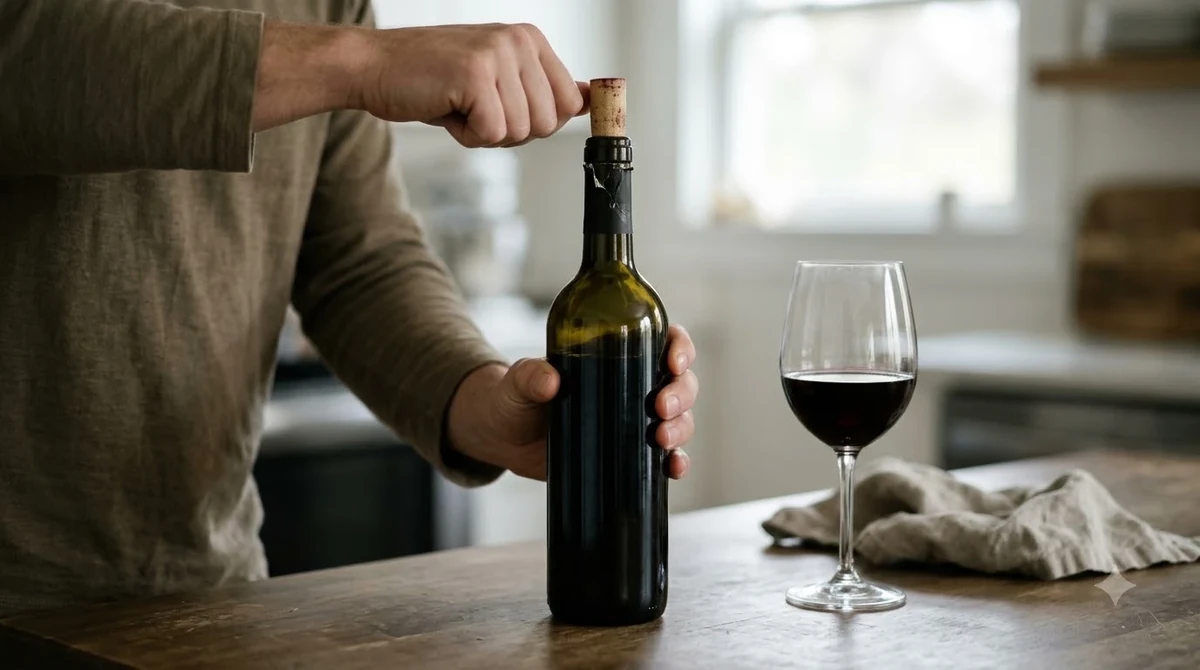
Use a medium or large-bowled red wine glass and pour about 5 ounces. A 750-milliliter bottle provides roughly five such glasses. Let the wine sit in the glass for a few minutes while the burger rests; most everyday Pinot Noir does not need a long decant. If a young bottle seems closed, opening it 15 to 20 minutes before the meal may help.
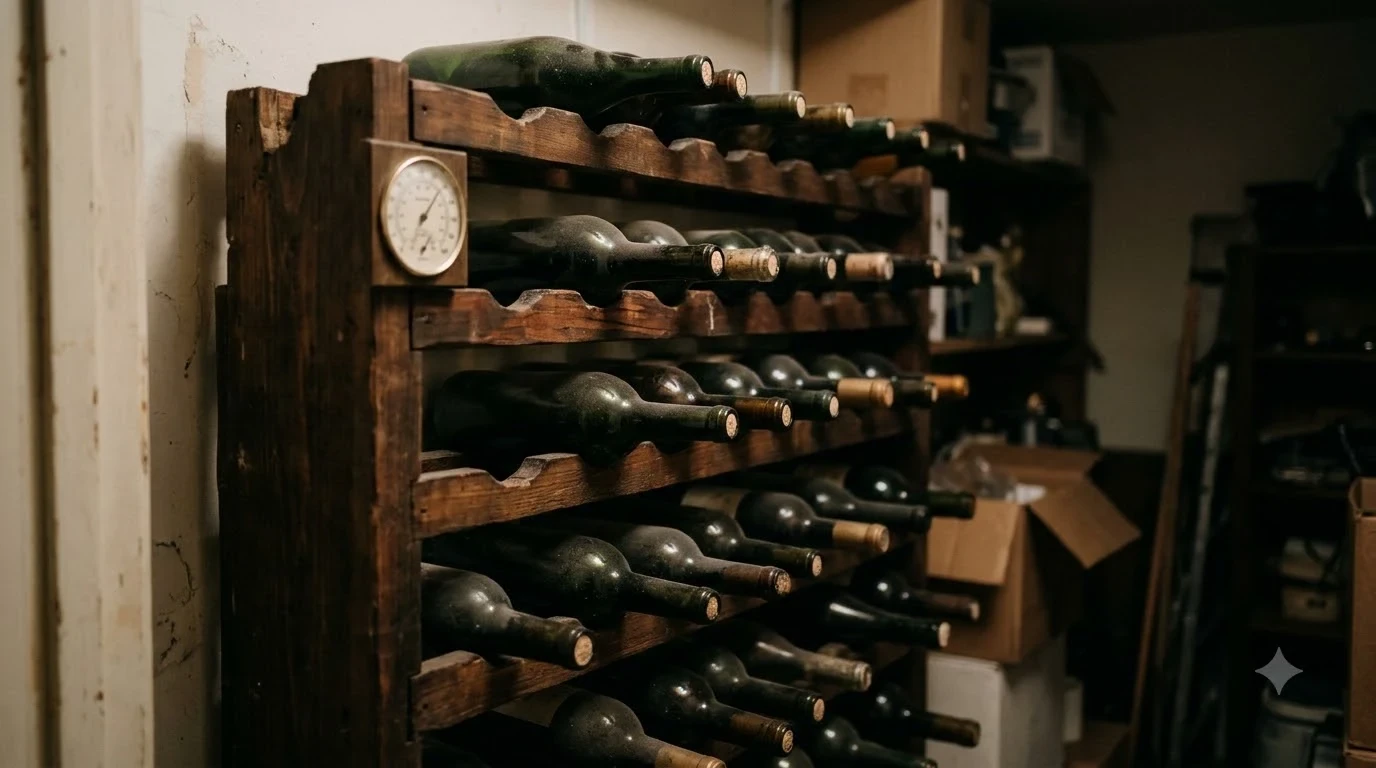
For leftover wine, replace the cork and refrigerate the bottle. Still wines generally keep for three to five days after opening, though Pinot Noir’s fruit is often freshest earlier in that window. Store unopened bottles away from direct sun and heat, ideally in a cool, steady place.
Frequently Asked Questions
These answers cover a few burger-night choices that depend on details beyond the wine’s grape variety.
Is Pinot Noir better with a grilled burger or a smash burger?
Either works. Smash patties are often much thinner, so two patties can give a burger more beef flavor without making it unusually tall. A grilled burger usually has more room for a thick slice of tomato or a grilled onion ring.
Can I pair Pinot Noir with a bacon cheeseburger?
Yes. Thick-cut bacon tends to bring a meatier chew, while thin bacon adds crisp texture and salt. For a more balanced bite, use two strips rather than covering the patty with a full layer.
Does Pinot Noir work with a burger topped with avocado?
It can, especially with a bright, fruit-led bottle. A few drops of lime and chopped cilantro keep the avocado from making the whole burger taste flat. Toasting the bun also adds a nutty note that connects with savory Pinot.
Should I choose Pinot Noir labeled Burgundy or Bourgogne?
Bourgogne is the regional name used on many wines from across the Burgundy area, while village names such as Santenay identify a more specific origin. Some Burgundy wines use the grape name Pinot Noir only in export descriptions rather than on the front label. The place name is therefore often the clue to the wine’s origin.
Can sparkling Pinot Noir work with burgers?
Yes. Pinot Noir is one of the grapes used for blanc de noirs sparkling wine, which is white wine made from dark-skinned grapes. A sparkling rosé made with Pinot Noir is another option; its bubbles and red-berry notes make it especially pleasant with a burger and salty fries. Keep sparkling wine around 40°F to 50°F.
For a classic burger, start with a juicy beef patty, restrained toppings, and a fresh, medium-bodied Pinot Noir from Burgundy, Oregon, or coastal California. Adjust toward riper fruit as the burger gets smokier, richer, or sweeter, and keep the bottle slightly cool. The best match is the one that lets both the burger and the wine remain distinct from the first bite to the last.
More in Food & Wine Pairing
 Risotto With White Wine Recipe: Make a Creamy Dinner at HomeUpdated Nov 20, 2026
 Wassail With Wine Recipe for a Festive Spiced Holiday DrinkUpdated Nov 20, 2026
 Spritz Veneziano Recipe: Make a Classic Venetian Aperitivo at HomeUpdated Nov 20, 2026
 Summer Wine Punch Recipe for Easy Homemade EntertainingUpdated Nov 20, 2026
 Bishop Recipe: How to Make a Bright, Citrus-Forward Red Wine CocktailUpdated Nov 20, 2026
 Wine Cupcakes Recipe: Bake Rich Chocolate Cupcakes at HomeUpdated Nov 20, 2026