

We may earn a commission when you buy through links on this page, at no extra cost to you. Learn more.
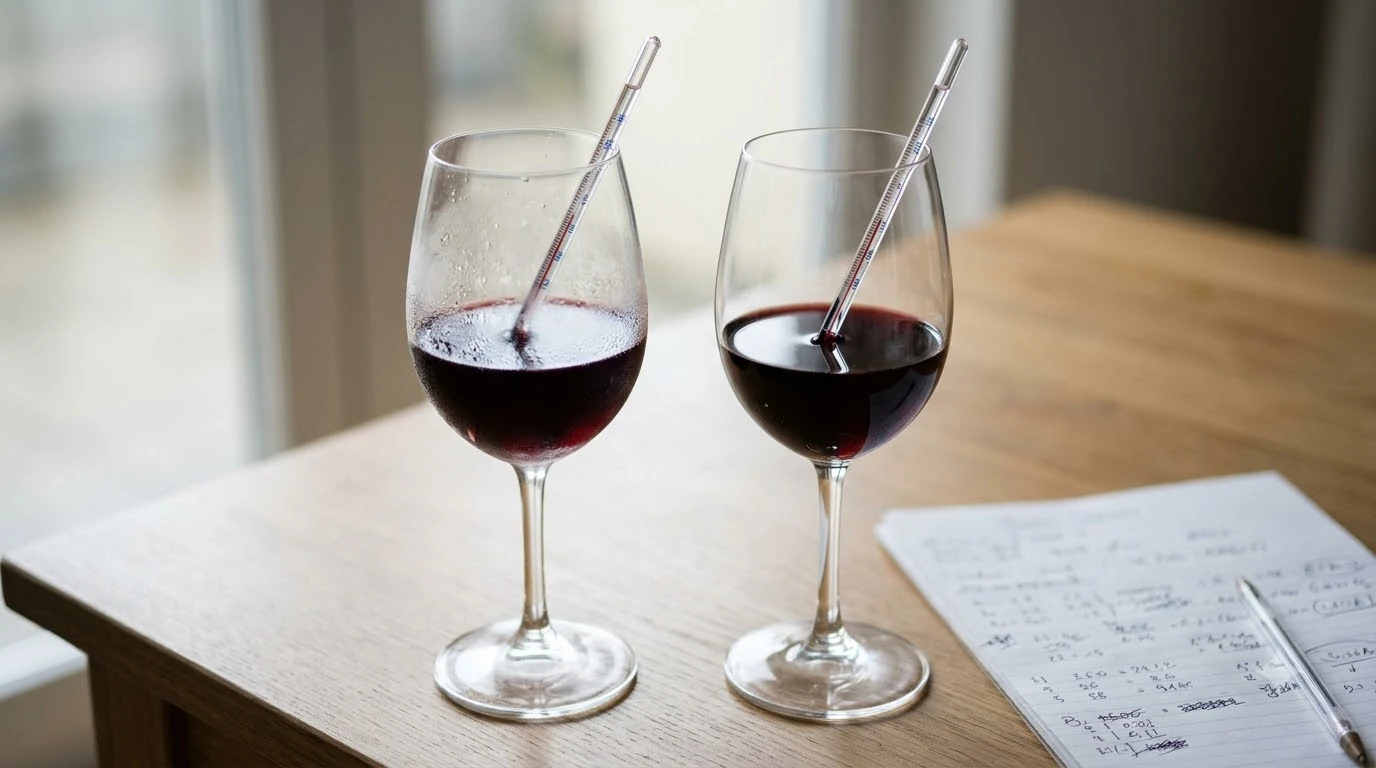
This bishop recipe makes a refreshing red-wine cocktail with orange juice, lemon juice, sugar, rum, and crushed ice. The classic drink balances fruity wine with fresh citrus and a little sweetness, creating a beverage that is lighter and brighter than many traditional wine cocktails. You can prepare an individual serving in approximately 5 minutes using an approachable dry red wine and ordinary bar ingredients.
The Bishop has an interesting history because the name has been used for several related drinks. Some versions are chilled cocktails made with red wine and rum, while older English preparations resemble hot spiced wine made with roasted oranges, cloves, and port. The recipe below focuses on the refreshing, single-serving version, with practical variations for anyone who prefers a warmer drink or a different balance of citrus and sweetness.
What Is a Bishop Cocktail?
A Bishop is a traditional wine-based cocktail that combines red wine, citrus, sugar, and rum. Its flavor is fruity, gently tart, and lightly sweet, with the red wine providing more depth than the juice-based ingredients alone. The result is a drink that sits somewhere between a wine cocktail and a simple citrus punch.
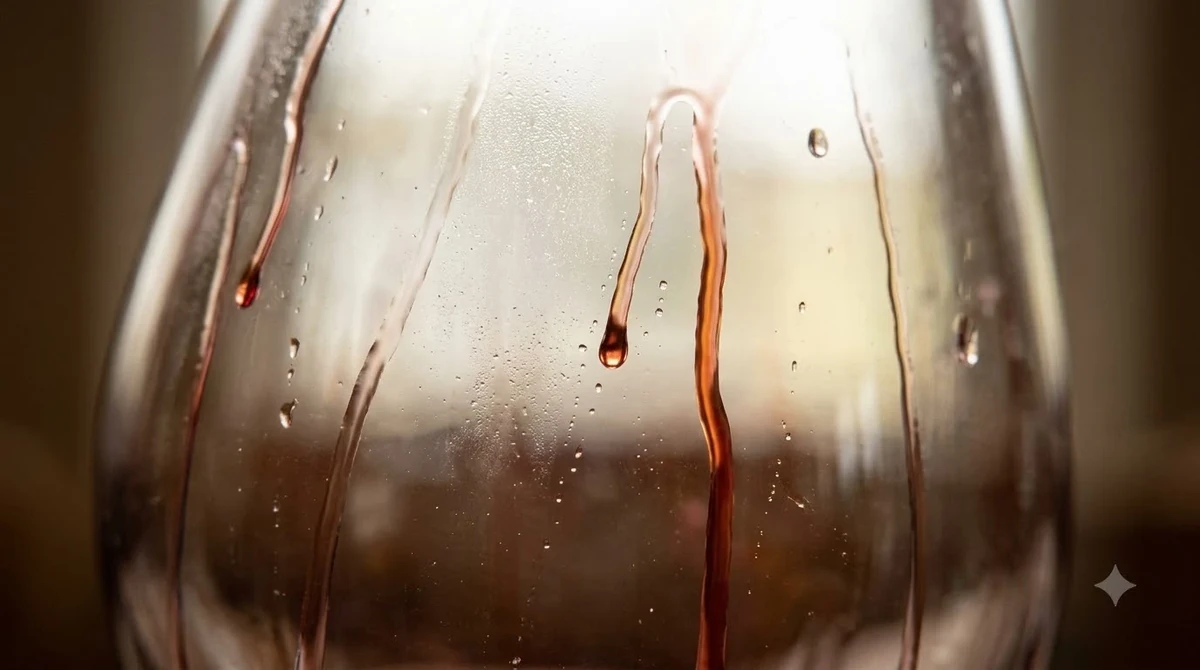
The recipe has changed considerably across different periods and publications. A historical version uses red Burgundy or Claret, sugar, lemon, orange, ice, and a dash of rum. A modern published recipe from Epicurious uses orange juice and lemon juice, adds approximately 4 ounces of red wine, and floats rum on top. Its classic Bishop cocktail recipe provides a convenient starting point for preparing the chilled version at home.
There is also a warm English version of Bishop that uses port wine and a roasted orange studded with cloves. This preparation is closer to mulled wine than to the chilled cocktail. The differences matter because ordering or searching for a Bishop can produce recipes with substantially different ingredients and serving temperatures.
For a straightforward homemade version, the chilled interpretation is an excellent starting point. It requires no special equipment, no complicated infusion, and no unusual ingredients. A cocktail shaker is helpful but not essential because the drink can be assembled directly in a glass.
Ingredients for a Classic Bishop Recipe
A good Bishop depends on balancing five main ingredients: red wine, orange, lemon, sugar, and rum. Fresh citrus provides brightness, while the wine supplies the main fruit character and rum adds a subtle spirit note.
The following quantities make one generous cocktail, based on the proportions in the published Epicurious recipe. They are intended for a 12-ounce highball glass.
Ingredients
- 4 ounces dry red wine: Choose a fruit-forward Burgundy-style wine, Pinot Noir, or an approachable Claret-style red.
- 2 tablespoons fresh lemon juice: Adds acidity and keeps the drink from tasting overly sweet.
- 1/4 cup fresh orange juice: Supplies natural sweetness and recognizable orange flavor.
- 1 teaspoon superfine sugar: Sweetens the cocktail and helps balance the citrus.
- 1 teaspoon light or aged rum: Adds a gentle spirit character without overpowering the wine.
- 1/2 cup crushed ice: Chills and slightly dilutes the finished cocktail.
- 1 orange slice: Provides a simple garnish.
Freshly squeezed juice is preferable because bottled citrus juice can have a flatter flavor. One medium orange usually supplies enough juice for a single serving, although the exact amount depends on its size and juiciness. A fresh lemon provides the acidity needed to balance the orange and sugar.
For the wine, avoid anything excessively tannic, heavily oaked, or strongly peppery. Cabernet Sauvignon can overwhelm the citrus because of its higher tannin level, while a softer Merlot or an acidic Pinot Noir generally produces a more harmonious drink. You do not need an expensive bottle; the wine simply needs to be pleasant enough to drink on its own.
Tip: If superfine sugar is unavailable, dissolve regular granulated sugar in a teaspoon of water before mixing. This prevents undissolved crystals from collecting at the bottom of the glass.
How to Make a Bishop Cocktail Step by Step
The chilled Bishop is easy to assemble in approximately 5 minutes. The most important steps are dissolving the sugar, balancing the citrus, and adding the red wine without excessive stirring.
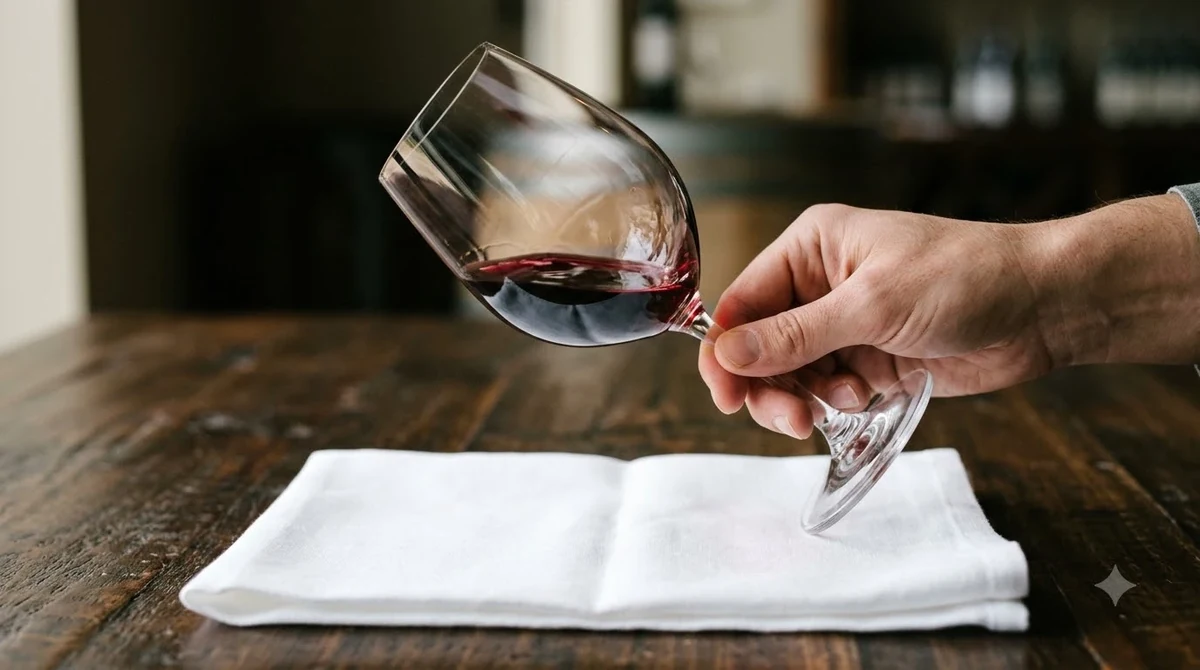
Step 1: Prepare the citrus
Juice one orange and one lemon, measuring out 1/4 cup of orange juice and 2 tablespoons of lemon juice. Remove any seeds and excessive pulp. If you prefer a particularly smooth cocktail, strain the juices through a fine-mesh strainer before using them.
Reserve a thin orange slice for the garnish. A small strip of orange peel can also provide an attractive finishing touch, especially if you want a more pronounced citrus aroma.
Step 2: Dissolve the sugar
Place the superfine sugar in a small mixing glass with the citrus juices. Stir until the crystals have dissolved. This step is important because undissolved sugar can make the first sip taste noticeably different from the last.
If you are using ordinary granulated sugar, combine it with a teaspoon of water first. Alternatively, use a small amount of simple syrup, adjusting the quantity gradually to avoid making the drink too sweet.
Step 3: Add the red wine
Pour approximately 4 ounces of dry red wine into the citrus mixture. Stir gently to combine. Avoid vigorous agitation because the goal is to bring the ingredients together, not introduce unnecessary air or break down the ice too quickly.
At this point, taste a small amount before adding the rum. If the mixture seems too tart, add a little more sugar syrup. If it tastes overly sweet, a small splash of lemon juice can restore the balance.
Step 4: Assemble over crushed ice
Fill a 12-ounce highball glass with approximately 1/2 cup of crushed ice. Pour the wine and citrus mixture over the ice, leaving enough room for the finishing ingredient and garnish.
Add 1 teaspoon of rum. The Epicurious preparation floats the rum on top, but you can also stir it gently into the finished drink. Floating it creates a slightly different first impression, while mixing distributes its flavor throughout the cocktail.
Step 5: Garnish and serve
Finish with an orange slice on the rim or inside the glass. Serve immediately while the drink is cold and the crushed ice is still firm.
A Bishop is best enjoyed shortly after preparation. As the ice melts, it dilutes the citrus, wine, and rum, gradually changing the drink’s balance. Preparing the juice and wine mixture in advance is convenient, but adding the ice just before serving produces a better result.
Choosing the Best Red Wine for a Bishop
A medium-bodied or light-bodied red with fresh fruit character is generally the best choice for a Bishop. The wine should complement the orange and lemon rather than compete with them through excessive tannin, oak, or alcohol.
Pinot Noir is a particularly useful option because its relatively low-to-medium tannin and naturally high acidity work well with citrus. Merlot is another approachable choice, especially if you prefer a softer, rounder cocktail. A traditional Claret-style red also suits the drink’s historical character.
Red wine comparison
| Wine | Tannin | Acidity | Suitability |
|---|---|---|---|
| Pinot Noir | Low to medium | High | Excellent |
| Merlot | Medium | Medium | Very good |
| Claret-style red | Varies | Varies | Very good |
| Cabernet Sauvignon | High | Medium | Use sparingly |
| Syrah | Medium-plus to high | Medium | Less suitable |
These descriptions reflect typical grape characteristics rather than fixed rules for every bottle. Winemaking choices and growing conditions can change the balance of acidity, tannin, and fruit in the finished wine.
For a particularly refreshing cocktail, choose a wine with red cherry, raspberry, or strawberry notes. These flavors complement orange juice without making the cocktail taste like fruit punch. A strongly oaked wine is less desirable because vanilla, toast, and heavy tannin can obscure the delicate citrus character.
There is also no need to use a wine that has spent years aging in a cellar. A youthful, fruit-forward red is generally more appropriate for this preparation. The wine should be fresh, balanced, and enjoyable before it is mixed.
Cold Bishop, English Bishop, and Other Variations
The name Bishop covers several historical preparations, so understanding the main variations helps you choose the right recipe. The chilled red-wine cocktail is convenient for casual entertaining, while the English version is a warming drink made with port and roasted citrus.
The traditional chilled Bishop
The chilled version combines red wine, lemon, orange, sugar, rum, and ice. A historical preparation provides an especially simple example, using red Burgundy or Claret, half a lemon, half an orange, sugar, and a dash of rum.
This version is appropriate for warm-weather gatherings, brunches, and informal cocktail occasions. Its refreshing character makes it a natural alternative to heavier spirit-forward drinks. You can also prepare a larger quantity of the citrus and wine mixture for a small group, provided you keep it refrigerated and add the ice and rum shortly before serving.
English Bishop with roasted orange
The English preparation has a different character. Jerry Thomas’s historical Bar-Tender’s Guide describes an orange studded with cloves, roasted until browned, quartered, and covered with hot port wine. Sugar is added, and the mixture simmers for approximately 30 minutes.
Another historical interpretation uses four roasted bitter oranges, claret, and sugar, with an overnight infusion before warming and serving. These versions produce a deeper drink with concentrated citrus and spice flavors. They are especially appropriate for cold evenings and winter entertaining.
Obispo de Cuba
The Obispo de Cuba, sometimes called the Cuban Bishop, is another related but distinct cocktail. Wine Enthusiast documents a version combining 1 1/2 ounces of dry gold rum, 1/2 ounce of lime juice, 1/2 ounce of simple syrup, and 1/2 ounce of red wine.
Unlike the orange-forward chilled Bishop, this variation has a stronger rum presence and uses lime rather than orange juice. The ingredients are shaken with ice and strained into a chilled coupe glass. It is a useful alternative if you enjoy rum-based sour cocktails and want a drink with less wine. The Obispo de Cuba recipe and cocktail history from Wine Enthusiast provides further details about this interpretation.
For another wine-based drink with a different flavor profile, consider a port and tonic recipe. Its combination of fortified wine and tonic water offers a lighter, more bittersweet alternative to the citrus-rich Bishop.
Serving Temperature, Glassware, and Preparation Tips
Serve a chilled Bishop cold, preferably immediately after mixing. A highball glass is the traditional practical choice for the citrus-and-ice version, while a coupe is suitable for a smaller, strained cocktail such as the Obispo de Cuba.
The wine does not need to be served at full red-wine room temperature because the finished drink contains ice and citrus. Chilling the wine before preparation helps keep the cocktail refreshing without requiring excessive ice.
Glassware and temperature
A 12-ounce highball glass provides enough space for the ingredients, crushed ice, and orange garnish. If you are making the drink for guests, pre-chill the glasses for several minutes so the ice melts more slowly after pouring.
For reference, the usual wine-serving temperatures vary by style:
- Light red wines: 55–60 degrees Fahrenheit.
- Full-bodied red wines: 60–65 degrees Fahrenheit.
- Light whites and rosé: 45–50 degrees Fahrenheit.
- Sparkling wines: 40–50 degrees Fahrenheit.
These temperatures are useful starting points for serving wine on its own. For a Bishop, a chilled bottle is more practical because the cocktail is served over ice.
Preparing for a gathering
If you are preparing several servings, combine the orange juice, lemon juice, sugar, and red wine in a covered pitcher. Refrigerate the mixture until needed. Keep the rum separate if you want to control the strength of individual drinks.
When guests arrive, fill each glass with crushed ice, pour in the prepared mixture, and add the measured rum. Finish with fresh orange slices. This approach saves time without allowing the ice to dilute the entire batch before serving.
For a larger gathering, it is useful to calculate the ingredients before mixing. A standard 750-milliliter wine bottle contains approximately 25.4 fluid ounces, enough for about six servings using 4 ounces of wine per cocktail, with a little wine remaining. If you are planning to serve five guests, one bottle is sufficient for the wine component.
For a different winter-friendly wine cocktail, a red wine hot chocolate recipe offers a richer combination of chocolate and red wine. It is a better choice for guests who prefer a warm, dessert-style beverage.
Food Pairings for a Bishop Cocktail
The Bishop’s combination of red wine, orange, lemon, and rum makes it suitable for foods that have moderate richness, savory flavors, and a little natural sweetness. Choose dishes that complement the citrus rather than overwhelm it with intense heat or heavy seasoning.
Cheese and charcuterie are easy starting points. Mild aged cheddar, Gouda, and semi-soft cheeses offer enough richness to balance the cocktail’s acidity. Cured meats, roasted nuts, and lightly seasoned crackers also work well for an informal gathering.
Cheese and savory snacks
Cheddar and Gouda are especially useful because their fat and salt soften the perception of wine tannin. This helps the red wine component feel less drying against the food. A small cheese board with sliced apples, toasted almonds, and mild cured meats provides several complementary textures.
Avoid making very salty or heavily smoked foods the entire focus of the menu. Strong smoke, intense vinegar, and aggressively seasoned sauces can compete with the fresh orange and lemon. A balanced selection of savory and mildly sweet items gives the cocktail room to express its fruit character.
Roasted meats and poultry
Roasted chicken, glazed ham, and herb-seasoned turkey are suitable choices. Their savory flavors complement the red wine, while moderate sweetness in a glaze can echo the orange notes in the drink.
For a simple menu, serve roasted chicken with orange-herb vegetables and a small portion of rice or potatoes. The dish does not need a complicated sauce because the Bishop already provides fruit and acidity.
Desserts and fruit
Chocolate desserts can also pair nicely with the richer English Bishop, particularly when the drink contains port and roasted orange. Dark chocolate, orange cake, almond biscuits, and fruit tarts are practical options.
When pairing a wine-based cocktail with dessert, remember that the wine should be at least as sweet as the dessert for a balanced combination. A very sweet dessert can make a dry red-wine cocktail taste sour or thin. Choose moderately sweet desserts or adjust the sweetness of the cocktail to suit the food.
For a broader overview of matching flavors, textures, acidity, and sweetness, explore our Wine Recipes & Cocktails resource. These principles also help when selecting appetizers and desserts for a mixed group of guests.
Frequently Asked Questions
Why is the drink called a Bishop?
The exact origin of the name is uncertain. Historical explanations have connected it with the deep reddish-purple color of the drink and with references to the clergy. The name also appears alongside related drinks called Archbishop, Cardinal, and Pope in older cocktail literature.
Can you make a Bishop without alcohol from spirits?
Yes. Omit the rum and increase the red wine slightly, or replace the rum with a small amount of chilled black tea for additional depth. The result will not be identical to the traditional cocktail, but the orange, lemon, and red wine still provide its recognizable flavor combination.
Can white wine be used instead of red wine?
White wine can produce a pleasant citrus cocktail, although it will no longer resemble the traditional red-wine Bishop. A dry Riesling or Sauvignon Blanc offers refreshing acidity, while a lightly oaked Chardonnay gives a rounder result. Reduce the lemon slightly if the selected wine is already particularly acidic.
Is port the same as the red wine used in a Bishop?
No. Port is a fortified wine, generally richer and sweeter than ordinary table wine because grape spirit is added during production. It is associated with historical English Bishop preparations, whereas the chilled cocktail commonly uses dry red wine such as Burgundy or Claret.
What is the difference between a Bishop and a sangria?
A Bishop is traditionally a specific cocktail made with red wine, citrus, sugar, and rum. Sangria is a broader family of wine punches that commonly includes chopped fruit and may incorporate brandy, liqueurs, or sparkling mixers. A Bishop is generally prepared as an individual drink, while sangria is frequently made in a pitcher or punch bowl.
A homemade Bishop is a simple way to combine red wine, fresh citrus, and rum into a refreshing cocktail with a long history. Start with a fruit-forward Pinot Noir or Merlot, adjust the sweetness to your preference, and serve it over plenty of crushed ice. Once you are comfortable with the chilled version, try the roasted-orange English preparation for a warming alternative.
More in Food & Wine Pairing
 Risotto With White Wine Recipe: Make a Creamy Dinner at HomeUpdated Nov 20, 2026
 Wassail With Wine Recipe for a Festive Spiced Holiday DrinkUpdated Nov 20, 2026
 Spritz Veneziano Recipe: Make a Classic Venetian Aperitivo at HomeUpdated Nov 20, 2026
 Summer Wine Punch Recipe for Easy Homemade EntertainingUpdated Nov 20, 2026
 Wine Cupcakes Recipe: Bake Rich Chocolate Cupcakes at HomeUpdated Nov 20, 2026
 What Wine Goes With Truffles: Find the Perfect Pairing for Every DishUpdated Nov 20, 2026