

We may earn a commission when you buy through links on this page, at no extra cost to you. Learn more.
This summer wine punch recipe combines chilled white wine, fresh seasonal fruit, citrus juice, a little brandy, and sparkling water to create a refreshing batch drink for summer gatherings. It takes about 15 minutes of active preparation and makes approximately 10 servings. You can prepare the wine and fruit mixture ahead of time, refrigerate it, and add the sparkling water just before serving for a lively finish.
A pitcher or punch bowl of homemade wine punch makes entertaining easier because guests can serve themselves while you concentrate on the food and company. The best version balances fruity flavors, crisp acidity, gentle sweetness, and enough carbonation to keep every glass refreshing. This recipe uses strawberries, peaches, oranges, and lemons, although the fruit can change with the season. You also have flexibility with the wine, making it easy to create a white, rosé, or red version without changing the basic preparation method.
Summer Wine Punch Recipe: Ingredients and Measurements
This recipe makes approximately 10 servings using a 750 ml bottle of wine and a combination of fruit, citrus, juice, and sparkling water. The ingredients are straightforward, and each contributes something different to the finished drink.

Ingredients:
- 1 bottle (750 ml) dry white wine, preferably Sauvignon Blanc or Pinot Grigio
- 1 cup sliced fresh strawberries
- 1 cup diced ripe peaches
- 1 orange, thinly sliced
- 1 lemon, thinly sliced
- 1/2 cup fresh orange juice
- 1/4 cup fresh lemon juice
- 1/4 cup brandy
- 2 tablespoons simple syrup, with more available to taste
- 2 cups chilled sparkling water or club soda
- 1 cup fresh blueberries
- Fresh mint leaves for garnish
- Ice for serving
The dry white wine provides the main structure, while strawberries and peaches contribute natural fruitiness. Orange juice adds sweetness and citrus character, and lemon juice supplies acidity to keep the mixture from tasting heavy. Brandy gives the punch a little additional depth, but its quantity stays modest so the wine and fruit remain the main attractions.
Simple syrup makes sweetness easier to control than granulated sugar because it dissolves immediately in a cold mixture. Start with 2 tablespoons and adjust after chilling. The sparkling water adds freshness and lengthens the drink without introducing another strong alcoholic ingredient.
For the fruit, select ripe peaches with fragrant flesh, firm strawberries, and oranges that feel heavy for their size. Avoid fruit that is bruised, moldy, or excessively soft. Fresh ingredients matter because their flavors become part of the liquid as the mixture rests.
Tip: Refrigerate the wine, juice, fruit, and sparkling water before preparing the punch. Starting with cold ingredients reduces the amount of melting ice needed and helps preserve the drink’s flavor.
How to Make Homemade Wine Punch Step by Step
Making wine punch involves preparing the fruit, combining the still ingredients, allowing the flavors to mingle, and finishing with carbonation. The process requires little equipment and does not involve cooking.
Step 1: Prepare the fruit. Wash the strawberries, blueberries, orange, lemon, and peaches under cool running water. Remove the strawberry stems, slice the berries, and cut the peaches into bite-sized pieces. Slice the orange and lemon into thin rounds, removing any visible seeds.
Step 2: Combine the citrus and sweetener. Pour the orange juice and lemon juice into a large pitcher or punch bowl. Add the simple syrup and brandy. Stir until the ingredients are evenly combined. This creates the flavorful liquid base before the wine and fruit are added.
Step 3: Add the wine. Slowly pour in the chilled 750 ml bottle of white wine. Stir gently with a long spoon. Avoid vigorous mixing because the goal is to combine the ingredients without introducing unnecessary air or splashing the drink.
Step 4: Add the fresh fruit. Add the strawberries, peaches, blueberries, orange slices, and lemon slices. Stir gently so the fruit is distributed throughout the mixture. A few pieces of fruit can be reserved for the final garnish.
Step 5: Refrigerate. Cover the pitcher or punch bowl and refrigerate for approximately 30 to 60 minutes. This gives the fruit and citrus time to contribute flavor while keeping the drink cold. Avoid leaving delicate sliced fruit in the wine for an excessively long period because it can become soft and release bitter notes.
Step 6: Finish with sparkling water. Just before serving, remove the punch from the refrigerator and stir it gently. Pour in the chilled sparkling water or club soda. Give the mixture one careful stir to distribute the bubbles without allowing too much carbonation to escape.
Step 7: Serve. Fill glasses with fresh ice and ladle the punch over it. Add a strawberry slice, peach wedge, orange wheel, or mint sprig to each glass. Serve immediately while the drink is cold and sparkling.
The preparation can be simplified by using a large beverage dispenser, but make sure it has a lid or another way to keep the punch protected between servings. A pitcher works particularly well for smaller gatherings because it is easier to refrigerate and refill.
Choosing the Best Wine for Summer Punch
Dry, fruit-forward white wine is an excellent starting point because it provides refreshing acidity without overpowering strawberries, peaches, and citrus. Sauvignon Blanc, Pinot Grigio, and unoaked Chardonnay are useful options, while rosé and light red wine offer different flavor profiles.
Wine selection influences the final sweetness, acidity, aroma, and body of the punch. A crisp Sauvignon Blanc works particularly well with lemon, orange, and strawberries. Pinot Grigio offers a lighter profile, while unoaked Chardonnay brings a rounder texture that suits ripe peaches and blueberries.
For a rosé variation, choose a dry bottle with fresh strawberry, watermelon, or citrus character. Rosé is especially useful when the recipe includes berries and stone fruit because its fruit flavors connect naturally with those ingredients. Avoid heavily sweetened rosé if the recipe already contains juice and simple syrup.
Red wine can also work, particularly if you prefer a deeper, more traditional sangria-style punch. Pinot Noir is a useful option because its relatively low-to-medium tannin and high acidity make it more adaptable to fresh fruit than heavily tannic Cabernet Sauvignon. Spanish Rioja made from Tempranillo is another recognizable choice for a red wine variation.
Wine choices and their flavor profiles
| Wine style | Flavor profile | Good fruit combinations | Serving temperature |
|---|---|---|---|
| Sauvignon Blanc | Citrus, green fruit, refreshing acidity | Strawberries, oranges, lemons | 45–50 F |
| Pinot Grigio | Light, crisp, delicate fruit | Peaches, blueberries, oranges | 45–50 F |
| Unoaked Chardonnay | Rounder texture, apple, citrus | Peaches, apples, strawberries | 50–55 F |
| Dry Rosé | Red berries, watermelon, citrus | Strawberries, raspberries, peaches | 45–50 F |
| Pinot Noir | Red cherry, light tannin, acidity | Cherries, oranges, blackberries | 55–60 F |
| Tempranillo | Red fruit, moderate structure | Oranges, apples, blackberries | 55–60 F |
These temperatures are useful serving ranges for the wine styles themselves. For a finished summer punch, aim for a thoroughly chilled mixture and serve it over ice. The additional fruit juice and sparkling water make the drink different from a straight glass of wine.
One important consideration is tannin. Cabernet Sauvignon and Syrah have more pronounced tannin than Pinot Noir, and their structure can make a light fruit punch feel heavier. They are not impossible to use, but the resulting drink will have a more substantial character. For the easiest summer preparation, start with a crisp white or dry rosé.
Wine quality matters as well. Choose a bottle that tastes pleasant on its own rather than relying on juice and fruit to conceal unpleasant flavors. The wine remains a major component even after mixing, so its character should complement the other ingredients. Bon Appétit’s advice on choosing wine and ripe fruit for sangria also emphasizes that the wine’s flavor remains noticeable after the other ingredients are added.
Fresh Fruit, Citrus, and Flavor Combinations
The best fruit combinations balance sweetness, acidity, texture, and aroma. Strawberries, peaches, oranges, lemons, and blueberries make a dependable summer combination, but cherries, raspberries, watermelon, and pineapple can also work.
Strawberries bring recognizable berry sweetness and a pleasant aroma. Peaches add a soft, juicy stone-fruit character that works particularly well with white wine and rosé. Blueberries contribute a milder flavor and attractive color without introducing as much sharp acidity as citrus fruit.
Oranges and lemons have a different purpose. Orange provides aromatic sweetness, while lemon contributes acidity that helps balance fruit juice and sweetener. If you prefer a more tropical profile, replace some of the peaches with pineapple and add a little lime juice. This combination works especially well with Sauvignon Blanc or a light rosé.
Fruit combinations worth trying
- Classic summer berry: Strawberries, blueberries, raspberries, orange, and lemon with dry Sauvignon Blanc.
- Peach and citrus: Peaches, oranges, lemons, and a small amount of fresh mint with Pinot Grigio.
- Tropical fruit: Pineapple, mango, lime, and orange with dry rosé or Sauvignon Blanc.
- Red fruit: Cherries, strawberries, orange, and blackberries with Pinot Noir.
- Melon and mint: Watermelon, honeydew, lime, and mint with a crisp white wine.
Cut fruit into pieces that are easy to manage with a ladle. Thin citrus wheels look attractive in a transparent pitcher, while smaller berries and peach pieces are easier to distribute evenly. Avoid cutting everything into extremely small pieces because they can become difficult to strain or remove from individual glasses.
Fresh herbs provide another way to change the flavor. Mint is a natural match for peaches, berries, and watermelon. A small amount of basil works with strawberries and citrus, while rosemary can add an interesting aromatic note to a peach and orange combination. Use herbs sparingly so they do not overpower the wine.
Sweetness should remain adjustable. Very ripe peaches and strawberries can make the punch naturally sweet, while tart berries and lemons may require a little more syrup. Begin with the listed 2 tablespoons of simple syrup, chill the mixture, and taste before making adjustments. This prevents the finished drink from becoming unnecessarily sugary.
Preparing Wine Punch Ahead and Keeping It Cold
Most of the preparation can be completed before guests arrive, but sparkling water should remain separate until serving time. A refrigerated fruit and wine base makes hosting easier, while carefully managed ice keeps the finished drink from becoming diluted.
For a party beginning at 6 p.m., you can wash and prepare the fruit during the afternoon, mix the wine, juices, brandy, and fruit around 5 p.m., and refrigerate the mixture until serving. Keep the sparkling water chilled separately. Add it when guests are ready for their first glasses.
Preparing the mixture too far in advance can reduce its freshness. Citrus juice is particularly sensitive to oxidation, and cut fruit gradually loses its texture. Liquor.com recommends limiting advance preparation of citrus-based batches to approximately one or two days and keeping them refrigerated. For this fresh-fruit recipe, preparing the mixture on the day of the gathering is a particularly practical approach.
For more detailed guidance, Liquor.com’s recommendations for preparing large-format cocktails explain why refrigeration, controlled dilution, and adding sparkling ingredients shortly before serving matter when making punch ahead.
For best results, follow these storage and serving guidelines:
- Keep the prepared wine and fruit mixture covered in the refrigerator.
- Prepare delicate sliced fruit shortly before mixing when possible.
- Keep sparkling water or club soda chilled until needed.
- Add carbonation immediately before serving.
- Use fresh ice in serving glasses rather than allowing a large quantity of small cubes to melt in the pitcher.
- Keep the punch bowl away from direct sunlight and outdoor heat.
A large ice block is another useful option. Because it has less exposed surface area than many small cubes, it melts more slowly and helps maintain a colder punch with less dilution. You can make one by freezing water in a clean, food-safe container. Add it shortly before serving.
Liquor.com discusses approximately 20% dilution as a useful starting point for large-format cocktails. That figure is a general cocktail guideline rather than a mandatory measurement for this recipe. Since this punch already contains fruit juice and sparkling water, start with the listed ingredients and use ice according to the serving conditions.
Do not place a lower-alcohol wine punch in the freezer as a substitute for refrigeration. Such mixtures can freeze solid, making them difficult to serve and potentially changing their texture. A refrigerator, chilled ingredients, and a suitable ice arrangement provide better temperature control.
If the punch will be served over several hours, consider dividing the mixture into two pitchers. Keep one refrigerated while the first is being served. This helps preserve the freshness of the second batch and reduces the amount of time the fruit sits at room temperature.
Serving Ideas and Food Pairings for Summer Wine Punch
Summer wine punch works best with food that complements its fruit, acidity, and refreshing character. Grilled vegetables, seafood, fresh salads, mild cheeses, and lighter appetizers are natural choices for an outdoor meal.
For a casual gathering, serve the punch with a platter of fresh mozzarella, tomatoes, basil, and crusty bread. The acidity of the citrus and wine cuts through the creamy texture of mozzarella, while the tomatoes reinforce the drink’s fresh fruit character.
Grilled chicken is another dependable pairing. Chicken skewers with lemon, garlic, and herbs work particularly well with white wine punch. If the recipe uses rosé and strawberries, consider grilled chicken with a mild fruit salsa or a peach salad.
Seafood can also be a good match, particularly when it is prepared with lemon rather than heavy sauces. Grilled shrimp, steamed mussels, and white fish with fresh herbs complement crisp Sauvignon Blanc and Pinot Grigio punch. Avoid pairing heavily tannic red wine punch with oily fish because the tannins can create an unpleasant metallic impression.
Food pairing suggestions
- Grilled shrimp: Pair with citrus-heavy Sauvignon Blanc punch and fresh herbs.
- Caprese salad: Match mozzarella, tomatoes, and basil with strawberry and peach punch.
- Grilled chicken: Serve with a dry rosé punch containing orange and fresh berries.
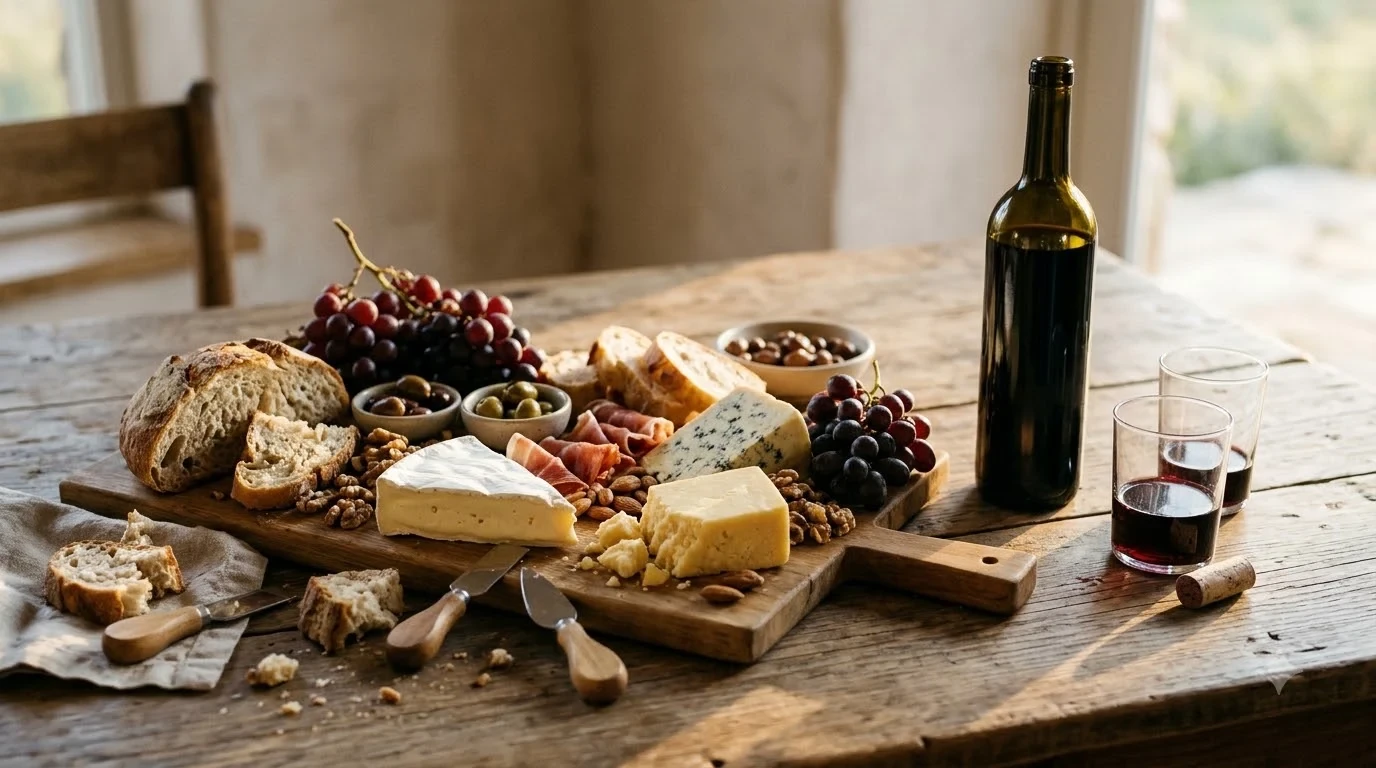
- Cheese boards: Choose Brie, young Gouda, or mild goat cheese for a fruit-forward white wine punch.
- Fresh fruit platters: Use melon, peaches, strawberries, and grapes to echo the flavors in the drink.
- Vegetable skewers: Grilled zucchini, bell peppers, and mushrooms complement a crisp white wine base.
Sweetness is important when choosing dessert. Wine should generally be at least as sweet as the dessert served alongside it. A dry wine punch may taste sour or thin next to a very sweet cake or fruit tart. For dessert, consider serving the punch with lightly sweetened shortbread, fresh berries, or a less sugary peach tart.
Salt and fat can soften the perception of tannin, so a red wine punch can work with salty cheeses and richer grilled foods. However, spicy dishes require more care. Alcohol and tannin can amplify chili heat, so a highly alcoholic, tannic punch is not the best choice for very spicy barbecue. A lighter white or rosé version is generally more accommodating.
For additional ideas, explore our Wine Recipes & Cocktails section for inspiration on matching drinks with different meals. If you prefer a fortified wine-based drink, a port and tonic recipe offers another refreshing option. Those who enjoy more complex fortified wine flavors can also explore a sherry cocktail recipe.
Presentation can make the punch feel more inviting without requiring complicated decoration. Use a transparent glass pitcher, add several colorful fruit slices, and place mint leaves near the surface. Serve in wine glasses, stemless glasses, or small tumblers. A serving size of approximately 5 ounces is a useful wine-based reference, although guests may prefer smaller or larger pours depending on the occasion.
Adjusting the Recipe for Different Gatherings
The basic recipe can be adapted for different party sizes and flavor preferences without changing the essential preparation sequence. Keep the wine, fruit, juice, and sparkling ingredients in proportion, and make sweetness adjustments after chilling.
For a smaller gathering of five people, use half a bottle of wine and reduce the other ingredients by approximately half. A smaller pitcher is sufficient, and you can prepare individual glasses with their own sparkling water topping. This is particularly useful when guests prefer different sweetness levels or fruit combinations.
For a larger group, doubling the recipe gives you approximately 20 servings. Use two 750 ml bottles of wine, 2 cups each of strawberries and peaches, 2 oranges, 2 lemons, 1 cup orange juice, 1/2 cup lemon juice, and 1/2 cup brandy. Double the syrup and sparkling water initially, then adjust to taste after chilling.
Do not assume that every ingredient must be increased without tasting. Fruit varies in sweetness and acidity, and different wine bottles can have noticeably different flavor profiles. Make the base, chill it, taste it, and then make small adjustments before adding the sparkling water.
Easy recipe variations
White wine and elderflower: Replace some of the simple syrup with elderflower syrup. Use Sauvignon Blanc, strawberries, peaches, and lemon. This creates a floral variation with a fresh citrus finish.
Rosé and watermelon: Use dry rosé, watermelon cubes, strawberries, lime juice, and mint. Keep the sweetener modest because watermelon contributes natural sweetness.
Red wine summer punch: Substitute Pinot Noir or a fruit-forward Tempranillo for white wine. Use cherries, oranges, strawberries, and a little orange juice. A smaller amount of sparkling water can lighten the more substantial flavor.
Sparkling wine punch: Replace the still white wine with chilled sparkling wine. Prepare the fruit, citrus, and juice mixture separately, then pour in the sparkling wine just before serving. Do not stir vigorously because this releases carbonation.
Lower-alcohol variation: Use less wine and increase the sparkling water and fruit juice. This produces a lighter drink, although the amount of dilution should be adjusted carefully to avoid washing out the wine and fruit flavors.
Alcohol-free variation: Replace the wine and brandy with chilled white grape juice, sparkling water, and a little extra lemon juice. Use the same strawberries, peaches, oranges, blueberries, and mint. Keep the sweetness balanced and prepare it in a separate, clearly identified pitcher.
For another seasonal drink idea, our red wine hot chocolate recipe offers a richer preparation for colder weather. It uses a very different flavor combination, but it illustrates how wine can be incorporated into drinks for different occasions.
Frequently Asked Questions
Can I use frozen fruit instead of fresh fruit?
Yes. Frozen strawberries, blueberries, and peaches can be used if fresh fruit is unavailable. Thaw them in the refrigerator first and drain excess liquid if necessary. Frozen fruit can release more juice as it softens, so begin with less added syrup and adjust the sweetness after chilling.
Can I make wine punch without brandy?
Yes. Brandy is optional and does not determine whether the drink qualifies as wine punch. Simply omit the 1/4 cup and retain the wine, fruit, juice, and sparkling water. If you want additional aromatic complexity without another spirit, try a little elderflower syrup or fresh mint instead.
What is the difference between wine punch and sangria?
Sangria is a recognizable wine-based drink traditionally associated with Spain and Portugal, while wine punch is a broader category of mixed drinks served in batches. Sangria commonly features red wine, sliced fruit, and orange liqueur, although white wine and rosé versions are also popular. Wine punch can include a wider range of ingredients, including fruit juices, tea, sparkling water, and sparkling wine.
Can I use sparkling rosé in this recipe?
Yes. Sparkling rosé can replace the still wine and sparkling water for a more pronounced bubbly finish. A dry sparkling rosé is particularly suitable with strawberries, peaches, and raspberries. Add it immediately before serving, and reduce or omit the additional sparkling water to prevent excessive dilution.
How many bottles of wine are needed for 25 guests?
For approximately 25 servings based on this recipe’s 10-serving yield, plan on roughly three 750 ml bottles if you scale the recipe to 30 servings. A standard 750 ml bottle contains approximately 25.4 fluid ounces, and a traditional 5-ounce wine pour produces about five glasses before additional ingredients are included. The finished punch yield will be larger because of the juice, fruit, and sparkling water.
A homemade summer wine punch is an easy way to serve a refreshing, fruit-forward drink without preparing individual cocktails throughout a gathering. Start with a crisp wine, ripe seasonal fruit, balanced citrus, and chilled sparkling water, then adjust the sweetness to suit your ingredients. Prepare the base ahead, add the bubbles at the last minute, and serve cold alongside fresh summer food.
More in Food & Wine Pairing
 Risotto With White Wine Recipe: Make a Creamy Dinner at HomeUpdated Nov 20, 2026
 Wassail With Wine Recipe for a Festive Spiced Holiday DrinkUpdated Nov 20, 2026
 Spritz Veneziano Recipe: Make a Classic Venetian Aperitivo at HomeUpdated Nov 20, 2026
 Bishop Recipe: How to Make a Bright, Citrus-Forward Red Wine CocktailUpdated Nov 20, 2026
 Wine Cupcakes Recipe: Bake Rich Chocolate Cupcakes at HomeUpdated Nov 20, 2026
 What Wine Goes With Truffles: Find the Perfect Pairing for Every DishUpdated Nov 20, 2026