

We may earn a commission when you buy through links on this page, at no extra cost to you. Learn more.
A red wine hot chocolate recipe combines fruit-forward red wine, melted chocolate, cocoa, and milk for a rich, gently wine-scented drink you can make on the stovetop. The best version balances semisweet chocolate with a medium-bodied red such as Merlot or Zinfandel. Warm the dairy and chocolate first, then stir in the wine over low heat so the mixture stays smooth rather than boiling.
This cozy dessert drink sits between classic hot cocoa and mulled wine: creamy and chocolate-led, with dark-fruit flavor and a little wine structure in the finish. The recipe below makes four small mugs, uses everyday ingredients, and leaves room to adjust the sweetness, chocolate intensity, and garnish.
Why Red Wine and Chocolate Work Together
Red wine hot chocolate works because ripe fruit, cocoa bitterness, and dairy richness can balance one another in the same cup. The goal is not to make the wine disappear; it is to give the chocolate enough sweetness and creaminess to meet the wine’s acidity and tannin.
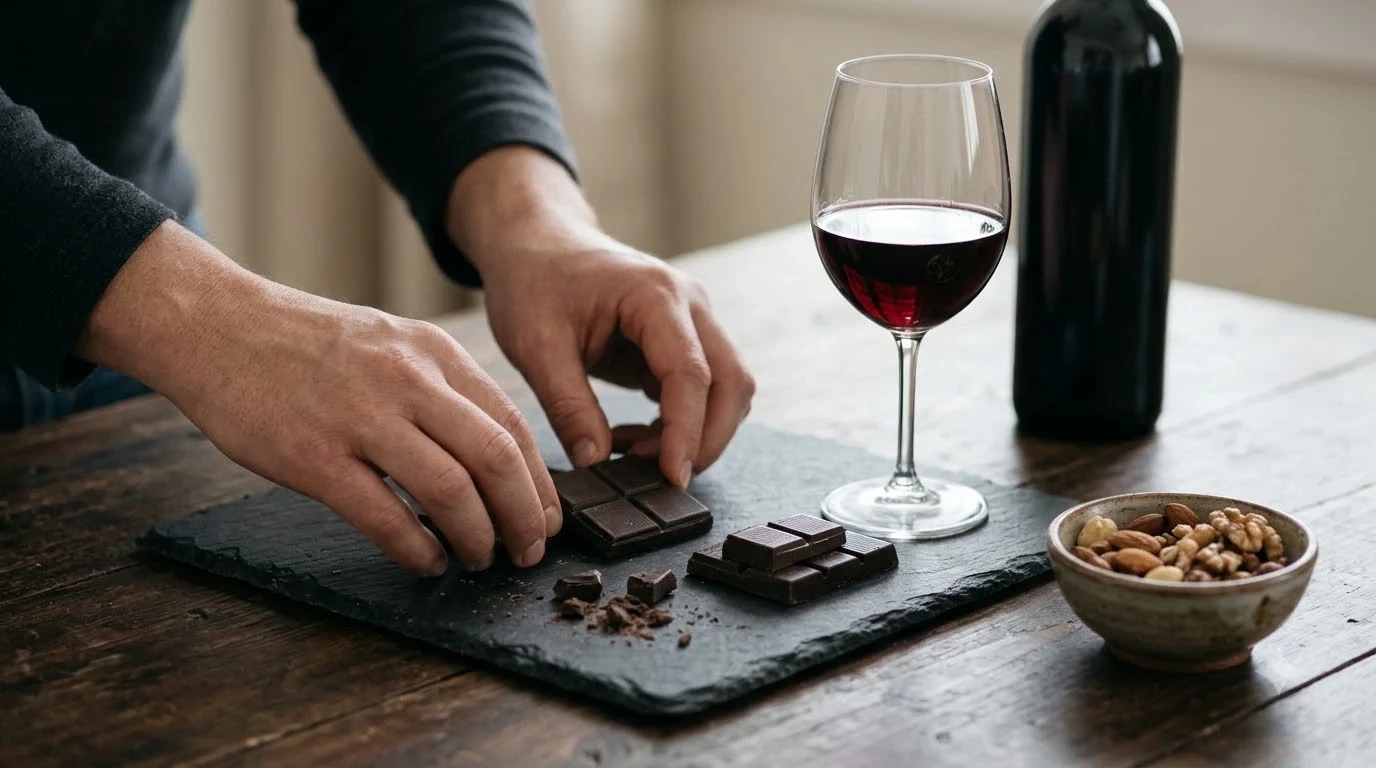
Dark chocolate naturally has bitter, drying notes that can echo the tannins in red wine. Wine Enthusiast recommends matching the weight of the chocolate with the weight of the wine, and its pairing guidance points to dark chocolate in the 67% to 72% cacao range as a good partner for bigger reds. In a hot chocolate recipe, however, milk and added sugar soften that intensity. Semisweet chocolate around 50% to 65% cacao gives a friendlier starting point, especially when the drink also contains unsweetened cocoa.
Milk fat and cream round out the texture, while a little brown sugar smooths the cocoa’s bitterness. Salt is useful in a small amount because it sharpens the chocolate flavor without making the drink taste salty. The wine contributes berry, plum, spice, or pepper notes, depending on the grape and style. A medium-bodied red keeps those flavors present without overwhelming the chocolate.
Think of this as a dessert cocktail rather than a standard cup of cocoa. It is fuller and more layered than plain hot chocolate, but it should still taste like chocolate first. For a broader look at matching cacao intensity with wine structure, see our guide to what wine goes with dark chocolate.
Ingredients for Four Mugs
This formula uses 2 cups of whole milk, 1/2 cup of cream, and 3/4 cup of red wine to make four modest servings. Semisweet or bittersweet chocolate supplies body, while unsweetened cocoa deepens the flavor without adding extra sweetness.
Use the measurements below as a balanced starting point. Finely chopping a bar of chocolate helps it melt quickly and evenly; chips also work, though some brands contain stabilizers that can make the finished drink slightly thicker.
| Ingredient | Amount | What it does |
|---|---|---|
| Whole milk | 2 cups | Creates the creamy base |
| Heavy cream | 1/2 cup | Adds richness and softens tannin |
| Semisweet chocolate, chopped | 4 ounces | Provides the main chocolate flavor |
| Unsweetened cocoa powder | 2 tablespoons | Deepens the cocoa character |
| Brown sugar | 2 tablespoons | Balances cocoa bitterness and wine acidity |
| Fruit-forward red wine | 3/4 cup | Adds dark-fruit flavor and wine structure |
| Vanilla extract | 1 teaspoon | Rounds out the aroma |
| Fine salt | 1 small pinch | Balances sweetness and chocolate |
| Ground cinnamon | 1/8 teaspoon, optional | Adds a gentle warming spice |
Choose chocolate that tastes pleasant on its own rather than an extra-bitter baking bar. A 55% to 65% cacao bar gives enough depth while leaving room for the wine’s fruit. With chocolate above 70% cacao, start with 1 tablespoon of brown sugar and adjust after tasting.
Measure 3/4 cup from a bottle you would happily drink at the table. Merlot, Zinfandel, Shiraz, and Chambourcin bring ripe fruit, while a strongly oaked, very tannic red can make the cocoa seem harsher.
How to Make Red Wine Hot Chocolate on the Stovetop
Make the chocolate base smooth before adding the wine, and heat the finished drink gently. A 5- to 7-minute stovetop process is enough for the dairy and chocolate to come together; boiling is unnecessary.
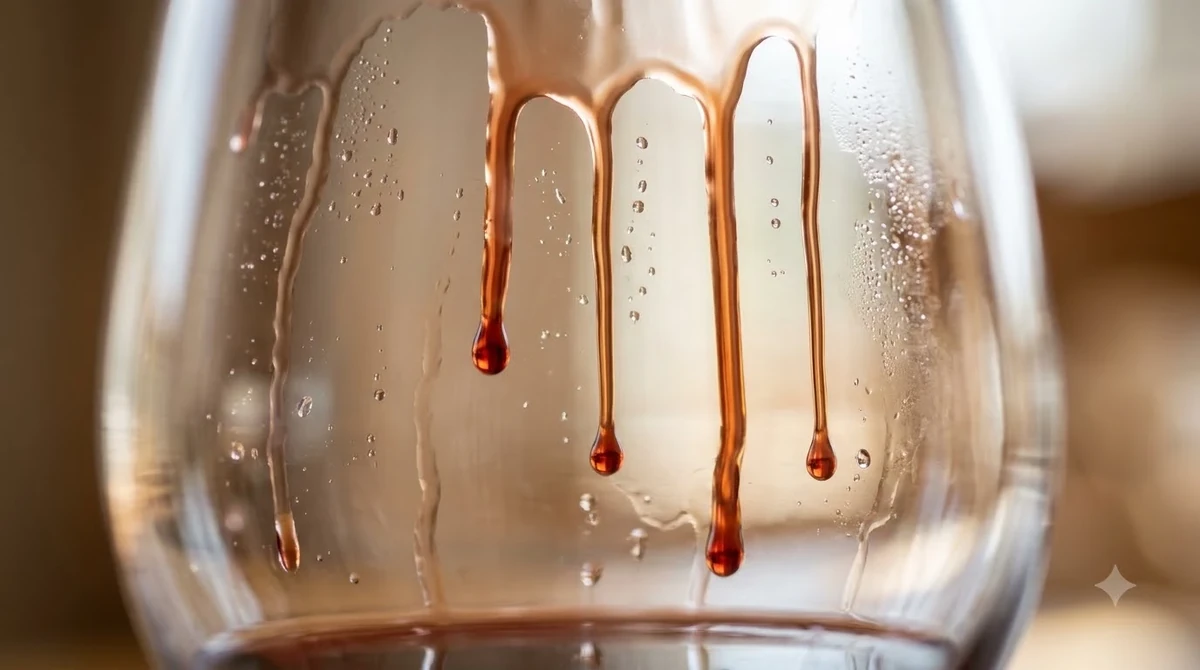
1. Prepare and warm. Finely chop 4 ounces of chocolate if using a bar. In a small bowl, stir the cocoa powder with the brown sugar and salt to disperse it evenly. Pour the milk and cream into a medium, preferably heavy-bottomed saucepan and warm over medium-low heat until steam begins to rise. Stir occasionally and do not let the milk reach a rolling boil; scorched dairy can leave a cooked flavor that is difficult to hide beneath the chocolate.
2. Melt, blend, and add wine. Lower the heat and whisk in the cocoa-sugar mixture. Add the chopped chocolate in two or three portions, whisking after each until melted; continue for about 2 minutes, until glossy and lump-free. Stir in the vanilla and optional cinnamon. Turn the burner to its lowest setting, slowly pour in the wine while whisking, and warm for 1 to 2 minutes until hot and integrated. Do not boil the mixture, which can make the dairy less pleasant in texture and push the wine’s alcohol and acidity to the front.
3. Taste and serve. Taste a spoonful before pouring. Add a teaspoon of brown sugar if the cocoa is too bitter, or a splash of warm milk if the wine seems too prominent. Divide among four heatproof mugs and finish with one topping rather than several competing garnishes. If the mixture catches on the bottom, lift the pan from the burner and whisk; for a larger batch, scale every ingredient proportionally and use a wide pot.
Choose a Red Wine That Complements Cocoa
Choose a fruit-forward wine with moderate tannin and enough body to stand beside chocolate. Merlot is the easiest starting point; Zinfandel, Shiraz, and Chambourcin offer different fruit and spice profiles for a bolder version.
Merlot usually brings softer tannins than Cabernet Sauvignon, with plum and dark-cherry flavors that sit comfortably beside semisweet chocolate. That softer structure adds depth without making each sip feel drying. Zinfandel can bring raspberry, blackberry, and baking-spice notes; California Grown describes its range with flavors that include raspberry, black pepper, cloves, and licorice. Use Zinfandel when you want the wine to be more noticeable, but taste before adding extra sugar because a ripe style can already suggest sweetness.
Shiraz, also called Syrah in many regions, gives the drink a darker, savory edge. Its fuller body and medium-plus to high tannin can dominate a small batch, so start with the recipe’s 3/4-cup measure and add it gradually. Cabernet Sauvignon is possible, but its high tannin can increase cocoa’s bitter, drying impression. Choose a fruit-forward style, keep the wine portion moderate, and use whole milk or cream to add softness.
Chambourcin is another useful option, particularly if you enjoy exploring American-grown grapes. The Pennsylvania Wines association uses Pennsylvania Chambourcin in its own four-serving red wine hot chocolate recipe with 2 cups of milk, 1/2 cup of cream, and 1 cup of wine, describing the grape as adding subtle dark-fruit character. Its separate grape profile notes medium body and flavors such as dark cherry, blackberry, and plum. For comparison, Wine Enthusiast’s red wine hot chocolate recipe uses a full 750-milliliter bottle of red wine with 5 cups of milk for a larger 10-serving batch, and recommends fruit-forward Shiraz or Zinfandel. That larger ratio creates a wine-forward drink; the smaller amount in this four-mug version keeps chocolate in the lead.
Adjust the Milk, Sweetness, and Chocolate
Whole milk and heavy cream give the most familiar hot-chocolate texture, but different milk choices can shift the flavor and body. Keep the chocolate and wine balanced by changing one ingredient at a time instead of adjusting the whole recipe at once.
Whole milk produces a rounded, creamy result, while the 1/2 cup of cream adds extra weight and helps soften the wine’s tannin. For a lighter texture, replace the cream with another 1/2 cup of whole milk. Oat milk is a practical dairy-free substitute because its flavor is relatively neutral; some unsweetened versions taste less rich, so you may want another teaspoon of brown sugar or a little extra chocolate. Almond milk contributes a nutty note that can work well with cinnamon. Full-fat coconut milk is richer and more aromatic; dilute it with an equal amount of water so its flavor does not take over the wine and cocoa.
Sweetness should support the wine, not cover it. Start with 2 tablespoons of brown sugar, then taste after adding the wine. If the finish is sharp or bitter, add sugar in 1-teaspoon increments; if it is already sweet, choose either marshmallows or whipped cream, not both. Semisweet chocolate in the 50% to 65% cacao range gives a balanced mixture of sweetness and bitterness. A 70% bar gives a darker, drier profile, so increase the sugar slightly or use a softer Merlot. Milk chocolate makes a much sweeter cup and is best used as a partial substitute rather than the only chocolate.
For the deepest cocoa flavor, Dutch-process cocoa is a good option. It is treated to reduce acidity and has an earthier profile than many natural cocoa powders, which can taste brighter and more assertive. Both work; use unsweetened cocoa so you control the sugar level. Change one ingredient at a time: if you switch to almond milk and 70% chocolate, taste before changing the wine measure so you can judge each adjustment.
Tip: If the first sip tastes too wine-forward, do not add a lot of sugar at once. Whisk in 2 tablespoons of warm milk, taste again, and only then decide whether the batch needs another teaspoon of brown sugar.
Serve It Warm and Pair It with Dessert
Serve red wine hot chocolate soon after making it, while the texture is glossy and the chocolate remains fully blended. Small mugs of about 6 to 8 ounces make a satisfying dessert portion, especially when you add a simple topping or serve a small sweet alongside it.
Whipped cream is the classic finish because its mild flavor softens the cocoa and wine. Mini marshmallows add sweetness; lightly toast them for a caramelized edge. Other options include flaky salt, shaved dark chocolate, orange zest, or cinnamon. Use a restrained hand because the drink already has several strong flavors.
Serve the hot chocolate with plain shortbread, biscotti, toasted walnuts, or a small piece of dark chocolate. Crisp cookies add texture without making the pairing too sweet. Toasted nuts bring a savory contrast, while an orange-scented biscuit can echo the fruit and spice notes in some red wines. Avoid a very sweet dessert that overwhelms the mug; the drink should be at least as sweet as anything served alongside it.
Because it combines wine and cocoa, this drink can stand on its own as dessert after a simple meal. A four-serving batch suits a small gathering, and you can reduce the wine for a milder flavor. For other after-dinner ideas, our port and tonic recipe is a lighter, chilled option, while a sherry cocktail recipe offers another direction. Browse Wine Recipes & Cocktails for more ways to use wine at the table; the same principle applies to drinks and desserts: match intensity and keep sweetness in balance.
Frequently Asked Questions
Can I prepare red wine hot chocolate ahead of time?
Yes. Prepare the milk-and-chocolate base, cool it, and refrigerate it in a covered container; add the wine while reheating gently just before serving. The chocolate may firm up when chilled, so warm the base slowly and whisk until smooth before adding the wine.
Does heating the drink remove all of the alcohol?
No. A brief warm-up does not remove all of the alcohol from the wine, and the finished drink should still be treated as an alcoholic beverage. The exact amount remaining depends on the cooking time, temperature, and recipe, so do not assume that simmering makes it alcohol-free.
Can I make this with white chocolate?
You can, but white chocolate contains cocoa butter rather than the cocoa solids found in dark chocolate, so the result is sweeter and less bitter. Use a lighter-bodied red with lively fruit, or try a small amount of rosé, and reduce the brown sugar because the white chocolate brings plenty of sweetness.
Why did my hot chocolate turn grainy?
Undissolved cocoa or chocolate can create a sandy texture, and chocolate that gets too hot can become difficult to blend back into the liquid. Sift the cocoa if it is lumpy, add chopped chocolate in stages, and whisk each addition until melted before adding the next one.
Can I use a slow cooker for a party batch?
Yes. Warm the milk, cocoa, sugar, and chocolate in the slow cooker until the mixture is smooth, stirring periodically; then add the wine and keep the cooker on its warm setting. A California Wines version heats the chocolate base for 10 to 15 minutes before adding the wine, then cooks the batch for about 1 hour while stirring every 20 minutes.
For the most dependable first batch, start with semisweet chocolate, whole milk, a little cream, and a soft, fruit-forward Merlot. Once you have the balance right, change the grape, chocolate percentage, or garnish to make the recipe your own.
More in Food & Wine Pairing
 Risotto With White Wine Recipe: Make a Creamy Dinner at HomeUpdated Nov 20, 2026
 Wassail With Wine Recipe for a Festive Spiced Holiday DrinkUpdated Nov 20, 2026
 Spritz Veneziano Recipe: Make a Classic Venetian Aperitivo at HomeUpdated Nov 20, 2026
 Summer Wine Punch Recipe for Easy Homemade EntertainingUpdated Nov 20, 2026
 Bishop Recipe: How to Make a Bright, Citrus-Forward Red Wine CocktailUpdated Nov 20, 2026
 Wine Cupcakes Recipe: Bake Rich Chocolate Cupcakes at HomeUpdated Nov 20, 2026