

We may earn a commission when you buy through links on this page, at no extra cost to you. Learn more.
Pennsylvania wine comes from a state with five American Viticultural Areas (AVAs), about 119 wineries, and roughly 60 grape varieties, including both European vines and American hybrids. The vineyards range from the cooler lake-influenced northwest to the milder southeastern lowlands, and the state has a winemaking history that reaches back to the 1700s. This guide explains where Pennsylvania wine is grown, which grapes show up most often, and how to choose and enjoy a bottle.
Pennsylvania is not the first state most wine drinkers name, but its wine industry is larger and older than many people expect. Wine lovers who visit the state often find a mix of small family estates, farm wineries, and tasting rooms in rural towns, along with a noticeable number of bottles made from hybrid grapes that are rarely exported. If you are new to the state, this guide gives you a practical starting point.
Where Pennsylvania Wine Is Grown
Pennsylvania wine is grown across several AVAs, and each one has its own character. According to the Wikipedia overview of Pennsylvania wine, the state has five AVAs: Central Delaware Valley, Cumberland Valley, Lake Erie, Lancaster Valley, and Lehigh Valley. Because the state is spread across a wide range of elevations and distances from large bodies of water, the climate is not uniform from one county to the next.
The climate is mostly continental in the AVAs, with cold winters and warm summers. In the extreme southeastern lowlands it becomes humid subtropical. Lake Erie, to the north, and the Atlantic Ocean, to the east, moderate these conditions, which helps explain why the Lake Erie area behaves differently from the inland valleys.
| Climate setting | Where it applies | What it means for vines |
|---|---|---|
| Continental | Most of the AVAs | Cold winters and warm summers; growers pick varieties that handle winter cold |
| Humid subtropical | Extreme southeastern lowlands | Warmer and wetter, so disease pressure is a bigger concern |
| Lake-moderated | Lake Erie area in the northwest | The lake evens out temperature swings and extends the growing season |
For a broader comparison, see how a warm, dry region differs in our guide to arizona vineyards, where irrigation and heat shape the grapes in a very different way from the humid East.
A Short History of Pennsylvania Winemaking
Winemaking in Pennsylvania has a long record. The Wikipedia article on Pennsylvania wine notes that around 1740, a hybrid of European and North American grapes was found near Philadelphia. It was named Alexander, after the gardener who discovered it. Hybrids of this kind became important to early American growers because they tolerated the local climate better than many imported European vines.
The article also says that in 1786, Pierre “Peter” Legaux founded the Pennsylvania Vine Company just outside Philadelphia, and that it would become the nation’s first commercial vineyard. Pennsylvania is described there as the eighth-largest wine-producing state in the country. Those early roots help explain why the state still has a strong base of hybrid and native-influenced wines alongside newer plantings of classic European grapes.
Grape Varieties You Are Likely to See
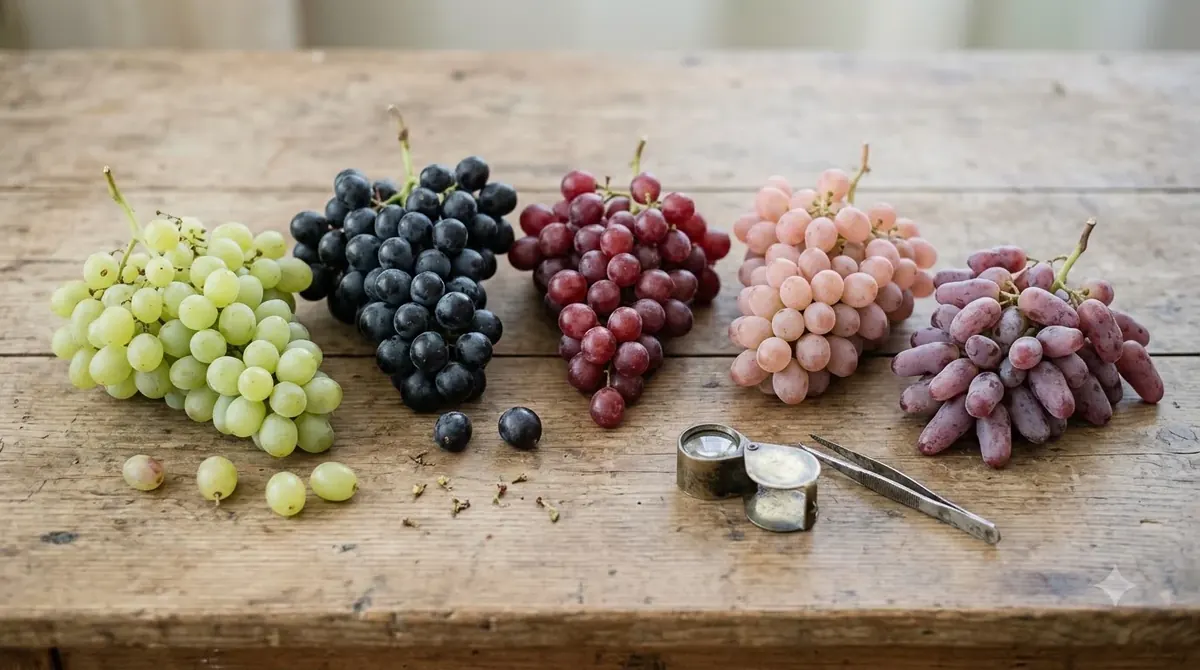
Pennsylvania growers work with about 60 grape varieties, which is a wide range for a single state. Some are European vinifera grapes, while others are hybrids developed to handle cold winters, humidity, and disease. Reading a label with the grape name on it is the simplest way to know what you are drinking.
| Grape | Type | What to expect |
|---|---|---|
| Chardonnay | European white | Ranges from crisp and lean to rich and oaked, depending on the winery |
| Riesling | European white | Often fresh and fruit-forward, sometimes with noticeable sweetness |
| Pinot noir | European red | Lighter red with red-fruit flavors and a softer structure |
| Merlot | European red | Medium-bodied red with plum and soft tannin |
| Vidal blanc | Hybrid white | Bright and crisp, often made in a fresher style |
| Chambourcin | Hybrid red | A red hybrid that many Pennsylvania producers use for dry and off-dry bottles |
| Norton | Native American red | Deep-colored red with a bold, fruity character |
| Concord | Native American grape | Best known for juice and jelly, but also used in some sweeter wines |
The hybrids and native grapes are the part of the Pennsylvania lineup that most visitors do not expect. Chambourcin, Norton, and Vidal blanc often turn up on tasting-room lists, and they give a clear sense of local character. Classic European grapes such as Chardonnay, Riesling, Pinot noir, and Merlot round out the portfolio and are a good starting point if you prefer familiar styles. The Northeast has its own grape traditions too: Wine Folly’s grape index describes Catawba as a pink-skinned grape grown in New York state, and it is used for white, rosé, and sparkling wines.
Styles and How to Serve Pennsylvania Wine
Pennsylvania wines cover the full range, from dry whites and reds to off-dry and sweet bottles. Serving temperature and glassware make a noticeable difference, so it helps to match the bottle to the way you want it served.
| Style | How to serve | Food ideas |
|---|---|---|
| Crisp whites (Vidal blanc, Riesling) | Well chilled, in a tulip-shaped glass | Seafood, salads, lightly spiced dishes |
| Oaked Chardonnay | Chilled but not cold, to show the richness | Roast chicken, creamy pasta |
| Light reds (Pinot noir) | Slightly cool, poured into a wider glass | Mushrooms, salmon, roast poultry |
| Fuller reds (Merlot, Norton) | A little below room temperature | Grilled meats, hearty stews, hard cheeses |
Tip: If a red tastes hot or heavy, give it ten to fifteen minutes in the fridge before you pour. If a white tastes flat, it has probably warmed up too far.
Visiting Pennsylvania Wineries
With about 119 wineries across the state, you can plan a day trip without much trouble. Many tasting rooms sit in rural areas, so travel time is part of the experience. Plan your route around the AVA you want to explore, since a visit to the Lake Erie area offers a different set of wines than a trip through the inland valleys.
Check opening hours before you go, because smaller farm wineries may keep limited schedules. Ask whether the tasting room offers flights, which let you compare several styles side by side. Many visitors also choose a designated driver or a tour, since rural wine routes can be spread out. Use the Wine Regions guide to read more about how regions differ, and it will help you read a tasting menu with more confidence.
How to Choose and Buy a Pennsylvania Bottle
When you shop for Pennsylvania wine, start with the label. Look for the AVA name if you want to know the origin, and read the grape name to understand the style. Bottles from the Lake Erie area are often a good place to begin if you want a fresh, cool-climate character, while inland AVAs can give you a different take on the same grapes.
Compare a few bottles of the same grape from different producers. A Chardonnay from a cool region can taste lighter and crisper, while an oaked version from a warmer site may feel rounder. Small producers may only sell at the winery or through local shops, so it is worth asking staff where the bottle came from and how it was made.
Frequently Asked Questions
How many AVAs does Pennsylvania have?
According to the Wikipedia overview of Pennsylvania wine, the state has five AVAs: Central Delaware Valley, Cumberland Valley, Lake Erie, Lancaster Valley, and Lehigh Valley. Each one has its own setting, so the origin on a label can tell you something about the style.
Is Pennsylvania wine mostly made from hybrid grapes?
No. Pennsylvania grows roughly 60 varieties, including European grapes such as Chardonnay, Riesling, Pinot noir, and Merlot, along with hybrids and native grapes such as Chambourcin, Norton, and Concord. Hybrids are an important part of the state’s identity, but they are not the only option.
What is the best way to start tasting Pennsylvania wine?
Begin with a white such as Vidal blanc or Riesling and a light red such as Pinot noir. These styles are easy to compare, and a tasting flight at a winery lets you test several in one visit. Note the AVA on each label to see how the origin changes the taste.
Why does Pennsylvania have such a long winemaking history?
The Wikipedia article on Pennsylvania wine describes a hybrid grape found near Philadelphia around 1740 and the founding of the Pennsylvania Vine Company in 1786, which it calls the nation’s first commercial vineyard. Early growers worked with hybrids that handled the local climate, and that tradition carried into later decades.
Pennsylvania wine rewards curiosity. Start with a few AVAs and grapes, visit a couple of wineries, and compare labels as you go. For another regional perspective, the pennsylvania vineyards guide covers the vineyards in more detail, and you can build from there.
More in Wine Regions
 Willcox Wine Trail: Discover Arizona’s High-Elevation Wine CountryUpdated Nov 20, 2026
 Yakima Valley Wine Region: Find the Best Styles to TryUpdated Nov 20, 2026
 Vosne Romanee Wine Tasting: Identify Aromas and Choose Better PairingsUpdated Nov 20, 2026
 Yakima Valley Wine Festival: Find the Best Seasonal Wine EventsUpdated Nov 20, 2026
 Wales Vineyards: Discover Cool-Climate Wines and Where to VisitUpdated Nov 20, 2026
 Yountville Wine Festival: Discover Napa Wines and Local FoodUpdated Nov 20, 2026