


We may earn a commission when you buy through links on this page, at no extra cost to you. Learn more.
Is Penfolds wine good? Yes, Penfolds is widely regarded as a high-quality Australian wine producer, particularly for its structured Shiraz, Cabernet Sauvignon, and collectible red blends. Its wines are known for concentrated fruit, careful oak maturation, consistent winemaking, and strong aging potential in selected bottlings. However, quality and value depend on the particular label: an accessible everyday bottle serves a different purpose from a premium Bin release or the celebrated Grange.
Penfolds offers a broad portfolio that includes approachable reds, premium Australian blends, Chardonnay, Pinot Noir, fortified wines, and international releases. Its reputation rests on more than one expensive flagship bottle. Understanding the different labels, grape varieties, and styles makes it easier to find a bottle that matches your budget, food preferences, and expectations. This guide explains what makes the producer distinctive and how to choose a Penfolds wine with confidence.
Who This Is For: Wine Drinkers Considering Penfolds
Penfolds is worth exploring if you enjoy expressive wines with concentrated fruit, recognizable structure, and a polished approach to oak maturation. The range includes bottles for casual dinners as well as serious collectors, so understanding your drinking preferences matters more than automatically choosing the most prestigious label.
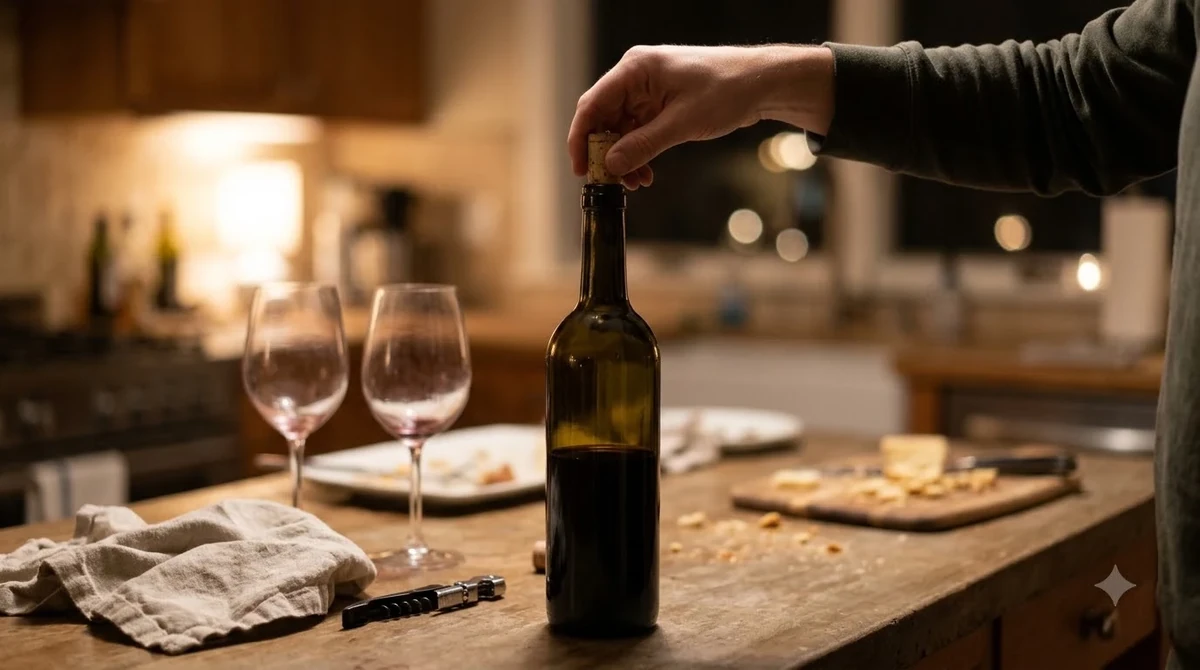
Newcomers to Australian wine will find plenty to explore. Penfolds is particularly associated with South Australia, where regions such as Barossa Valley and Coonawarra contribute different characteristics to its wines. Barossa Shiraz is generally associated with generous dark fruit and a fuller texture, while Coonawarra is particularly respected for Cabernet Sauvignon with structure and freshness.
The producer’s history also helps explain its reputation. Penfolds began in 1844 when Dr. Christopher and Mary Penfold established vineyards at Magill, near Adelaide. The winery initially focused heavily on fortified wines, reflecting Australian drinking preferences at the time. Its development of serious dry reds during the twentieth century helped establish a different identity for Australian wine.
Winemaker Max Schubert played a particularly important role. His experiments led to Grange, a wine that demonstrated the potential for Australian Shiraz to produce concentrated, age-worthy bottles. That approach influenced the wider Penfolds collection, although the individual wines have distinct identities rather than simply being smaller versions of Grange.
Penfolds is especially appealing to several types of buyers:
- Shiraz enthusiasts: Drinkers who enjoy dark berries, pepper, savory notes, and substantial texture will find several interesting options.
- Cabernet Sauvignon fans: Those who prefer firmer tannins and blackcurrant character can explore Cabernet-led bottlings.
- Collectors: Selected premium wines offer extended cellaring potential and established reputations among Australian wine enthusiasts.
- Special-occasion buyers: The higher-end collection provides bottles with a strong reputation for celebrations and important gifts.
- Exploratory drinkers: The white wines, Pinot Noir, and international releases provide alternatives to the familiar Australian reds.
However, Penfolds is not automatically the right choice for everyone. If your preference is for inexpensive, light-bodied reds with little oak influence, some of its fuller Shiraz and Cabernet blends may feel too concentrated. Similarly, buyers who prefer delicate, low-alcohol wines may find certain premium reds powerful.
The most useful starting point is to decide whether you want a fruit-forward everyday wine, a structured bottle for a substantial meal, or a wine that can develop in the cellar. Those are three different purchasing goals, and Penfolds offers labels suited to each.
Key Factors to Compare Before Buying Penfolds
The most important differences between Penfolds bottles are grape variety, regional sourcing, structure, oak influence, and intended drinking window. Comparing these characteristics is more useful than choosing a bottle based on its Bin number alone.
Penfolds uses multiple vineyard regions, and its multi-regional approach is an important part of its winemaking identity. The producer selects fruit from areas including Barossa Valley, McLaren Vale, Coonawarra, and Adelaide Hills. Blending across regions allows winemakers to work with different fruit characteristics while maintaining a recognizable house style.
| Factor | What to look for | What it means for the buyer |
|---|---|---|
| Shiraz | Dark fruit, spice, fuller texture | Good for drinkers who enjoy powerful reds |
| Cabernet Sauvignon | Blackcurrant, structure, firm tannins | Suitable for buyers who enjoy classic structured reds |
| Cabernet-Shiraz blend | Fruit richness and firm structure | Combines characteristics of two important Australian grapes |
| Pinot Noir | Red berries, lighter body, freshness | Useful for those who prefer a less powerful red |
| Chardonnay | Citrus, stone fruit, possible oak influence | Offers a white wine alternative to the red collection |
| Alcohol | Compare the stated ABV | Helps identify fuller or lighter drinking styles |
| Cellaring | Producer and vintage guidance | Helps determine whether to drink now or hold the bottle |
Grape composition is especially important when comparing red wines. Cabernet Sauvignon generally provides firmer tannins and a structured backbone. Shiraz contributes generous fruit, a broader mid-palate, and often peppery or savory characteristics. Combining them can create a wine that feels both powerful and balanced.
Oak maturation is another important consideration. Penfolds uses American oak in several well-known reds, including Bin 389. Oak can contribute vanilla, baking spice, coconut, and additional texture. The effect varies according to the wine, the amount of new oak, the maturation period, and the character of the vintage.
For an independent assessment, Wine Enthusiast’s review of the 2022 Bin 389 is useful. The publication awarded it 95 points and described concentrated blackberry and violet aromas alongside dried herbs, tar, and gravel. Its review also highlights the relationship between substantial tannins and generous dark fruit. Read the Wine Enthusiast Bin 389 review to see how those characteristics appear in a specific vintage.
Vintage is another factor. Weather conditions influence ripeness, acidity, tannin development, and the balance between fruit and oak. Two bottles carrying the same Penfolds label can therefore have different drinking windows and personalities. Buyers interested in cellaring should investigate the specific vintage rather than assuming every release has identical aging potential.
Tip: Start with the grape variety and intended drinking occasion before comparing Bin numbers. A Cabernet-Shiraz blend such as Bin 389 is a different proposition from a predominantly Shiraz wine such as Bin 28, even though both are established Penfolds labels.
Finally, consider how much structure you enjoy. A wine with high tannin can feel firm and drying, especially when opened young. That characteristic is not necessarily a quality problem; it can be part of the wine’s intended style. However, someone looking for a soft, immediately approachable red may prefer a different label.
Step-by-Step: How to Choose the Right Penfolds Bottle
Choosing a suitable Penfolds wine becomes easier when you work from drinking preferences toward individual labels. These five steps help narrow the collection without assuming that the most prestigious bottle is always the best purchase.
-
Decide whether you want red or white wine.
Begin with the broad style. If you enjoy powerful reds, explore Shiraz and Cabernet Sauvignon. If you prefer more restrained red wine, consider Pinot Noir. For white wine, Chardonnay offers a different expression of the producer’s winemaking approach.
-
Choose your preferred grape profile.
Cabernet Sauvignon generally provides blackcurrant character, structure, and firmer tannins. Shiraz tends to offer darker fruit, spice, and a fuller mouthfeel. A Cabernet-Shiraz blend combines the strengths of both grapes. Consider whether you enjoy a firm finish or a softer, fruit-driven texture.
-
Identify the occasion.
For a relaxed dinner, a more accessible bottle may be appropriate. For a celebration or a substantial roast dinner, a structured premium red can make more sense. For long-term cellaring, focus on established premium labels and vintage-specific drinking recommendations.
-
Compare the individual labels.
Look at Bin 28, Bin 389, Bin 407, and Grange as distinct wines rather than interchangeable quality levels. Their grape compositions, regional sourcing, and styles differ. The Penfolds wine collection overview can help clarify the main labels before you make a selection.
-
Consider the drinking window and serving requirements.
Some wines are enjoyable relatively young, while more structured releases may benefit from additional bottle aging or decanting. Consider whether you intend to open the bottle soon or keep it for a future occasion. A powerful young red may need 30 to 60 minutes in a decanter to become more expressive.
These steps also help prevent a common buying mistake: confusing prestige with personal preference. A collector might value a wine’s longevity and rarity, while someone purchasing dinner wine may care more about immediate drinkability and compatibility with the meal.
For a first purchase, Bin 28 and Bin 389 are useful labels to investigate because they illustrate two recognizable approaches to Australian red wine. The former emphasizes Shiraz, while the latter combines Cabernet Sauvignon and Shiraz. Neither is universally better; the choice depends on your preferred balance of fruit, tannin, and structure.
Buyers who specifically want to explore the flagship style can investigate Penfolds Grange. It has a distinctive place in Australian wine history, but its reputation should not be treated as proof that every drinker will prefer it over the broader collection.
Types of Penfolds Wine and Their Styles Explained
Penfolds produces several recognizable wine styles, with Australian Shiraz and Cabernet-based reds forming an important part of its identity. Understanding the main labels helps explain why the collection appeals to different types of wine drinkers.
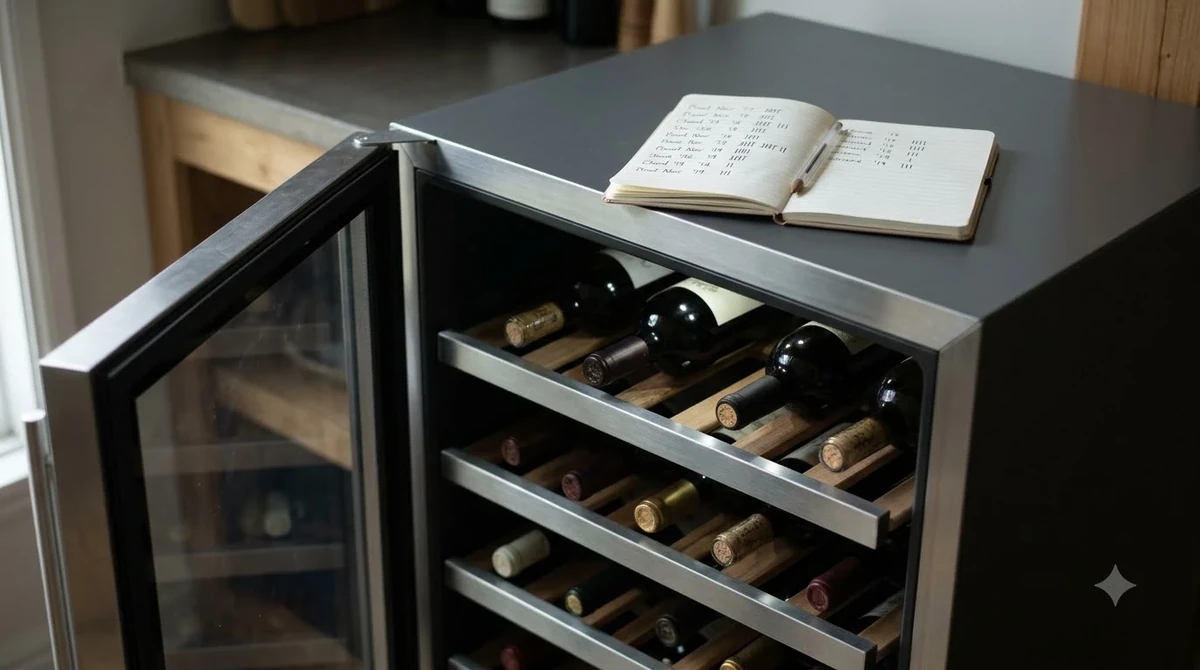
Penfolds Shiraz
Shiraz is one of the producer’s defining grape varieties. These wines often feature blackberry, plum, dark cherry, pepper, and savory notes. Their texture can be substantial, with tannins and acidity providing structure behind the ripe fruit.
Bin 28 is a particularly recognizable example. First produced in 1959 using fruit from the Kalimna vineyard in the Barossa Valley, it has since developed into a multi-regional wine. The label represents a warm-climate Australian Shiraz style rather than a single-vineyard expression.
Bin 150 Marananga Shiraz offers another way to explore Barossa fruit, while RWT Shiraz represents another established premium expression. Drinkers who prefer a concentrated red with generous dark fruit should consider exploring these styles.
Penfolds Cabernet Sauvignon
Cabernet Sauvignon generally appeals to people who enjoy structured wines with firmer tannins and blackcurrant or cassis flavors. Coonawarra is an important source of Cabernet Sauvignon for Penfolds, although individual blends can include fruit from multiple regions.
Bin 407 is a prominent Cabernet Sauvignon label. It provides a way to explore the grape without moving directly to the flagship Grange. Bin 707 is another premium Cabernet expression, with a history dating back to its first commercial release in 1964.
These wines are particularly suitable for pairing with grilled beef, roast lamb, and other substantial dishes. Their tannin structure works well with the protein and fat in these foods.
Penfolds Cabernet Shiraz Blends
For many wine enthusiasts, Bin 389 is one of the most interesting introductions to the producer. Its combination of Cabernet Sauvignon and Shiraz creates a balance between firm structure and generous fruit. The wine is frequently nicknamed Baby Grange because some components mature in American oak barrels previously used for Grange.
Its reputation is supported by independent reviews. Decanter awarded the 2014 Bin 389 93 points, describing a blend of 53% Cabernet Sauvignon and 47% Shiraz. Its tasting assessment identified cassis, vanilla, tapenade, berry, and chocolate characteristics alongside a structured finish.
The blend is particularly interesting because Cabernet Sauvignon and Shiraz contribute different qualities. Cabernet brings structure and freshness, while Shiraz provides generosity and texture. Decanter’s discussion of Australian Cabernet-Shiraz blends explains why these varieties can work so effectively together.
Penfolds Pinot Noir and White Wines
Penfolds is not exclusively a red wine producer. Its portfolio includes Chardonnay and Pinot Noir, which provide alternatives for drinkers who prefer lighter or fresher styles.
Adelaide Hills is particularly important to the producer’s white wine and Pinot Noir sourcing. The region’s cooler conditions support grapes that can retain freshness and develop more restrained fruit profiles than those associated with warmer Australian areas.
Bin 23 Pinot Noir is one of the labels worth exploring. Its style offers a contrast to the fuller Shiraz and Cabernet bottlings. Chardonnay drinkers can investigate Reserve Bin A Chardonnay, which is associated with the Adelaide Hills fruit program.
Grange and the Flagship Collection
Grange occupies a special position in the Penfolds portfolio. Its origins lie in Max Schubert’s ambition to create an Australian red wine capable of long-term maturation. The first experimental vintage dates to 1951, and the wine eventually became one of Australia’s most recognizable fine-wine labels.
Its style is based on Shiraz, with a concentrated structure and significant aging potential. It is not simply a larger or more expensive Bin 389. The two wines have different identities, although their history and maturation practices are connected.
For a detailed look at the flagship wine’s background and characteristics, the Penfolds red wine range provides useful context for comparing the broader red collection.
Common Mistakes When Buying Penfolds
The biggest mistakes are assuming that all Penfolds wines taste alike, selecting a bottle solely because of its Bin number, and overlooking the difference between a young structured wine and one that is ready to drink. A little attention to style and vintage can prevent disappointment.
Assuming every Bin number represents a quality ranking
Penfolds Bin numbers have historical origins. They refer to cellar storage locations and other historical naming conventions rather than operating as a simple numerical ranking. Bin 28, Bin 389, and Bin 407 are different wine identities, not consecutive grades on a single quality scale.
The word Bin originally referred to storage compartments in the Magill Estate cellars. The system developed as a way to identify wines by style and storage location. This background explains why the number on a label should not be treated as a straightforward indication of quality.
Thinking every expensive bottle is automatically better
Prestige and personal enjoyment are separate considerations. A collector may value Grange for its historical reputation and aging potential, but someone who enjoys fruit-forward Shiraz may find a different Penfolds label more satisfying.
Likewise, a premium bottle may have substantial tannins and oak influence that require patience. Someone seeking a soft red for immediate drinking might be happier with a less demanding style.
Opening a structured red too early
Some young Cabernet Sauvignon and Cabernet-Shiraz wines can feel tight when first opened. Their tannins may dominate the fruit, and the oak character may seem particularly prominent. Decanting for 30 to 60 minutes can help a young full-bodied red become more expressive.
Decanting does not guarantee that an immature wine will taste mature. It simply provides additional contact with oxygen, which can change the wine’s aromatic and textural presentation. A bottle that needs years of development may still benefit from further cellaring.
Ignoring food compatibility
Powerful reds need food with enough flavor and texture to match them. A structured Cabernet Sauvignon or Shiraz can work well with grilled steak, lamb, roast beef, and aged hard cheeses. Delicate seafood and lightly dressed salads may be overwhelmed by a powerful red with substantial tannin.
Food pairing should also account for acidity, salt, fat, and sweetness. Salt and fat soften the perception of tannin, which makes rich meat dishes useful partners for structured reds. Chili heat, on the other hand, can feel more intense alongside alcoholic, tannic wines.
Expecting every vintage to taste identical
Penfolds maintains recognizable house characteristics, but vintage conditions still influence the final wine. Differences in rainfall, temperatures, ripening conditions, and harvest timing can affect fruit concentration and structure.
Buyers should pay attention to vintage-specific tasting notes when purchasing premium bottles. This is particularly important for anyone planning to keep a bottle for several years or buy multiple bottles from the same release.
Another mistake is treating international Penfolds releases as if they were all made from South Australian fruit. The producer also has wines associated with Napa Valley, Bordeaux, and China. These releases offer different regional expressions and should be assessed according to their own grape varieties and origins.
Care and Storage Tips for Penfolds Wines
Proper storage and serving temperatures help preserve the characteristics that make Penfolds wines appealing. Full-bodied reds generally benefit from slightly cooler serving temperatures than many people expect, while whites and lighter reds need additional chilling.
Store bottles at a consistent temperature
For wines intended for aging, a storage temperature near 55 F is a useful target. Avoid areas exposed to large temperature swings, direct sunlight, or excessive heat. A cool, dark cellar or a properly controlled wine refrigerator is preferable to a kitchen cabinet above an oven.
Store cork-sealed bottles on their sides so the cork remains in contact with the wine. This helps reduce the risk of the cork drying out during extended storage. A stable environment is more important than constantly moving bottles between different storage locations.
Use the right serving temperature
Full-bodied reds such as many Penfolds Shiraz and Cabernet blends are best served around 60 to 65 F. This range helps maintain their fruit expression while preventing alcohol from becoming overly prominent.
Lighter reds, including Pinot Noir, are generally better around 55 to 60 F. Chardonnay is usually best served around 50 to 55 F when full-bodied, although the precise temperature can depend on its oak influence and style.
Serving a powerful red at typical warm room temperature can make it seem heavier and more alcoholic. A short period of chilling before serving can make a meaningful difference.
Decant when appropriate
Young, full-bodied reds can benefit from 30 to 60 minutes in a decanter. This is particularly useful for structured Cabernet Sauvignon and Shiraz blends that initially seem closed or dominated by tannins.
Older bottles require more care. Their sediment may need separating, but prolonged exposure to oxygen can reduce their remaining aromatic freshness. For a mature Grange or older Bin release, a careful opening and immediate assessment are often preferable to automatic extended decanting.
Preserve opened bottles correctly
Once opened, recork still wine and keep it in the refrigerator, including red wine. Most opened still wines retain reasonable quality for approximately three to five days, depending on their condition, storage, and exposure to air.
When serving a refrigerated red again, allow it to warm slightly before pouring. A wine that is too cold can seem less expressive, while a bottle left in a warm room may lose freshness more quickly.
For collectors, purchasing wines with suitable storage conditions is just as important as selecting the right label. Even an excellent wine can disappoint if it has spent years exposed to heat or inconsistent temperatures.
Frequently Asked Questions
Is Penfolds considered a luxury wine brand?
Penfolds occupies several market positions rather than operating exclusively as a luxury producer. Its portfolio includes accessible wines alongside premium collectible releases. Grange is the clearest example of its prestigious flagship category, while other labels make the producer’s style accessible to a wider range of wine drinkers.
Is Penfolds wine made in Australia?
Penfolds has its historical roots in Magill, South Australia, but its current portfolio extends beyond Australian wine regions. Its international activities include Napa Valley in California, Bordeaux in France, and Chinese wine regions. Consequently, the country of origin depends on the particular bottle rather than the producer’s name alone.
What does the word Grange mean on a Penfolds label?
The name comes from Grange Cottage at Magill Estate, which was built in 1845 as the original home of founders Christopher and Mary Penfold. The name connects the wine with the winery’s beginnings and its early experimental winemaking history. Grange was initially known as Grange Hermitage before the shorter name became established.
Does Penfolds make wine with screw caps?
Yes, some Penfolds wines have been released with screw-cap closures. Decanter’s review of the 2014 Bin 389 specifically records a screw-cap closure for that vintage. Closure type can differ between releases and markets, so it should not be assumed that every Penfolds bottle uses natural cork.
What does Bin 95 represent on a Penfolds bottle?
Bin 95 is the designation associated with Penfolds Grange. The number was adopted after the early experimental Grange releases carried different Bin identifiers. Penfolds settled on Bin 95 in 1961, making it one of the most recognizable designations in the winery’s collection.
Penfolds is a strong choice for wine drinkers who appreciate concentrated fruit, thoughtful blending, and structured Australian wines. Its collection offers considerably more variety than its flagship Grange, making it possible to explore different grapes and styles without focusing exclusively on collectible bottles. Start with the style you enjoy most, compare the individual labels, and choose a vintage that suits your drinking plans.
More in Wine Brands
 Miraval Wine Review: Choose the Right Provence WineUpdated Nov 21, 2026
 Mionetto Rose Price: What to Expect for a BottleUpdated Nov 21, 2026
 Merry Edwards Wine Price: Compare Bottles and Find the Right WineUpdated Nov 21, 2026
 Ménage à Trois Moscato Price and What You Get for Your MoneyUpdated Nov 21, 2026
 Lodi Wine Price: Compare Bottles by Budget and StyleUpdated Nov 21, 2026
 Mateus Rose Review: Taste, Sweetness, and Buying TipsUpdated Nov 21, 2026