

We may earn a commission when you buy through links on this page, at no extra cost to you. Learn more.
Ariel red wine is an alcohol-removed Cabernet Sauvignon made by ARIEL Vineyards, a J. Lohr wine brand known for producing premium wines with less than 0.5% alcohol by volume. Made from fermented California wine, it offers aromas of black currant, cherry, blueberry, and chocolate, with soft tannins and a dry finish. It provides recognizable red-wine characteristics without the alcohol level of conventional Cabernet Sauvignon. Serve it slightly cool and pair it with grilled beef, lamb, burgers, or tomato-based pasta.
Finding a red wine alternative that retains recognizable grape character, oak influence, and familiar food-pairing possibilities can be challenging. ARIEL approaches this category differently from beverages made simply by blending grape juice with other ingredients: its wine is fermented and aged before the alcohol is removed. Understanding how this process works, what the Cabernet Sauvignon tastes like, and how to serve it helps set realistic expectations before opening a bottle.
What Is ARIEL Red Wine?
ARIEL red wine is an alcohol-removed Cabernet Sauvignon produced by ARIEL Vineyards, a brand associated with California winemaker J. Lohr Vineyards & Wines. Its defining characteristic is that it begins as fermented wine rather than an unfermented grape beverage. The alcohol is removed after winemaking, leaving a product with less than 0.5% ABV.

ARIEL has a longer history than many contemporary alcohol-free wine labels. According to the producer, the brand debuted in 1985 and takes its name from the magical spirit in Shakespeare’s play The Tempest. Its original purpose was to offer wine drinkers a premium alternative that retained recognizable wine aromas and flavors while substantially reducing alcohol.
The grapes used for ARIEL come from J. Lohr’s sustainably farmed estate vineyards in Monterey County and Paso Robles, California. These two California growing areas provide the fruit used in the producer’s broader ARIEL range, which also includes Sauvignon Blanc and Chardonnay. The brand’s association with an established winery is important because the production begins with conventional winemaking rather than a recipe based entirely on juice, flavorings, and sweeteners.
The Cabernet Sauvignon is the red expression in the current core lineup. Its producer describes an oak-aged style featuring dark fruit, chocolate, soft tannins, and a dry finish. These characteristics give it a familiar Cabernet identity, although removing alcohol changes the wine’s body, texture, and overall balance.
It is also important to understand what the term alcohol-removed means. ARIEL Cabernet Sauvignon contains less than 0.5% alcohol by volume, not necessarily an absolute zero. That distinction matters to anyone who requires a beverage with no detectable alcohol for personal, religious, medical, professional, or other reasons. The appropriate choice depends on individual requirements and the exact product’s labeling.
For readers comparing different producers and styles, the Wine Brands section offers a broader starting point for understanding how individual wine labels differ in their origins, grape varieties, and production methods.
Grapes, Production, and Alcohol Removal
ARIEL Cabernet Sauvignon starts with fermented red wine made from Cabernet Sauvignon and other selected red-wine components. The producer ferments the wine, allows it to develop its character, and uses barrel aging before removing alcohol. This sequence helps preserve more of the original wine’s aromatic and flavor profile than a beverage made directly from grape juice.
According to ARIEL’s producer, the wines are grown on J. Lohr’s estate vineyards in Monterey County and Paso Robles. The grapes undergo fermentation, followed by the appropriate winemaking and aging steps. The finished wine then passes through the brand’s alcohol-removal process before bottling.
Alcohol contributes more than alcoholic strength to conventional wine. It influences weight, warmth, aroma release, texture, and the perception of sweetness. Removing it therefore changes the way a finished wine feels, even when the original grape material and winemaking techniques are similar.
How dealcoholization works
Alcohol-removal technologies separate ethanol from an already fermented beverage. One method used in the broader dealcoholized wine category is reverse osmosis, which uses a specialized membrane to separate components according to their physical properties. Other commercial processes include vacuum distillation and spinning-cone technology. These methods are designed to reduce alcohol while retaining as much of the wine’s remaining character as possible.
An independent technical review of ARIEL Cabernet Sauvignon identifies reverse osmosis as the documented removal method. The key distinction is that the wine has already undergone fermentation before this separation occurs. Fermentation creates compounds responsible for much of wine’s characteristic aroma and flavor, so starting with finished wine gives the producer a different foundation from simply preparing a grape-based drink.
Alcohol removal cannot preserve every feature of the original wine perfectly. Ethanol contributes body and mouthfeel, and some aromatic compounds can be affected during separation. This helps explain why alcohol-removed Cabernet Sauvignon can retain recognizable black-fruit and oak characteristics while feeling lighter than a conventional bottle made from the same grape variety.
For a closer look at the producer’s range and winemaking approach, visit the official ARIEL Vineyards website, which describes its vineyard sourcing, fermentation, aging, and alcohol-removed wines.
Tip: Think of ARIEL as fermented wine with the alcohol subsequently removed, rather than grape juice marketed as wine. This distinction helps explain its aroma profile and why its texture differs from conventional Cabernet Sauvignon.
Flavor, Aroma, and Texture of ARIEL Cabernet Sauvignon
ARIEL Cabernet Sauvignon is a dry-style, dark-fruited red with black currant, cherry, blueberry, and chocolate characteristics. The producer describes its tannins as soft, while independent tasting notes identify a lighter body than conventional Cabernet Sauvignon. The result is a wine-inspired profile that emphasizes fruit and subtle oak rather than the powerful structure associated with many full-bodied reds.
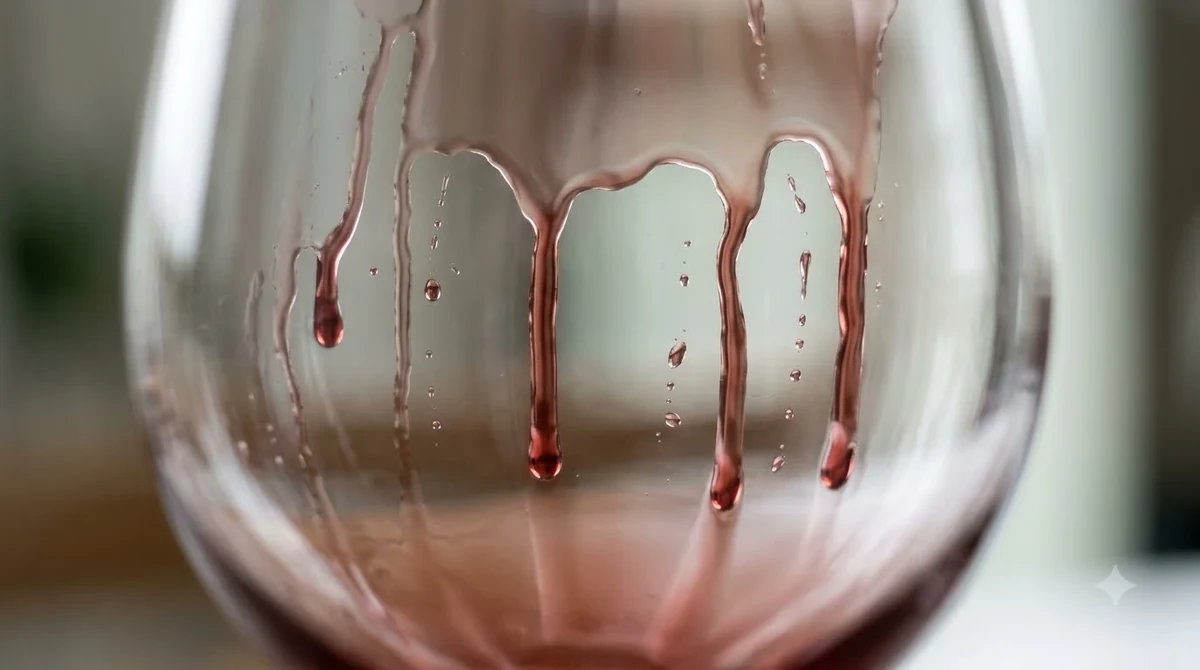
The aroma is a useful place to begin when evaluating this wine. Black currant provides the recognizable Cabernet Sauvignon character, while cherry and blueberry add a softer, fruit-forward dimension. Chocolate notes contribute an impression of oak-related richness, although they should not be confused with actual chocolate sweetness.
On the palate, the wine has a different structure from a traditional Cabernet Sauvignon. Conventional Cabernet generally has high tannin and substantial body, particularly when made in a concentrated style. ARIEL’s alcohol-removed version has softer tannins and less weight, so the fruit and finish become more prominent than the grip and warmth associated with many standard Cabernet wines.
Understanding the finish
The finish is described by the producer as dry, with a lingering impression of dark fruit and chocolate. Dryness in wine refers primarily to the absence of noticeable residual sugar, rather than the absence of fruit flavor. A wine can smell like ripe cherries or blueberries while still tasting dry.
Independent reviewer Karl Hill describes the Cabernet as light-bodied and somewhat lean, with a subtle chocolate note toward the finish. This assessment is useful because it provides a more restrained expectation than assuming that an alcohol-removed Cabernet will have the same concentration and fullness as a conventional bottle.
The difference in texture is especially noticeable for drinkers accustomed to powerful Cabernet Sauvignon from Napa Valley, Paso Robles, or other warm-climate regions. Those wines often have greater alcohol-derived weight, stronger tannin, and a longer, fuller finish. ARIEL is better approached as an alternative within the Cabernet-inspired category rather than a direct sensory replacement for every traditional red wine.
Its flavor profile makes it suitable for people who enjoy dark-fruit aromas but prefer a lighter drinking experience. It can also work as an ingredient in nonalcoholic sangria-style drinks and other wine-based mocktails, where its fruit and oak notes contribute more complexity than plain grape juice.
Alcohol Content, Calories, and Nutrition
ARIEL Cabernet Sauvignon contains less than 0.5% alcohol by volume, placing it in the alcohol-removed wine category. Its nutritional information also provides useful details for people comparing red wine alternatives, including calories and carbohydrates per standard serving.
The producer lists the following figures for its Cabernet Sauvignon. These values are specific to the product information provided by ARIEL and should not automatically be applied to every vintage, bottle size, or other ARIEL expression.
| Specification | ARIEL Cabernet Sauvignon |
|---|---|
| Wine style | Alcohol-removed red wine |
| Grape variety | Cabernet Sauvignon |
| Alcohol content | Less than 0.5% ABV |
| Serving size | 5 fl oz |
| Calories per serving | 38 |
| Carbohydrates per serving | 9 grams |
| Gluten information | Producer identifies it as gluten-free |
| Production approach | Fermentation, barrel aging, alcohol removal |
| Origin | California, United States |
The distinction between less than 0.5% ABV and 0.0% ABV deserves attention. A product containing less than 0.5% alcohol can still contain a small amount of ethanol. The term alcohol-free is used differently across markets and product categories, so the numerical ABV statement is more informative than relying on a general marketing description.
For comparison, conventional table wine commonly contains considerably more alcohol, with many bottles falling around 11% to 15% ABV. A dealcoholized product below 0.5% therefore has a substantially different alcohol concentration. However, it should not automatically be treated as appropriate for every situation in which absolute alcohol avoidance is required.
Calories and carbohydrates
The stated 38 calories and 9 grams of carbohydrates apply to a 5-ounce serving of ARIEL Cabernet Sauvignon. These numbers are useful for comparing the product with other alcohol-removed wines, although nutritional values can differ between varieties and individual formulations.
Removing alcohol changes the calorie contribution because ethanol supplies energy. However, the final calorie count also depends on remaining carbohydrates and other wine components. Consequently, alcohol removal does not mean that a wine contains no calories or carbohydrates.
ARIEL also identifies its Cabernet Sauvignon as gluten-free and certified sustainable. These are separate product characteristics from alcohol content and nutritional composition. Consumers comparing multiple bottles should consider each claim independently rather than assuming that all alcohol-removed wines have identical specifications.
Best Serving Temperature and Storage
ARIEL Cabernet Sauvignon is best served slightly cool rather than warm or refrigerator-cold. A temperature of approximately 55 to 60 degrees Fahrenheit is a practical starting point for this lighter-bodied red, helping maintain its dark-fruit aromas while keeping the finish refreshing.
Conventional full-bodied red wines are often served between 60 and 65 degrees Fahrenheit. However, alcohol-removed wines can feel different because they have less ethanol-derived warmth and body. A modestly cooler serving temperature can help preserve freshness without making the fruit aromas seem muted.
Preparing the bottle
If the bottle has been stored at room temperature, place it in the refrigerator briefly before serving. Allow approximately 15 to 25 minutes of chilling as a starting point, then adjust according to the room temperature and your preference. If the wine becomes too cold, let it warm slightly in the glass.
A standard 750 ml bottle provides approximately five servings when poured at 5 ounces each. This is a useful reference when planning dinner or preparing a small gathering. Use ordinary red wine glasses to give the aromas room to develop, and avoid filling each glass to the rim.
Decanting is generally unnecessary for ARIEL Cabernet Sauvignon. Traditional young, full-bodied Cabernet Sauvignon may benefit from 30 to 60 minutes of aeration, but a lighter alcohol-removed red does not automatically require the same treatment. Pouring a small sample first is a straightforward way to decide whether additional air improves the aromas.
Storage after opening
Keep an opened bottle refrigerated and close it securely between servings. A practical starting point for opened still wine is three to five days in the refrigerator, although the flavor and aroma of alcohol-removed wines may change differently from those of conventional wine. For the best experience, follow any product-specific storage instructions and avoid leaving the bottle open at room temperature for extended periods.
For an unopened bottle, a cool, dark storage location is preferable to a sunny kitchen counter or a shelf beside a heat-producing appliance. Conventional wine-storage guidance often uses approximately 55 degrees Fahrenheit as a reference temperature. Stable conditions matter more than frequent movement between warm and cold environments.
Because ARIEL is designed as a ready-to-drink alcohol-removed wine rather than a wine intended for long-term cellar aging, there is little reason to treat it like a collectible Cabernet Sauvignon. Enjoy it within a reasonable period and prioritize freshness over extended storage.
Food Pairings for ARIEL Cabernet Sauvignon
ARIEL Cabernet Sauvignon works best with foods that complement its dark-fruit character without overwhelming its lighter body. Grilled beef, lamb, burgers, mushroom dishes, and tomato-based pasta are useful choices because their savory flavors and textures create a natural connection with Cabernet-inspired fruit and oak notes.
Grilled beef is a particularly practical pairing. A burger, grilled steak, or beef kebab provides savory depth that balances the wine’s black currant and cherry character. Salt and fat can also soften the perception of tannin, helping the wine feel smoother alongside a rich main course.
Lamb is another strong option. Roasted lamb with rosemary, garlic, and black pepper has enough savory character to complement the wine’s fruit and chocolate notes. A simple preparation is preferable to a heavily spiced dish, especially because alcohol-removed wine has less body to stand up to intense seasoning.
Vegetarian dishes and pasta
Tomato-based pasta is a reliable choice, particularly dishes featuring roasted vegetables, mushrooms, or a moderate amount of cheese. Tomato acidity is important because acidic food can make a low-acid wine seem flatter. A dish with balanced acidity and enough savory depth is therefore more successful than one dominated by sharp vinegar or excessive lemon.
Mushroom risotto, grilled portobello mushrooms, and lentil-based dishes can also complement the wine. Mushrooms contribute earthy, savory flavors that connect with the wine’s darker fruit and oak character. A little Parmesan adds salt and richness, which can make the pairing feel more integrated.
For cheese, consider aged cheddar, Gouda, or moderately firm cheeses with savory flavors. Very delicate fresh cheeses may be overwhelmed by the wine’s dark-fruit profile, while intensely salty or pungent cheeses can dominate its relatively light structure.
Foods to approach carefully
Very spicy food is not an ideal match for wines with significant alcohol or tannin, and chili heat can become more pronounced with some red-wine pairings. ARIEL has much less alcohol than conventional Cabernet Sauvignon, but strongly spiced dishes can still overwhelm its subtle flavors. Choose mildly seasoned grilled foods or use creamy accompaniments to moderate the heat.
Oily fish, such as salmon or mackerel, is generally more difficult to pair with tannic red wines. Although ARIEL has softer tannins than conventional Cabernet Sauvignon, its red-fruit and oak profile is still more naturally suited to savory meat and vegetable dishes than delicate seafood.
For a casual meal, try ARIEL with a grilled cheeseburger, roasted mushrooms, or a bowl of beef and tomato pasta. For a more formal dinner, serve it with rosemary lamb or a mushroom-based main course. These dishes allow the wine’s fruit character to remain noticeable without requiring the body of a powerful traditional red.
ARIEL Red Wine Compared With Other ARIEL Wines
ARIEL Cabernet Sauvignon is the brand’s red-wine option, while its Sauvignon Blanc and Chardonnay offer alternatives for people who prefer white wines. The differences involve grape variety, aroma, acidity, texture, and food-pairing possibilities, not simply color.
The Cabernet Sauvignon emphasizes dark fruit, chocolate, oak, and soft tannins. Sauvignon Blanc is more refreshing and citrus-driven, while Chardonnay has a rounder fruit profile with ripe apple, tropical fruit, and buttery or toasted-oak characteristics. Each expression provides a different starting point for pairing meals and selecting a serving temperature.
| ARIEL wine | Main flavor characteristics | Calories per 5 oz | Suggested food pairing |
|---|---|---|---|
| Cabernet Sauvignon | Black currant, cherry, blueberry, chocolate | 38 | Beef, lamb, tomato pasta |
| Sauvignon Blanc | Lime, kiwi, passion fruit, fresh herbs | 21 | Seafood, salads, goat cheese |
| Chardonnay | Tropical fruit, ripe apple, butterscotch, toasted oak | 33 | Roast chicken, creamy pasta, poultry |
The calorie figures in this comparison are the producer’s stated values for 5-ounce servings. They should be considered product-specific information rather than universal values for every bottle or vintage.
ARIEL Cabernet Sauvignon is the natural choice for someone who enjoys red wine with grilled meat, burgers, and savory dishes. Sauvignon Blanc makes more sense for lighter meals and dishes where acidity and fresh citrus character are important. Chardonnay offers a different direction for roast poultry, creamy sauces, and dishes with richer textures.
Readers interested in the white expressions can explore ARIEL white wine for a closer look at the brand’s Chardonnay and Sauvignon Blanc. Those wines provide useful alternatives when the menu calls for a lighter or more refreshing style.
It is also helpful to compare ARIEL with other dealcoholized wine producers rather than assuming that all products in this category taste alike. Some focus on lighter fruit-driven styles, while others aim for greater body, sweetness, or oak influence. Differences in the original grapes, fermentation, aging, and alcohol-removal process can create noticeably different results.
Frequently Asked Questions
Is ARIEL Cabernet Sauvignon vegan?
The producer’s general product information identifies ARIEL Cabernet Sauvignon as alcohol-removed and gluten-free but does not establish a universal vegan certification for every bottle. Vegan suitability can depend on the clarification and fining materials used during production. Contact the producer for confirmation if animal-derived processing aids are a concern.
Does ARIEL Cabernet Sauvignon need to breathe before serving?
It does not generally require lengthy decanting. Unlike some concentrated conventional Cabernet Sauvignon wines, ARIEL is lighter-bodied and has a softer tannin profile. Pouring it into a glass for a few minutes is usually a reasonable starting point.
Can ARIEL Cabernet Sauvignon be used in cooking?
Yes, it can be used in recipes that call for red wine, including tomato-based sauces and some braised vegetable dishes. However, its reduced alcohol content means it will not behave exactly like conventional red wine during cooking. The resulting sauce may have a different depth and flavor concentration.
Is ARIEL Cabernet Sauvignon suitable for making sangria?
Yes. Its cherry, blueberry, and black currant character provides a useful foundation for a red sangria-style drink. Combine it with sliced oranges, berries, sparkling water, and a little citrus juice, then refrigerate the mixture for approximately one hour before serving.
Who produces ARIEL Vineyards?
ARIEL Vineyards is associated with J. Lohr Vineyards & Wines, a California wine producer. The brand’s connection to J. Lohr is reflected in its use of the company’s estate vineyard fruit in Monterey County and Paso Robles. Its commercial history dates back to 1985.
ARIEL Cabernet Sauvignon offers an approachable way to enjoy recognizable red-wine aromas and flavors with less than 0.5% alcohol by volume. Its dark-fruit character, soft tannins, and subtle chocolate notes make it particularly suitable for grilled meats, lamb, mushrooms, and tomato-based dishes. For anyone comparing alcohol-removed wines, understanding its lighter body and fermented-wine production process is the best way to decide whether it matches their preferences.
More in Wine Brands
 Joseph Drouhin Wine Price: Compare Bottles by Region and QualityUpdated Nov 21, 2026
 Klinker Brick Wine Review: Find the Right Lodi WineUpdated Nov 21, 2026
 Kirkland Signature Wine Price: Compare Bottles and Find Better ValueUpdated Nov 21, 2026
 Is Segura Viudas Brut Good? A Crisp Cava Worth PouringUpdated Nov 21, 2026
 Jordan Wine Review: How to Choose the Right BottleUpdated Nov 21, 2026
 Jordan Cabernet Review: Find the Right Bottle for Your TableUpdated Nov 21, 2026