

We may earn a commission when you buy through links on this page, at no extra cost to you. Learn more.
If you’re asking, is cabernet sauvignon full bodied, the answer is yes: Cabernet Sauvignon is a full-bodied red wine with a rich mouthfeel, concentrated dark-fruit flavors, and firm tannins that create a substantial, structured experience. It is one of the classic full-bodied red varieties, although its exact weight and texture vary with climate, growing region, blending, and winemaking. Expect blackcurrant, black cherry, plum, and sometimes cedar or tobacco, supported by noticeable tannic grip and enough acidity to balance the richness.
Cabernet Sauvignon is a popular choice for drinkers who enjoy powerful, dry red wines with depth and structure. Its reputation comes from the grape’s thick skins, concentrated fruit, and natural tannins, as well as the oak aging frequently used in its production. Understanding what full-bodied means makes it easier to recognize the style, compare different regions, and choose a bottle that suits a particular meal or occasion.
What Makes Cabernet Sauvignon a Full-Bodied Wine?
Cabernet Sauvignon is full bodied because it combines concentrated fruit, substantial tannins, noticeable alcohol, and a firm structure. These characteristics give it a weightier sensation in the mouth than lighter reds such as Pinot Noir.
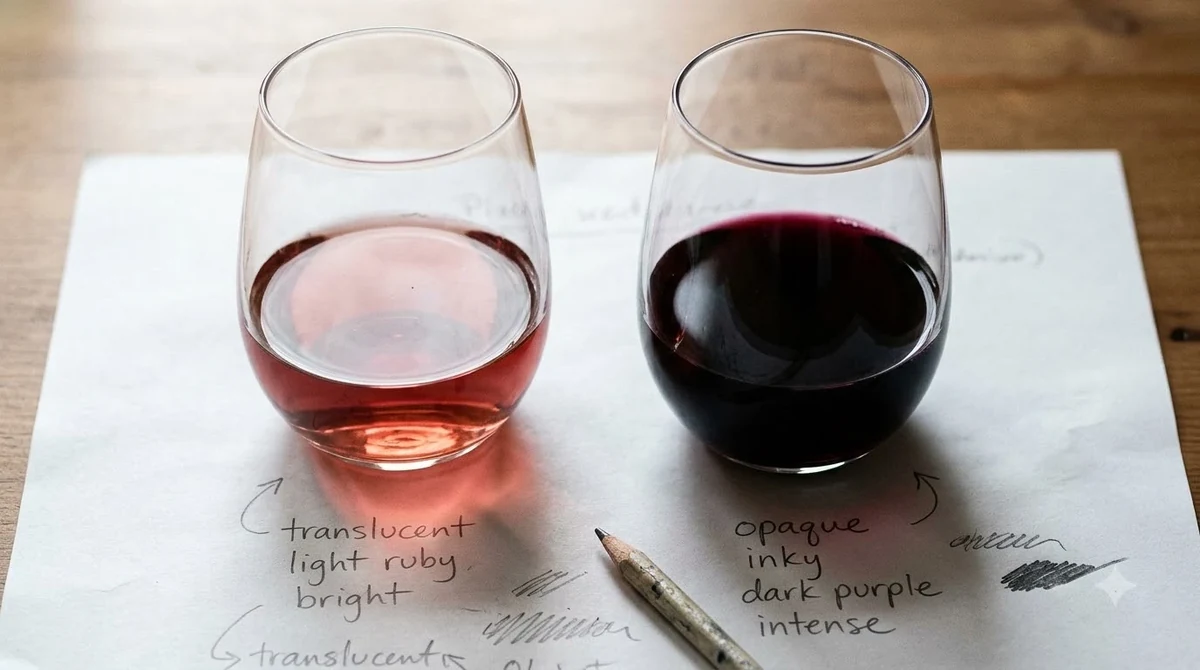
Wine body describes the overall weight and texture of a wine on the palate. A light-bodied wine tends to feel delicate and relatively easy to drink, while a full-bodied wine creates a broader, more substantial sensation. Think of the difference between skim milk, whole milk, and heavy cream: the comparison is not about sweetness but about perceived weight and texture.
Cabernet Sauvignon generally sits toward the full-bodied end of the red-wine spectrum. Its concentrated flavors and substantial structure make each sip feel persistent rather than fleeting. The wine may seem dense, powerful, or firm, particularly when young, although individual bottles can show different degrees of richness.
The grape itself contributes considerably to this style. Cabernet Sauvignon produces small, dark berries with thick skins. Those skins supply pigments and phenolic compounds, including tannins, which contribute color and structure during fermentation. Wine Enthusiast identifies these characteristics as important reasons for Cabernet Sauvignon’s concentrated flavors and grippy texture in its Cabernet Sauvignon grape and wine overview.
Alcohol also contributes to perceived body. A wine with more alcohol can feel warmer and fuller on the palate, particularly when combined with ripe fruit and concentrated flavors. However, alcohol alone does not determine body. A balanced Cabernet Sauvignon needs its fruit, acidity, tannins, and alcohol to work together.
Oak aging can add another dimension. Many Cabernet Sauvignon wines spend several months in barrels, developing flavors associated with vanilla, cedar, toast, and spice. Wine Enthusiast describes oak maturation periods of approximately 6 to 24 months for many examples. Oak can also help soften the wine’s initially firm texture.
Full-bodied does not automatically mean heavy, sweet, or excessively alcoholic. A well-made Cabernet Sauvignon can feel powerful while maintaining freshness, definition, and balance.
How Cabernet Sauvignon Tastes and Feels
Cabernet Sauvignon typically tastes dry, with black fruit, noticeable tannins, medium-to-high acidity, and a substantial mouthfeel. Its signature combination of fruit concentration and structure makes it recognizable even among other bold red wines.
Blackcurrant and black cherry are two of the most recognizable Cabernet Sauvignon flavors. Depending on ripeness and growing conditions, the wine may also show blackberry, dark plum, cassis, and occasionally hints of blueberry. These flavors can seem fresh and crisp or ripe and jammy.
Beyond fruit, Cabernet Sauvignon often develops savory characteristics. Common examples include:
- Green bell pepper: A recognizable herbal or vegetal note that can appear in less ripe or cooler-climate expressions.
- Mint and eucalyptus: Fresh herbal aromas that add definition to the dark-fruit profile.
- Cedar: A woody, aromatic character associated with both grape expression and oak maturation.
- Tobacco: A savory aroma that becomes particularly noticeable in some mature wines.
- Vanilla and baking spice: Flavors that can develop through oak aging.
- Graphite: A mineral-like impression sometimes found in structured Bordeaux-style wines.
Tannins are another defining feature. They create a drying sensation on the gums, tongue, and inside of the cheeks. This sensation is sometimes mistaken for the wine’s body, but tannin and body are different characteristics. Body describes weight, while tannin describes astringency and structural grip.
Cabernet Sauvignon generally has high tannins. Young bottles can feel especially firm, with a drying finish that lasts after swallowing. With suitable bottle aging, tannins can become more integrated and less aggressive, making the wine feel smoother without necessarily losing its full-bodied character.
Acidity provides another important part of the experience. Cabernet Sauvignon has enough natural acidity to balance its dark fruit and tannins. This freshness prevents a concentrated wine from feeling completely flat or excessively heavy.
Most traditional Cabernet Sauvignon is dry. Ripe blackberry or black cherry flavors can create an impression of sweetness, but fruity aromas do not mean the wine contains substantial residual sugar.
The combination of dry fruit, tannins, acidity, and oak gives Cabernet Sauvignon its familiar personality: powerful, structured, and layered rather than simply soft or fruity.
How Climate and Wine Regions Change Its Body
Cabernet Sauvignon is usually full bodied, but climate and growing location influence how heavy, ripe, and structured it feels. Napa Valley, Bordeaux, Chile, and Australia offer useful examples of the differences between regional expressions.
Cabernet Sauvignon is a late-ripening grape that needs sufficient warmth and time to develop fully. Decanter explains that the variety performs particularly well in the warm, gravelly soils of Bordeaux’s Médoc. It also describes how ripeness affects the wine’s aromatic profile, from green capsicum and grassy notes to blackcurrant and cassis.
Napa Valley and California
Napa Valley is strongly associated with rich, concentrated Cabernet Sauvignon. Many examples show ripe blackberry, black cherry, cassis, and plum, with additional notes of vanilla, cocoa, cedar, or baking spice from oak maturation.
Napa Valley Vintners describes the region’s Cabernet wines as potentially dense and powerful in their youth, with the ability to develop gracefully over time. Its regional profile identifies black cherry, black plum, tobacco, graphite, and baking spices as characteristic notes.
Sonoma also produces distinctive examples. Depending on the location and winemaking approach, Cabernet Sauvignon can show ripe fruit, savory herbal notes, and varying degrees of oak influence. These differences demonstrate that California Cabernet is not a single uniform style.
Bordeaux, France
Bordeaux demonstrates that full-bodied Cabernet Sauvignon does not have to taste especially ripe or heavy. On the Left Bank, particularly in the Médoc and Haut-Médoc, Cabernet Sauvignon plays an important role in structured red blends.
Pauillac is particularly associated with Cabernet-dominant wines featuring cassis, cedar, and cigar-box aromas. Saint-Julien, Saint-Estèphe, and Margaux also produce structured Cabernet-based blends, often emphasizing balance, freshness, and complexity.
Merlot frequently contributes softness and fruit to Bordeaux blends. On the Right Bank, especially in Saint-Émilion and Pomerol, Merlot is generally more prominent, resulting in a softer and fleshier style. Differences in soils, grape varieties, and climate contribute to the distinct identities of Bordeaux’s wine regions.
Chile and Argentina
Chile offers several excellent expressions of Cabernet Sauvignon. The Upper Maipo Valley and Rapel Valley produce wines that can be medium to full bodied, with black fruit, cedar, herbal notes, and firm structure.
Argentina also produces substantial Cabernet Sauvignon, particularly in Mendoza. These wines often emphasize ripe black fruit, generous texture, and a full-bodied profile. Some examples show leather and cigar-box characteristics after maturation.
Australia
Australia provides an interesting contrast between cooler and warmer Cabernet regions. Margaret River in Western Australia has a maritime-influenced climate and produces wines known for freshness, elegance, acidity, and structured fruit character.
Barossa Valley examples can be bolder, denser, and more concentrated, with ripe red and black fruit. These regional differences demonstrate why the same grape can produce wines with noticeably different expressions of body.
For a broader comparison with another Bordeaux variety, see our explanation of whether Cabernet Franc is full bodied.
Cabernet Sauvignon Compared With Other Red Wines
Cabernet Sauvignon generally feels fuller and more tannic than Merlot and Pinot Noir. Comparing these varieties helps clarify what makes Cabernet Sauvignon a substantial red wine.
Body, tannin, and acidity are related but separate characteristics. A wine can have considerable body without aggressive tannins, or noticeable acidity without feeling particularly heavy. The following comparison describes typical dry, still-wine styles rather than every possible bottle.
| Wine variety | Typical body | Tannin | Acidity | General character |
|---|---|---|---|---|
| Cabernet Sauvignon | Full | High | Medium to high | Dark fruit, firm structure |
| Merlot | Medium to full | Medium | Medium | Plum, softer texture |
| Cabernet Franc | Light to medium-full | Medium | Medium to high | Red fruit, herbal notes |
| Pinot Noir | Light to medium | Low to medium | High | Red cherry, delicate structure |
| Syrah | Medium to full | Medium-plus to high | Medium | Dark fruit, pepper, spice |
| Malbec | Medium to full | Medium to high | Medium | Black plum, dark berries |
Merlot is often the closest comparison because both grapes feature prominently in Bordeaux blends. Merlot generally has softer tannins and a rounder texture, with plum, black cherry, and chocolate-like flavors. Cabernet Sauvignon tends to have firmer tannins and a more pronounced structural backbone.
Pinot Noir is a more obvious contrast. Its lighter body, lower-to-medium tannins, and high acidity create a more delicate experience. Red cherry, raspberry, earthy notes, and subtle spice are common characteristics. Someone who finds Cabernet Sauvignon too heavy may prefer Pinot Noir.
Syrah can be just as substantial as Cabernet Sauvignon, although its flavor profile is different. Depending on the region, Syrah may feature blackberry, black pepper, smoked meat, and savory spice. Its tannins can also be substantial.
Malbec is another popular alternative for people who enjoy dark fruit and generous texture. It often feels plush and approachable, although its tannin levels and body vary considerably by region.
White wines provide an even clearer contrast. Sauvignon Blanc generally has high acidity and a lighter body, with citrus, green fruit, and herbal flavors. Chardonnay can have a fuller texture, particularly when oak aged, but its structure differs from tannic red wines.
For a closer look at a refreshing white-wine alternative, read our article about whether Sauvignon Blanc is full bodied.
Best Foods to Pair With Full-Bodied Cabernet Sauvignon
Cabernet Sauvignon pairs particularly well with rich, savory foods that can stand up to its concentrated fruit and firm tannins. Steak, lamb, aged cheese, and hearty mushroom dishes are reliable choices.
The basic pairing principle is to match the wine’s intensity with the food’s richness. A delicate seafood dish can disappear beside a powerful Cabernet Sauvignon, while a grilled steak has enough flavor and texture to complement the wine.
Red Meat and Grilled Dishes
Grilled steak is a classic Cabernet Sauvignon pairing. Ribeye, New York strip, porterhouse, and grilled sirloin provide rich flavors that complement dark fruit and structured tannins.
Fat also helps soften the perception of tannin. This is one reason marbled beef works particularly well with Cabernet Sauvignon. The richness of the meat balances the wine’s drying sensation and makes the combination feel more harmonious.
Lamb is another excellent option. Roasted lamb, grilled lamb chops, and herb-crusted leg of lamb complement Cabernet’s blackcurrant, cedar, and herbal notes. Rosemary, thyme, and garlic can reinforce savory characteristics in the wine.
Cheese and Rich Vegetarian Foods
Aged cheeses are useful partners because their richness and saltiness can soften the wine’s tannic impression. Try aged cheddar, Parmesan, or Gouda with a structured Cabernet Sauvignon.
For vegetarian meals, grilled portobello mushrooms, roasted eggplant, and lentil dishes offer satisfying alternatives to meat. Their savory flavors and substantial textures are more suitable than delicate salads or lightly seasoned vegetables.
Tomato-based pasta can also work, particularly when the sauce includes roasted vegetables, mushrooms, or hearty ingredients. However, the acidity of the sauce matters. Acidic foods generally need a wine with equal or higher acidity to avoid making the wine seem flat.
Foods That Can Be Difficult to Pair
Very spicy dishes can make Cabernet Sauvignon seem harsher. Chili heat tends to become more noticeable alongside alcohol and tannin, so heavily spiced curries and hot sauces are not always ideal partners.
Oily fish such as salmon or tuna can also be challenging with strongly tannic Cabernet Sauvignon. The combination may create an unpleasant metallic impression. A lighter red or an appropriately acidic white wine is often a better option.
Sweet sauces require some attention as well. A dish that tastes sweeter than the wine can make Cabernet Sauvignon seem bitter or excessively dry. For dishes with substantial sweetness, a wine at least as sweet as the food is generally the better match.
Tip: For a dependable Cabernet Sauvignon dinner pairing, serve a grilled ribeye with roasted mushrooms, rosemary, and aged cheddar. The beef’s fat and the cheese’s salt help balance the wine’s firm tannins, while the mushrooms complement its savory flavors.
How to Serve Cabernet Sauvignon for the Best Experience
Serve Cabernet Sauvignon at approximately 60–65°F to bring out its fruit, aroma, and structure without emphasizing excessive alcohol warmth. Proper temperature, glassware, and aeration can make a substantial difference to the drinking experience.
Many people serve red wine at room temperature, but a warm room can make Cabernet Sauvignon feel heavy and alcoholic. A slightly cool serving temperature preserves freshness while allowing its aromas to develop in the glass.
A simple way to prepare a bottle is to place it in the refrigerator briefly before serving. If the wine has been stored in a warm room, chilling it for around 15–20 minutes can help bring it closer to the desired range. A cooler cellar-stored bottle may need less time.
Choose the Right Glass
A large-bowled red wine glass is a good choice for Cabernet Sauvignon. Its generous surface area allows the wine to interact with oxygen, while the tapered opening helps concentrate aromas toward the nose.
A glass with enough room to swirl is particularly useful for a young Cabernet. Swirling releases aromas of blackcurrant, cherry, cedar, and spice, helping reveal the wine’s complexity.
When to Decant Cabernet Sauvignon
Young, full-bodied Cabernet Sauvignon often benefits from decanting for approximately 30–60 minutes before drinking. Exposure to oxygen can help a tightly structured wine become more expressive and make its tannins seem less aggressive.
Decanting is especially useful for wines with concentrated fruit, pronounced oak, and firm tannins. However, not every Cabernet requires an hour of aeration. A relatively approachable bottle may open up quickly after pouring into a glass.
Older Cabernet Sauvignon requires a different approach. Mature wines may contain sediment, so careful decanting can separate the clear wine from deposits. Excessive aeration can diminish delicate aromas in an older bottle.
How Much to Pour
A standard wine serving is approximately 5 ounces. A 750 ml bottle contains about five standard glasses, making it easy to plan portions for a dinner party.
Allow some space in the glass rather than filling it to the rim. This makes swirling easier and leaves room for the wine’s aromas to collect above the liquid.
Does Aging Change Cabernet Sauvignon’s Body?
Cabernet Sauvignon can age exceptionally well, but bottle aging generally changes its texture, aromas, and tannin integration rather than automatically making it light bodied. A mature Cabernet can remain substantial while becoming smoother and more complex.
Young Cabernet Sauvignon often emphasizes primary fruit flavors. Blackcurrant, blackberry, black cherry, and plum are common, while the tannins can feel particularly firm. Oak influence may contribute vanilla, toast, and cedar, depending on the winemaking approach.
As the wine matures, its primary fruit aromas can gradually give way to more developed characteristics. Leather, tobacco, dried fruit, cedar, and earthy notes may become more prominent. The wine can also develop a more integrated texture as its components evolve.
Wine Enthusiast describes Cabernet Sauvignon as a variety capable of developing complexity over many years, with some well-made examples improving for 10–20 years or even considerably longer. However, aging potential depends on the individual wine, vintage, production methods, and storage conditions.
Not every Cabernet Sauvignon is intended for extended cellaring. Many everyday bottles are made for drinking relatively young, when their fruit flavors remain fresh and accessible. A wine’s price or grape variety alone cannot guarantee that it will improve with age.
How to Store Cabernet Sauvignon
Proper storage helps preserve a bottle’s structure and flavor. Keep unopened bottles in a cool, dark environment near 55°F, with minimal temperature fluctuations and limited exposure to sunlight.
For bottles sealed with natural cork, horizontal storage helps keep the cork in contact with the wine. Avoid locations near ovens, radiators, or other heat sources. Repeated temperature changes can damage wine quality over time.
Once opened, reseal the bottle and place it in the refrigerator. Most opened still wines remain enjoyable for approximately 3–5 days, although aroma and flavor can gradually decline. Let the wine warm slightly before serving again.
For more information about bottle longevity, see our guide to how long Cabernet Sauvignon lasts unopened. It explains why storage conditions and the wine’s structure matter when estimating its drinking window.
Cabernet Sauvignon’s ability to age is one of its most appealing qualities. However, a bottle does not need years in a cellar to deliver a satisfying full-bodied experience. Many young examples are enjoyable with a little aeration and the right food pairing.
Frequently Asked Questions
Is Cabernet Sauvignon stronger than other red wines?
Cabernet Sauvignon often has a relatively high alcohol level, but strength varies by producer, region, and vintage. Some wines have more alcohol than lighter Pinot Noir or cooler-climate Merlot, while others fall within similar ranges. Alcohol content is not the same as body or tannin intensity.
Is Cabernet Sauvignon a good wine for beginners?
Yes, particularly for people who enjoy concentrated fruit and dry red wines. Its recognizable blackcurrant and black cherry flavors make it relatively easy to identify. Beginners who find young Cabernet too drying can start with a softer Merlot-influenced blend.
Can Cabernet Sauvignon be made without oak aging?
Yes. Cabernet Sauvignon can be fermented and matured in stainless steel tanks or other non-oak vessels. These wines can emphasize fresh black fruit and grape-derived characteristics rather than vanilla, toast, and cedar. Oak aging is common but not a requirement for producing Cabernet Sauvignon.
Is Cabernet Sauvignon suitable for blending?
Yes. Cabernet Sauvignon is an important blending grape in Bordeaux-style wines. Its structure and tannins complement the softer fruit and texture of Merlot, while Cabernet Franc can contribute herbal aromas and additional freshness. Petit Verdot and Malbec can also appear in these blends.
Does Cabernet Sauvignon have a different name in other countries?
The grape is generally called Cabernet Sauvignon internationally, although historical synonyms include Vidure, Petit Cabernet, and Bouchet. These names have regional and historical associations, particularly in France. Cabernet Sauvignon should not be confused with Cabernet Franc, which is a distinct grape variety and one of its parents.
Cabernet Sauvignon is one of the clearest examples of a full-bodied red wine, combining concentrated dark fruit, high tannins, and a substantial mouthfeel. Its expression ranges from structured, savory Bordeaux blends to richer Napa Valley and Australian examples, so there is considerable variety within the style. Choose a regional expression that suits your preferences, serve it slightly cool, and pair it with flavorful food to appreciate what makes Cabernet Sauvignon such a distinctive red wine.
More in Wine Types & Grapes
 What Does Mourvèdre Taste Like? Flavor Profile, Regions, and PairingsUpdated Nov 20, 2026
 What Does Marsanne Taste Like? Flavors, Styles, and Food PairingsUpdated Nov 20, 2026
 What Does Malvasia Taste Like? Styles, Flavors, and Food PairingsUpdated Nov 20, 2026
 What Does Grenache Blanc Taste Like? Flavor Profile, Styles, and PairingsUpdated Nov 20, 2026
 What Does Garnacha Taste Like? Key Flavors, Styles, and Pairing TipsUpdated Nov 20, 2026
 What Does Fruit Wine Taste Like? A Complete Flavor and Style BreakdownUpdated Nov 20, 2026