

We may earn a commission when you buy through links on this page, at no extra cost to you. Learn more.
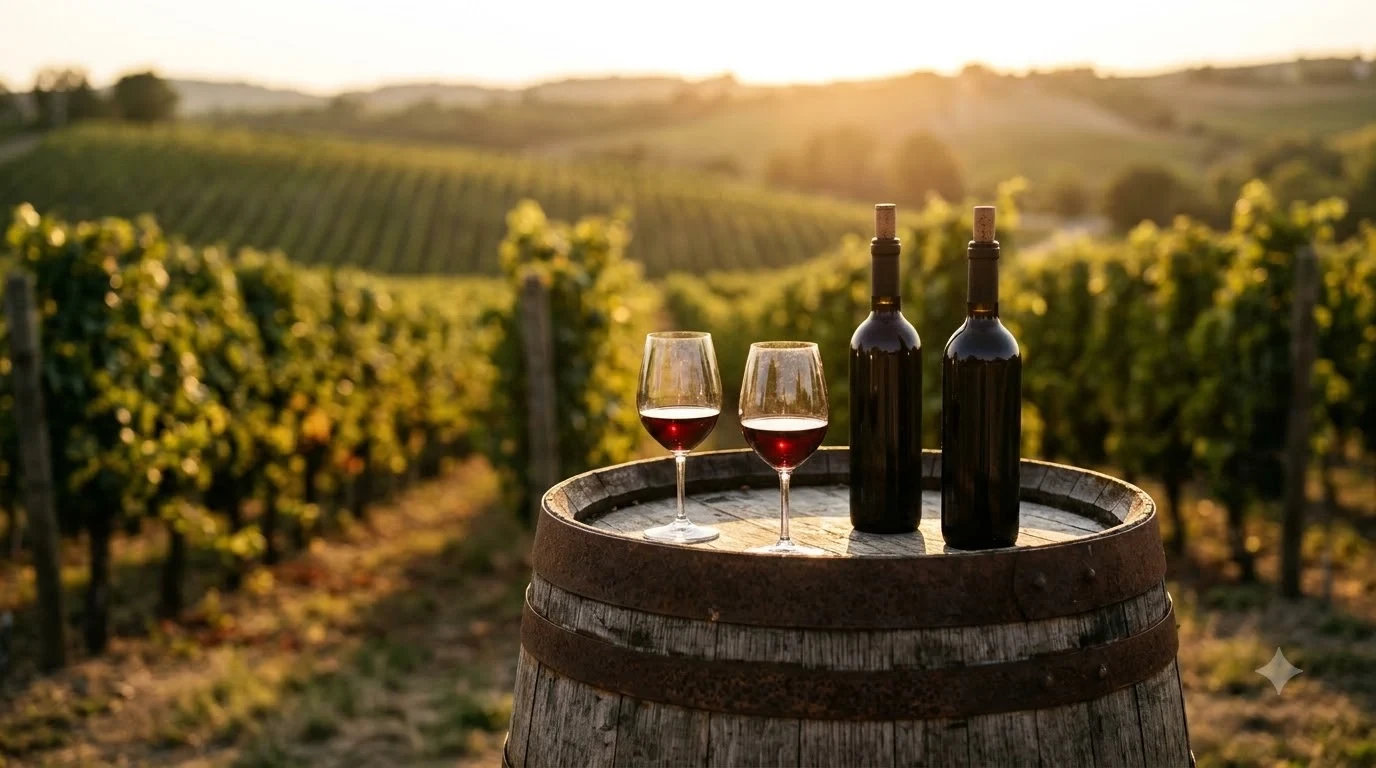
The best red wine brands are the producers whose bottles match the style you want, from Napa Cabernet Sauvignon such as Caymus to Bordeaux estates like Château Lafite Rothschild, and from Merlot-led blends to value-focused labels from Chile. A brand name alone does not tell you much, so this guide groups the well-known red producers by the grape and region behind them. Use it to narrow the choice before you compare bottles on the shelf.
Red wine brands can be confusing because many labels use similar names, and a single producer may make several wines from different grapes and vineyards. The more useful approach is to start with the grape, the region, and the style, then look at which producers have built a reputation for that combination.
Quick Comparison
The brands below are grouped by the main red grape and region they are known for. The table gives a quick view of how each group tends to taste and what it pairs with.
| Group | Typical grape | What to expect | Good with |
|---|---|---|---|
| Napa Valley Cabernet | Cabernet Sauvignon | Black currant, cedar, and firm tannins | Grilled steak and peppery sauces |
| Bordeaux estates | Cabernet Sauvignon blends with Merlot | Savory, structured, and built to age | Roast meats and rich braises |
| Merlot-led reds | Merlot | Softer tannins and plum or cherry fruit | Pizza, roast chicken, and creamy pasta |
| Value reds from Chile | Cabernet Sauvignon and Merlot | Blackberry and fig fruit, often good value | Everyday meals and casual gatherings |
Best for Napa Valley Cabernet
Caymus Vineyards is one of the best-known Napa Valley names. It is a winery in Rutherford, founded in 1972 and owned by the Wagner family, and its Cabernet Sauvignon is the core of the lineup. The Caymus Vineyards entry on Wikipedia describes the flagship Special Selection, first released in 1975 and made only in select years, along with a regular annual Cabernet.
Napa Cabernet is generally fuller and fruitier than Bordeaux, with black currant and blackberry flavors and a mint note in some bottles. If you want a red that shows the warm-climate side of Cabernet, a Napa producer is a good place to start.
Best for Classic Bordeaux Structure
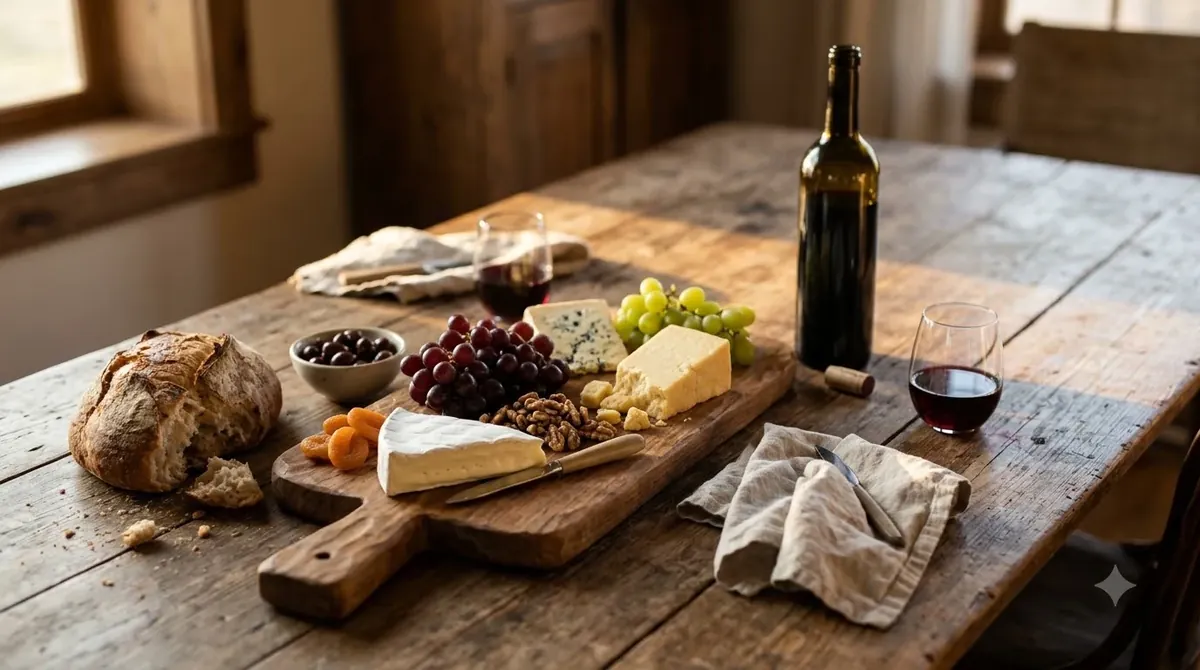
Bordeaux red wines are built on blends, usually led by Cabernet Sauvignon with Merlot, Cabernet Franc, and Petit Verdot. Château Lafite Rothschild, in Pauillac in the Médoc, is one of the most famous estates. It was one of the original First Growths under the 1855 Bordeaux Classification, and its final wine is typically 80 to 95 percent Cabernet Sauvignon, with 5 to 20 percent Merlot.
Bordeaux reds are often savory and age-worthy, with notes of tobacco and pencil lead. Many visitors find them a good match for roast meats and dishes with deep, earthy sauces. Counterfeit bottles are a known problem with top Bordeaux labels, so buy from a reputable retailer.
Best for Merlot Lovers
Merlot is the easiest red to enjoy for people who find Cabernet too firm. Wine Folly describes Merlot as cherry, plum, and chocolate in flavor, with medium-high tannins that are softer and less astringent than Cabernet Sauvignon. Oak aging adds vanilla and spice, which is why many Merlot brands feel smooth and approachable.
Merlot brands from Washington’s Columbia Valley, including producers in Walla Walla and Yakima Valley, tend to show ripe black fruit with a fresh acidity and an herbal edge. Napa Merlots are usually fuller and velvety. Compare a few styles to see which one suits your table.
Merlot also has deep roots in Bordeaux, where it accounts for about 60 percent of the appellation’s plantings. The Right Bank appellations of Pomerol and Saint-Émilion are its heartland, and their Merlot-based wines show plum, black cherry, and earthy notes. Many Bordeaux brands from those areas are a good way to taste the grape at its most traditional.
Best for Value Reds
Chile is a practical source of everyday red wines. Cabernet Sauvignon from Chile often shows blackberry and fig paste, and the country’s warm growing regions, such as Maipo, Aconcagua, and Colchagua, produce many good-value bottles. These reds are a sensible choice for weeknight dinners and casual gatherings.
Chilean reds also fit a wide range of food. Grilled meats and peppery sauces match Cabernet Sauvignon, while Merlot works with pizza, barbecue chicken, and creamy pasta. Because the value category is large, reading the grape on the back label matters more than the brand name. A Chilean Cabernet and a Chilean Merlot taste different, so pick the grape you enjoy and then choose a producer from the same country.
Best for Bold, Peppery Reds
South Australia is known for powerful reds with black plum, bay leaf, and white pepper notes. Coonawarra is one of the leading areas for Cabernet Sauvignon there. These wines have strong tannins and suit grilled meats, lamb, and boldly spiced dishes.
If you enjoy a red with some grip and a peppery finish, a South Australian Cabernet or a Syrah-based bottle from a warm region is a good next step after a Napa or Chilean choice.
Tuscany and Friuli in Italy also produce Merlot, often in Super Tuscan blends or in fruit-forward bottlings from Friuli. If you want to compare how the grape changes with climate, pick one bottle from a cool region and one from a warm one, then taste them side by side.
How to Choose a Red Wine Brand
Start with the grape. If you like a firm, dark-fruited red, look for Cabernet Sauvignon from Napa, Bordeaux, or Coonawarra. If you prefer a softer glass, look for Merlot from Washington or Bordeaux’s Right Bank. If you want good value for everyday meals, Chilean Cabernet and Merlot are a reliable place to look.
Read the back label for the region, the grape, and any mention of oak aging. Those details tell you more than the brand name, and they help you compare producers that make similar styles. The Cabernet Sauvignon grape guide from Wine Folly explains the flavors and regions behind many of the brands above. For more on reading labels, the wine buying guide is a useful next step.
If you are also choosing white or sparkling wines, the best Champagne brands and best Pinot grigio brands guides cover those categories, so you can plan a full table of wines in one shopping trip.
Frequently Asked Questions
What is the best red wine brand for beginners?
There is no single best brand, but a Merlot from Washington or a Chilean Cabernet is a good start. Both are generally approachable, and their labels make the grape and region easy to identify.
Is Cabernet Sauvignon always full-bodied?
Most Cabernet Sauvignon is dry and full-bodied with medium-high tannins, but the fruit and structure vary by region. Bordeaux is savory, while Napa and Chile tend to be fruitier.
Why do Bordeaux wines often list several grapes?
Bordeaux estates blend Cabernet Sauvignon, Merlot, and other varieties to balance structure, fruit, and aging potential. A blend is common in Bordeaux, so a list of grapes on the label is normal.
How can I avoid fake bottles of top red wines?
Buy from reputable retailers, check the producer’s website for information on the bottle, and be cautious with unusually low offers on well-known labels. Counterfeits are a known problem for top Bordeaux estates.
The best red wine brand for you is the one that matches the grape and style you already enjoy. Start with Napa Cabernet, Bordeaux blends, Merlot, or Chilean value reds, compare two or three producers in the same group, and note which bottle tastes best with the food you plan to serve.
More in Wine Buying Guides
 Riesling Gift: Choose a Bottle They’ll LoveUpdated Nov 21, 2026
 Sweet Red Wine Gift: Choose a Bottle They’ll LoveUpdated Nov 21, 2026
 Malbec Gift: How to Choose a Memorable Bottle for Any OccasionUpdated Nov 21, 2026
 Sherry Gift Ideas That Match Every Wine LoverUpdated Nov 21, 2026
 Moscato Gift: How to Choose a Sweet Wine They’ll LoveUpdated Nov 21, 2026
 Merlot Gift: How to Choose a Bottle They’ll AppreciateUpdated Nov 21, 2026