

We may earn a commission when you buy through links on this page, at no extra cost to you. Learn more.
Médoc wine comes from a long strip of gravel-rich land on the left bank of the Gironde estuary, northwest of Bordeaux, and it is mostly red wine built on Cabernet Sauvignon and Merlot. The region is famous for its firm, structured reds that age well, and its 1855 classification names many of the most celebrated estates in the world. Médoc wines are usually more tannic and more structured than the Right Bank wines across the river.
This guide explains where Médoc is, what makes its wines distinct, how the 1855 classification works, and how to choose a Médoc bottle without needing to know every château by heart.
Where Médoc sits in Bordeaux
Médoc is a wine-growing region in the Gironde department of Nouvelle-Aquitaine in southwestern France. It lies on the left bank of the Gironde estuary, northwest of the city of Bordeaux. The Gironde divides the Bordeaux wine country into two broad halves, and the left bank and right bank produce wines with different grape mixes and personalities.
According to the Wikipedia article on Médoc, the region’s economy rests mainly on red wine, and it has around 1,500 vineyards. The land is a mix of pine forests and long sandy beaches near the Atlantic, with a mild, wet climate. That maritime influence makes grape rot a constant concern, and growers work hard to keep the fruit healthy through the autumn.
Why the gravel matters
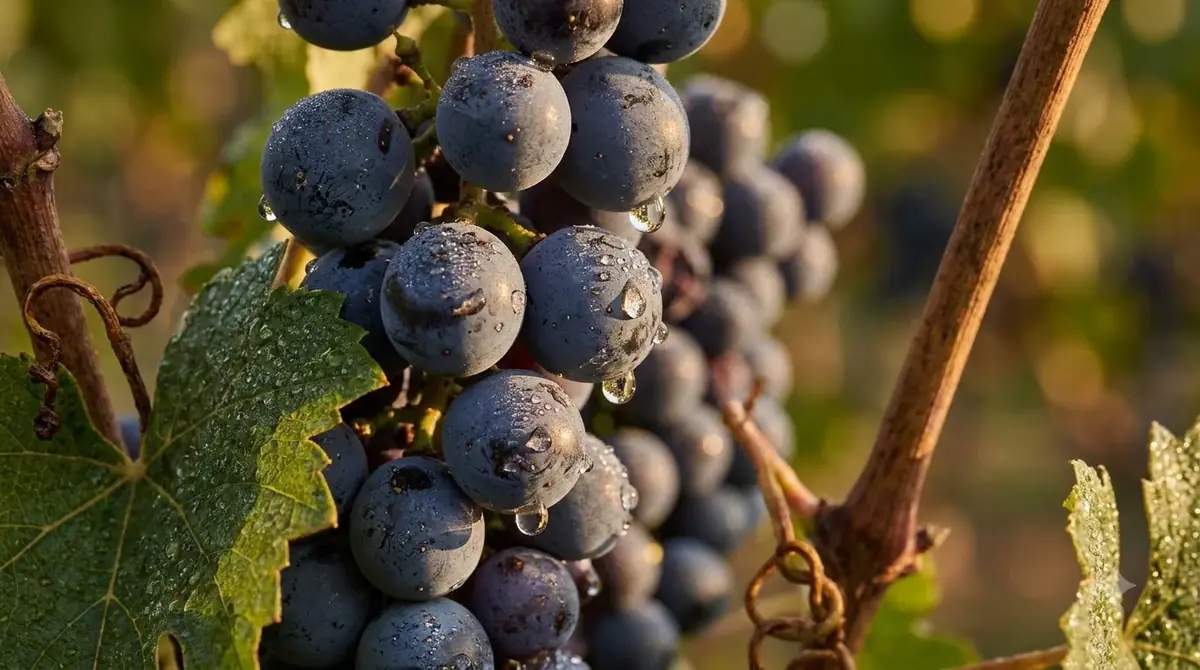
Much of Médoc’s character comes from its soil. Deep gravel beds hold heat during the day and release it at night, which helps the grapes ripen in a climate that would otherwise be marginal for the late-ripening varieties that dominate here. The gravel also drains well, so vines push their roots deep and produce fruit with concentration and structure.
That soil is one reason Médoc is so closely linked with Cabernet Sauvignon. The grape thrives in warm, well-drained gravel, and it gives wines with dark fruit, cedar and pencil-shaving notes, and firm tannins. Merlot is blended in to add softness and plum-like richness, and the balance between the two shifts from one estate to the next.
Grapes and the Left Bank style
A Bordeaux blend must include both Merlot and Cabernet Sauvignon, but the Left Bank tends to lean more heavily on Cabernet Sauvignon. According to VinePair’s guide to Bordeaux, Left Bank blends are higher in tannins, alcohol, and acidity than Right Bank blends, and they are generally considered to age better. Cabernet Franc, Petit Verdot, and Malbec can also appear in smaller amounts, while Carménère is rarely more than a small share.
The result is a style that is structured and savory rather than fruit-forward and plush. Young Médoc wines can taste tight, with grippy tannins and sharp acidity. With time in the bottle, they soften and gain layers of dried herb, leather, and dark berry. That is why many people buy a Médoc with the intention of waiting before they open it.
| Feature | Left Bank (Médoc) style | Right Bank style |
|---|---|---|
| Main grape | Cabernet Sauvignon | Merlot |
| Soil | Gravel on deep, well-drained ground | Clay and limestone |
| Typical texture | Firm tannins, higher acidity | Softer, plusher fruit |
| Aging | Often needs years in the bottle | Can be enjoyed somewhat sooner |
Tip: Médoc labels often name the commune, such as Margaux, Pauillac, Saint-Estèphe, or Saint-Julien. Those names tell you more about the wine’s style than the generic “Médoc” on the label.
The 1855 classification and what it means
The 1855 classification is the best-known ranking in Bordeaux. It was drawn up for the Paris Exposition of 1855 and originally rated the top wines of the Médoc, with Château Haut-Brion from the Graves as the sole exception. The Wikipedia article notes that apart from Haut-Brion, all the red wines in the 1855 classification come from the Médoc, which makes the region the heart of the famous ranking.
The classification has been an enduring marker of prestige, but it is a snapshot of prices and reputations from 1855 rather than a guide to what a bottle tastes like today. Many outstanding wines sit outside it, and many classified estates are not for everyday buyers. For most drinkers, the classification is best used as a starting point for research.
Cru Bourgeois and the wider market
Below the classified estates, the Cru Bourgeois category offers a large group of Médoc wines at a wider range of prices. The Wikipedia article explains that the category was abolished after legal challenges and that it returned in 2010 as an annual mark of quality based on independent assessment. Many Cru Bourgeois wines are good value for weeknight dinners or for laying down a few bottles to watch develop.
How to choose a Médoc bottle
Start by deciding how long you want to wait. A younger Médoc from a recent vintage can be drunk within a few years, but a serious bottle from a top estate may need a decade or more. If you are opening a wine soon, look for a producer known for approachable styles, or decant the bottle an hour before serving to let the tannins soften.
Next, look at the commune on the label. Pauillac and Saint-Estèphe are often seen as firm and powerful, Margaux is frequently described as more perfumed and elegant, and Saint-Julien sits between them in style. These are generalizations, and individual estates vary, but they give a useful starting point when you are comparing bottles.
Serving and food pairing
Serve Médoc reds at a cool room temperature, which keeps the fruit lively and the tannins in balance. A glass that allows the wine to breathe helps young bottles open up. Grilled lamb, roast beef, duck, and hard cheeses such as aged Comté are classic matches, because the wine’s tannins and acidity cut through rich fat and protein.
For a simpler meal, a Médoc with some age on it works with mushroom dishes and roasted root vegetables. Avoid pairing a young, tannic Médoc with very spicy food, since the heat can make the wine taste harsher. Keep the meal simple and let the wine’s structure do the work.
Frequently Asked Questions
What is Médoc wine?
Médoc wine is red wine from the Médoc region on the left bank of the Gironde estuary in Bordeaux. It is mainly built on Cabernet Sauvignon and Merlot, and it is known for firm tannins and long aging potential.
Why is Médoc so famous?
The region’s gravel soils and long history of Cabernet Sauvignon production helped it earn a reputation for structured wines. The 1855 classification of Bordeaux wines included many Médoc estates, which further raised its profile.
How long should I age a Médoc?
Younger Médoc can be enjoyed within a few years of the vintage, while top estates often need a decade or more. The best timing depends on the producer, the vintage, and your taste for tannin.
What is the difference between Médoc and Saint-Émilion?
Médoc is on the left bank and relies mainly on Cabernet Sauvignon, while Saint-Émilion is on the right bank and leans on Merlot. Médoc wines are generally firmer and more structured, and Saint-Émilion wines often feel softer and plusher.
A Médoc bottle is a good place to learn how Bordeaux works. Start with a Cru Bourgeois or a commune-labeled wine, then compare it with a bottle from another region. The Wine Regions guide is a useful next step, and the arizona wine and calistoga vineyards pages show how other climates shape a red wine’s structure.
More in Wine Regions
 Willcox Wine Trail: Discover Arizona’s High-Elevation Wine CountryUpdated Nov 20, 2026
 Yakima Valley Wine Region: Find the Best Styles to TryUpdated Nov 20, 2026
 Vosne Romanee Wine Tasting: Identify Aromas and Choose Better PairingsUpdated Nov 20, 2026
 Yakima Valley Wine Festival: Find the Best Seasonal Wine EventsUpdated Nov 20, 2026
 Wales Vineyards: Discover Cool-Climate Wines and Where to VisitUpdated Nov 20, 2026
 Yountville Wine Festival: Discover Napa Wines and Local FoodUpdated Nov 20, 2026