

We may earn a commission when you buy through links on this page, at no extra cost to you. Learn more.
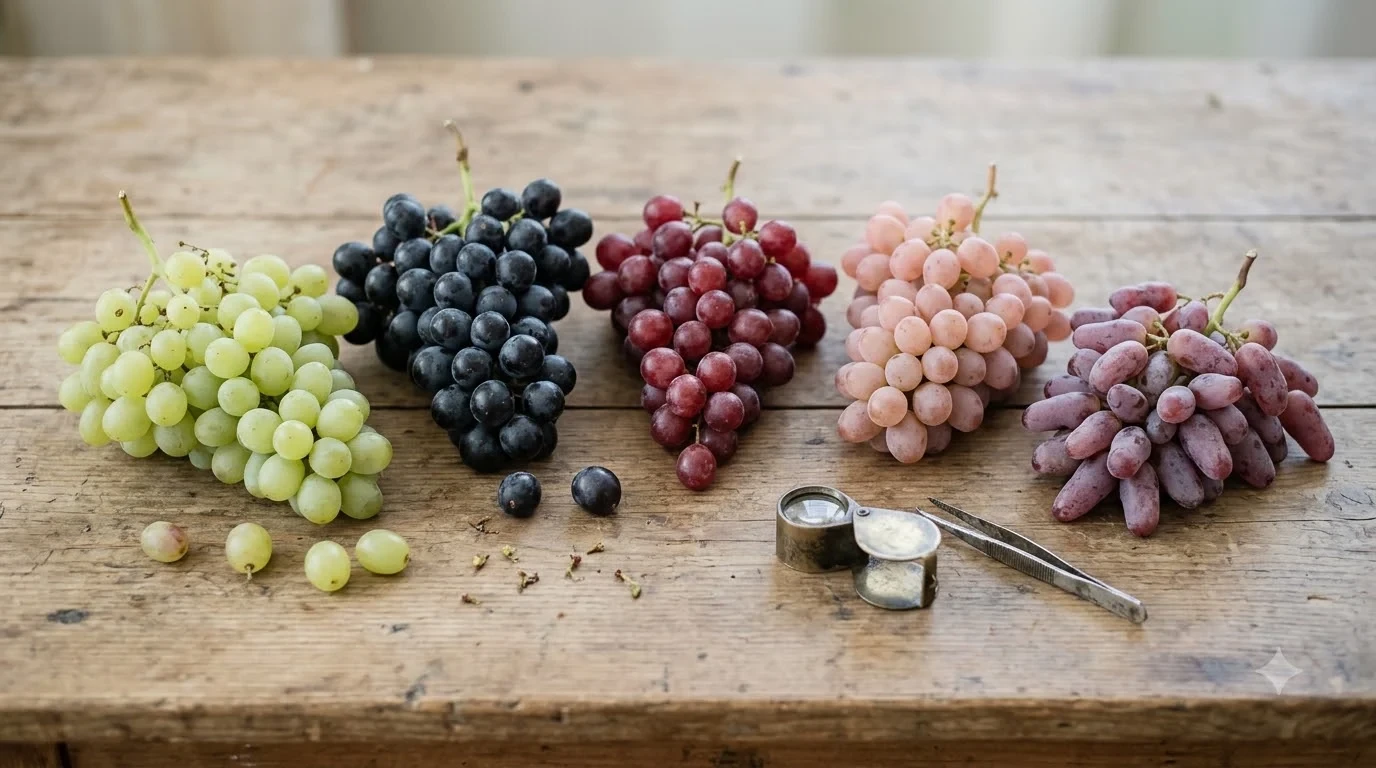
A Bordeaux blend wine is a red wine made by mixing several grape varieties, most often Cabernet Sauvignon and Merlot, in the style traditionally produced in the Bordeaux region of southwest France. The mix changes from bottle to bottle, so the same name can describe wines that taste quite different. Knowing which grapes are in the blend and where the grapes were grown tells you most of what to expect in the glass.
Many American shoppers see “Bordeaux blend” on a label and assume it means a single grape or a single style. This guide explains what the term covers, which grapes usually show up, how the Left Bank and Right Bank differ, and how to serve and buy a bottle that suits your table. If you are new to the region, start with a general overview of the area before comparing producers.
What a Bordeaux blend actually is
A Bordeaux blend is a wine built from more than one red grape. The idea comes from the Bordeaux region, where winemakers have long combined varieties so that each one covers a weakness of the others. A grape that is structured and tannic can be softened by one that is fleshier, and a grape with bright aromatics can add lift to a wine that otherwise feels heavy.
In the United States, the label phrase is used loosely. Some bottles follow the traditional Bordeaux formula closely, while others borrow the idea and use grapes or proportions from elsewhere. Reading the back label or the producer’s description is the most reliable way to see the actual blend.
The grapes that usually go into the blend
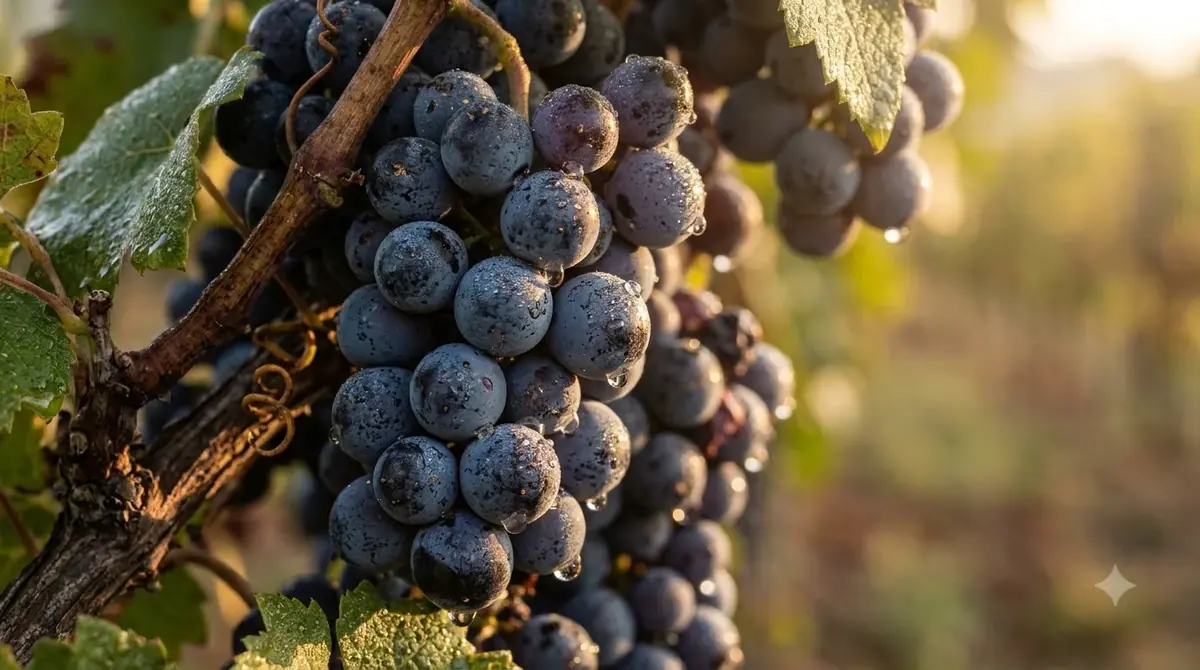
Two grapes do most of the work in a classic Bordeaux blend. Cabernet Sauvignon gives structure, dark fruit, and firm tannins, and it is most at home on the gravelly soils of the Médoc and Graves. Merlot gives softness, plum and cherry fruit, and a rounder mouthfeel. Wine Folly describes Cabernet Sauvignon as dry and full-bodied with medium-high tannins and medium-high acidity, with black cherry, black currant, cedar, and graphite on the palate, as noted by the Wine Folly Cabernet Sauvignon guide.
Merlot is the most planted variety in Bordeaux, and the Wine Folly Merlot guide puts it at about 60 percent of the region’s AOP vineyard plantings. It is softer and less astringent than Cabernet Sauvignon, which that guide attributes to thinner skins and smaller tannin molecules. Other traditional red varieties, such as Cabernet Franc and Petit Verdot, appear in smaller amounts and add perfume, spice, or extra color.
The proportions are where producers make their choices. A wine dominated by Cabernet Sauvignon will usually feel firmer and need more time in the cellar, while a Merlot-led blend often tastes ready to drink sooner. Some blends lean on Cabernet Franc for lift and aromatic detail, and that grape can make a wine smell brighter even when its structure is similar.
Winemakers also think about the vintage. A warm year tends to ripen the fruit more fully, which can give a rounder, more generous wine, while a cooler year can produce a leaner bottle with sharper edges. Because the blend can be adjusted each year, the same producer may shift the Merlot or Cabernet share from one vintage to the next, and that is one reason the label’s year is worth noting.
Left Bank and Right Bank styles
The Gironde river splits Bordeaux into two broad halves, and the soil on each side shapes the blend. On the Left Bank, including the Médoc and Graves, the gravel soils favor Cabernet Sauvignon, which is usually the leading grape, with Merlot added to soften it. These wines are often described as structured, with cassis, cedar, and a pencil-shaving note as they age.
On the Right Bank, clay and limestone soils suit Merlot, and Cabernet Franc often takes a supporting role. Right Bank blends tend to feel plusher and rounder, with plum, red fruit, and a softer tannin profile. The Pomerol appellation is known for wines where Merlot is the focus. Both banks make excellent wine, so the choice depends on whether you want firm structure or a softer, more immediate style.
| Style | Typical leading grape | Usual feel | Good with |
|---|---|---|---|
| Left Bank blend | Cabernet Sauvignon | Firm, structured, built for aging | Grilled steak, lamb, hard cheese |
| Right Bank blend | Merlot | Plush, round, approachable earlier | Roast chicken, mushrooms, duck |
| New World blend | Varies by producer | Often riper, more fruit forward | Burgers, barbecue, pizza |
How a Bordeaux blend tastes
Most Bordeaux blends are dry and show a layered profile. Young wines often lead with dark fruit, such as blackberry and black currant, along with herbal or green notes that come from the grapes themselves. With time in bottle, those edges soften and the wine can develop leather, dried herbs, and earthy depth.
Tannin is the element that surprises many newcomers. Cabernet-heavy blends can feel grippy and dry on the finish, especially when they are young. This is a sign of structure rather than a flaw. A bottle that tastes harsh now may open up after a few years, while a Merlot-led blend may already taste balanced.
How to serve a Bordeaux blend
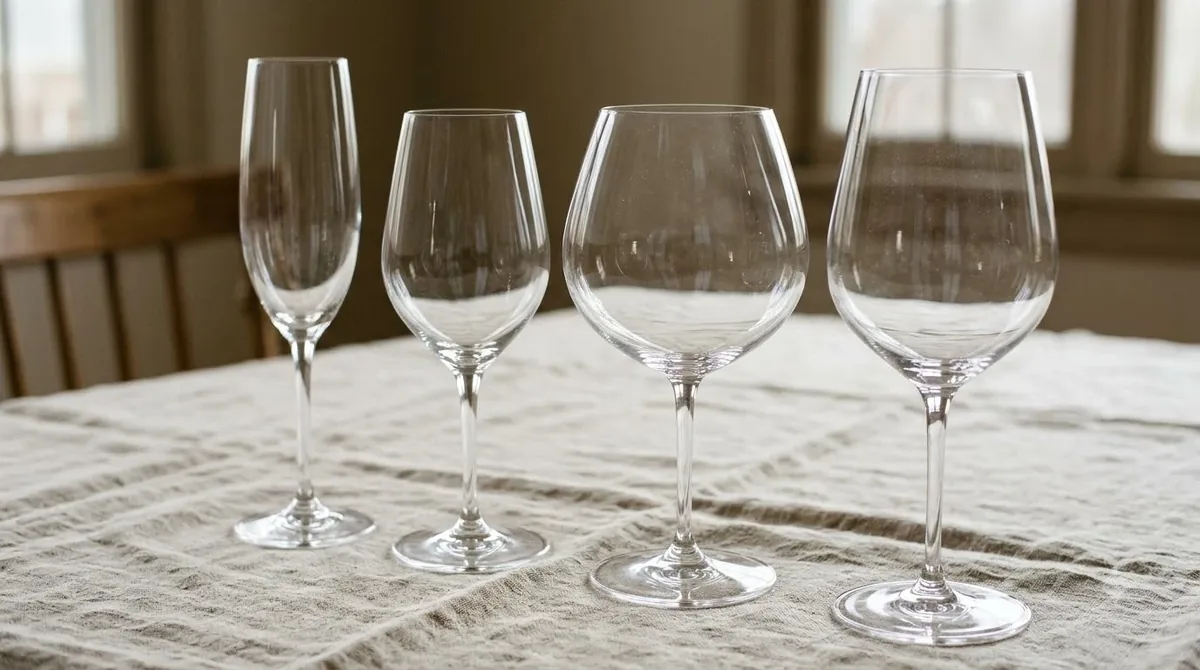
Serve a Bordeaux blend at a slightly cool room temperature rather than hot. Warm rooms can make the alcohol feel prominent and flatten the fruit, so a short stretch in the refrigerator before pouring often helps. Use a large glass with a wide bowl so the aromas have room to develop.
Decanting is worth considering for younger, tannic bottles. Pouring the wine into a decanter an hour or so before dinner lets it breathe and softens the tannins. Older bottles with sediment should be decanted more carefully, and the sediment should be left behind in the bottle.
Tip: If a bottle tastes too tight, give it 30 to 60 minutes in a decanter before judging it. Many blends change noticeably with air.
How to choose a Bordeaux blend
Start with the region on the label. A bottle labeled Bordeaux or a named Left Bank or Right Bank appellation usually follows the traditional formula. Check the grape list if the label gives it, and read the producer’s description for the style. A bottle described as firm and built for the cellar suits a longer wait, while one described as supple or ready to drink suits a weeknight dinner.
Price is not a reliable guide to style, either. A well-made entry-level blend can be more pleasant to drink now than an expensive bottle that needs years to settle, so it helps to match the bottle to the moment rather than to the price tag. If you are buying for a special dinner, a structured bottle from a good vintage is worth opening a few hours early. If you are buying for a casual evening, a Merlot-led blend that is already open-knit and easy will likely serve you better.
If you want a general introduction before you buy, the guide to what Bordeaux is explains the region’s appellations, which help you read labels with confidence. For a wider view of how red blends compare with other styles, the wine by type section is a good next step.
Frequently Asked Questions
What grapes are in a Bordeaux blend?
Cabernet Sauvignon and Merlot are the two main grapes in most classic Bordeaux blends. Cabernet Franc, Petit Verdot, and a few other traditional varieties may be added in smaller amounts.
Is Bordeaux blend a sweet or dry wine?
Bordeaux blends are almost always dry. The flavor comes from dark fruit, oak, and tannin, not from residual sugar.
What is the difference between Left Bank and Right Bank Bordeaux?
Left Bank blends usually lead with Cabernet Sauvignon and feel firmer. Right Bank blends usually lead with Merlot and feel rounder and softer when young.
Can you age a Bordeaux blend?
Many Bordeaux blends, especially Cabernet-led wines from good vintages, improve with several years of bottle age. Merlot-led bottles often drink well earlier, though some also age well.
A Bordeaux blend rewards a little attention to the label. Once you know the main grapes and the difference between the two banks, you can choose a bottle that matches the meal and the mood, whether that means a structured wine for a long dinner or a softer one for a weeknight.
More in Wine Types & Grapes
 Zinfandel Sugar Content: Dry Red vs. White Zinfandel GramsUpdated Nov 21, 2026
 Best Zinfandel Substitute Options for Sipping and CookingUpdated Nov 21, 2026
 Zweigelt Food Pairing: Best Dishes, Cheeses, and Serving TipsUpdated Nov 21, 2026
 Zinfandel Tannins Explained: How Structure Shapes Every BottleUpdated Nov 21, 2026
 Zinfandel Sweetness Level: Dry Red vs. Sweet White Zin ExplainedUpdated Nov 21, 2026
 Xinomavro Food Pairing: Best Dishes, Styles, and Serving TipsUpdated Nov 21, 2026