

We may earn a commission when you buy through links on this page, at no extra cost to you. Learn more.
In short, what does cabernet sauvignon taste like? Expect dark fruit such as blackcurrant and black cherry, firm tannins, a dry finish and often a hint of cedar or vanilla. The exact profile shifts with climate, winemaking and barrel choices. Most bottles feel full and structured rather than sweet or soft.
This guide breaks down the core flavors of cabernet sauvignon, explains how tannin and acidity shape the mouthfeel, and shows how place and oak change the glass. If you want to pick a bottle you will enjoy, these patterns will help you predict what is inside before you open it.
What Cabernet Sauvignon Tastes Like at a Glance
Cabernet sauvignon is a red wine that most drinkers describe as dark, dry and firm. The grape produces wines with deep color and a strong fruit core, and the texture often feels grippy on the gums. Think of it as a bold red that asks for attention at the table.
Many people find the taste easier to understand when they compare it with lighter reds. Pinot noir tends to feel silkier and more delicate, while cabernet sauvignon usually feels more concentrated. If you are used to white wines, you may notice that cabernet sauvignon has far less of the crisp, bright character you find in a sauvignon blanc, which is a completely different style.
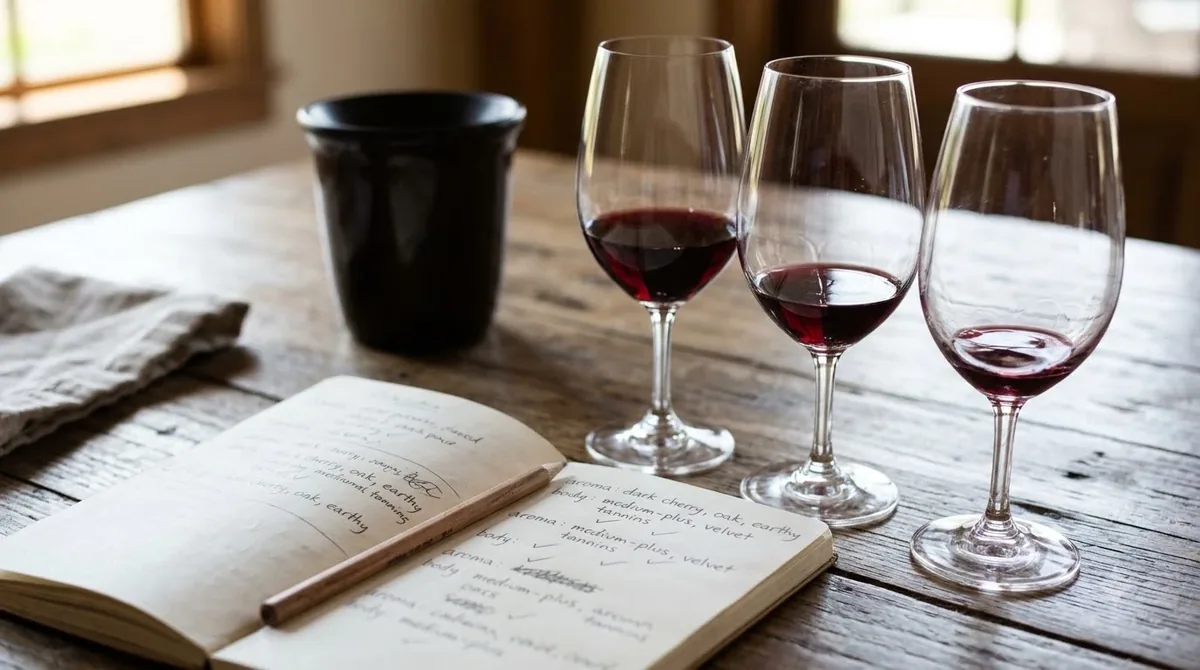
A useful way to start is to think in three layers. The first layer is fruit, the second is structure from tannin and acid, and the third is secondary flavor from oak or aging. Once you can spot these layers, the taste of cabernet sauvignon becomes much easier to read on a label or a wine list.
Core Flavors: Blackcurrant, Black Cherry, and Cedar
Blackcurrant is the flavor most people associate with cabernet sauvignon. Black cherry, plum and blackberry often appear alongside it, giving the wine a dark, ripe fruit character. Younger bottles tend to show fresher fruit, while older bottles shift toward dried fruit and savory notes.
Beyond fruit, many cabernets show herbal and earthy notes. Green bell pepper, mint, graphite and pencil shavings are common descriptions, especially in cooler growing conditions. Cedar, tobacco and leather can appear as the wine develops, which is why tasters often call the style savory rather than just fruity.
Spice is another common thread. Black pepper, clove and cocoa can add warmth to the finish. Many bottles also carry a vanilla or toasty sweetness when they spend time in wood. Reading these notes on a label is helpful, but remember that winemakers use them as guides, and your own nose may pick up something different.
Tannin, Acidity, and Body Explained
Tannin and acidity are the two structural pieces that define how cabernet sauvignon feels in the mouth. Tannin creates the drying, grippy sensation, while acidity makes the wine feel fresh and keeps the flavors lively. Body describes how heavy the wine feels, from light and thin to rich and full.
Researchers at Penn State have studied how tannins from grape skins and oak barrels contribute to bitterness, astringency and flavor. Their work, described in a university news release, shows that these compounds are complex and depend on their source. The Penn State tannin research story explains why the sensation can vary so much between bottles.
In practical terms, cabernet sauvignon usually has firm tannin and moderate to medium acidity. The table below shows how these elements usually show up for a typical glass. Your own reaction will vary, but the pattern helps you match a bottle to the meal or occasion you have in mind.
| Element | What it feels like | What it does for the wine |
|---|---|---|
| Tannin | Drying, grippy, slightly bitter on the gums | Adds structure and helps the wine age |
| Acidity | Fresh, mouth-watering, lively | Balances fruit and keeps the wine from feeling heavy |
| Body | Full and weighty on the palate | Gives the wine its sense of richness |
| Finish | Dry and lingering after the sip | Carries flavor long after you swallow |
If a cabernet feels harsh or puckery, the tannins may be young and not yet softened. Pairing it with food usually helps, because fat and protein make the tannins feel smoother. Wines with high alcohol can also feel warmer and fuller, so check the label before you assume how the bottle will taste.
How Climate and Region Change the Flavor
Where the grapes grow has a large effect on taste. Terroir, which covers soil, geography, climate and vineyard practice, shapes the chemistry of the grapes and the finished wine. Cabernet sauvignon grown in a warm place often tastes riper and fuller than the same grape grown in a cooler site.
Research on cabernet from China’s Ningxia region found that local wines differed in alcohol, acidity and phenolic compounds from Bordeaux and California examples. The study, published in an open-access journal, shows that a single grape can express its origin in measurable ways. Readers who want the technical detail can search for the paper by its title in a scientific database.
For everyday buying, a simple rule helps. Cooler sites often produce leaner cabernets with more herbal and red-fruit notes, while warmer sites tend to produce bolder, riper wines with more dark fruit. Your favorite style may depend on whether you like fresh structure or generous fruit. Check the producer’s notes for hints about climate and style.
The Role of Oak Aging in Cabernet Sauvignon
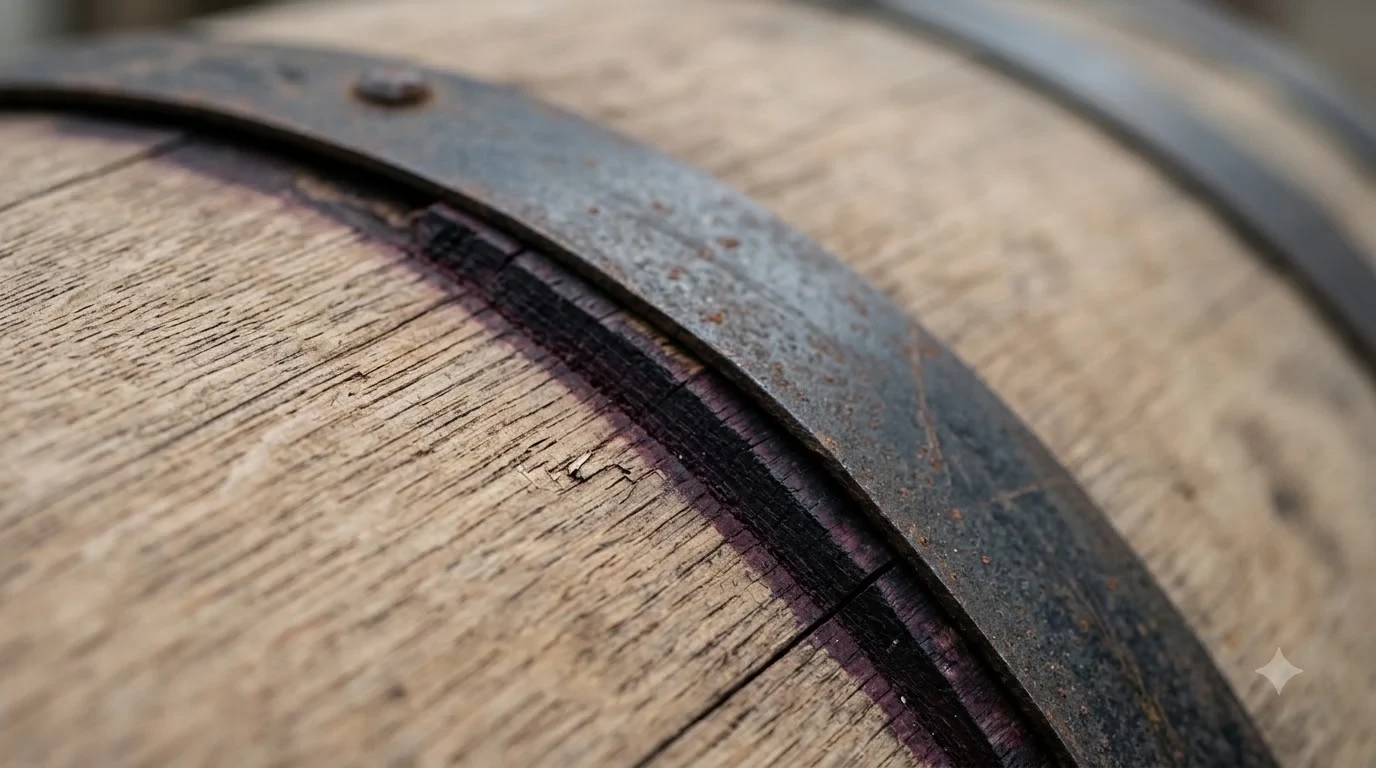
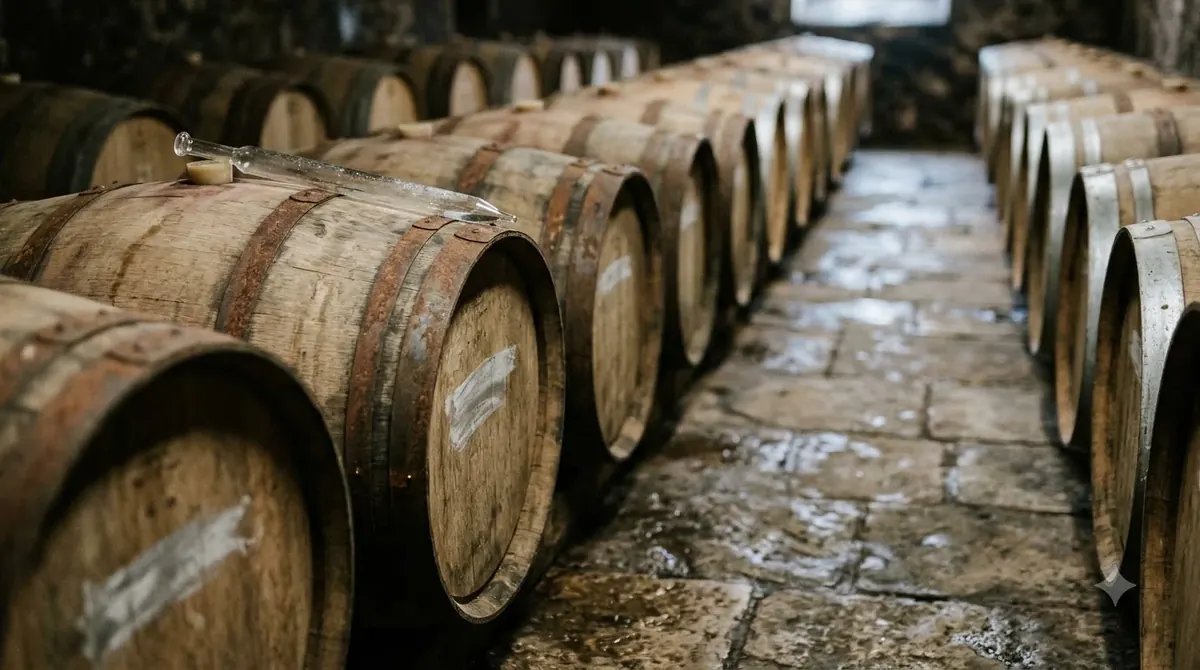
Oak aging adds a second layer of flavor that can be as noticeable as the fruit itself. Barrels can add vanilla, caramel, cocoa, spice and smoke, and they also change how the tannins feel. The effect depends on the type of wood, how much it was toasted and how long the wine stayed in the barrel.
According to the Wikipedia article on oak in winemaking, American oak often tastes more intense, with sweeter vanilla overtones, while French oak is usually described as finer and more gradual in its effect. Toasting the inside of a barrel can bring out mocha and toffee notes in red wine. New barrels impart more flavor than older ones, which is why winemakers often use a mix of barrel ages.
When you taste a cabernet, look for oak as a supporting character rather than the main act. A well-made bottle should still taste like fruit first, with oak adding depth. If the wine tastes mostly of vanilla or toast, the oak may be doing too much of the work. Oaked styles can be wonderful with grilled meat, but lighter fruit-forward bottles may suit a simpler meal.
Cabernet Sauvignon Compared With Other Red Wines
Cabernet sauvignon is often compared with other full-bodied reds, and the differences are easier to spot once you know what to look for. The biggest contrast is usually with lighter, softer reds that show less tannin and more red fruit. Comparing styles side by side helps you learn which texture you prefer.
Merlot tends to feel softer and rounder, with plummy fruit and less grip. Pinot noir is lighter in body and often shows red cherry and earthy notes. Syrah can be bolder and spicier, with pepper and dark fruit. Cabernet sauvignon sits between these styles, offering more structure than merlot and more concentration than pinot noir.
If you enjoy cabernet but want something lighter, try a red with less tannin and more fresh fruit. If you want something bigger, look for a cabernet from a warm site with some oak. For a general overview of styles, the Wine by Type section lays out the main categories side by side.
Food Pairings and How to Choose a Bottle
Cabernet sauvignon pairs best with rich, savory food because its tannin and acidity can handle fat and protein. Grilled steak, roasted lamb, hearty stews and aged cheeses are classic partners. The wine can also suit mushroom dishes and dark chocolate desserts, which echo its earthy and cocoa notes.
When choosing a bottle, start with the style you want. If you want fresh fruit and lower oak, look for a younger bottle from a cooler area. If you want richness and vanilla, choose a bottle that mentions barrel aging. Read the back label for tasting notes, and ask the shop staff which bottles they find most approachable.
Storage affects taste too. Keep bottles in a cool, dark place away from heat and strong vibration. Let a bold cabernet sit upright for a short time before serving so the aromas open, and avoid serving it too warm. If you plan to enjoy wine responsibly, pour modest glasses and drink with food.
Frequently Asked Questions
Is cabernet sauvignon sweet or dry?
Most cabernet sauvignon is dry, meaning it has little or no residual sugar. The taste comes from dark fruit, tannin and oak rather than sweetness. Some bottles can taste riper and rounder, but they are still usually considered dry wines.
Why does cabernet sauvignon taste bitter to some people?
Bitterness usually comes from tannins in the grape skins and seeds, and sometimes from oak. Young wines can feel more bitter because their tannins are still firm. Pairing the wine with food often softens that sensation.
Does oak aging always make cabernet taste better?
Oak adds flavor and texture, but it is a matter of personal taste. Some drinkers enjoy vanilla and toast, while others prefer fresh fruit. Check the label or producer notes to see how much oak the winemaker used.
What foods go well with cabernet sauvignon?
Grilled red meat, roasted lamb, aged cheese and mushroom dishes pair well. The wine’s tannin and acidity balance rich foods. Lighter dishes such as fish usually clash with the wine’s firm structure.
Cabernet sauvignon is easiest to enjoy when you know its main building blocks: dark fruit, firm tannin, lively acidity and oak. Try a few bottles from different regions to see how climate and barrel aging change the glass. For more styles to compare, explore the pinot grigio flavor guide or the prosecco flavor guide.
More in Wine Types & Grapes
 Zinfandel Sugar Content: Dry Red vs. White Zinfandel GramsUpdated Nov 21, 2026
 Best Zinfandel Substitute Options for Sipping and CookingUpdated Nov 21, 2026
 Zweigelt Food Pairing: Best Dishes, Cheeses, and Serving TipsUpdated Nov 21, 2026
 Zinfandel Tannins Explained: How Structure Shapes Every BottleUpdated Nov 21, 2026
 Zinfandel Sweetness Level: Dry Red vs. Sweet White Zin ExplainedUpdated Nov 21, 2026
 Xinomavro Food Pairing: Best Dishes, Styles, and Serving TipsUpdated Nov 21, 2026