

We may earn a commission when you buy through links on this page, at no extra cost to you. Learn more.
What does sauvignon blanc taste like? It tastes crisp and aromatic, with grassy, citrus and tropical fruit notes that often stand out right away. The exact balance depends on where the grapes grew and how the winemaker handled them. Cool-climate bottles usually lean green and tart, while warmer-climate bottles tend to taste riper and more fruit-forward.
Wondering what does sauvignon blanc taste like? This guide explains the main flavors you can expect, how climate and winemaking change them, and how to pick a bottle you will enjoy. If you already know the grape, skip to the regional section for styles to try.
What Sauvignon Blanc Tastes Like
Sauvignon blanc is usually dry, light to medium bodied, and bright on the palate. Most people describe it as zesty and refreshing rather than rich or creamy. Its acidity is noticeable, which is why it feels lively with food and why it often makes a good warm-weather white.
The aroma is the easiest way to recognize the wine. According to Washington State University researchers, the grape is known for tropical, fruity and grassy aromas. Those three families show up in different proportions depending on the bottle, so two sauvignon blancs can smell quite different even when both are labeled the same grape.
Think of the wine as a balance between green and ripe. Greener notes sit on one side and fuller fruit sits on the other. Most bottles land somewhere in the middle, and your preference will decide which end you like best.
Common Flavors in Sauvignon Blanc
Sauvignon blanc flavors fall into a few clear groups. Learning these groups makes it easier to read a label or a shelf card and guess what the wine will taste like. Your palate may pick up a different mix, and that is normal.
| Flavor family | Typical notes | What it suggests |
|---|---|---|
| Grassy and herbal | Cut grass, green herbs, bell pepper | Cooler growing conditions or less ripe fruit |
| Citrus | Lime, grapefruit, lemon zest | Bright acidity and a crisp, clean finish |
| Tropical fruit | Passion fruit, guava, pineapple | Riper fruit and a warmer growing season |
| Stone fruit and melon | Peach, green apple, honeydew | A softer, rounder style with more fruit weight |
Grassy notes are the signature of many sauvignon blancs, and they are the flavor most often associated with the grape. Citrus adds freshness and lift, while tropical notes make the wine feel fuller and more fragrant. Stone fruit and melon appear in riper, more generous bottles.
The same grape family also shares aromas with related varieties. The Cabernet Sauvignon entry on Wikipedia notes that Cabernet Sauvignon has a parent that is Sauvignon blanc, and that the grassiness of Sauvignon blanc is one of the traits the two share. That link helps explain why some red wines show a faint herbal edge too.
If you want a quick mental checklist, start with three questions. Does the wine smell like cut grass or green herbs? Does it taste of lime or grapefruit? Does it lean toward passion fruit or melon? Your answers will tell you which style you are drinking.
How Climate Changes the Taste
Climate is the biggest factor in how sauvignon blanc tastes. Cooler sites tend to produce wines that are more herbal, tart and sharp. Warmer sites usually produce grapes that ripen more fully, which pushes the flavors toward tropical and stone fruit.
Ripeness works through sugar and alcohol. Riper grapes carry more sugar, and more sugar becomes more alcohol in the finished wine. Winemakers pick the grapes at a point that matches the style they want. An early harvest keeps the green, herbal character, while a later harvest brings more fruit and body.
A recent study from Washington State University found that sauvignon blanc aroma compounds change quickly from one harvest to the next. The researchers also reported that alcohol level strongly shapes aroma. As the WSU wine research news release explains, winemakers can adjust the wine after the fact and still reach a similar style, which gives them more control over the final flavor.
For you as a buyer, the practical lesson is simple. A sauvignon blanc from a cool region will usually taste sharper and greener. One from a warm region will usually taste rounder and fruitier. Neither style is better by default. Choose based on the flavors you enjoy most.
Sauvignon Blanc vs. Other White Wines
Sauvignon blanc is often compared with chardonnay, pinot grigio and riesling, since all four are common white wines on American shelves. The differences come down to aroma, body and acidity. Knowing them helps you choose a bottle when you want something specific.
| Wine | Typical character | How it compares with sauvignon blanc |
|---|---|---|
| Sauvignon blanc | Aromatic, herbal, citrus and tropical notes | Bright and assertive with strong aroma |
| Pinot grigio | Light, clean, often with pear or apple notes | Usually milder and less aromatic |
| Chardonnay | Can range from lean to rich, sometimes with oak | Often rounder and heavier, depending on style |
| Riesling | Floral, with fruit and a range of sweetness | Often more floral and can be sweeter |
Sauvignon blanc differs from chardonnay most clearly in texture. Many chardonnays are aged in oak and feel creamy, while most sauvignon blancs stay fresh and taut. If you like a lighter white with plenty of aroma, sauvignon blanc is usually the closer match.
Compared with pinot grigio, sauvignon blanc is typically more expressive. Pinot grigio tends to be quieter on the nose, so it suits people who want a neutral glass. Sauvignon blanc suits people who enjoy a wine that announces itself. You can explore the lighter side in our guide to what does pinot grigio taste like.
Sauvignon Blanc Styles by Region
Regional style is the easiest way to predict flavor. The same grape can taste quite different in a cool French valley than in a sunny New World vineyard. Looking at the region on the label gives you a helpful starting point.
Loire Valley bottles, especially from areas such as Sancerre and Pouilly-Fume, are commonly described as crisp and mineral. They tend to show lean citrus and herbal notes, with a dry finish. Many drinkers find them a good fit with seafood and light dishes.
New Zealand, especially Marlborough, is famous for bold, fruit-forward sauvignon blanc. These bottles often lead with passion fruit, tropical fruit and grassy aromas. They are a popular choice for people who want a vivid, aromatic wine. California and Washington state also produce many sauvignon blancs, with fruit that can lean riper and rounder depending on the vineyard and winemaking approach.
If you want a slightly richer option, look for bottles that mention barrel fermentation or lees aging on the back label. These techniques can add texture and a creamy note without hiding the grape’s character. For a sparkling comparison, you can also read about what does prosecco taste like, since both wines share a bright, dry profile.
Foods That Pair Well With Sauvignon Blanc
Sauvignon blanc pairs well with food because its acidity and herbal edge cut through rich or fresh flavors. It works especially well with dishes that share its citrus or green notes. A simple rule helps: match lighter wines with lighter food and aromatic wines with herbs and citrus.
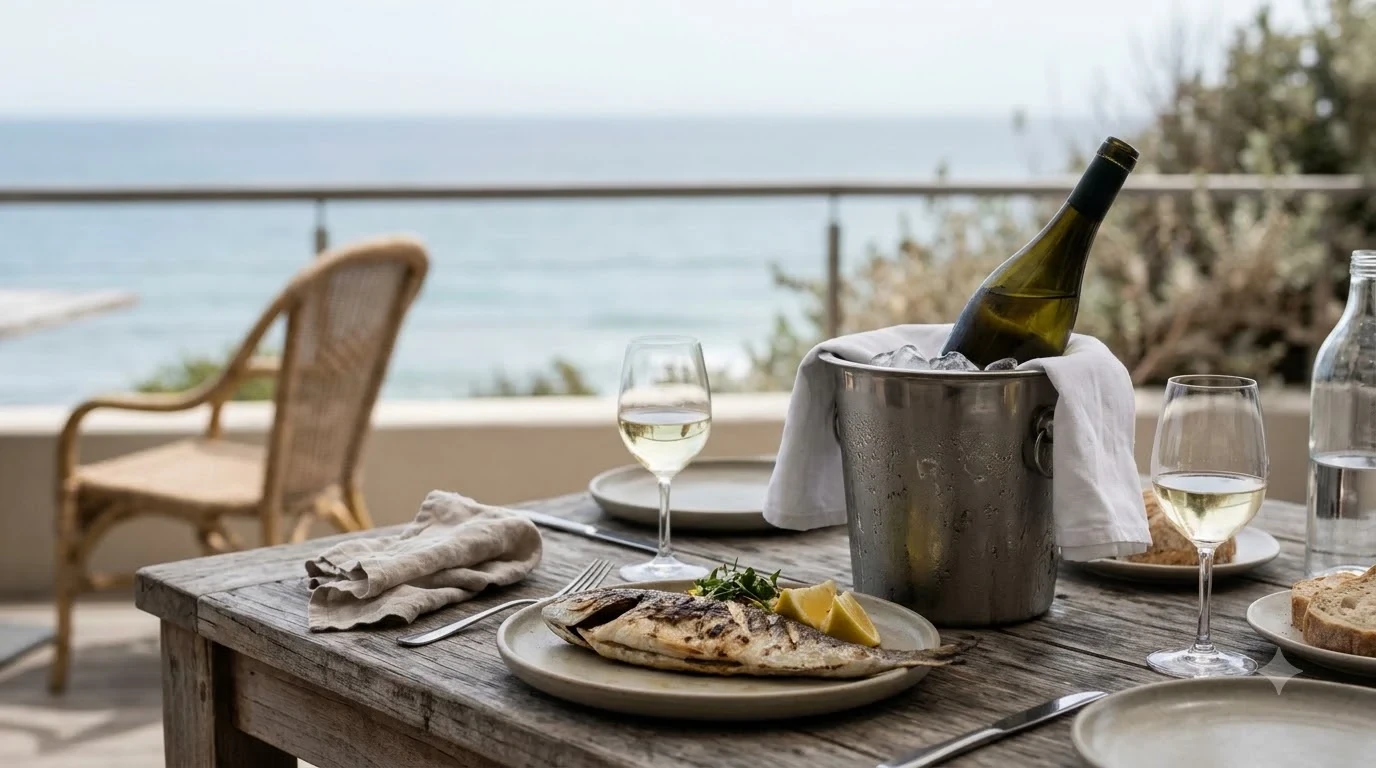
Seafood is a classic match. Grilled fish, shrimp, oysters and steamed shellfish all suit the wine’s brightness. Goat cheese, a green salad with vinaigrette, and dishes with fresh herbs such as basil, dill or parsley also pair naturally.
Regional wines match regional foods. A Loire-style sauvignon blanc often goes well with Mediterranean dishes, while a fruit-forward New Zealand bottle can handle spicy Thai or Vietnamese food. Tangy sauces, lemon-based dressings and fresh tomato dishes are also good choices. For a broader list of pairings, browse the Wine by Type section.
How to Choose and Serve a Sauvignon Blanc
Choosing a bottle starts with the flavor you want. If you prefer crisp and savory, look for a cool-region label. If you prefer fruit and aroma, look for a warmer-region label or a New Zealand bottle. Reading the back label for words such as herbaceous, tropical or citrus gives you a useful clue.
- Decide whether you want a green, crisp style or a riper, fruit-forward one.
- Check the region on the label, since climate often predicts the flavor.
- Read tasting notes on the back label or the producer’s website for flavor words.
- Serve the wine chilled rather than ice cold, so the aromas can show.
- Pour into a standard white wine glass to concentrate the aroma.
Serving temperature matters. A wine that is too cold can hide its aroma and make it taste sharper than it is. Let the bottle sit in the refrigerator for a while before opening, and check the producer’s guidance if it is printed on the label. Once open, sauvignon blanc is best enjoyed within a few days, since its fresh aromas fade over time.
Tip: If you are unsure which style to buy, pick two bottles from different regions and taste them side by side. The contrast will show you quickly whether you prefer the green or the tropical end of the spectrum.
Frequently Asked Questions
What does sauvignon blanc taste like for beginners?
Sauvignon blanc is usually dry, crisp and aromatic. Beginners often notice citrus and grassy notes first, with tropical fruit in warmer-climate bottles. Starting with a New Zealand or Loire-style bottle can help you learn which flavors you enjoy.
Is sauvignon blanc sweet or dry?
Most sauvignon blancs are dry, which means they contain little residual sugar. The fruit flavors can taste fuller than the wine really is, so the wine can seem softer than it is dry. Check the label or producer notes if you want a specific sweetness level.
Why does one sauvignon blanc taste grassy and another tropical?
Climate and ripeness drive the difference. Cooler sites and earlier harvests tend to bring out grassy, herbal notes. Warmer sites and riper grapes tend to bring out tropical and stone fruit flavors. Winemaking choices can also shift the balance.
Is sauvignon blanc a good wine for summer?
Many people like sauvignon blanc in warm weather because it is crisp and refreshing. Its acidity makes it pleasant with light meals and outdoor food. As with any wine, enjoy it in moderation and drink responsibly.
Sauvignon blanc is easy to recognize once you know its grassy, citrus and tropical signals. Start with one cool-region bottle and one warm-region bottle to see the range for yourself. For more guidance on white wine styles, visit the Wine by Type hub and keep exploring.
More in Wine Types & Grapes
 Zinfandel Sugar Content: Dry Red vs. White Zinfandel GramsUpdated Nov 21, 2026
 Best Zinfandel Substitute Options for Sipping and CookingUpdated Nov 21, 2026
 Zweigelt Food Pairing: Best Dishes, Cheeses, and Serving TipsUpdated Nov 21, 2026
 Zinfandel Tannins Explained: How Structure Shapes Every BottleUpdated Nov 21, 2026
 Zinfandel Sweetness Level: Dry Red vs. Sweet White Zin ExplainedUpdated Nov 21, 2026
 Xinomavro Food Pairing: Best Dishes, Styles, and Serving TipsUpdated Nov 21, 2026