

We may earn a commission when you buy through links on this page, at no extra cost to you. Learn more.
Pouilly fume wine is a dry white made from Sauvignon Blanc in the Pouilly-sur-Loire area of France’s Centre-Loire region. It is usually crisp and citrus-driven, with a mineral edge and a faint smoky note that comes from the flinty soils where the vines grow. It is often softer and a little richer than Sancerre, its neighbor across the river.
This guide explains what makes pouilly fume wine distinct, how the flavors form, how to serve it, and what to eat with it. It also covers how to read a label so you can pick a bottle that fits your taste.
What Pouilly Fumé Is
Pouilly Fumé is an appellation for white wine made mainly from Sauvignon Blanc on the east bank of the Loire River. The name is often translated as “smoky Pouilly,” and the word “fumé” refers to the smoky, gunflint character many people notice in the glass. The appellation sits in the Centre-Loire, not far from Sancerre, and the two wines are frequently compared.
The wine is dry in most cases. Producers typically use stainless steel tanks to keep the fruit fresh and the acidity bright, though some estates age part of the blend in oak. Because the grape is the same as in many other white wines around the world, the place and the winemaking choices shape the final style more than the variety alone.
Flavor and Styles
Most pouilly fume wines show a clear profile of citrus, green herbs and a stony minerality. Because the wine is usually fermented and stored in neutral vessels, the fruit stays front and center, and the flint character comes through as a background tension rather than a heavy flavor.
Tasting a few examples side by side is the easiest way to learn the style. Start with a young bottle and note the citrus, then try an older one and notice how the herbal notes soften into something rounder.
Reviewers often describe the aroma as gunflint and yellow flowers, with a lively, mouth-watering finish. Warmer vintages can bring riper stone fruit and a fuller body, while cooler years tend to produce sharper, leaner wines.
The table below summarizes the main aromas and textures you can expect from a typical bottle.
| Element | What you typically find | Why it shows up |
|---|---|---|
| Citrus | Lime, grapefruit, lemon zest | Sauvignon Blanc’s natural acidity and aroma compounds |
| Green notes | Grass, herbs, gooseberry | Cool-climate ripening in the Loire |
| Mineral and smoke | Flint, gunflint, wet stone | Flint-rich soils and the appellation’s terroir |
| Stone fruit | Peach or apricot in warm years | A riper harvest in a hot vintage |
Where It Grows
The vineyards lie on limestone and flint-rich slopes above the Loire, which is where the appellation gets much of its character. The soils drain well and reflect warmth, helping the grapes ripen steadily even in a cool northern climate.
Pouilly Fumé shares its grape and much of its style with Sancerre, but the two appellations sit on slightly different soils and produce wines that many tasters find a little different in texture. Readers who want a broader overview of how Loire sites differ can compare the regions in the Wine Regions guide.
Climate matters as much as soil. The Loire is cooler than most Sauvignon Blanc growing areas in the New World, which is why the wines keep their acidity and herbal edge. For a sense of how a warmer, sunnier site changes the same grape, the Calistoga vineyards in California’s Napa Valley produce a much riper, fuller style of Sauvignon Blanc. Comparing the two side by side is one of the quickest ways to understand how place shapes a white wine.
For a grape-focused reference, the Wine Folly Sauvignon Blanc guide describes how the variety tastes in cool and warm climates, including the mineral and citrus notes that define Loire examples.
How to Serve Pouilly Fumé
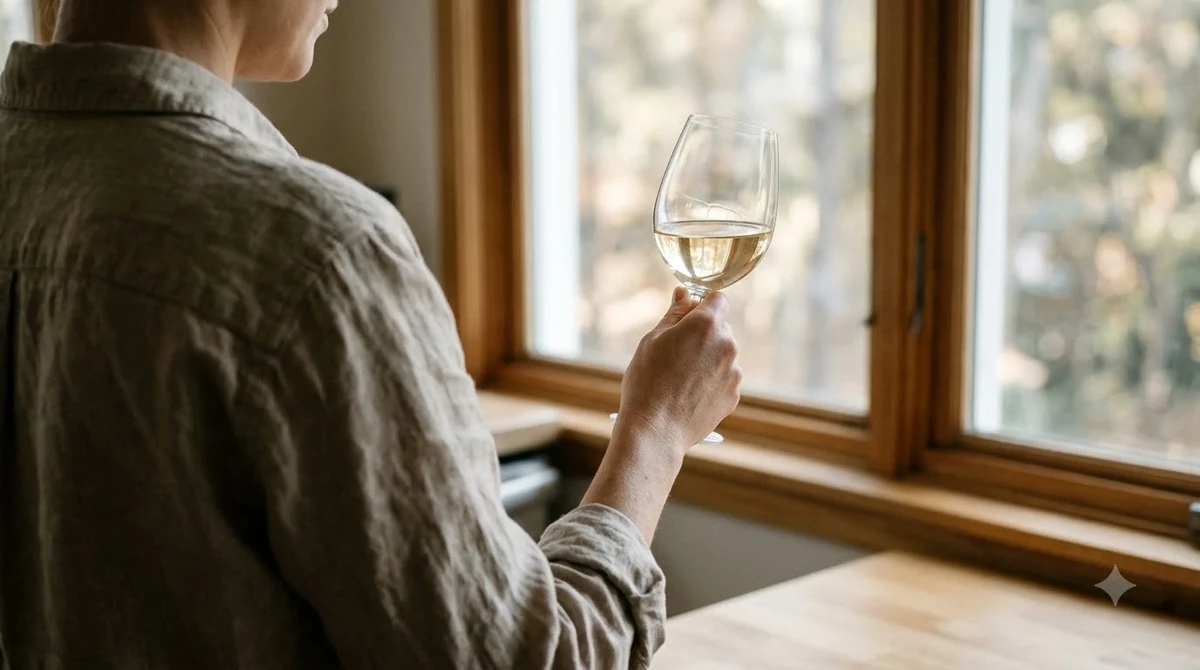
Serve pouilly fume wine chilled but not ice cold. A range of about 45 to 55 degrees Fahrenheit (7 to 12 degrees Celsius) keeps the citrus lively and lets the minerality come through. If the bottle is too cold, the aromas can close up and the wine can taste sharper than intended.
A standard white wine glass with a moderate bowl works well. The bowl gives the aromas room to open, and the narrower rim directs the wine toward the palate. Most bottles do not need decanting, though a brief pour into a glass well before drinking can help the smoky notes emerge.
Tip: Keep the bottle in the fridge for about two hours before serving if it has been stored at room temperature. Pull it out 10 to 15 minutes before pouring if it has been in the fridge for days.
Food Pairing Ideas
The bright acidity and herbal notes make pouilly fume a natural partner for lighter dishes. It works well with seafood, especially oysters, grilled white fish and shellfish with lemon. Herb-driven sauces over chicken or tofu also suit the wine, since the herbs echo the green character in the glass.
Goat cheese is one of the most reliable matches. A fresh chèvre or a young, crumbly goat cheese picks up the citrus and mineral notes. Salads with vinaigrette and asparagus can also work, provided the dressing is not too heavy.
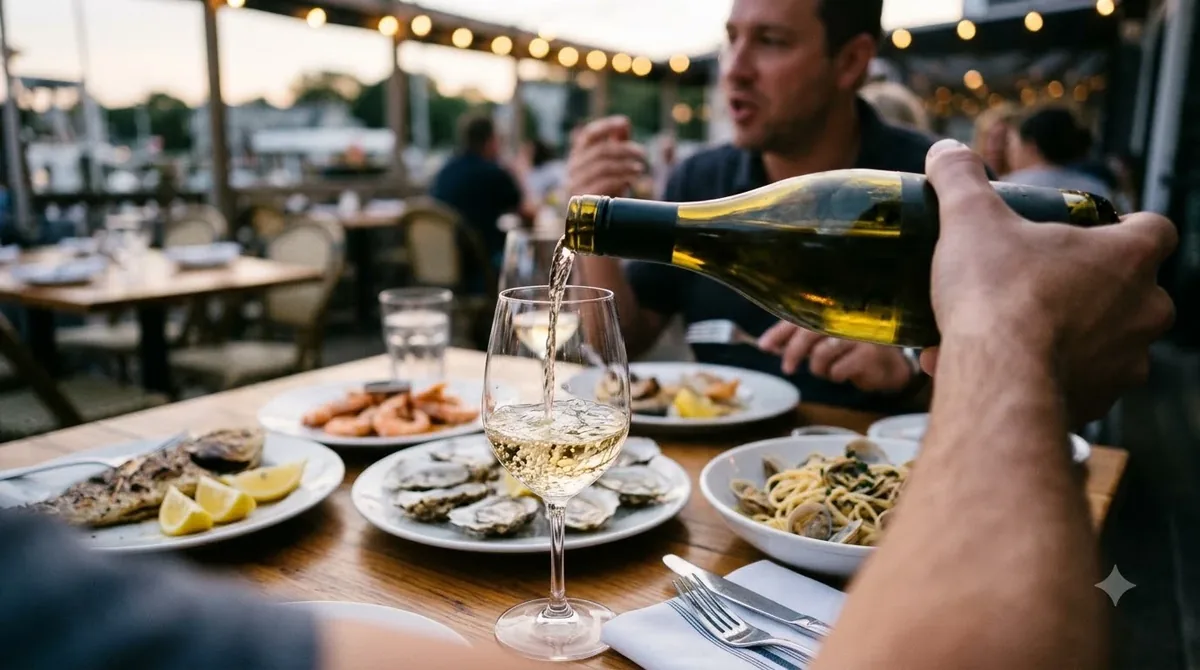
| Dish type | Why it works |
|---|---|
| Raw or grilled oysters | Acidity and salinity match the wine’s mineral edge |
| Herb-roasted chicken | Green herb flavors echo the wine’s aromatics |
| Fresh goat cheese | Tangy cheese pairs with citrus and flint notes |
| Lemon-dressed salad | Crisp acidity matches the dressing’s brightness |
How to Choose a Bottle
Start by reading the label for the appellation name. Pouilly Fumé is a specific place in the Loire, and bottles labeled only “Sauvignon Blanc” from elsewhere will taste different. Check the vintage too, since cooler years tend to give leaner, more citrus-driven wines, while warmer years add stone fruit and body.
Price is not a reliable sign of quality within this appellation, so focus on the producer’s reputation and the vintage rather than the cost. Bottles from well-known estates are usually consistent, while small producers can offer more individual character.
If you want a lighter, more citrus-forward style, look for a wine that describes itself as fresh or crisp and is aged mostly in steel. If you prefer more texture, a bottle with a short period of oak aging may suit you better. Producers’ own tasting notes are a useful guide, and the Wine Folly grape guide explains how the variety changes from one climate to another.
Frequently Asked Questions
Is pouilly fume wine the same as Sancerre?
No, although both are made from Sauvignon Blanc on the Loire’s Centre-Loire sites. The two appellations are neighbors and share a grape, but their soils and producers give the wines different textures. Many tasters find Pouilly Fumé a little softer and richer.
What does “fumé” mean on the label?
The word refers to the smoky or gunflint aroma that many people detect in these wines. It is a descriptive name tied to the appellation rather than a sign of oak aging.
Should pouilly fume wine be decanted?
Most bottles do not need decanting. A short rest in the glass is enough to let the aromas open. Decanting is more common with older, more complex white wines.
How long can you keep a bottle?
Many everyday bottles are meant to be drunk within a few years of the vintage, while better examples from good years can age longer. Check the producer’s guidance on the label or website, and store the bottle cool and away from light.
Pouilly fume wine rewards anyone who enjoys crisp whites with a clear sense of place. Try a bottle with grilled fish or a goat cheese plate, and compare it with other Loire whites to see which style you prefer. Enjoy it responsibly.
More in Wine Regions
 Willcox Wine Trail: Discover Arizona’s High-Elevation Wine CountryUpdated Nov 20, 2026
 Yakima Valley Wine Region: Find the Best Styles to TryUpdated Nov 20, 2026
 Vosne Romanee Wine Tasting: Identify Aromas and Choose Better PairingsUpdated Nov 20, 2026
 Yakima Valley Wine Festival: Find the Best Seasonal Wine EventsUpdated Nov 20, 2026
 Wales Vineyards: Discover Cool-Climate Wines and Where to VisitUpdated Nov 20, 2026
 Yountville Wine Festival: Discover Napa Wines and Local FoodUpdated Nov 20, 2026