

We may earn a commission when you buy through links on this page, at no extra cost to you. Learn more.
Pinot noir vs pinotage comes down to freshness and finesse versus darker fruit, fuller body, and a distinctly South African character. Pinot Noir is usually lighter in color and body, with bright acidity and gentle tannins; Pinotage generally delivers riper plum and blackberry flavors, a firmer frame, and possible smoky or coffee-like notes. Choose Pinot Noir for dishes such as roast chicken, salmon, and mushrooms, and choose Pinotage for grilled meats, ribs, and hearty stews.
Despite the similar names, these grapes are not two spellings of the same variety. Pinot Noir is one of the parents of Pinotage, but the South African crossing also includes Cinsaut, a grape that contributes to Pinotage’s distinctive profile. Understanding their family connection, growing conditions, flavor, and food matches makes it easier to select a bottle that suits the meal and the style of red wine you enjoy.
Origins and the Difference in Parentage
Pinot Noir is an old French grape closely associated with Burgundy, while Pinotage was created in South Africa in 1925 by crossing Pinot Noir with Cinsaut. Their shared name points to a real genetic connection, but Pinotage is its own variety rather than a regional name or a style of Pinot Noir.
Pinot Noir’s history is rooted in Burgundy, where it became the defining red grape. Wine Enthusiast describes the region as its spiritual home and notes that Cistercian monks cultivated it centuries ago. The grape later spread through Europe and the New World, although its thin skin and sensitivity to moisture, sun damage, and pests make vineyard management demanding.
Pinotage’s story begins with Professor Abraham Izak Perold at Stellenbosch University. Wines of South Africa records that he crossed Pinot Noir and Cinsaut in 1925; Cinsaut was then commonly called Hermitage in the Cape. Four seedlings were rescued after Perold left for the KWV cooperative, and one became the source of later plantings. The name combines “Pinot” and “Hermitage,” not the Northern Rhône appellation of Hermitage, where Syrah is the principal red grape.
The first Pinotage wine was made in 1941, and the grape reached commercial bottling under the Lanzerac label in 1961, according to Decanter. That history links Pinotage closely to South African identity, while Pinot Noir remains an international variety rooted in Burgundy.
Growing Regions and Vineyard Conditions
Pinot Noir generally performs best in cool to moderate climates, while Pinotage has its strongest identity in South Africa’s Cape wine regions. Both respond to site and vintage, but Pinot Noir is particularly sensitive to heat and weather pressure, whereas Pinotage’s Cinsaut parentage helped create a grape suited to the Cape’s conditions.
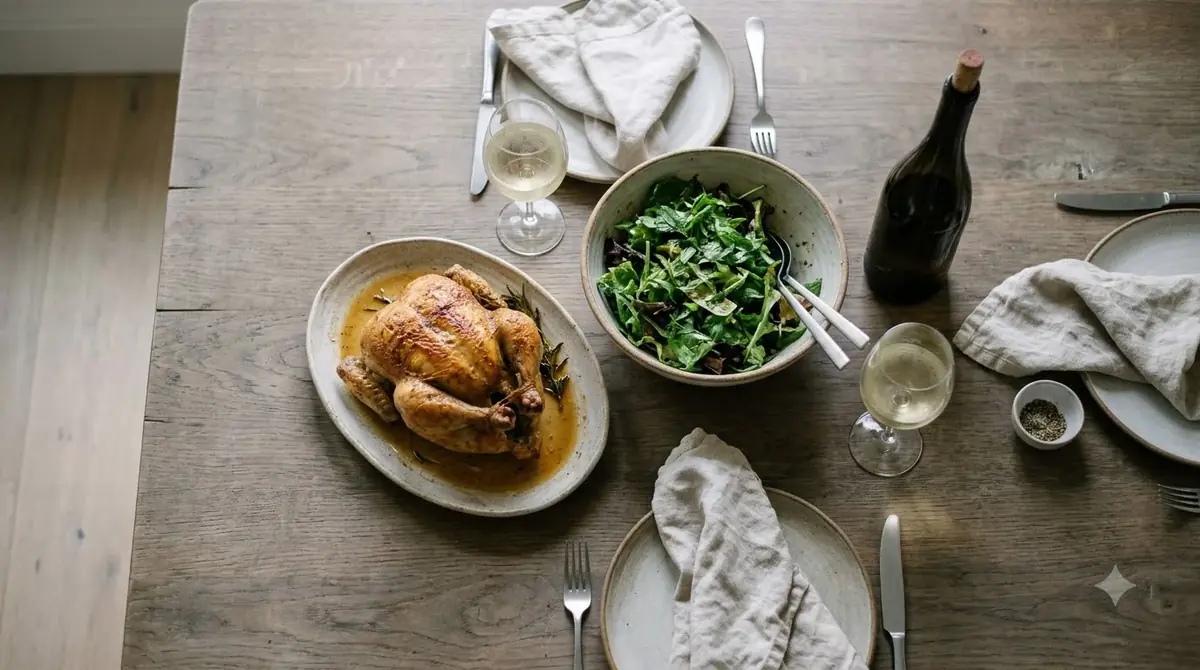
Burgundy remains the benchmark for Pinot Noir, with notable expressions also coming from Oregon’s Willamette Valley, California’s Russian River Valley, New Zealand, Germany, Australia, and Chile. Cooler sites can emphasize cranberry, red cherry, earth, and brisk acidity; warmer areas may bring riper cherry, raspberry, cola spice, and fuller texture. Growers manage canopy shade, airflow, crop levels, and harvest timing to limit mildew, rot, and sun damage. A cool site can preserve acidity, but excessive cold may leave fruit under-ripe.
Pinotage is centered on South Africa’s Western Cape, especially Stellenbosch, Swartland, Paarl, and Wellington. Decanter reports more than 6,000 hectares in the Cape, with smaller plantings in New Zealand, California, Brazil, Israel, and Zimbabwe. Cape warmth helps the grape ripen and develop dark fruit, while cooler sites and careful picking can preserve freshness; Wines of South Africa notes that cooler-area planting has helped improve balance. For shoppers, region is a clue rather than a guarantee: a Burgundy or Oregon Pinot Noir may be more tart and savory than one from a warmer California site, just as a cooler Cape Pinotage may show more lift than a ripe Stellenbosch example.
Flavor, Aroma, Body, and Tannin
Pinot Noir typically emphasizes red fruit, lively acidity, and silky, low-to-medium tannins; Pinotage more often leans toward darker fruit, a fuller body, and smoky or savory accents. These are typical patterns, not strict rules, because climate, vineyard choices, extraction, and oak treatment can shift the character of either wine.
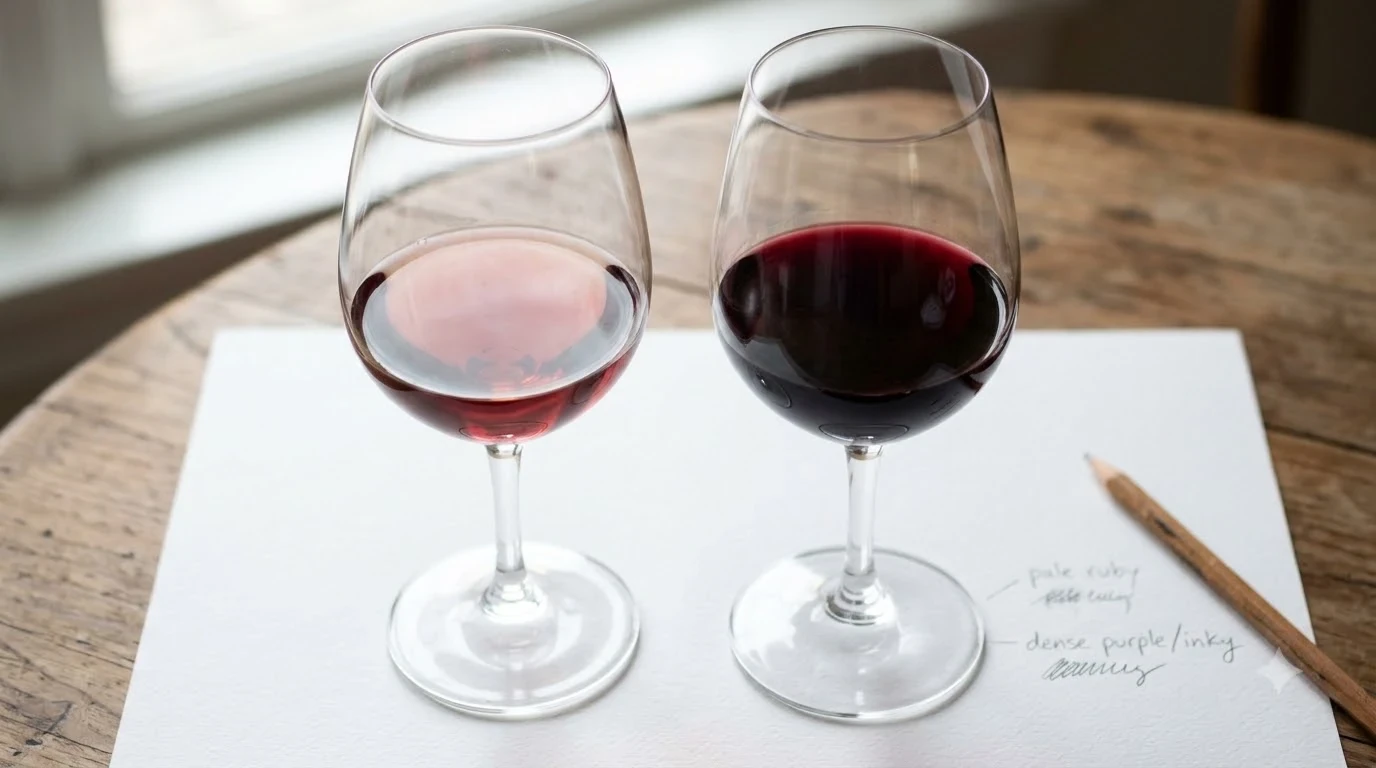
Pinot Noir may show strawberry, raspberry, red cherry, cranberry, and sometimes pomegranate. Cooler examples can add rose, mushroom, forest floor, tea, or damp earth; warmer versions may show darker cherry, cola spice, cedar, and a plusher feel. Its color is often pale to medium ruby, with high acidity and fine, gentle tannins. Wine Enthusiast’s essential Pinot Noir guide describes the grape as dry and generally light- to medium-bodied, with bright acidity and silky tannins.
Pinotage is usually darker, with plum, blackberry, mulberry, or dark cherry alongside possible smoke, sweet tobacco, licorice, rooibos, or charred spice. Oak-aged bottles may add mocha, coffee, vanilla, or dark chocolate, and the palate is often medium- to full-bodied. The finish can echo dark berries, spice, smoke, or roasted coffee. Neither profile is a quality ranking: site and winemaking can make a Pinot Noir broad or a Pinotage surprisingly restrained. For more regional examples, see Decanter’s Pinotage overview.
| Comparison point | Pinot Noir | Pinotage |
|---|---|---|
| Typical body | Light to medium | Medium to full |
| Fruit direction | Strawberry, raspberry, cranberry, red cherry | Plum, blackberry, mulberry, dark cherry |
| Common savory notes | Mushroom, forest floor, tea, earth | Smoke, tobacco, licorice, rooibos |
| Tannin and acidity | Low-to-medium tannin; high acidity | Often firmer tannin; freshness varies by site and style |
| Alcohol examples | Typically 12–15%; cool-region examples often 12–13.5%, according to Wine Enthusiast | Decanter-listed wines range from 13.5% to 14.6% ABV; these are examples, not a universal range |
These alcohol figures need context: Wine Enthusiast gives Pinot Noir a typical 12–15% ABV range, while Decanter’s selected Pinotage examples fall between 13.5% and 14.6%. The Pinotage figures describe individual wines, not a fixed varietal range. Use alcohol as one clue to body and warmth, not as a substitute for tasting notes.
Winemaking Choices and Bottle Styles
Winemaking can make Pinot Noir more delicate or more concentrated, and it can make Pinotage range from juicy and approachable to dark, oak-shaped, and powerful. Gentle extraction and measured oak often preserve freshness, while longer skin contact and more assertive barrel influence can add color, tannin, spice, and texture.
Pinot Noir fermentation and extraction are usually handled with care because the grape’s skins are thin and its tannin level is modest. Some producers ferment whole clusters for herbal or spicy notes; others destem for a cleaner fruit profile. Oak can add vanilla, toast, and texture, but heavy new oak may overwhelm the grape’s aromatic detail. Neutral or older barrels frame the fruit without dominating it.
Pinotage has had to overcome a reputation for harsh, overly extracted examples. Decanter traces a move toward gentler extraction, careful oak ageing, and greater attention to old bush-vine fruit. Some producers make fresh, fruit-forward wines with little obvious oak; others favor dark fruit, smoke, and coffee-like barrel notes. A coffee Pinotage is a recognizable style, but mocha flavors are not present in every bottle.
Both grapes appear in blends as well as single-variety wines. Pinot Noir is used in Champagne alongside Chardonnay and Pinot Meunier, while Pinotage can be part of Cape blends with varieties such as Cabernet Sauvignon and Merlot. For a lighter dinner wine, look for fresh, cool-climate, or lightly oaked Pinot Noir; for a less forceful Pinotage, seek terms such as restrained, old-vine, or gently extracted. A label that mentions pronounced oak or coffee points toward a richer style.
Food Pairings for Each Red
Pinot Noir is a flexible choice for poultry, pork, salmon, mushrooms, and dishes with herbs, while Pinotage is especially comfortable beside grilled meats, ribs, venison, sausages, and hearty stews. Match the weight of the dish to the weight of the wine, and use acidity, fat, salt, and spice to fine-tune the pairing.
Pinot Noir’s high acidity and relatively soft tannins make it a natural partner for roast chicken, duck, pork tenderloin, and mushroom dishes. The wine’s red-fruit character works with cranberry sauces and berry glazes, while earthy notes can echo mushrooms, lentils, thyme, and rosemary. It can also work with salmon, trout, and tuna, especially when the fish is roasted, grilled, or served with a soy or miso glaze. Because Pinot Noir usually has less tannin than Cabernet Sauvignon or Syrah, it is a better red-wine option for many fish dishes than a highly tannic red.
Pinotage is a stronger match for smoky, browned, or richly seasoned food. South African braai, grilled lamb, beef ribs, boerewors, venison, and slow-cooked beef stew suit its dark fruit and firm structure. Grilled mushrooms and charred eggplant can also work, while mature hard cheeses are useful because salt and fat soften the perception of tannin.
Balance sweetness, heat, and acidity. A sweet barbecue glaze can make dry red wine taste more bitter, and the wine should be at least as sweet as any sweet accompaniment. Chili heat can feel stronger alongside alcohol and tannin, so a spicy curry may make a high-alcohol Pinotage seem aggressive. Acidic tomato dishes and vinaigrettes need a wine with equal or higher acidity; Pinot Noir’s bright acidity can handle tomato sauce or lemon when the preparation is not too sharp, while Pinotage is generally better with richer sauces and savory reductions. Readers comparing other lighter red styles may find Grenache vs Pinot Noir helpful, while Nebbiolo vs Pinot Noir shows how tannin can alter a food match.
Tip: Build the pairing around the sauce, not just the main ingredient. Roast chicken with mushroom gravy can flatter Pinot Noir, while chicken brushed with smoky, sweet barbecue sauce may work better with a fruit-forward Pinotage.
How to Choose, Serve, and Store a Bottle
Choose Pinot Noir for a fresher, more aromatic red with softer tannins, and choose Pinotage for darker fruit, a fuller feel, and a South African point of view. Serve each at a temperature that preserves its shape, then store leftovers cold and protect unopened bottles from heat and light.
For a first Pinot Noir, look for a cool or moderate-climate region such as Burgundy, Oregon, or New Zealand if you prefer red cherry, cranberry, and fresh acidity. California and Australia can offer riper fruit and a plusher texture, though cooler subregions can still make restrained wines. If you are new to Pinotage, a Stellenbosch or Swartland bottle gives you a direct introduction to the grape’s Cape identity. A less heavily oaked example is a useful starting point if you want to understand the dark-fruit character before exploring mocha- or smoke-driven styles.
Serve lighter Pinot Noir at about 55–60°F, which keeps the aromas lively without making the wine feel overly warm. Fuller Pinotage is usually more comfortable around 60–65°F, where its fruit and texture can open without emphasizing alcohol. A short chill in the refrigerator can help a warm-room bottle reach the right range; avoid serving either red at typical room temperature if the room is close to 72°F or warmer. Decant a young, full-bodied Pinotage for 30–60 minutes when it is especially concentrated or tightly wound. Most lighter Pinot Noir does not need a long decant, although an older bottle may benefit from careful handling if it has sediment.
Use a standard 5-ounce pour and remember that a 750-milliliter bottle provides about five glasses. After opening, replace the cork or closure and refrigerate either still red; most still wines are best used within 3–5 days, with the exact window depending on age, exposure to air, and storage. Keep unopened bottles on their side if they use a natural cork, in a dark place near 55°F with stable conditions. Avoid a kitchen counter, sunny shelf, or garage that experiences large temperature swings. When choosing between the two, start with the meal and the level of structure you enjoy: Pinot Noir is the safer choice for delicate flavors and lighter proteins, while Pinotage suits smoky cooking and rich sauces. Our Wine vs Wine resource explains this comparison method more broadly.
Frequently Asked Questions
These quick answers cover common points that can be confusing when comparing the two grapes, including the meaning of the name and how the wines relate to other familiar reds.
Was Pinotage made by blending finished Pinot Noir and Cinsaut wines?
No. It was created as a grape crossing, with a seedling selected for propagation rather than by mixing two finished wines in a cellar. The rescued material was grafted onto rootstock in 1935, an important step in developing viable vines for planting.
Why does the name Pinotage include Hermitage?
“Age” comes from Hermitage, the Cape name used for Cinsaut. The naming history is tied to a 1935 agreement between South Africa and France under which South Africa agreed to stop using French geographical names such as Hermitage; the grape name retained that older local term.
When is International Pinotage Day?
It is celebrated on the second Saturday of October, during South Africa’s spring braai season. The first celebration took place on October 11, 2014, giving the grape an annual occasion for producers and drinkers to recognize its South African roots.
Can Pinotage age in the bottle?
Some can. Decanter notes that everyday examples are generally best within two to five years of the vintage, while top wines from old bush vines can age for a decade or longer. Ageability depends on concentration, acidity, tannin, and the producer’s style, so not every bottle is intended for extended cellaring.
What does blanc de noirs mean on a sparkling wine label?
It means a white sparkling wine made from black-skinned grapes, such as Pinot Noir or Pinot Meunier in Champagne. The juice is pressed off the skins so the wine remains pale, even though a red grape is used in its production.
Pinot Noir and Pinotage share a parent, but they offer distinct experiences at the table: one usually favors bright acidity and delicate red fruit, while the other leans toward darker fruit, smoke, and a fuller frame. Start with the food and the body you prefer, then use region and producer style to choose the bottle that fits the occasion.
More in Wine vs Wine
 Nero d’Avola vs Pinot Noir: Taste, Body, and Pairing DifferencesUpdated Nov 21, 2026
 Chenin Blanc vs Pinot Blanc: Key Differences in Taste, Acidity, and PairingsUpdated Nov 21, 2026
 Chardonnay vs Shiraz: Key Differences in Taste, Serving, and PairingUpdated Nov 21, 2026
 Chardonnay vs Verdejo: How Spain’s Crisp White Compares to the World’s ChameleonUpdated Nov 21, 2026
 Chardonnay vs Sancerre: Key Differences in Taste, Grapes, and PairingUpdated Nov 21, 2026
 Chardonnay vs Malbec: Key Differences in Taste, Body, and PairingUpdated Nov 21, 2026