

We may earn a commission when you buy through links on this page, at no extra cost to you. Learn more.
Where is Syrah from? Syrah originated in southeastern France, specifically the Northern Rhône Valley, where it became one of the country’s most celebrated red wine grapes. DNA research established that the variety descends from two other French grapes, Mondeuse Blanche and Dureza. Although France remains its historic home, Syrah now grows in Australia, the United States, South Africa, Argentina, Chile, and other wine-producing countries, where it is often called Shiraz.
Syrah has a fascinating history because its name inspired several origin stories involving ancient Persia, Syria, and Sicily. Modern genetic research has settled the question, pointing to southeastern France rather than any of those distant locations. Understanding its French roots also helps explain why a bottle of Northern Rhône Syrah can taste quite different from an Australian Shiraz, even though both wines come from exactly the same grape.
Syrah Originated in the Northern Rhône Valley of France
Syrah originated in southeastern France, with its historical home in the Northern Rhône Valley. The grape is particularly associated with the vineyards along the Rhône River, where steep hillsides, varied soils, and a relatively moderate climate provide suitable growing conditions.
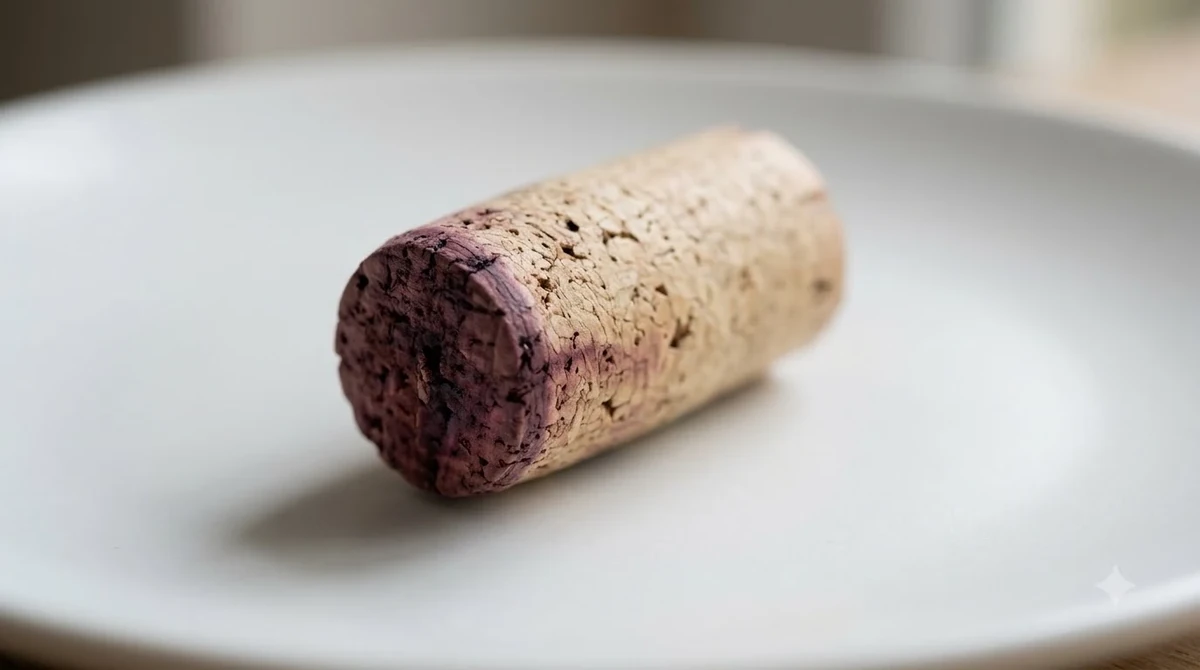
The Northern Rhône contains several famous appellations built around Syrah, including Côte-Rôtie, Hermitage, Cornas, Saint-Joseph, and Crozes-Hermitage. These wine-growing areas helped establish the grape’s reputation for producing deeply colored, structured reds with distinctive pepper, dark fruit, and floral aromas. According to Inter Rhône, the regional wine organization, Syrah is one of the most emblematic red grape varieties of the northern Rhône.
The distinction between Northern and Southern Rhône wines is important. In the northern part of the valley, Syrah is the defining red grape and is frequently bottled on its own. In the south, producers generally work with a wider selection of varieties, and Syrah more often contributes to blends alongside Grenache and Mourvèdre.
The region’s geography also helps explain its reputation. Vineyards around Côte-Rôtie and Hermitage include steep slopes that require considerable vineyard work. The Rhône River influences local growing conditions, while differences in elevation, exposure, and soil create variations between individual vineyards.
For American wine drinkers, the simplest starting point is to associate Syrah with France’s Northern Rhône. If a wine label names Hermitage, Cornas, or Côte-Rôtie, it points toward a traditional French expression of the grape.
French DNA Research Solved the Mystery of Syrah’s Ancestry
Syrah’s French ancestry was established through DNA profiling in 1998. Researchers identified two parent varieties, Mondeuse Blanche and Dureza, connecting the grape to two areas of southeastern France rather than to the ancient civilizations suggested by popular legends.
Mondeuse Blanche is a white grape associated with Savoie, a mountainous region in eastern France. Dureza is a dark-skinned grape historically associated with the Ardèche. Both varieties are relatively obscure today, but their genetic contribution created one of the world’s most recognizable red wine grapes.
This discovery was significant because Syrah had accumulated several competing origin stories. Some accounts connected its name to the Persian city of Shiraz in modern-day Iran. Others suggested that Roman soldiers introduced it from Syracuse in Sicily or that it came from Syria. These stories were appealing because of the similarities between the place names and the grape’s name, but genetic evidence did not support them.
Research also suggests that Pinot Noir is a great-grandparent of Syrah. This genetic connection is particularly interesting because Pinot Noir and Syrah can produce very different wines despite sharing part of their ancestry.
The distinction between Syrah and Petite Sirah is another important point. Petite Sirah, spelled with an additional letter, is a separate grape variety known as Durif. It originated from a crossing involving Syrah and Peloursin. It is not simply a smaller-berried version of ordinary Syrah.
The Rhône Valley’s grape history also includes other varieties that developed through related genetic lineages. Understanding these relationships helps explain why French wine regions have such a wide range of grape varieties, even when several share distant ancestors.
For a broader look at French red wine origins, the history of where Merlot is from provides another useful example of how grape varieties became associated with particular regions and wine traditions.
Five Northern Rhône Appellations Define Traditional Syrah
The Northern Rhône is home to five particularly important Syrah appellations: Côte-Rôtie, Hermitage, Cornas, Saint-Joseph, and Crozes-Hermitage. Each offers a different expression of the grape, influenced by vineyard location, local conditions, and winemaking decisions.
These appellations are useful reference points when exploring French Syrah because they identify specific geographical origins rather than simply describing a grape variety. Their wines can differ considerably in structure, aromatic intensity, and aging potential.
1. Côte-Rôtie
Côte-Rôtie sits in the northern Rhône near the town of Ampuis. Its name translates roughly as roasted slope, a reference to the steep, sun-exposed vineyard sites. The appellation is especially associated with aromatic, refined Syrah, often showing black fruit, pepper, violets, and savory complexity.
Producers in Côte-Rôtie may include a small proportion of Viognier in their red wines. This white grape can contribute floral aromas and additional aromatic complexity. Its presence is one reason some Côte-Rôtie wines have a particularly expressive perfume.
2. Hermitage
Hermitage is one of the most prestigious Syrah appellations in France. Its vineyards occupy a prominent hillside above the town of Tain-l’Hermitage, overlooking the Rhône River. The wines are known for concentration, structure, dark fruit, and the potential to develop additional complexity with age.
Hermitage Syrah can be powerful in its youth, with noticeable tannins and savory notes. With bottle aging, some examples develop aromas associated with leather, tobacco, earth, and dried spices.
3. Cornas
Cornas lies farther south in the Northern Rhône and is especially associated with red wines made entirely from Syrah. Its wines are typically dark, concentrated, and structured, with black fruit, pepper, and earthy characteristics.
Cornas is an excellent appellation to explore for drinkers who enjoy a substantial red wine with firm tannins and a pronounced savory character.
4. Saint-Joseph
Saint-Joseph extends along the western bank of the Rhône and includes a long stretch of vineyards. Its Syrah wines vary according to vineyard position and producer, ranging from approachable, fruit-driven examples to more concentrated bottles with significant aging potential.
The appellation is a useful introduction to Northern Rhône Syrah because it offers several expressions of the grape without relying on the reputation of the region’s most famous vineyard names.
5. Crozes-Hermitage
Crozes-Hermitage surrounds the more prestigious Hermitage hillside and covers a larger geographical area. Its red wines are based on Syrah and can show black cherry, blackberry, pepper, and earthy notes.
Compared with some concentrated Hermitage examples, Crozes-Hermitage often offers a more accessible introduction to the Northern Rhône style. Individual wines still vary according to vineyard location, vintage conditions, and cellar practices.
These five appellations provide a practical starting point for exploring Syrah’s French identity. They also demonstrate why the Northern Rhône remains such an important reference when comparing Syrah from different countries.
The Southern Rhône Gives Syrah a Different Role in Wine Blends
Syrah also grows throughout the Southern Rhône, where it plays a different role from the one it has in the northern appellations. Rather than serving as the defining grape in most red wines, it commonly joins Grenache, Mourvèdre, and other permitted varieties in regional blends.

The Southern Rhône has a warmer Mediterranean climate, with hotter summers and a different growing environment from the northern valley. Grenache is particularly important in many southern red wines, while Syrah contributes dark color, structure, peppery character, and additional depth.
One familiar example is the GSM blend, named after its three principal varieties: Grenache, Syrah, and Mourvèdre. The proportions vary by producer and appellation, but each grape contributes something different. Grenache often provides ripe fruit and body, Syrah adds structure and darker fruit, and Mourvèdre contributes savory character and additional tannin.
Châteauneuf-du-Pape is one of the best-known Southern Rhône appellations. It permits a range of grape varieties, and producers create both red and white wines with different combinations. Syrah is an important contributor to many red examples, although Grenache frequently takes the leading role.
Other southern appellations, including Gigondas, Vacqueyras, and Côtes du Rhône, also demonstrate the importance of blending. Syrah can provide consistency and structure in these wines while allowing Grenache and other varieties to express the warmer regional conditions.
This distinction is useful when shopping for French wine. A bottle labeled Northern Rhône Syrah is more likely to emphasize the grape itself, while a Southern Rhône red may contain several varieties working together.
French wine geography also includes distinctive fortified styles. Readers interested in another important regional tradition can explore where Port is from, which explains the connection between Portugal’s Douro Valley and its famous fortified wine.
Australia Made Shiraz an International Wine Icon
Australia is the country most closely associated with the name Shiraz. The grape arrived there during the nineteenth century and developed into one of the country’s most important wine varieties. Australian producers helped establish a recognizable style that made Shiraz popular with wine drinkers around the world.
Wine Australia identifies Shiraz as the country’s most widely planted wine grape. Its historical vineyard information records major early plantings at several locations, including Langmeil in the Barossa Valley, where some vines date to 1843. Its Australian Shiraz regional and variety overview also describes the grape’s principal growing regions and the range of styles produced across the country.
Barossa Valley
The Barossa Valley in South Australia is among the world’s most recognizable Shiraz regions. Its warm growing conditions encourage ripe fruit development, producing wines that often feature blackberry, plum, black cherry, pepper, and spice.
Barossa Shiraz is frequently medium- to full-bodied, with generous fruit concentration and a substantial palate. Some examples are matured in oak, which can introduce additional notes of vanilla, baking spices, and toasted wood.
McLaren Vale
McLaren Vale, also in South Australia, is another major Shiraz-producing region. Its varied growing conditions allow producers to create wines with different combinations of ripe fruit, savory character, and texture.
Many McLaren Vale examples show blackberry, dark cherry, pepper, and herbal notes. The region’s coastal influence and differences between vineyard locations contribute to variation in the finished wines.
Other Australian Shiraz Regions
Australia’s Shiraz identity extends beyond South Australia. The Clare Valley produces concentrated examples, while Eden Valley is associated with medium- to full-bodied wines that can show blackberry, sage, and pepper. The Hunter Valley in New South Wales offers a different expression, often emphasizing red fruit and savory characteristics.
These differences demonstrate that Australian Shiraz is not a single uniform style. Climate, altitude, soil, grape maturity, fermentation methods, and oak aging all influence the final result.
Australian producers also make Shiraz blends. The classic Grenache-Shiraz-Mourvèdre combination is widely recognized, while Shiraz-Cabernet Sauvignon is another established Australian pairing.
The naming convention is not limited to Australia. South African and other New World producers may also use Shiraz, although many choose Syrah when aiming for a style associated with the Northern Rhône.
Syrah Grows Across the World Beyond France and Australia
Syrah has become an international grape variety, with important plantings in the United States, South Africa, Argentina, Chile, Spain, and New Zealand. Its adaptability allows growers to produce distinctive wines across a range of climates, from relatively cool vineyards to warm Mediterranean environments.
The Rhône Valley’s wine organization reports that Syrah is cultivated across more than 140,000 hectares worldwide. This international distribution reflects the grape’s commercial importance and its ability to express differences in growing conditions.
United States
California is one of the major American regions for Syrah. The grape grows in several parts of the state, including cooler coastal areas and warmer inland vineyards. Cooler locations can produce wines with fresher fruit, savory character, and noticeable pepper, while warmer locations often yield richer expressions.
Washington State is another important American growing area. The Columbia Valley and Walla Walla Valley are particularly relevant for Syrah, with wines that can combine dark fruit, spice, and savory complexity.
South Africa
South Africa produces both Syrah and Shiraz, with the chosen name sometimes indicating the intended style. The Swartland and Stellenbosch are among the country’s notable wine regions for this variety.
South African Syrah can display blackberry, plum, pepper, herbs, and earthy notes. Climate and vineyard location make a substantial difference, so bottles from different areas may have noticeably different structures.
Argentina and Chile
Argentina and Chile have developed their own expressions of Syrah. In Argentina, the variety grows in several wine-producing areas, where warm daytime temperatures and cooler conditions at higher elevations can influence ripeness and freshness.
Chile offers another range of styles, particularly in areas influenced by the Pacific Ocean. Coastal conditions can help preserve freshness, while warmer inland vineyards can produce fuller, more concentrated wines.
Spain and New Zealand
Spain grows Syrah in several regions, sometimes using it in blends with local varieties. The grape can contribute color, body, and spicy dark fruit to wines from warmer parts of the country.
New Zealand also produces Syrah, particularly in Hawke’s Bay. These wines can emphasize fresh dark fruit, pepper, and floral aromas, offering a different interpretation from the richer styles associated with warmer Australian regions.
For a broader understanding of how European wine styles reflect local geography, where Vinho Verde is from provides a useful contrast to the concentrated red wines made from Syrah.
Syrah’s Flavor, Structure, and Regional Styles Explain Its Popularity
Syrah is known for its deep color, dark fruit flavors, peppery aromas, and noticeable tannins. Its style varies considerably between regions, but the combination of fruit, spice, and structure makes it recognizable across many wine-producing countries.
Common aromas and flavors include blackberry, black cherry, plum, raspberry, black pepper, violet, licorice, and smoke. Some wines also develop notes of leather, tobacco, herbs, and earth as they mature.
Typical Syrah Characteristics
The following table summarizes the grape’s general characteristics and the differences commonly associated with its major regional expressions. These are typical patterns rather than fixed rules, because individual vineyards and producers can create very different wines.
| Characteristic | Typical Syrah Expression |
|---|---|
| Wine color | Deep ruby to purple |
| Body | Medium to full |
| Tannin | Medium-plus to high |
| Acidity | Low to moderate |
| Primary fruit | Blackberry, black cherry, plum |
| Common spices | Black pepper, licorice, clove |
| Floral aromas | Violet and other dark floral notes |
| Common savory notes | Smoke, herbs, leather, earth |
| Typical Northern Rhône style | Structured, peppery, savory |
| Typical Australian Shiraz style | Ripe, fruit-forward, fuller-bodied |
Why Climate Changes the Flavor
Climate is one of the biggest influences on Syrah. In relatively cool conditions, grapes generally develop a different balance of fruit, acidity, and aromatic compounds than they do in warmer vineyards.
Northern Rhône Syrah often emphasizes black pepper, violet, savory herbs, and dark fruit without necessarily becoming excessively ripe. The wines can have firm but fine-grained tannins and a structured finish.
Warmer Australian vineyards often produce Shiraz with riper blackberry, plum, and black cherry flavors. These wines can feel fuller-bodied and more generous, sometimes with higher alcohol and a softer impression of acidity.
Syrah and Shiraz: One Grape, Different Expressions
Syrah and Shiraz are genetically identical. The difference is primarily regional naming and winemaking tradition, although the words can suggest a particular style to consumers.
In France, Syrah is the traditional name. In Australia, Shiraz became the established name and is strongly associated with ripe, generous red wines. Some producers in other countries deliberately choose Syrah to communicate a more restrained, Northern Rhône-inspired approach.
However, the label alone does not guarantee a particular flavor profile. An Australian producer can make an elegant, restrained wine labeled Shiraz, just as a French producer can make a concentrated Syrah. Vineyard conditions and cellar decisions matter more than the name by itself.
It is also useful to distinguish Syrah from Cabernet Sauvignon and Merlot. Cabernet Sauvignon generally has high tannin, while Merlot usually has softer, medium tannins. Syrah often sits toward the medium-plus to high tannin range and brings a more pronounced peppery and savory character.
Serving Syrah and Pairing It with Food
Syrah is particularly suitable for dishes with substantial flavor. Grilled beef, lamb, roasted pork, mushrooms, and herb-seasoned vegetables can complement its dark fruit, pepper, and savory character.
Its tannins also interact well with foods containing fat and protein. A grilled ribeye steak, for example, can soften the wine’s firm structure, while lamb with rosemary provides a natural match for the grape’s herbal and savory aromas.
For serving, light-bodied Syrah is generally best around 55 to 60 degrees Fahrenheit, while fuller-bodied examples work well around 60 to 65 degrees Fahrenheit. Serving a full-bodied Australian Shiraz slightly cooler than a warm room can help preserve freshness and prevent the alcohol from dominating the aromas.
Tip: Give a young, full-bodied Syrah approximately 30 to 60 minutes in a decanter before serving. This can help the wine open up and make its fruit, pepper, and savory aromas easier to appreciate. Older bottles may need gentler handling because extended exposure to air can diminish delicate aromas.
Syrah can also work with tomato-based dishes, barbecue, roasted eggplant, and hard cheeses. Avoid pairing heavily tannic examples with very spicy food, since alcohol and tannin can intensify the sensation of chili heat. The wine’s bold structure generally works best when the food has enough flavor and richness to match it.
Frequently Asked Questions
Is Syrah originally from Iran?
No. Despite the similarity between the grape’s name and the Iranian city of Shiraz, genetic research established its French ancestry. Its parent varieties are Mondeuse Blanche and Dureza, both associated with southeastern France. The Persian-origin story is a historical misconception rather than a supported explanation of the grape’s birthplace.
When did Syrah first appear in written records?
One of the earliest known written references to Syrah dates to 1781 and comes from the Rhône Valley. This historical record supports the grape’s long association with the region, although its cultivation almost certainly began before it appeared in surviving documents. Its exact date of origin cannot be established from written records alone.
Can Syrah produce white wine?
Syrah is a dark-skinned red grape, but producers can make rosé by limiting contact between the grape skins and juice. The Rhône Valley also permits certain white grapes to be used alongside Syrah in particular red wine appellations. A traditional white wine made entirely from Syrah is not a typical expression of the variety.
Is Syrah suitable for long-term wine aging?
Some Syrah wines have excellent aging potential, particularly structured examples from Hermitage and Cornas. Their tannins, concentration, and fruit intensity can support development over many years under suitable storage conditions. More approachable everyday Syrah is generally intended for earlier drinking rather than extended cellar aging.
What is the oldest known Australian Shiraz vineyard?
Langmeil’s Freedom vineyard in South Australia’s Barossa Valley is widely recognized for its historic Shiraz vines, with plantings dating to 1843. Wine Australia also identifies early plantings at Turkey Flat in the Barossa Valley from 1847 and Tahbilk in Victoria from 1860. These historic vineyards help demonstrate how deeply established Shiraz has become in Australian wine culture.
Syrah’s birthplace is firmly rooted in southeastern France, but its influence now extends across the international wine industry. From the peppery, structured wines of Hermitage and Côte-Rôtie to the generous Shiraz of Australia’s Barossa Valley, the same grape offers remarkably different expressions. Exploring bottles from several regions is one of the best ways to understand why Syrah remains such an important and versatile red wine variety.
More in Wine Types & Grapes
 Zinfandel Sugar Content: Dry Red vs. White Zinfandel GramsUpdated Nov 21, 2026
 Best Zinfandel Substitute Options for Sipping and CookingUpdated Nov 21, 2026
 Zweigelt Food Pairing: Best Dishes, Cheeses, and Serving TipsUpdated Nov 21, 2026
 Zinfandel Tannins Explained: How Structure Shapes Every BottleUpdated Nov 21, 2026
 Zinfandel Sweetness Level: Dry Red vs. Sweet White Zin ExplainedUpdated Nov 21, 2026
 Xinomavro Food Pairing: Best Dishes, Styles, and Serving TipsUpdated Nov 21, 2026