

We may earn a commission when you buy through links on this page, at no extra cost to you. Learn more.
Pinotage wine is a South African red with black cherry, blackberry, fig, and a smoky, savory edge. The grape is a cross of Pinot Noir and Cinsault, first made in 1925, and it gives full-bodied wines with medium-high tannins and acidity. Styles range from fresh and fruity to rich and oaky, so the glass you get depends a lot on how the wine was made and aged.
This guide explains where pinotage comes from, what it tastes like, how to serve it, and which foods suit it. It is written for anyone who sees the name on a shelf and wants to know what to expect before buying.
Where Pinotage Comes From
Pinotage was created in South Africa. According to the Wine Folly pinotage profile, the scientist Abraham Perold first crossed Pinot Noir and Cinsault in 1925. His goal was to combine the quality of Pinot Noir with the adaptability of Cinsault, which was also known as Hermitage in South Africa. The result was a grape that could handle the country’s warm and varied growing conditions.
Because the grape is tied to one country, it is one of the clearest examples of a South African red style. It also explains why many guides treat pinotage as a signature wine rather than a copy of any European variety. Its name is a blend of the two parent grapes, which is a useful memory aid when you are reading labels.
Over the decades since its creation, South African winemakers have experimented with pinotage in many styles, from simple everyday bottles to carefully aged single-vineyard wines. That range is one reason the grape can feel surprising to people who expect a single, predictable flavor. Each producer brings a different approach to the vineyard and the cellar, so two bottles with the same name can taste quite different.
Flavor Profile and Styles
Pinotage usually shows dark fruit first. Black cherry and blackberry are the most common notes, and many bottles add fig, mint, and a hint of game. The character changes with the climate where the grapes are grown. Cooler sites tend to produce fresher red fruit, while warmer sites give jammier dark fruit and a rounder texture.
Oak aging adds vanilla and spice. Older bottles can develop leather, smoked meat, and chocolate notes, which makes pinotage interesting to age for several years. The wine is typically full-bodied, with medium-high tannins and acidity. Winemakers often describe the grape as adaptable, and it is easy to see why: it can be made as a light, fruity everyday red or as a serious, structured wine for the cellar.
| Style | Typical character | Good with |
|---|---|---|
| Fresh and fruity, often unoaked | Red cherry, bright acidity, softer tannins | Pizza, burgers, and casual meals |
| Warm-climate and jammy | Blackberry, plum, fig, rounder texture | Barbecue and hearty stews |
| Oaked and aged | Vanilla, spice, leather, smoked meat, chocolate | Braised short ribs and roasted duck |
How to Serve Pinotage
Serve pinotage at about 60 to 68 degrees Fahrenheit (15 to 20 degrees Celsius). That range keeps the fruit lively and stops the alcohol from feeling hot. If a bottle has been sitting on a warm counter, a short time in the refrigerator before pouring will help.
Decanting is worth doing for many pinotage bottles. The same source suggests decanting for up to an hour, which gives the wine time to open and softens the tannins. For younger, fruit-forward styles, 20 to 30 minutes is often enough. A universal wine glass with a medium bowl works well, because it lets you smell the fruit and the oak without overwhelming the palate.
Once the bottle is open, keep it corked or sealed and store it in a cool place. Fresher pinotage is best enjoyed within a day or two, while oaked bottles often hold their flavor a little longer. If you are serving a group, pour a small amount first and let people taste the wine as it warms in the glass, since the aromas change noticeably as the temperature rises.
Glassware matters less than temperature and time, but a stable base and a glass with enough room to swirl make a real difference. Avoid very small glasses, which trap the aromas and make the wine feel tighter than it is.
Food Pairings for Pinotage
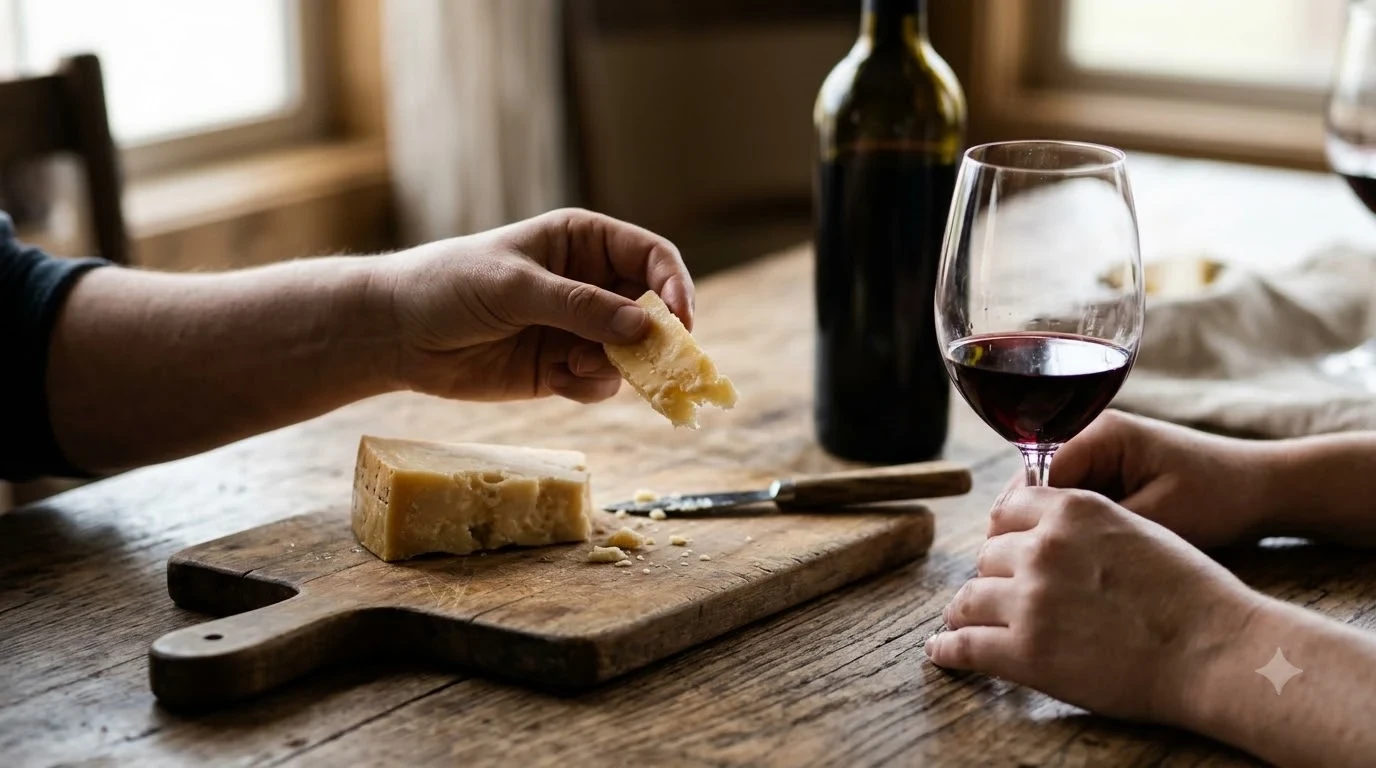
Pinotage is a flexible food wine. Its fruit and acidity make it a good partner for pizza with tomato sauce and pepperoni, and it also works with hearty beef stew. These are easy matches for a relaxed dinner, especially if the wine is a fresher, younger bottle.
Spiced dishes are another good option. A fruity pinotage can soften the heat of a mild curry, while the smoky notes sit well next to grilled sausages and roasted peppers. When you cook with the wine, choose a bottle you would also enjoy drinking, because the flavors will concentrate as the sauce reduces.
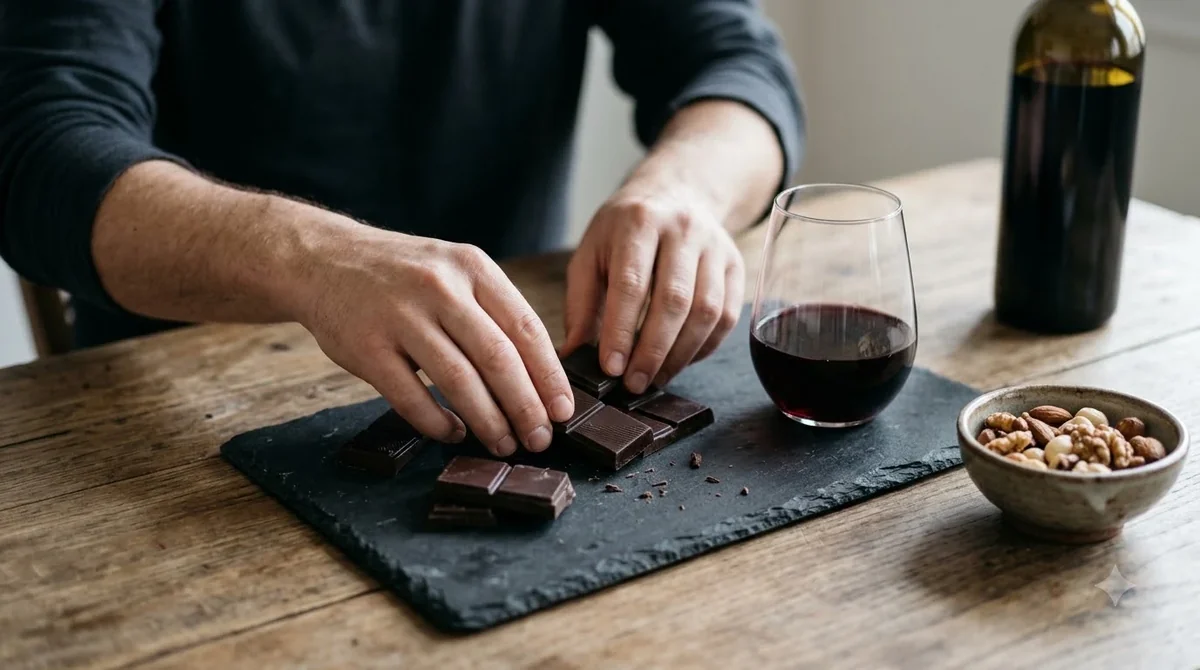
For richer dishes, look toward the earthier and oakier styles. Roasted duck, mushroom risotto, braised short ribs, and pepper-crusted steak all suit a fuller pinotage. Barbecue is another natural match, because the smoky notes in the wine echo the flavor of grilled and smoked meats. Sauces that are tangy or sweet, such as a vinegary barbecue glaze, also work well.
Choosing a Good Pinotage
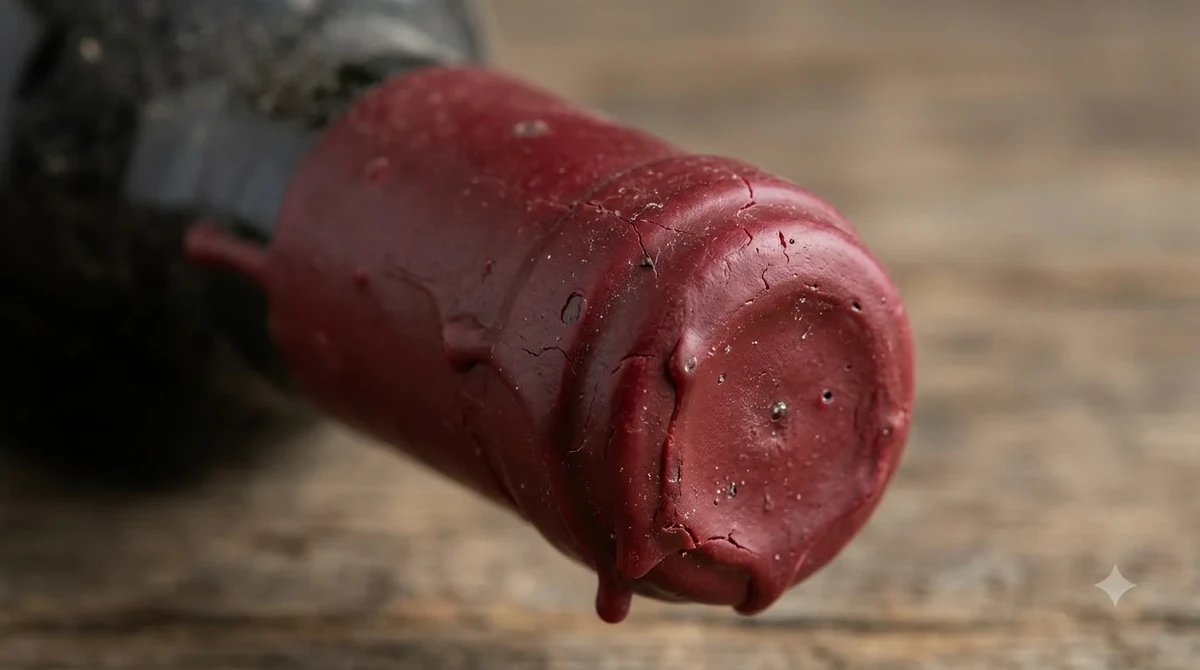
Start by deciding what kind of red you enjoy. If you like bright fruit and easy drinking, choose a younger, unoaked or lightly oaked bottle. If you prefer deeper flavors and more structure, look for a wine that mentions oak aging or a warmer site on the back label. Both styles can be good; they simply answer different moods and meals.
If you want to compare how a red wine tastes in a very different growing area, our Seneca Lake wine guide offers another regional point of reference. Read the producer’s description rather than relying on the grape name alone. Winemakers and wine writers often explain whether a bottle leans toward fresh fruit or toward oak and spice. If you are not sure, try one fresh bottle and one oaked bottle side by side with the same meal. The difference will tell you more than any single tasting note.
Tip: Pinotage can be a good introduction to South African red wine. If you enjoy its fruit and smoky edge, you may also like other reds from the same country and climate.
Frequently Asked Questions
What does pinotage taste like?
Pinotage usually tastes of black cherry and blackberry, with notes of fig, mint, and sometimes game. Oaked versions add vanilla, spice, and chocolate, while older bottles can show leather and smoked meat.
Is pinotage similar to Pinot Noir?
Pinotage is a cross of Pinot Noir and Cinsault, so the two share some ancestry. Pinotage is usually fuller in body and bolder in flavor than most Pinot Noir, with a different, more rustic character.
Should pinotage be decanted?
Many pinotage bottles benefit from decanting. Fuller, oaked styles can be decanted for up to an hour, while younger fruity bottles often need only 20 to 30 minutes.
What food goes best with pinotage?
Pinotage pairs well with barbecue, hearty stews, roast duck, and pizza with tomato sauce. Fresher styles suit casual meals, while oaked styles go better with richer dishes.
Pinotage rewards an open mind. Try a fresh bottle with an easy dinner, then open a richer one with a roast, and you will see how one grape can cover a wide range of styles. For a broader view of how place shapes a wine, our wine regions guide is a useful next step.
More in Wine Regions
 Willcox Wine Trail: Discover Arizona’s High-Elevation Wine CountryUpdated Nov 20, 2026
 Yakima Valley Wine Region: Find the Best Styles to TryUpdated Nov 20, 2026
 Vosne Romanee Wine Tasting: Identify Aromas and Choose Better PairingsUpdated Nov 20, 2026
 Yakima Valley Wine Festival: Find the Best Seasonal Wine EventsUpdated Nov 20, 2026
 Wales Vineyards: Discover Cool-Climate Wines and Where to VisitUpdated Nov 20, 2026
 Yountville Wine Festival: Discover Napa Wines and Local FoodUpdated Nov 20, 2026