

We may earn a commission when you buy through links on this page, at no extra cost to you. Learn more.
If you are wondering where is pinotage from, this signature red wine grape originated in South Africa in 1924. Viticulture professor Abraham Izak Perold created the variety at Stellenbosch University by crossing Pinot Noir with Cinsaut, which was known locally as Hermitage at the time. Today, South Africa remains the undisputed home of Pinotage, with the vast majority of global plantings concentrated in the Western Cape wine regions.
Unlike ancient European grapes whose origins are lost to centuries of agricultural folklore, Pinotage has a documented birth date, a specific laboratory garden, and a clear scientific purpose. Understanding its South African roots explains why the grape tastes so bold, smoky, and distinct from its famous French parent varieties, as well as how to serve and pair a bottle at home.
What Is Pinotage?
Pinotage is a red Vitis vinifera grape variety bred specifically to combine the delicate, complex aromatics of Pinot Noir with the heat tolerance and disease resistance of Cinsaut. Its name is a direct portmanteau combining “Pinot” from Pinot Noir and “tage” from Hermitage, the historical South African name for Cinsaut.
In November 1924, Professor Abraham Izak Perold, the first Chair of Viticulture at Stellenbosch University, manually cross-pollinated the two French varieties and planted four resulting seeds in the garden of his official residence at the Welgevallen Experimental Farm in 1925. Perold hoped to engineer a vine that could thrive in South Africa’s warm, sun-drenched coastal climate without sacrificing aromatic nuance. When Perold left the university for a role at the KWV cooperative in 1928, the overgrown garden was nearly cleared, until a young lecturer named Charlie Niehaus rescued the neglected seedlings and handed them over to Perold’s successor, Professor C.J. Theron, who grafted them onto commercial rootstocks in 1935.
The first barrel of wine from the new grape was vinified in 1941, and the varietal name first appeared on a commercial bottle with the 1959 Lanzerac Pinotage, released in 1961. Because it is an intraspecific cross of two classic European wine grapes rather than a hybrid with native American vine species, Pinotage produces full-bodied, age-worthy dry red wines that sit comfortably alongside international benchmarks in the Wine by Type hierarchy.
Flavor Profile and Winemaking Styles
Pinotage is known for its deep ruby-purple color, medium-high acidity, firm tannins, and bold flavors of blackberry, plum, and sour cherry layered over earthy, smoky undertones. Depending on vineyard climate and cellar choices, bottlings range from bright, juicy, early-drinking reds to dense, structured wines built for long cellar aging.
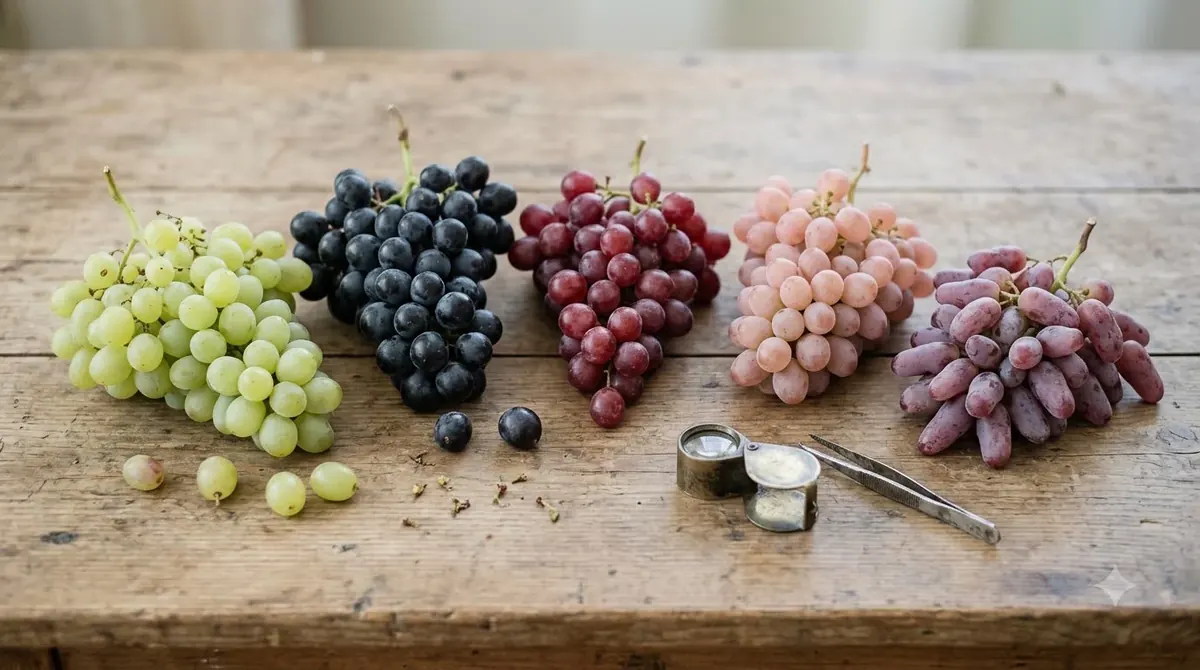
Reviewers at Wine Enthusiast note that modern South African Pinotage has matured dramatically from its reputation in the late twentieth century, when over-cropped yields and hot fermentations often produced harsh, acetone-like aromas. Today, careful canopy management and cooler fermentation temperatures allow the grape’s natural dark berry and red fruit core to shine. In warmer districts, ripe harvests yield full-bodied wines that frequently reach 14% to 15% ABV, pairing plush black plum and mulberry fruit with ripe, mouth-coating tannins.
Winemakers also craft several distinct stylistic variations from the same grape. The most famous specialty style is “coffee Pinotage,” pioneered in 2001, which uses heavily toasted oak staves to impart pronounced aromas of roasted espresso, dark chocolate, and mocha. At the other end of the spectrum, younger producers working with cooler coastal vineyards harvest earlier and use whole-cluster fermentation to craft lighter, brisker reds that echo the bright strawberry and floral notes of Pinot Noir. Pinotage also serves as the required backbone of a traditional South African “Cape Blend,” where laws stipulate it must account for 30% to 70% of the cuvée alongside varieties like Cabernet Sauvignon, Merlot, or Syrah.
Where Pinotage Grows Today
Nearly all of the world’s Pinotage grows in South Africa’s Western Cape province, within roughly an hour’s drive of Cape Town. While experimental plantings exist in New Zealand, Zimbabwe, Brazil, and California, South Africa accounts for virtually the entire commercial supply and defines every major regional expression of the grape.
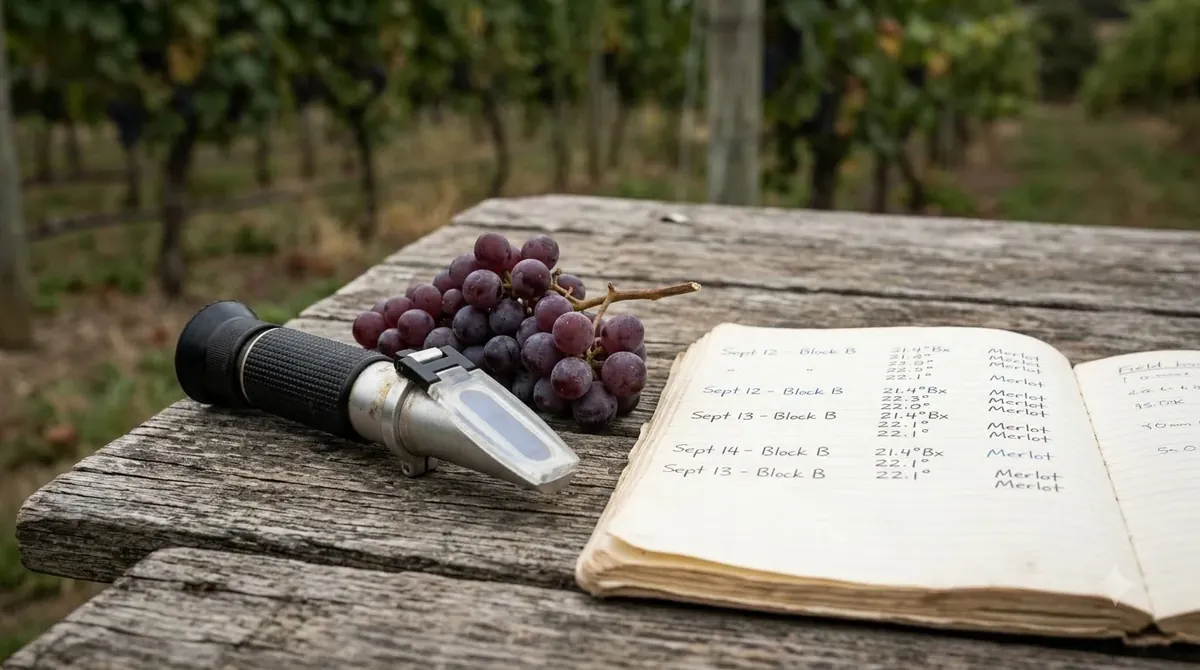
Stellenbosch is the historic birthplace of Pinotage and remains its benchmark region for age-worthy, structured wines. Granite-derived mountain soils and cooling afternoon breezes from False Bay give Stellenbosch bottlings firm tannins, savory tobacco notes, and the capacity to develop in bottle for 10 to 15 years or more. Just north of Stellenbosch, the warmer Paarl region produces softer, rounder, and more immediately approachable wines brimming with ripe dark fruit and plush spice.
Further north, the dry-farmed bush vines of the Swartland yield concentrated, deeply savory Pinotage with mineral grip, wild herbs, and dark bramble fruit. Meanwhile, cooler maritime wards such as Walker Bay and Elgin produce higher-acid, medium-bodied expressions with brighter red cherry and earthy forest-floor character. Understanding these regional differences helps shoppers navigate South African labels just as easily as learning where is merlot from or where is syrah from.
| South African Region | Climate and Soil | Typical Pinotage Style | Aging Potential |
|---|---|---|---|
| Stellenbosch | Moderate coastal climate; decomposed granite and shale | Full-bodied, structured, dark berry, tobacco, and firm tannins | 10 to 15+ years |
| Swartland | Warm, dry inland climate; old-vine bush vines on slate and granite | Concentrated, savory, earthy, bramble fruit, and herbal grip | 8 to 12 years |
| Paarl | Warm inland valley; granite and alluvial soils | Plush, fruit-forward, softer tannins, often used for mocha styles | 5 to 8 years |
| Walker Bay and Elgin | Cool maritime climate; clay-shale and sandstone | Medium-bodied, lively acidity, red cherry, and subtle smoke | 5 to 10 years |
How to Serve Pinotage
According to Wine Folly, Pinotage tastes best when served slightly below room temperature at 60 to 68°F (15 to 20°C) in a universal or Bordeaux-style red wine glass. Giving fuller-bodied bottles 30 to 60 minutes in a decanter helps soften their firm tannins and lets complex smoky and dark-fruit aromas open up.
Temperature control matters more with Pinotage than with lower-alcohol reds because ripe examples often sit around 14% to 15% ABV. If a bottle is served too warm—above 70°F—the alcohol can taste sharp and mask the subtle red berry and herbal notes underneath. Placing the bottle in the refrigerator for 15 to 20 minutes before pouring brings it right into the ideal cellar range, ensuring the wine feels balanced, fresh, and aromatic on the palate.
Glassware choice also shapes how the wine presents itself at the table. While Pinotage shares half its genetics with Pinot Noir, an oversized Burgundy bowl tends to accentuate alcohol vapors rather than delicate floral nuances. A standard universal stem or a classic Bordeaux glass with a tall chimney funnels the rich plum, blackberry, and woodsmoke aromatics toward the nose while directing the wine smoothly across the center of the tongue.
Tip: If you open a structured Stellenbosch or Swartland Pinotage and find the tannins grippy on the first pour, decant the bottle for 45 minutes and chill it slightly to 62°F to bring forward its dark cherry fruit.
Food Pairing with Pinotage
Pinotage is a natural partner for grilled, smoked, and richly spiced meats because its natural smokiness mirrors wood-fire char while its medium-high acidity cuts through savory fat. In South Africa, it is the classic pour for a traditional braai (outdoor barbecue), standing up effortlessly to flame-kissed sausages, lamb chops, and beef steaks.
At an American dinner table, those same structural traits make Pinotage one of the most reliable red wines for barbecue ribs, smoked brisket, pulled pork, and blackened burgers. The wine’s ripe plum and blackberry core echoes sweet-and-savory barbecue glazes without clashing, while its firm tannins cleanse the palate after each rich bite. Dishes seasoned with black pepper, cumin, coriander, or smoked paprika also lock neatly into the grape’s earthy, spicy register.
For non-meat or globally inspired meals, Pinotage pairs remarkably well with Cape Malay lamb curry, Moroccan tagines, mushroom stroganoff, and aged hard cheeses like mature cheddar or aged Gouda. Delicate dishes such as poached white fish, lightly dressed green salads, or mild steamed vegetables should be avoided, as the wine’s bold fruit and assertive tannin structure will overwhelm lighter flavors.
How to Choose a Bottle of Pinotage
When shopping for Pinotage, start by checking the regional designation and alcohol level on the front label to match the bottle to your palate. Wines from Stellenbosch and Swartland labeled between 13.5% and 14.5% ABV typically offer the best balance of savory complexity, vibrant acidity, and structured dark fruit.
If you prefer an approachable, velvety red with generous oak spice, look for bottlings from Paarl or labels that mention mocha, dark chocolate, or roasted coffee notes in their tasting descriptions. Conversely, if you enjoy classic Old World reds and want to explore South African terroir, seek out old-vine Swartland selections or cooler-climate bottlings from Walker Bay, which emphasize red fruit, dried herbs, and crisp natural acidity over heavy oak influence.
You can also explore the grape through a Cape Blend, which combines Pinotage with familiar Bordeaux varieties for added mid-palate plushness and familiarity. For wine lovers who enjoy fortified dessert styles, several South African producers even craft sweet, port-inspired wines from Pinotage using traditional fortification methods similar to those covered in our guide on where is port from.
Frequently Asked Questions
Is Pinotage a sweet or dry red wine?
Standard table Pinotage is fermented completely dry, meaning virtually no residual sugar remains in the finished wine. Its ripe flavors of blackberry, plum, and sweet baking spice come from intense fruit ripeness and oak aging rather than sugar, though a few South African estates do make sweet, fortified port-style wines from the grape.
Why does Pinotage sometimes smell like smoke or coffee?
Pinotage naturally produces earthy, smoky compounds during fermentation that remind many tasters of campfire smoke or charred wood. When winemakers age the wine in heavily toasted oak barrels or use toasted oak staves, those natural smoky notes combine with wood sugars to create unmistakable aromas of espresso, mocha, and dark chocolate.
Does Pinotage taste like Pinot Noir?
Despite having Pinot Noir as one of its two parent grapes, Pinotage rarely tastes like traditional Pinot Noir. It inherits its dark color, full body, and heat resilience from its other parent, Cinsaut, resulting in a much deeper, bolder, and more tannic wine closer in weight to Syrah or Zinfandel.
Is Pinotage grown anywhere outside of South Africa?
South Africa produces the overwhelming majority of the world’s Pinotage, centered in the Western Cape wine regions around Stellenbosch, Paarl, and the Swartland. Tiny, experimental vineyard blocks exist in New Zealand, California, Zimbabwe, and Brazil, but almost every commercial bottle sold in the United States comes from South Africa.
From a nearly forgotten garden experiment at Stellenbosch University in 1924 to South Africa’s flagship red grape, Pinotage offers a distinctly savory, smoke-kissed alternative to everyday Cabernet Sauvignon or Syrah. Whether you pick up a structured old-vine bottling from the Swartland or a plush, fruit-forward red from Paarl, serving it slightly cool alongside grilled or smoked dishes brings out the best of this uniquely South African variety.
More in Wine Types & Grapes
 Zinfandel Sugar Content: Dry Red vs. White Zinfandel GramsUpdated Nov 21, 2026
 Best Zinfandel Substitute Options for Sipping and CookingUpdated Nov 21, 2026
 Zweigelt Food Pairing: Best Dishes, Cheeses, and Serving TipsUpdated Nov 21, 2026
 Zinfandel Tannins Explained: How Structure Shapes Every BottleUpdated Nov 21, 2026
 Zinfandel Sweetness Level: Dry Red vs. Sweet White Zin ExplainedUpdated Nov 21, 2026
 Xinomavro Food Pairing: Best Dishes, Styles, and Serving TipsUpdated Nov 21, 2026