
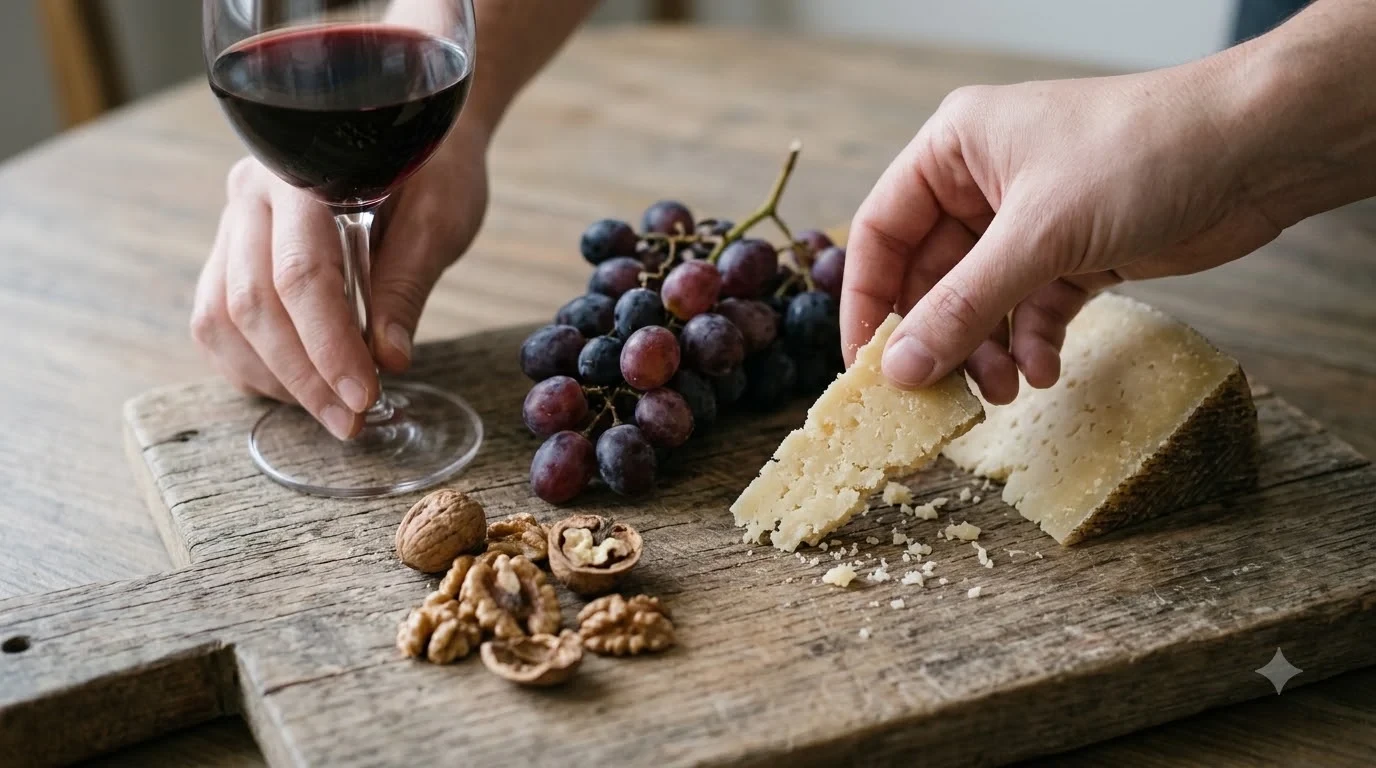

We may earn a commission when you buy through links on this page, at no extra cost to you. Learn more.
In a direct syrah vs zinfandel comparison, Syrah usually tastes more savory, peppery, and structured, while Zinfandel is often riper, jammier, and fuller in fruit. Both are dry red grapes that can show black pepper, dark berries, and higher alcohol. Syrah commonly adds smoke, violet, herbs, and dried-meat notes, while Zinfandel tends toward ripe berries, baking spice, and softer tannins.
These are tendencies, not rules. Climate, vineyard location, harvest timing, blending, and oak can move either wine toward a fresher or richer style. Comparing the grape’s typical profile with the region on the bottle makes the choice easier.
The Main Differences at a Glance
Syrah is generally the more savory and firmly structured choice; Zinfandel is generally the more fruit-driven and plush choice. Both can be full-bodied, spicy reds, but they tend to express those traits in different ways.
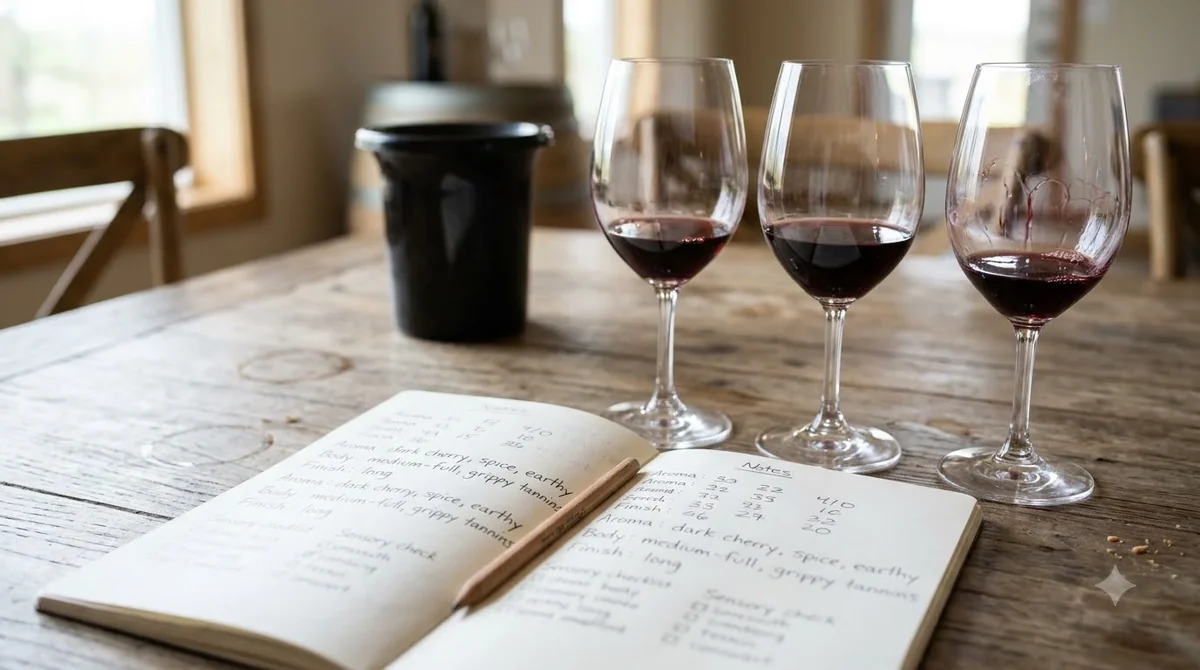
Syrah’s classic profile comes from the northern Rhône Valley, where wines from places such as Hermitage and Côte-Rôtie can combine dark fruit with pepper, violet, smoke, and earthy complexity. Zinfandel is strongly associated with California, where warm-climate examples often show ripe blackberry, raspberry, and jammy cherry, alongside black pepper and sweet spice. Neither grape has a single fixed taste: a cooler-climate Zinfandel can be fresher and pepperier, while a warm-climate Syrah can become very ripe and broad.
At the shelf, choose Syrah for black fruit, savory notes, and noticeable tannin; choose Zinfandel for bold berry fruit and a generous mouthfeel. Petite Sirah in a blend can make Zinfandel more tannic, so the producer’s blend matters.
| Characteristic | Syrah | Zinfandel |
|---|---|---|
| Common fruit | Blackberry, blueberry, plum | Blackberry, raspberry, cherry |
| Signature non-fruit notes | Black pepper, violet, smoke, herbs | Black pepper, clove, anise, dried herbs |
| Typical body | Medium-full to full | Medium-full to full |
| Typical tannin impression | Medium-plus to high | Often medium to medium-plus; can vary |
| Common alcohol range in examples cited | About 13–14.5% ABV | About 14–16% ABV for California reds |
| Best-known reference regions | Northern Rhône, Australia | California, Puglia |
These alcohol ranges are reference points, not limits. Wine Enthusiast describes Syrah around 13–14.5% ABV and California Zinfandel around 14–16% ABV, though individual bottles can fall outside those bands. For a fair comparison, choose dry reds from similar styles rather than pairing cool-climate Syrah with an unusually ripe, late-harvest Zinfandel.
Where Syrah and Zinfandel Come From
Syrah’s classic home is France’s northern Rhône, while California is the best-known home of American Zinfandel. Their histories differ, but each grape now grows in several countries and can show a different balance of fruit, acidity, and spice according to climate.
In the northern Rhône, Syrah is the principal red grape in appellations including Hermitage, Côte-Rôtie, Cornas, and Saint-Joseph; Decanter’s Syrah and Shiraz overview describes the region as the grape’s classic home. The Rhône Valley’s wine organization identifies Syrah as a variety suited to cooler hillsides and notes its peppery, floral, structured character. It also records Syrah plantings around the world, including Argentina, South Africa, California, Chile, New Zealand, and Mexico. In Australia, the same grape is usually called Shiraz; the name often signals a regional style as much as a labeling tradition. Learn more about that naming distinction in this comparison of Shiraz vs Zinfandel.
Zinfandel’s ancestry is linked to Croatia, where related vines are known as Crljenak Kaštelanski or Tribidrag. DNA work confirmed its identity with Italy’s Primitivo, although growing conditions and winemaking create different regional expressions. The Wine Institute traces Zinfandel’s arrival in California to the Gold Rush era, between 1852 and 1857, and notes that it is grown in most of the state’s 58 counties. In Italy’s Puglia, the grape is called Primitivo; Primitivo di Manduria tends to be dense and ripe, while examples from Gioia del Colle can feel lighter.
California’s range is especially broad. Lodi and parts of the Central Valley can produce ripe, generous styles, while Sonoma’s Russian River Valley and some coastal sites can yield more restrained wines with freshness and peppery detail. In northern Rhône Syrah, cooler conditions often preserve herbal, peppery, and floral notes; warmer areas in Australia or California usually emphasize darker, riper fruit. Regional context is therefore more helpful than assuming every wine made from a particular grape tastes the same.
Aromas and Flavors in the Glass
Syrah often pairs dark berry flavors with savory aromas such as black pepper, smoked meat, violet, and dried herbs. Zinfandel more often leads with ripe berry fruit, jammy cherry, and sweet spice, although both grapes can show pepper and herbal notes.
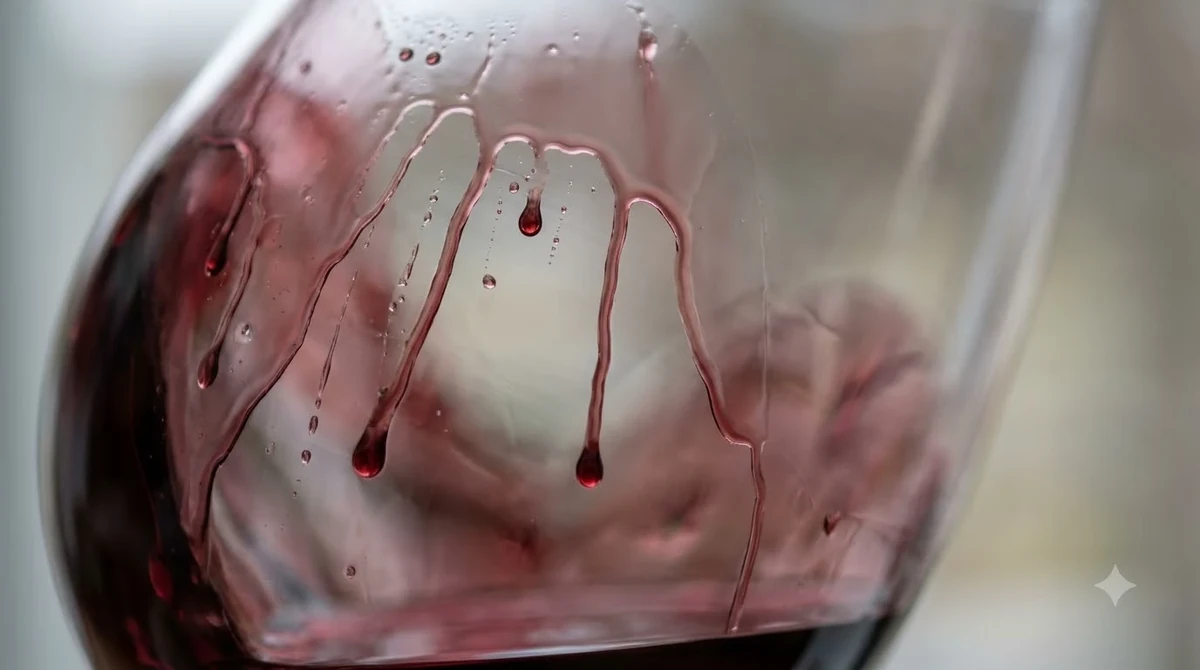
Start with the fruit, but do not stop there. Syrah can smell of blackberry, blueberry, black plum, or raspberry, then open into violet, black pepper, mint, olive, smoke, leather, and game. A northern Rhône Syrah may emphasize pepper, flowers, earth, and mineral character; a warmer-climate Shiraz can lean toward blackberry, chocolate, and sweeter spice. Oak aging can add vanilla, toast, coconut, or clove, so those aromas are not evidence of the grape alone.
Zinfandel commonly gives aromas of blackberry, raspberry, boysenberry, and cherry. Black pepper, anise, clove, and herbs provide the spicy lift. In warmer California sites, very ripe grapes can create jam, baked fruit, raisin, or prune notes. Because berries in a Zinfandel cluster may ripen unevenly, one wine can combine fresh fruit with dried-fruit character. A cooler-site bottle may instead show brighter red berries and a more noticeable pepper note.
When the wines seem similar, focus on the non-fruit aromas and fruit quality. Wine Enthusiast’s discussion of wine twins quotes educators who note that Syrah and Zinfandel can overlap in pepper, herbs, mint, eucalyptus, alcohol, and tannin; Syrah more often adds smoke, game, dried meat, leather, or earth. Ask whether the fruit tastes fresh, candied, or raisined rather than trying to identify the grape from blackberry alone.
Body, Tannin, Acidity, and Alcohol
Both grapes can make full-bodied reds, but Syrah usually has a firmer tannin frame and a more savory finish, while many California Zinfandels feel plush and less tannic. Alcohol can be high in either wine, so body and warmth on the palate are not enough to identify the grape.
Tannin is the drying sensation that can make the gums feel grippy. Syrah typically sits in the medium-plus to high range, especially in structured northern Rhône examples, and its tannin can support aging. Zinfandel is often medium to medium-plus in tannin, though some examples are more forceful. A Zinfandel blended with Petite Sirah can feel substantially firmer than a lighter, fruit-forward varietal bottling. If you prefer a smoother finish, look for a Zinfandel described as approachable or soft rather than assuming every bottle will be low in tannin.
Acidity contributes freshness and helps a wine work at the table. Syrah generally has medium acidity, while Zinfandel’s acidity can vary with climate and harvest decisions. In a warm region, very ripe fruit and higher alcohol may make the wine seem broad, sweet-fruited, or less brisk even when the wine is technically dry. Neither grape is automatically sweet: jammy aromas can suggest sweetness, but dry red wine can smell like ripe fruit without containing much residual sugar.
Alcohol adds body and a warming finish. Wine Enthusiast gives a typical California Zinfandel range of 14–16% ABV, while its Syrah overview describes many examples around 13–14.5% ABV. There are exceptions in both directions, and some New World Syrah/Shiraz and Zinfandel bottles exceed 15%. If you are sensitive to a hot finish, choose a more moderate-alcohol bottle and serve it slightly cool rather than relying on the grape name alone. For a useful side-by-side tasting, pour both wines at the same temperature and from similar glassware; notice whether pepper, smoke, earth, or drying grip remains, or ripe berry fruit lingers with softer texture.
Food Pairings for Both Reds
Syrah is especially good with savory, richly flavored dishes, while Zinfandel suits barbecue, burgers, and foods with sweet-smoky or peppery seasoning. Match the wine’s weight to the dish, and take care with intense chili heat because high alcohol and tannin can make the burn feel stronger.
For Syrah, try grilled lamb, rosemary roast, beef short ribs, smoked brisket, sausage, or mushrooms. Pepper, herbs, char, garlic, and black olives suit its savory profile. Northern Rhône Syrah can handle lamb chops or braised beef, while ripe Australian Shiraz works with barbecue sauce. Salt and fat soften tannin, helping a marbled steak balance a structured Syrah.
Zinfandel is a natural match for barbecue ribs, pulled pork, grilled sausages, burgers, meatloaf, and tomato-based pasta. Ripe berry fruit complements smoky or slightly sweet sauces, and the wine’s peppery character works with blackened or spice-rubbed meats. Lighter Zinfandel can pair with turkey, semi-firm cheeses, or pasta with tomato sauce. For a cooler-climate example, try it with spiced chicken or a mild curry rather than a heavily sweet glaze.
Both work with hard cheeses, grilled vegetables, and hearty beans. Avoid delicate white fish or oysters, which can be overwhelmed; oily fish can clash with tannic reds. Alcohol and tannin amplify chili heat, so choose a softer style with spicy dishes. Acidic tomato sauce needs a wine with matching freshness. If you are comparing the broader Rhône family, this guide to Grenache vs Syrah helps explain why blends can behave differently at the table. White Zinfandel is a different pairing decision: it is a rosé, often semi-sweet, and suits lighter appetizers, fruit salad, charcuterie, and seafood kebabs. For more on that pink style, see rosé vs white Zinfandel; a sweet rosé should be matched differently from a dry red.
Tip: For a casual cookout, pour Zinfandel with sweet-smoky ribs and Syrah with pepper-crusted steak or rosemary lamb. Put both bottles on the table with a salty side dish, such as aged cheddar or roasted potatoes, to soften the impression of tannin.
Serving, Cellaring, and Choosing a Bottle
Serve both full-bodied reds slightly cool rather than warm, and give a young, dense bottle time to open. A few simple steps—checking the stated alcohol level, serving temperature, and regional origin—will usually tell you more than the grape name on its own.
Serve full-bodied reds at 60–65°F. In a warm room, chill the bottle for about 15–20 minutes before pouring; excess warmth can emphasize alcohol. A 750-milliliter bottle provides about five 5-ounce servings. Let the wine warm gradually in the glass.
Young, full-bodied reds can benefit from 30–60 minutes in a decanter. Firm Syrah may become more expressive with air, while powerful Zinfandel can show its fruit and spice more clearly after a short rest. Older bottles may need only brief exposure because too much air can flatten them.
Store unopened bottles on their sides in a dark, stable place near 55°F, away from vibration and large temperature swings. After opening, recork the bottle and refrigerate it; most still wines keep reasonably well for about 3–5 days, though the fruit and aroma gradually fade. Bring the remaining wine back toward serving temperature before pouring. These basic steps apply to both grapes and matter more than buying special equipment. At the store, use region and style as a guide: Crozes-Hermitage and Saint-Joseph often point toward peppery Syrah, while Australian Shiraz can offer riper fruit and more body. Sonoma, Lodi, Amador County, and Paso Robles each offer different Zinfandels; Puglia’s Primitivo is a useful Italian comparison. Start with California Zinfandel for ripe fruit and a softer feel, or Syrah for pepper and savory detail. A general wine vs wine comparison can help with other varieties.
Frequently Asked Questions
These answers clarify Australia’s Shiraz naming convention, California Zinfandel’s range of styles, and the labeling distinction between Zinfandel and Primitivo.
Why do Australian producers label Syrah as Shiraz?
Syrah and Shiraz are the same grape, but the Australian name is widely used for the country’s signature red-wine variety. Decanter describes Shiraz as Australia’s most important red variety, with warm-climate styles often showing riper fruit than classic northern Rhône Syrah.
Why are Zinfandel and Primitivo labeled separately in the United States?
They are genetically the same grape variety, but U.S. labeling rules require Zinfandel and Primitivo to be identified separately on wine labels. That means the names are not interchangeable in American retail labeling, even though the varieties share the same DNA identity.
Can Zinfandel be made into a fortified dessert wine?
Yes. Alongside dry reds and rosés, Zinfandel can be made in a Port-style fortified form. Late-harvest grapes with high sugar can provide the base for a richer dessert style, which is quite different from a typical dry California red.
Are all old-vine Zinfandel vines a century old?
No. Wine Enthusiast notes that some Zinfandel wines come from vines that have been growing in a vineyard for as long as a century, but that does not mean every bottle labeled old vine comes from vines of exactly that age. Vine age is one part of a vineyard’s story, not a guarantee of quality.
Why is White Zinfandel often semi-sweet?
The style became popular after an accidental Sutter Home production in the 1970s, when juice bled from a red-wine fermentation failed to ferment dry. That process produced a rosé with residual sweetness, using the saignée method rather than making a white wine from white grapes.
Syrah is the stronger starting point for drinkers who favor pepper, smoke, and savory detail, while Zinfandel is a good first choice for ripe berry flavors and a generous texture. Try one from a cool region and one from a warm region to see how much place and winemaking influence the grape. After that comparison, your preferred balance of fruit, spice, and tannin will be a more useful guide than the variety name alone.
More in Wine vs Wine
 Nero d’Avola vs Pinot Noir: Taste, Body, and Pairing DifferencesUpdated Nov 21, 2026
 Chenin Blanc vs Pinot Blanc: Key Differences in Taste, Acidity, and PairingsUpdated Nov 21, 2026
 Chardonnay vs Shiraz: Key Differences in Taste, Serving, and PairingUpdated Nov 21, 2026
 Chardonnay vs Verdejo: How Spain’s Crisp White Compares to the World’s ChameleonUpdated Nov 21, 2026
 Chardonnay vs Sancerre: Key Differences in Taste, Grapes, and PairingUpdated Nov 21, 2026
 Chardonnay vs Malbec: Key Differences in Taste, Body, and PairingUpdated Nov 21, 2026