

We may earn a commission when you buy through links on this page, at no extra cost to you. Learn more.
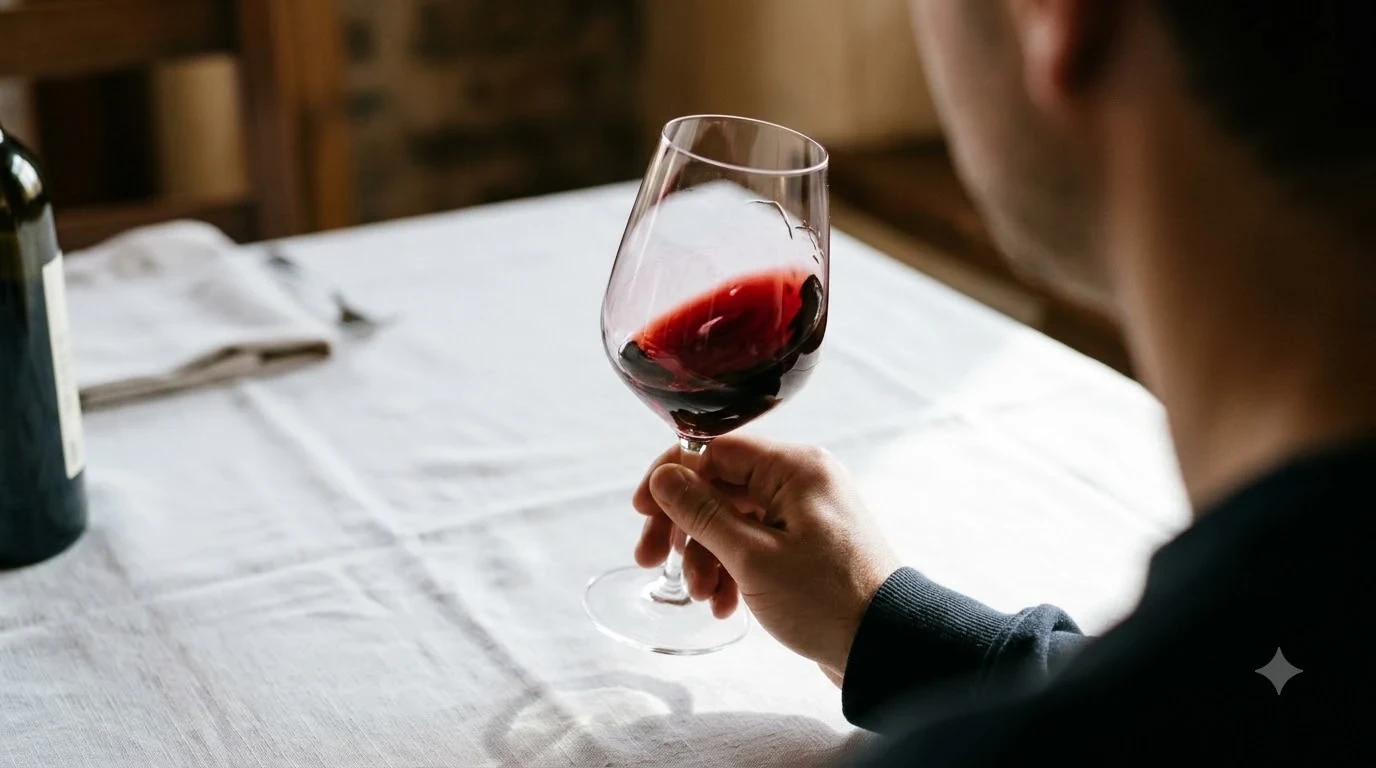
Cabernet sauvignon vs merlot comes down to structure: cabernet sauvignon is usually the firmer, more tannic, more astringent wine, while merlot is softer, rounder, and easier to drink young. Both grapes are classic Bordeaux varieties and both produce full-bodied reds with alcohol levels around 13.5 to 15 percent, so the choice depends on how much grip and how much fleshy fruit you want in the glass.
Many shoppers see these two grapes side by side and assume they taste nearly the same. They share a family tree and often share a bottle, since Bordeaux blends mix them freely, but each grape has its own character. This guide compares flavor, tannin, acidity, body, growing regions, serving, and food so you can decide which one fits your table.
Cabernet Sauvignon vs Merlot at a Glance
The quickest way to see the difference is to compare the core traits side by side. The table below uses the descriptions from the Wine Folly grape guides for each variety, including its cabernet sauvignon profile and its merlot profile, so the numbers and ranges are the ones those pages list.
| Trait | Cabernet Sauvignon | Merlot |
|---|---|---|
| Typical flavors | Black cherry, black currant, cedar, graphite | Cherry, plum, chocolate, bay leaf, vanilla |
| Tannin | Firmer and more astringent | Softer and less astringent |
| Acidity | Medium-high | Medium, refreshing but not overtly high |
| Body | Full | Medium-full |
| Alcohol | 13.5 to 15% ABV | 13.5 to 15% ABV |
| Ripening | Later in the season | Ripens up to two weeks earlier |
Flavor Differences Between Cabernet Sauvignon and Merlot
Cabernet sauvignon is known for dark, structured fruit. Its classic profile includes black currant and black cherry, often with cedar, baking spices, and a pencil-lead or graphite note in Bordeaux examples. Cooler sites can add a green edge, such as bell pepper or green peppercorn, while warmer sites push toward ripe blackberry and fig.
Merlot tends to show softer, more open fruit. Cherry and plum are the most common flavors, and chocolate and vanilla notes can appear when the wine sees oak. In cooler climates merlot often shows red plum and cherry, while warmer regions produce baked blackberry and a richer, almost cake-like character.
Tannin, Acidity, and Body
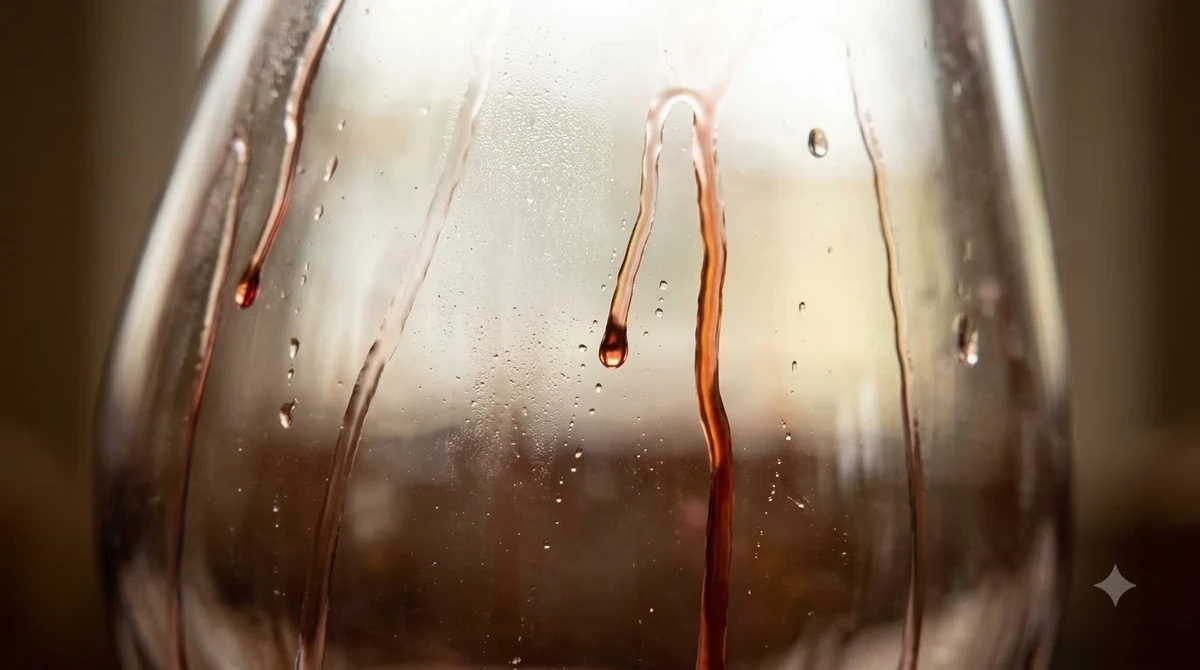
Tannin is the main reason cabernet sauvignon and merlot feel different in the mouth. Cabernet sauvignon has thicker skins and more tannin extraction, so it tends to feel firm and dry on the finish. Merlot has thinner skins and fewer seeds, which gives it a rounder texture. Wine Folly describes merlot as softer and less astringent than cabernet sauvignon.
Acidity also differs. Cabernet sauvignon usually shows medium-high acidity, which helps it age and keeps the wine lively. Merlot has medium acidity, refreshing without feeling sharp. Body is similar in both cases, but cabernet sauvignon usually reads as full, while merlot reads as medium-full.
In practical terms, a young cabernet sauvignon can taste closed and grippy until it has had time to soften, while a young merlot often drinks well soon after release. That is one reason many cellar-minded buyers still prefer cabernet sauvignon, while many everyday drinkers reach for merlot first.
Where Each Grape Grows
Both grapes are grown widely, and their home is the Bordeaux region of France. Cabernet sauvignon became dominant on the Left Bank, especially in the Médoc, where gravelly soils suit it. Merlot became the most widely planted grape in Bordeaux and does especially well on the Right Bank, in clay and limestone soils around Pomerol and Saint-Émilion.
Outside France, cabernet sauvignon is strongly associated with California, especially Napa Valley and Sonoma County, along with South Australia and Chile. Merlot is also planted across Italy, California, Washington, Chile, and Argentina. If you want a feel for the region behind a bottle, check the label for the appellation or the state, because those details often predict the style better than the grape name alone.
How to Serve Each One
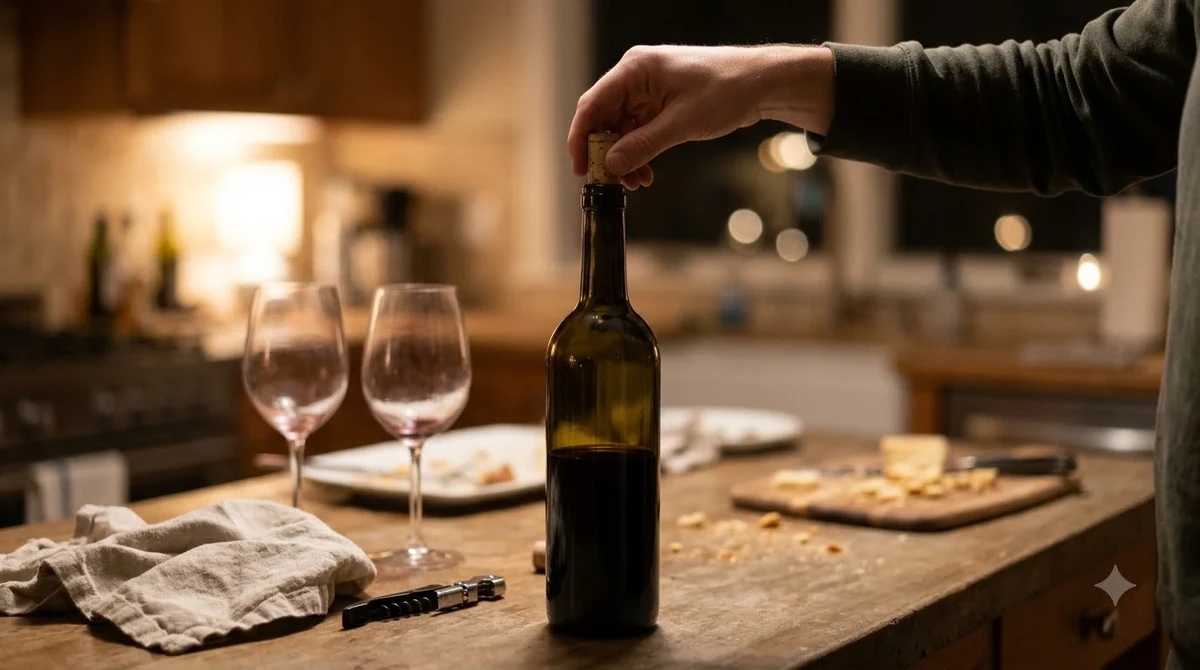
Serving temperature changes how these reds show their structure. Wine Folly suggests serving cabernet sauvignon at 60 to 68°F (15 to 20°C) in a large glass. Merlot can be served in the same range, and a slightly cooler temperature can help a young, fruit-forward bottle feel fresher.
Cabernet sauvignon often benefits from decanting, especially young bottles with firm tannin, because a short rest in the decanter softens the grip. Merlot usually needs less time. A short pour and a few minutes in the glass are often enough to show its best fruit.
Tip: If a cabernet sauvignon tastes harsh, give it time in the glass or a decanter before you judge it. If a merlot tastes flat, check whether it was served too warm, since warmth can make soft wines seem heavy.
Food Pairing for Cabernet Sauvignon and Merlot
Cabernet sauvignon pairs well with rich, fatty, or grilled foods. Its tannin cuts through the richness of roasted meats and aged cheeses, which is why it is a common choice for steak and lamb. The firm structure can overwhelm lighter dishes, so save it for the heavier plates on the table.
Merlot is more flexible at the table. It works with roast chicken, mushroom dishes, tomato-based pasta, and softer cheeses, and it can carry a bit of spice or herbs without losing its fruit. Its gentler tannin makes it a comfortable match for people who find cabernet sauvignon too dry.
Which One Should You Buy?
Start with the meal you plan to serve. If the dinner centers on a thick steak, a braise, or a sharp aged cheese, cabernet sauvignon gives the wine enough grip to hold its own. If the dinner is lighter, with roast chicken, pasta in tomato sauce, or a mushroom dish, merlot keeps the table relaxed and the fruit in front.
Next, think about the moment. A bottle you plan to open tonight is often best as merlot, because its softer tannin makes it pleasant without much rest. A bottle you plan to keep for several years is usually a better fit for cabernet sauvignon, because its structure gives it more room to change in the cellar.
Finally, read the label for the region. A Napa cabernet sauvignon and a Bordeaux-style blend that includes merlot can taste very different, even at similar alcohol levels. The region and the producer often tell you more about the style than the grape name alone, so use both when you compare bottles.
Frequently Asked Questions
Is merlot sweeter than cabernet sauvignon?
Not in the sense of residual sugar. Both are usually dry. Merlot tastes sweeter to many people because its fruit is softer and its tannin is gentler, which makes the fruit seem more prominent.
Which is better for beginners, cabernet sauvignon or merlot?
Merlot is often the easier starting point because its tannin is softer and its fruit is more approachable. Cabernet sauvignon rewards patience and food, so it can be a good second step once you know what you like.
Can you blend cabernet sauvignon and merlot?
Yes, and it is very common. Bordeaux blends mix the two grapes so that merlot adds fleshiness and cabernet sauvignon adds structure. Many Bordeaux-style wines from around the world follow the same idea.
Which one ages better?
Cabernet sauvignon generally has the stronger structure for long aging because of its higher acidity and firmer tannin. Merlot can age well too, but many bottles are made to be enjoyed within a few years of release.
For most people the choice is simple: pick cabernet sauvignon when you want a firm, structured red for rich food and possible aging, and pick merlot when you want soft fruit that is easy to drink. If you are still comparing options, the Wine vs Wine guide covers other common matchups, and the cabernet sauvignon vs pinot noir comparison shows how a lighter red stacks up against the same firm grape.
More in Wine vs Wine
 Nero d’Avola vs Pinot Noir: Taste, Body, and Pairing DifferencesUpdated Nov 21, 2026
 Chenin Blanc vs Pinot Blanc: Key Differences in Taste, Acidity, and PairingsUpdated Nov 21, 2026
 Chardonnay vs Shiraz: Key Differences in Taste, Serving, and PairingUpdated Nov 21, 2026
 Chardonnay vs Verdejo: How Spain’s Crisp White Compares to the World’s ChameleonUpdated Nov 21, 2026
 Chardonnay vs Sancerre: Key Differences in Taste, Grapes, and PairingUpdated Nov 21, 2026
 Chardonnay vs Malbec: Key Differences in Taste, Body, and PairingUpdated Nov 21, 2026