

We may earn a commission when you buy through links on this page, at no extra cost to you. Learn more.
Napa Cabernet Sauvignon is a dry, full-bodied red with black cherry, cassis, and cedar flavors, and firm tannin that ages well. The Napa Valley AVA is one of the most recognized growing areas for the grape in the United States, and its Cabernet is usually richer and more structured than many versions from cooler regions. It is a strong choice for grilled meats and rich, savory dinners.
This guide covers what Napa Cabernet Sauvignon tastes like, how the valley’s climate and soils shape it, how to serve it, and what to eat with it. It is written for anyone choosing a bottle from Napa for the first time, or trying to understand why these wines cost what they do.
What makes Napa Cabernet Sauvignon different?
Cabernet Sauvignon is one of the most widely planted red grapes in the world, but the Napa Valley version has a distinct character. Reviewers and grape references commonly describe its flavors as black cherry, black currant, cedar, baking spice, and graphite. Those notes often come with a fuller body and firmer structure than Cabernet from cooler climates.
The region’s warm days and cool nights help the grape ripen fully while keeping some natural acidity. Fog and cool Pacific air moving inland play a large part in this balance. The southern end of the valley floor is cooler, while the northern end is warmer and more sheltered, so the same grape can taste different from one part of the valley to another.
Napa Valley: the region behind the bottle
The Napa Valley AVA covers roughly 252,000 acres, nearly all of Napa County, and includes sub-appellations with their own climate and soil traits. According to the Wikipedia overview of the Napa Valley AVA, about 47,000 acres are planted to vineyards, and the valley has more than 450 wineries.
Soils also vary. The south has sediment left by changing tides of San Pablo Bay, while the north has volcanic material. Cabernet Sauvignon is the most important grape in the valley and is listed first among its varietals, followed by Merlot, Cabernet Franc, Pinot Noir, and Zinfandel. Napa’s reputation was helped by the 1976 Paris tasting, when Napa Cabernet and Chardonnay placed first in a blind comparison against top French wines.
How to serve Napa Cabernet Sauvignon
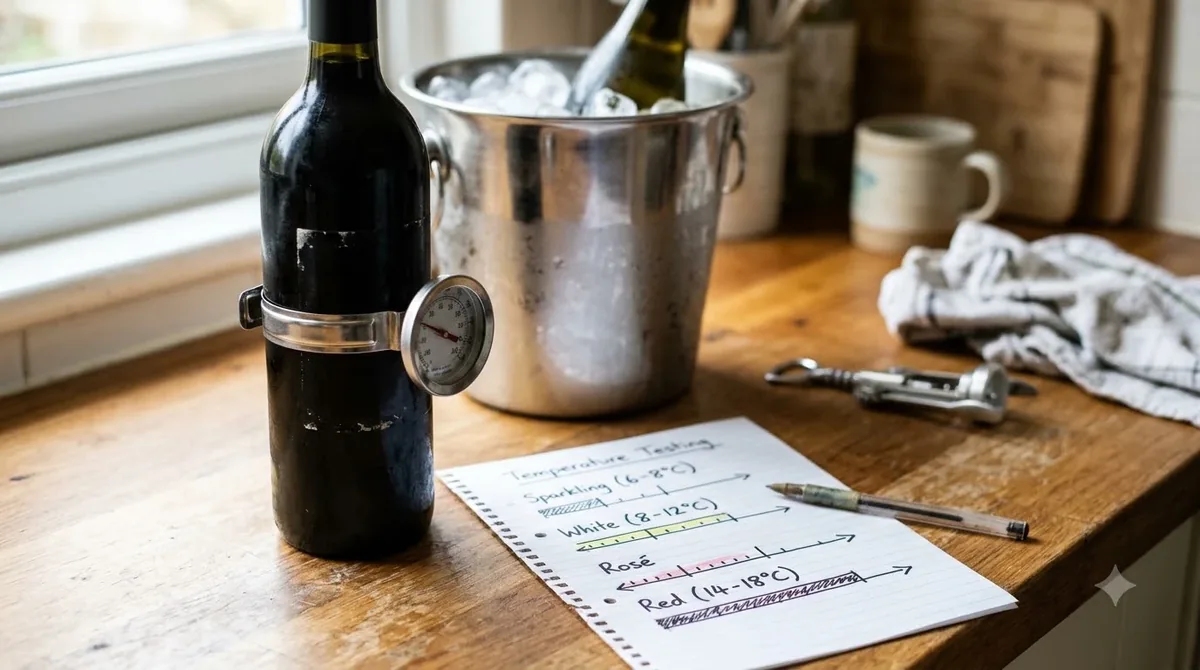
Serve Napa Cabernet at a cool room temperature, roughly 60 to 68 degrees Fahrenheit. Warmer temperatures make the alcohol stand out and hide the fruit, while a bottle that is too cold can taste tight and bitter.
Decanting for about an hour is a common recommendation for young Cabernet with firm tannin. It softens the wine and lets the aromas open. Use a large glass with enough room to swirl, and pour a modest amount so the wine can breathe. Older bottles with sediment should be decanted carefully and sometimes poured the same day they are opened.
| Characteristic | Typical Napa Cabernet Sauvignon |
|---|---|
| Body | Full, with a dense, layered feel |
| Tannin | Medium-high, firm and grippy when young |
| Acidity | Medium-high, which helps the wine age |
| Main flavors | Black cherry, cassis, cedar, baking spice, graphite |
| Serving temperature | About 60 to 68 degrees Fahrenheit |
Tip: If a Napa Cabernet tastes harsh, give it time. Young bottles often soften after a decant or a few years in the cellar, and the fruit becomes more balanced.
Food pairings for Napa Cabernet
Cabernet’s firm tannin pairs best with protein and fat. Wine Folly’s Cabernet Sauvignon guide describes the wine as a strong partner for grilled meats, peppery sauces, and boldly flavored dishes. Steak, lamb chops, roasted duck, and mushroom dishes all suit the style.
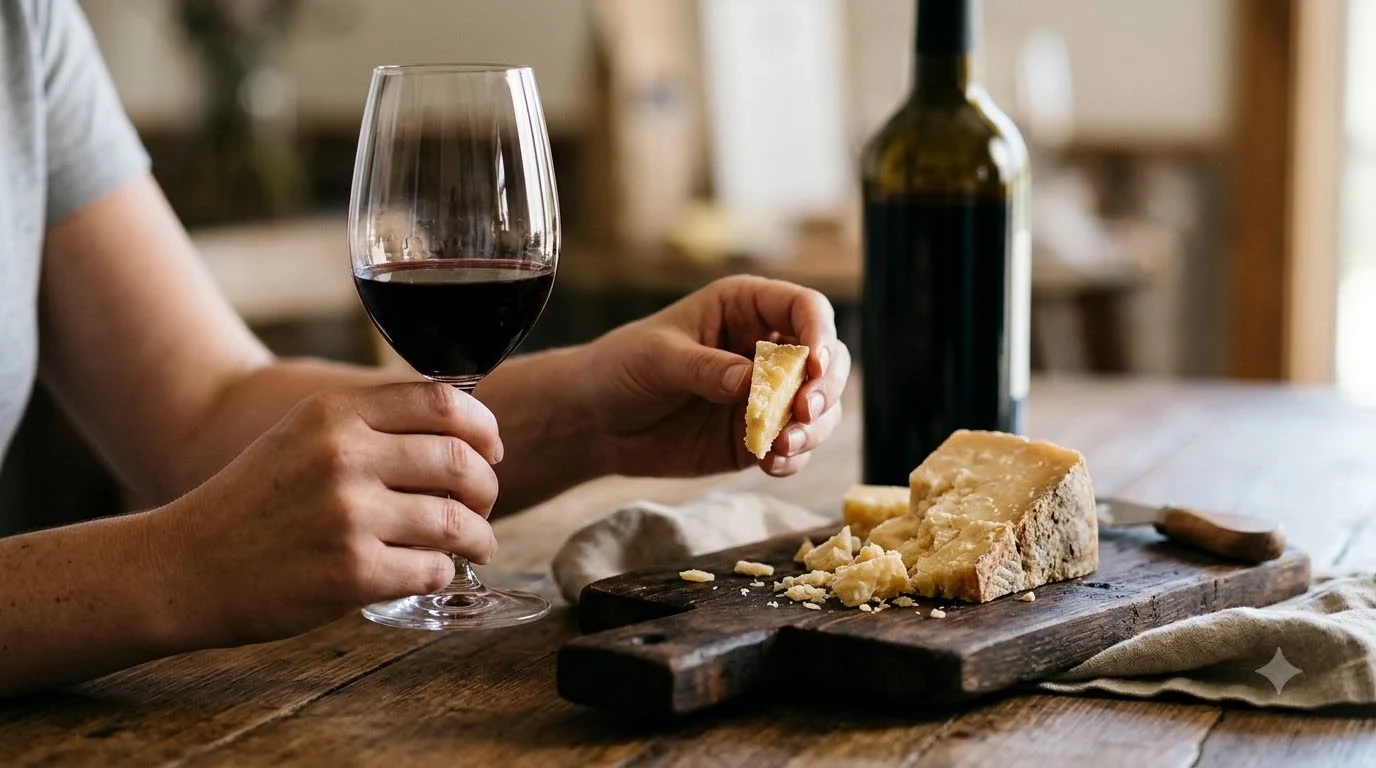
Hard aged cheeses like aged cheddar or Parmigiano-Reggiano also work well, because their salt and fat soften the tannin and bring out the wine’s fruit. Avoid pairing a big Napa Cabernet with delicate fish or light salads, where the wine will dominate.
A short history of Napa Cabernet
Winemaking in Napa goes back further than most people expect. The Wikipedia summary of the Napa Valley AVA credits George C. Yount with planting the first vines in 1838, and commercial production began in 1858. Charles Krug established a winery in 1861, and by 1880 the valley had hundreds of vineyards.
The industry then faced serious setbacks. Phylloxera, Prohibition, which began in 1920, and the Great Depression all slowed production. Modern winemaking gained momentum after the 1930s, and the 1976 Paris tasting raised the region’s profile worldwide. A phylloxera outbreak in 1983 led many growers to replant on resistant rootstock and change which varieties they grew, a shift that still shapes the valley’s vineyards today.
Today tourism is a major part of the local economy, with millions of visitors each year. That history explains why Napa Cabernet is both a farming product and a destination, and why many producers focus on a few estate vineyards rather than mass-market blends.
Where else Cabernet Sauvignon grows
Napa is one of several regions that define the grape. Bordeaux in France is the historic home of Cabernet Sauvignon, where the grape performs best on gravelly soils. Wine Folly’s guide also lists California’s North Coast, including Napa Valley and Sonoma, along with South Australia’s Coonawarra and Langhorne Creek, and several Chilean valleys such as Maipo and Colchagua.
The comparison matters because a Cabernet from Bordeaux is often leaner and more savory, while a Napa version tends toward riper fruit and a fuller body. Neither style is better, but knowing the difference helps you choose the bottle that fits your meal. A Napa Cabernet is often the better pick for a big steak, while a Bordeaux-style bottle can suit a dinner with more herbs, earth, and roasted vegetables.
| Region | Typical style |
|---|---|
| Napa Valley, California | Ripe black fruit, full body, rich oak and spice |
| Bordeaux, France | Leaner, savory, with earth and herbal notes |
| Coonawarra, Australia | Dark fruit and mint with firm structure |
| Maipo and Colchagua, Chile | Ripe fruit with balanced acidity |
Choosing a Napa Cabernet Sauvignon
Read the label for the vintage and the appellation. A Napa Valley label means the grapes came from anywhere in the AVA, while sub-appellation names such as Oakville or Rutherford point to a more specific area with its own climate. Vintage matters too, because a cool year can produce a leaner wine and a warm year a richer one.
Price is not a perfect guide to style. Many bottles from the valley are priced for everyday dinners, and the tasting notes and producer reputation often tell you more than the cost. If you are buying for a group, a single bottle to open and a second to cellar makes a practical plan.
Napa Cabernet is a good choice when you want a structured red that can be enjoyed young or left in a cellar for years. Many producers in the valley make a range of bottles, from entry-level blends to single-vineyard wines, so there is usually a style for different budgets and occasions. Look at the vintage, the appellation, and the producer’s tasting notes rather than focusing on a single famous name.
If you are comparing producers, it helps to start with brands whose style you already know. Our guide to Spottswoode wine covers one well-known producer in detail, and our wine brands hub is a useful place to compare other labels.
Frequently Asked Questions
What does Napa Cabernet Sauvignon taste like?
It is usually described as full-bodied and dry, with black cherry, cassis, cedar, and baking spice flavors. Tannin is firm when the wine is young and softens with age.
Is Napa Cabernet Sauvignon sweet?
No. Napa Cabernet is made as a dry red wine. Its ripe fruit can taste rich, but the wine itself has little or no residual sugar.
How long can Napa Cabernet age?
Many well-structured Napa Cabernets can age for a decade or more, while simpler bottles are best within a few years. Check the producer’s guidance for a specific wine.
What should I eat with Napa Cabernet?
Grilled steak, lamb, roasted duck, and aged cheeses are classic matches. Rich mushroom dishes also suit the wine’s structure and savory notes.
Napa Cabernet Sauvignon rewards a little patience, whether you decant it for an hour or hold it in the cellar for several years. Pair it with rich, savory food, serve it at a cool room temperature, and compare a few producers to find the style you prefer.
More in Wine Brands
 Underwood Wine Price: Compare Bottles, Cans, and Pack SizesUpdated Nov 21, 2026
 Zenato Wine Price: Compare Styles and Choose the Right BottleUpdated Nov 21, 2026
 Zuccardi Wine Price: Compare Bottles and Find the Right RangeUpdated Nov 21, 2026
 Yellow Tail Moscato Review: Taste, Sweetness and Serving TipsUpdated Nov 21, 2026
 Wolf Blass Yellow Label Review: Choose Your Best StyleUpdated Nov 21, 2026
 Wolffer Estate Rose Review: Choose the Right Bottle for Your TableUpdated Nov 21, 2026