

We may earn a commission when you buy through links on this page, at no extra cost to you. Learn more.
When comparing burgundy vs champagne, the fundamental difference comes down to style and production: Burgundy is world-famous for still red and white wines made from single grape varieties, while Champagne is strictly reserved for sparkling wines produced through a secondary bottle fermentation. Both historic French regions rely heavily on Pinot Noir and Chardonnay, yet their distinct northern climates, chalky versus limestone soils, and cellar techniques yield completely different experiences in the glass. Understanding how these two benchmark regions diverge helps you pick the right bottle for dinner or a toast.
Because both regions sit in eastern France and share two of the world’s most celebrated grape varieties, wine drinkers frequently confuse their roles at the table. While they are geographic neighbors separated by roughly a hundred miles, their winemaking traditions and regulatory rules point in opposite directions. Exploring wine vs wine matchups like this reveals how climate and cellar craft shape the exact same fruit into entirely different expressions.
What Is the Core Difference?
Burgundy produces terroir-driven still wines that showcase a single grape variety from a specific vineyard plot, whereas Champagne crafts blended sparkling wines defined by effervescence and extended lees aging. This structural divide shapes every step of viticulture and winemaking in both regions.
In Burgundy, known locally as Bourgogne, winemakers act as interpreters of individual vineyard parcels called climats. Rather than blending wines across different towns or harvests, Burgundian producers bottle single-vineyard and village-level wines to highlight subtle shifts in soil, slope, and sun exposure. A red Burgundy is almost always 100 percent Pinot Noir, while a white Burgundy is almost always 100 percent Chardonnay, allowing the land itself to speak without structural interference.
Champagne operates on a very different philosophy centered on blending and the traditional sparkling method, known as méthode champenoise. Because Champagne sits further north in a cooler, more marginal climate, winemakers historically blended grapes from multiple villages, varieties, and reserve vintages to achieve consistency and balance. Once the base still wine is assembled, yeast and sugar are added inside a sealed bottle to trigger a second fermentation that traps carbon dioxide, creating fine bubbles and savory brioche complexity.
Flavor Profiles and Wine Styles
Burgundy delivers nuanced, earthy red wines and mineral-laced or creamy white wines, while Champagne offers high-acid, effervescent wines ranging from crisp citrus to rich, toasty brioche. Even when made from identical grapes, the sensory experience of each region is unmistakable.
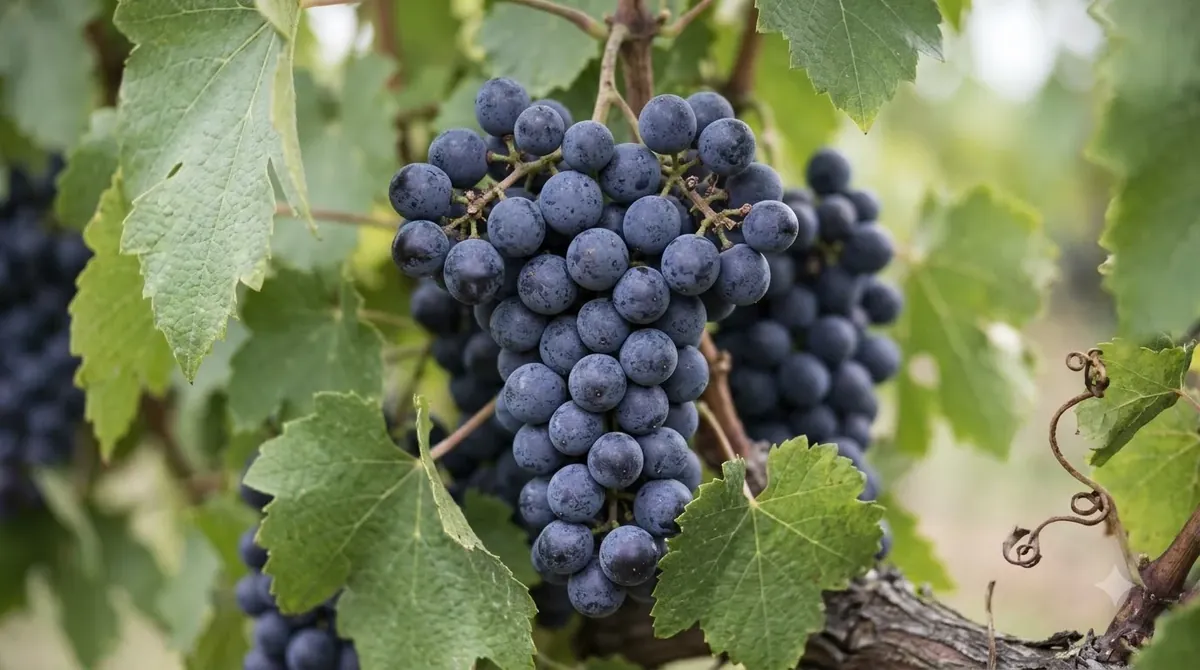
Red Burgundy is prized for its translucent ruby color, bright acidity, and silky tannins. According to Wine Folly’s guide to Burgundy, classic red bottlings show layered notes of black currant, cherry, fresh red fruits, earthy mushroom, and subtle baking spice. White Burgundy spans a wide spectrum depending on where it grows and how it is aged: northern Chablis leans steely, dry, and citrusy with oyster-shell minerality, while oak-aged Chardonnay from the Côte de Beaune develops richer textures of baked apple, hazelnut, and vanilla.
Champagne is defined first by its electric acidity and persistent mousse of tiny bubbles. Non-vintage Brut serves as the flagship dry style, balancing green apple, lemon zest, and white blossom with warm, bready notes of toasted almond and brioche from aging on dead yeast cells. Within Champagne, specialized styles allow the grapes to shine individually: Blanc de Blancs uses 100 percent Chardonnay for razor-sharp citrus and chalky tension, while Blanc de Noirs relies on Pinot Noir and Pinot Meunier for broader structure and red-berry weight.
| Feature | Burgundy (Bourgogne) | Champagne |
|---|---|---|
| Primary Wine Style | Still red and still white wines (plus Crémant) | Sparkling wine (white and rosé) |
| Main Grape Varieties | Pinot Noir, Chardonnay (minor Aligoté, Gamay) | Chardonnay, Pinot Noir, Pinot Meunier |
| Winemaking Focus | Single-vineyard terroir and oak aging | Multi-village blending and second bottle fermentation |
| Key Soil Types | Jurassic limestone, marl, pebbles, and clay | Deep Cretaceous chalk and limestone |
| Typical Serving Temp | 50°F–55°F (whites); 61°F–63°F (reds) | 43°F–50°F depending on age and style |
Where They Grow: Geography and Terroir
Champagne sits roughly 90 miles northeast of Paris in one of the coolest wine-growing climates in Europe, while Burgundy stretches south through central-eastern France along a narrow limestone escarpment. Their proximity explains their shared grape heritage, yet their geological and climatic differences dictate what succeeds in the vineyard.
Champagne’s northern latitude means grapes ripen slowly, retaining high natural acidity and lower sugar levels that are ideal for sparkling base wines rather than full-bodied still reds. Beneath the topsoil lies thick beds of porous Cretaceous chalk left behind by ancient seas. This chalk drains excess rainwater while holding onto just enough moisture during dry spells, and it also allows producers to carve miles of cool, humidity-controlled underground cellars directly beneath Reims and Épernay.
Moving south into Burgundy, the climate turns slightly warmer and more continental, allowing Pinot Noir and Chardonnay to reach full phenolic ripeness for still wines. Burgundy’s heartland, the Côte d’Or, consists of east- and southeast-facing slopes composed of Jurassic limestone and marl with topsoils of eroded pebbles and clay. Because slight changes in elevation or bedrock dramatically alter drainage and sunlight, Burgundy divides its land into 84 appellations and four strict quality tiers: Regional wines, Village wines, Premier Cru, and Grand Cru.
How to Serve Burgundy and Champagne
Proper serving temperature and glassware make a dramatic difference for both wines, as serving either bottle too cold mutes delicate aromatics while serving them too warm exaggerates alcohol or flattens bubbles. Treating each style according to its structure ensures you experience its full aromatic range.
For Champagne, icy temperatures below 43°F numb the palate and lock away subtle yeast and orchard-fruit aromas. According to Bourgogne Wines’ official serving guide, sparkling wines show best around 43°F to 46°F (6°C to 8°C) for young, crisp styles, while older vintage Champagnes benefit from warming slightly toward 50°F or higher to release complex nutty notes. Skip narrow flutes that trap aromas and pour Champagne into a tulip-shaped sparkling glass or a standard white wine glass.
Burgundy requires two distinct serving approaches depending on the color in your bottle. Lively white Burgundies like Bourgogne Aligoté shine around 50°F to 54°F (10°C to 12°C), whereas richer, oak-aged whites from the Côte de Beaune or Grand Cru Chablis open up best between 54°F and 57°F (12°C to 14°C). Red Burgundy should never be served at warm modern room temperatures; aim for 61°F to 63°F (16°C to 17°C) in a wide-bowled Burgundy glass so its perfumed cherry and forest-floor aromas can swirl freely.
Tip: Chilling a bottle in a bucket filled half with ice and half with cold water brings Champagne to serving temperature in about 20 to 30 minutes—much faster and safer than risking a forgotten bottle in the freezer.
Food Pairing at the Table
Champagne acts as a versatile palate cleanser whose bubbles and acidity cut through salt, fat, and fried foods, while Burgundy pairs according to weight and earthy savoriness. Matching the texture of your dish to the structure of the wine makes both regions shine during a meal.
Champagne’s high acidity and effervescence scrub the palate clean after every bite, making it effortless alongside raw oysters, sushi, smoked salmon, salty potato chips, or crispy fried chicken. Richer rosé Champagnes and aged vintage cuvées carry enough body and red-fruit depth to stand up to roast duck, seared scallops in butter, or aged hard cheeses like Comté. If you enjoy pink sparkling wines, comparing champagne vs rose highlights how still rosé and sparkling rosé bring different levels of texture to summer dishes.
Burgundy’s pairings lean deeply into classic gastronomy and savory ingredients. Crisp, mineral-driven Chablis is a natural match for raw shellfish, crab cakes, and goat cheese, while plush, barrel-aged white Burgundy from Meursault complements lobster in cream sauce, roast chicken, or buttery mushroom risotto. Red Burgundy’s bright acidity and low tannins make it one of the most food-friendly reds in the world, pairing smoothly with roast duck breast, boeuf bourguignon, wild mushroom pasta, and cedar-plank salmon.
How to Choose the Right Bottle
Choosing between Burgundy and Champagne comes down to the occasion, your preferred flavor profile, and how you plan to enjoy the bottle. Looking closely at label terms also helps you find great value without overspending on rare flagship labels.
Reach for Champagne when you want immediate celebratory energy, crisp refreshment before dinner, or a single bottle capable of carrying an entire multi-course meal from appetizers through savory main dishes. Look for “Brut” on the label if you want the classic dry profile, or seek out “Grower Champagne” (marked with “RM” in tiny letters on the label) for single-estate bottles that showcase specific village terroir much like Burgundy does. If you prefer noticeably sweeter, lower-alcohol fizz for dessert, exploring champagne vs moscato will steer you toward the right sweetness level.
Choose Burgundy when you want an intimate, contemplative wine experience focused on pure fruit, soil expression, and nuanced aromatics without carbonation. Because top Grand Cru and Premier Cru bottlings are produced in tiny quantities, look for regional labels like “Bourgogne Rouge” and “Bourgogne Blanc,” or explore value-driven villages in the Côte Chalonnaise such as Rully, Mercurey, and Givry. If you love red Burgundy’s bright cherry fruit and silky texture, comparing beaujolais vs burgundy is another great way to discover neighboring French reds made from Gamay.
Frequently Asked Questions
Are Burgundy and Champagne made from the same grapes?
Yes, both regions rely primarily on Pinot Noir and Chardonnay as their flagship grape varieties. However, Champagne also permits Pinot Meunier as a third major blending grape, while Burgundy occasionally uses Aligoté for crisp whites and Gamay for light reds. The difference in taste comes from climate, soil, and sparkling versus still winemaking.
Does Burgundy make any sparkling wine?
Yes, Burgundy produces traditional-method sparkling wine labeled as Crémant de Bourgogne. Made using the same second-fermentation process and the same Pinot Noir and Chardonnay grapes as Champagne, Crémant de Bourgogne offers crisp bubbles and brioche notes at a much more accessible everyday price point.
Which wine is drier, Burgundy or Champagne?
Most still red and white Burgundies are fermented completely dry with virtually zero residual sugar. Brut Champagne is also dry, though winemakers typically add a small amount of sugar called dosage after disgorgement to balance Champagne’s racy northern acidity, making it feel slightly rounder unless labeled Brut Nature or Extra Brut.
Can you age both Burgundy and Champagne?
Both regions produce some of the longest-lived wines in the world, though entry-level bottles are meant to be enjoyed young. Non-vintage Champagne and regional Bourgogne drink best within a few years of release, while vintage Champagne, Prestige Cuvées, and Premier or Grand Cru Burgundies can evolve gracefully in a cool cellar for decades.
Whether you gravitate toward the electric sparkle of Champagne or the quiet, site-specific depth of Burgundy, both regions demonstrate how remarkably versatile Pinot Noir and Chardonnay can be. Start by matching the bottle to your menu and serving temperature, and you will get the best out of either French classic.
More in Wine vs Wine
 Nero d’Avola vs Pinot Noir: Taste, Body, and Pairing DifferencesUpdated Nov 21, 2026
 Chenin Blanc vs Pinot Blanc: Key Differences in Taste, Acidity, and PairingsUpdated Nov 21, 2026
 Chardonnay vs Shiraz: Key Differences in Taste, Serving, and PairingUpdated Nov 21, 2026
 Chardonnay vs Verdejo: How Spain’s Crisp White Compares to the World’s ChameleonUpdated Nov 21, 2026
 Chardonnay vs Sancerre: Key Differences in Taste, Grapes, and PairingUpdated Nov 21, 2026
 Chardonnay vs Malbec: Key Differences in Taste, Body, and PairingUpdated Nov 21, 2026