

We may earn a commission when you buy through links on this page, at no extra cost to you. Learn more.
Champagne vs moscato comes down to sweetness, production method, alcohol content, and flavor: Champagne is usually dry, crisp, and complex, while Moscato is typically sweet, fruity, floral, and lower in alcohol. Champagne comes from northeastern France and undergoes a traditional second fermentation in the bottle. Moscato, particularly Moscato d’Asti from Italy’s Piedmont region, is made from aromatic Muscat grapes and is often gently sparkling. Both can accompany celebrations, but they suit different palates, meals, and occasions.
Choosing between these sparkling wines is easier when you understand what is behind their differences. Champagne is associated with crisp acidity, fine bubbles, and flavors that can include citrus, apple, brioche, and toasted nuts. Moscato is known for peach, orange blossom, apricot, honey, and an immediately recognizable sweetness. Neither style is automatically better. The right choice depends on whether you want a dry aperitif, a sweet dessert wine, a versatile dinner companion, or a lighter celebratory drink.
Champagne and Moscato Have Different Origins and Identities
Champagne and Moscato are not simply two names for sparkling wine. Champagne is a protected regional wine from France, while Moscato refers to a family of wines made from Muscat grapes in several countries, with Moscato d’Asti being one of its best-known expressions.
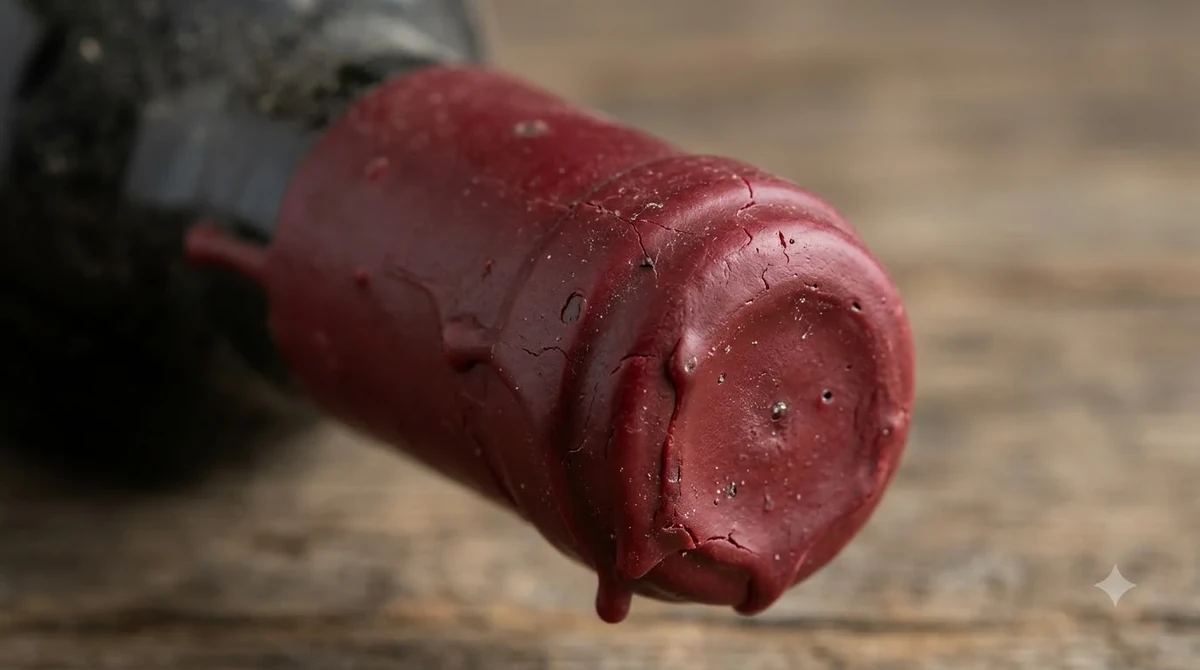
Champagne originates in the Champagne wine region of northeastern France. Its identity is tied to a protected appellation, specific production requirements, and a traditional method of making sparkling wine. The principal grape varieties are Chardonnay, Pinot Noir, and Meunier. These grapes contribute different characteristics: Chardonnay provides freshness and structure, Pinot Noir contributes body and red-fruit character, and Meunier often brings approachable fruitiness.
Champagne producers work across a substantial vineyard area. According to the Comité Champagne, the appellation covers approximately 34,200 hectares, with an average planting density of around 8,000 vines per hectare. Grapes are harvested by hand because regulations require whole clusters to reach the pressing center without damage. These details help explain why Champagne is more than a generic description for celebratory sparkling wine.
Moscato has a different geographic and agricultural identity. The grape name refers to the Muscat family, which includes several varieties known for distinctive floral aromas. Moscato d’Asti DOCG, one of the most recognizable Italian examples, comes from Piedmont in northwestern Italy. Its production area covers 52 towns across the provinces of Asti, Alessandria, and Cuneo, according to Ente Turismo Langhe Monferrato Roero.
Moscato d’Asti uses Moscato Bianco grapes exclusively. The grape naturally produces intense aromas that can resemble orange blossom, peach, apricot, sage, and honey. Unlike Champagne, the wine is generally designed to emphasize the recognizable fragrance and sweetness of the grape rather than the complex effects of extended bottle aging.
There is also an important distinction between Moscato d’Asti and Asti Spumante. Both are Piedmontese wines made from Moscato Bianco, but they differ in their production characteristics and level of carbonation. Moscato d’Asti is generally gentler and less fizzy, while Asti Spumante has a fuller sparkling character.
Tip: Look for Moscato d’Asti DOCG if you want a recognizable Italian expression of Moscato with gentle bubbles and pronounced natural sweetness. A bottle simply labeled Moscato may come from a different region and have a different production style.
Grapes and Production Methods Create Different Styles
The grapes and fermentation methods explain much of the difference between Champagne and Moscato. Champagne uses a blend of permitted varieties and develops its bubbles through bottle fermentation, whereas Moscato d’Asti relies on Moscato Bianco and controlled fermentation that preserves its aromatic fruit character.
Champagne commonly combines Chardonnay, Pinot Noir, and Meunier. Producers can use different proportions to create a particular house style or express a specific vineyard and harvest. According to the Comité Champagne, Pinot Noir accounts for approximately 38% of vineyard plantings, while Chardonnay and Meunier each account for approximately 31%.
Blanc de Blancs Champagne is made exclusively from white grapes, generally Chardonnay. Blanc de Noirs is made entirely from dark-skinned varieties such as Pinot Noir and Meunier. Rosé Champagne can be produced by macerating black grapes or blending red Champagne wine into the base wine.
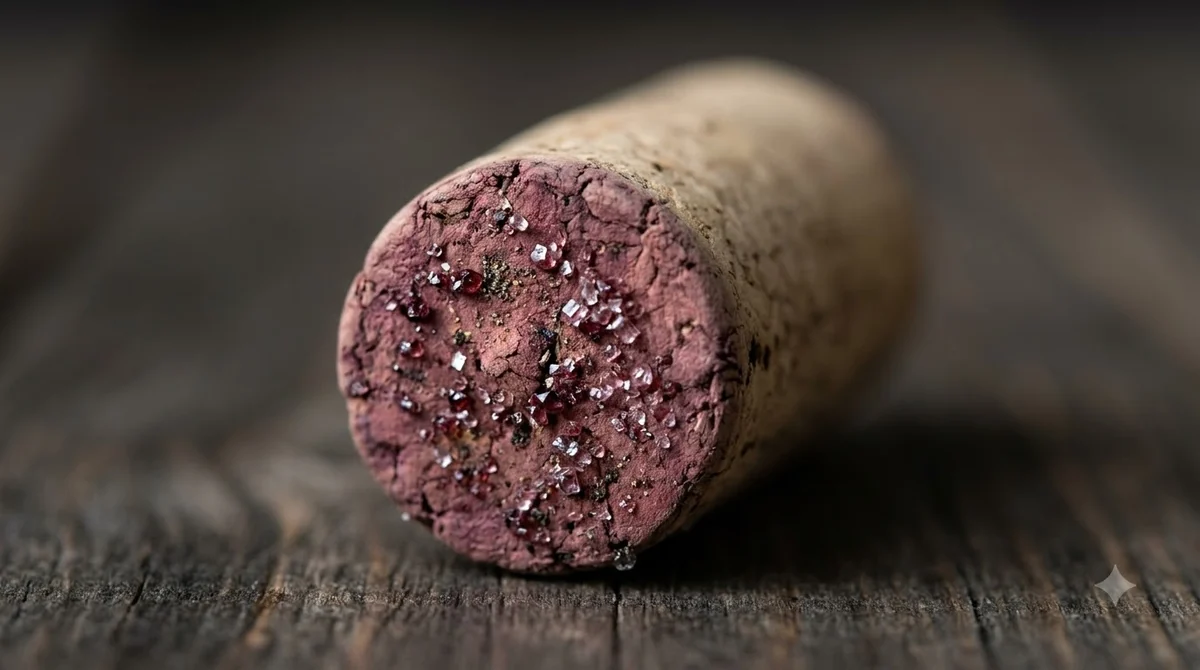
The traditional production method is a defining feature. Producers first make a still base wine. They then add a mixture that triggers a second fermentation inside the sealed bottle. Yeast converts sugar into alcohol and carbon dioxide, with the trapped carbon dioxide eventually forming the wine’s bubbles.
The wine remains in contact with spent yeast cells, known as lees, during aging. This process can develop aromas and flavors associated with bread dough, brioche, biscuits, and toasted nuts. After aging, producers remove the yeast sediment through disgorgement and adjust the final sweetness through dosage. The result is a sparkling wine with fine bubbles, developed texture, and a combination of fresh fruit and more mature aromas.
Moscato d’Asti follows a different approach. Producers generally use temperature-controlled fermentation in tanks to retain the grape’s natural aromatic character. Fermentation is stopped before all the grape sugar is converted into alcohol. This leaves residual sweetness and produces gentle carbonation.
According to the Asti DOCG consortium, fermentation for Moscato d’Asti is halted at approximately 5% alcohol by volume. The resulting wine preserves the distinctive fragrance of Moscato Bianco, including floral, citrus, and stone-fruit characteristics. Tank production also helps preserve the fresh, recognizable fruit aromas that make Moscato popular.
The difference is therefore not just about bubbles. Champagne develops much of its complexity through its traditional production and aging process, while Moscato d’Asti is designed to preserve the expressive aromas of its grapes and a naturally sweet profile.
For additional details about Champagne’s permitted grapes and their individual contributions, see the Comité Champagne explanation of its grape varieties.
Sweetness Levels Make the Biggest Difference
Moscato d’Asti is generally much sweeter than standard Brut Champagne. However, Champagne is produced in several sweetness categories, so a sweeter Demi-Sec or Doux Champagne can narrow the difference or offer a dessert-friendly alternative.
Most Champagne sold in the United States is Brut. According to the Comité Champagne, Brut contains less than 12 grams of residual sugar per liter. It generally tastes dry, although ripe fruit aromas and dosage can give the impression of some sweetness. Brut Nature contains less than 3 grams per liter, while Extra Brut contains between 0 and 6 grams per liter under the official Champagne classifications.
Champagne’s sweetness categories can be confusing because the terminology does not always match everyday English. Extra Dry is actually sweeter than Brut. Sec is sweeter still, followed by Demi-Sec and Doux. This distinction matters if you are selecting a bottle for someone who strongly prefers sweet wine.
Moscato d’Asti is usually noticeably sweet, with residual grape sugar balanced by acidity and gentle carbonation. Its sweetness is not simply a result of added sugar. Fermentation is stopped while a portion of the grape’s natural sugar remains in the wine. This is one reason Moscato has such an identifiable fruity character.
The following table compares the official Champagne sweetness categories with typical Moscato d’Asti characteristics. The Champagne figures come from the Comité Champagne, while Moscato’s alcohol range is a general reference based on regional specifications and wine education information.
| Wine style | Residual sugar | Typical character |
|---|---|---|
| Brut Nature Champagne | Less than 3 g/L | Very dry |
| Extra Brut Champagne | 0–6 g/L | Very dry |
| Brut Champagne | Less than 12 g/L | Dry |
| Extra Dry Champagne | 12–17 g/L | Off-dry to lightly sweet |
| Sec Champagne | 17–32 g/L | Noticeably sweet |
| Demi-Sec Champagne | 32–50 g/L | Sweet |
| Doux Champagne | More than 50 g/L | Very sweet |
| Moscato d’Asti | Varies by producer; typically high | Sweet and aromatic |
The table shows why comparing the word sparkling with the word sweet can be misleading. Champagne is not always bone-dry, and Moscato is not defined by a single fixed sweetness measurement across every producer and style. Nevertheless, a typical Brut Champagne will taste substantially drier than a typical Moscato d’Asti.
For someone who prefers sweet drinks, Moscato is generally the easier starting point. Its sweetness is immediately apparent, and its peach, apricot, and floral aromas reinforce the impression. For someone who enjoys dry white wines, Brut Champagne is usually a better fit.
For a sweeter Champagne option, look for Demi-Sec. It offers a more noticeable sweetness than Brut and can work particularly well with fruit-based desserts and pastries. Doux is the sweetest Champagne category, although it is considerably less common.
Flavor, Aroma, Acidity, and Bubbles Compared
Champagne generally offers a dry, refreshing profile with citrus, apple, pear, and sometimes brioche or toasted-nut notes. Moscato is more immediately aromatic, with peach, apricot, orange blossom, elderflower, and honey-like flavors.
Champagne’s flavor depends on the grape blend, production decisions, and aging. A Chardonnay-led Champagne may emphasize lemon, green apple, chalky impressions, and fresh acidity. Pinot Noir can contribute greater body and red-fruit flavors, while Meunier can give the wine a softer, fruit-forward expression.
Extended contact with lees may introduce additional flavors. Depending on the wine, these can include bread crust, pastry, biscuit, hazelnut, and toast. Older or more developed Champagnes can show a broader range of savory and nutty characteristics, while younger examples tend to emphasize fresh fruit and lively acidity.
Moscato d’Asti has a more recognizable aromatic signature. Orange blossom, wisteria, peach, apricot, citrus, and sage are common descriptors. Some bottles also suggest honey, elderflower, and ripe grapes. The sweetness gives the wine a rounder impression, while acidity helps keep the finish from becoming excessively heavy.
Another difference is carbonation. Champagne is fully sparkling, with a lively stream of fine bubbles and a persistent mousse. Moscato d’Asti is generally gently sparkling, with softer carbonation that feels less forceful. Asti Spumante, however, is more fully sparkling and should not be confused with the lightly fizzy Moscato d’Asti style.
Acidity is important in both wines. Champagne usually has refreshing acidity that cuts through rich foods and keeps its dry profile balanced. Moscato combines sweetness with enough acidity to maintain freshness, especially alongside fruit and lighter desserts.
Neither wine should be judged solely by how sweet it tastes. A Champagne with ripe fruit aromas may seem rounder than its actual sugar level suggests. Similarly, Moscato’s aromatic intensity can make it seem even sweeter than the residual sugar alone would indicate.
For another comparison involving Champagne and a different sparkling style, see our article on Champagne vs rose. It helps clarify how color, grape varieties, and production choices influence the character of sparkling wine.
Food Pairings for Champagne and Moscato
Champagne is generally the more versatile choice for savory meals, particularly seafood, salty appetizers, fried foods, and dishes with creamy textures. Moscato is usually better suited to fruit desserts, pastries, mild cheeses, and spicy dishes that benefit from a sweet, aromatic wine.
Champagne’s acidity and bubbles make it a natural match for foods with salt and fat. Fried chicken, potato chips, oysters, shrimp, and lightly salted appetizers are classic possibilities. The refreshing acidity helps balance richness, while carbonation cleans the palate between bites.
Brut Champagne also works with roasted poultry, soft cheeses, and creamy seafood dishes. A Blanc de Blancs can be particularly appealing alongside oysters, scallops, and delicate white fish. A richer Champagne with more Pinot Noir may suit roast chicken or dishes with browned butter and mushrooms.
However, not every Champagne should be paired with every dessert. A dry Brut can taste sharp beside a very sweet cake because the dessert makes the wine seem even more acidic and less fruity. If dessert is the main event, choose a Champagne with enough sweetness to match it.
Moscato is a particularly natural companion for sweet foods. Its peach and floral aromas complement fruit tarts, strawberries, apricot pastries, and light cream desserts. It also pairs well with hazelnut cake, traditional Italian pastries, and other desserts that emphasize fruit or delicate sweetness.
The general rule is that the wine should be at least as sweet as the dessert. A very sweet chocolate cake may overpower a lightly sweet Moscato, while a fresh fruit tart can work beautifully. Moscato’s gentle bubbles also make it pleasant alongside desserts that would otherwise feel heavy.
Surprisingly, Moscato can work with some savory dishes. Ente Turismo Langhe Monferrato Roero specifically identifies spicy foods as a possible pairing. Its sweetness can provide a useful contrast to aromatic seasoning, particularly in dishes featuring Indian spices.
Blue cheese is another interesting match. The contrast between the salty, intense cheese and the wine’s sweetness creates a balanced combination. Fresh salads, mild cheeses, and some lightly seasoned appetizers can also work well.
One important consideration is chili heat. Alcohol and tannin can amplify the sensation of hot spices, so wines with higher alcohol and pronounced tannins are often less comfortable with very spicy food. Moscato’s relatively low alcohol and sweetness can make it a more approachable option than a stronger, drier sparkling wine.
For a comparison of another sweet Italian sparkling style, our Lambrusco vs Moscato article explains how sweetness, grape varieties, and red-fruit character affect food pairing decisions. You can also explore Merlot vs Moscato for a comparison between a dry red wine and an aromatic sweet white wine.
Alcohol Content, Serving Temperature, and Glassware
Champagne generally contains substantially more alcohol than Moscato d’Asti. A typical Champagne is around 12% alcohol by volume, while Moscato d’Asti commonly falls around 4.5–6.5% according to wine education references.
This difference affects how the wines feel and how they fit into a meal. Champagne has a more conventional sparkling-wine alcohol level and often feels fuller and more structured. Moscato d’Asti is lighter in alcohol and tends to emphasize sweetness, aromatic fruit, and gentle carbonation.
Alcohol content should not be confused with sweetness. A sweet wine does not necessarily contain more alcohol than a dry wine. In Moscato d’Asti, fermentation is stopped early enough to retain natural grape sugar, which helps explain its combination of sweetness and relatively low alcohol.
Serving temperature also influences how each wine tastes. Champagne is best served at approximately 40–50°F. This temperature range helps preserve its bubbles, maintain freshness, and prevent alcohol aromas from becoming too pronounced.
Moscato d’Asti is generally best served well chilled, around 43–50°F. Cooler temperatures help keep its sweetness balanced and its floral aromas fresh. Avoid serving it so cold that the delicate peach, citrus, and blossom notes become difficult to recognize.
A tulip-shaped sparkling wine glass works well for Champagne because it gives the bubbles room to develop while concentrating aromas. A standard flute is another traditional option, particularly for a formal toast. Moscato can be served in a small white wine glass or tulip glass, which allows its floral aromas to become more noticeable.
For either wine, a standard serving is approximately 5 ounces. A 750 ml bottle contains about five such servings. Because Moscato d’Asti is often sweet and lower in alcohol, it may be served in smaller dessert-wine portions depending on the meal.
Tip: Chill Champagne before opening and pour gently to preserve its carbonation. Serve Moscato d’Asti cold enough to keep its sweetness refreshing, but allow it a few minutes in the glass if its floral aromas seem muted.
After opening, Champagne should be resealed with a proper sparkling-wine stopper and stored in the refrigerator. Its quality is generally best within 1–3 days. Moscato d’Asti is also best enjoyed soon after opening because its delicate carbonation and fresh aromatic character can fade relatively quickly.
Which Wine Should You Choose for Different Occasions?
Choose Champagne for formal celebrations, savory meals, and occasions where a dry, complex sparkling wine is appropriate. Choose Moscato for sweet-wine drinkers, fruit-based desserts, casual celebrations, and occasions where a lighter, more aromatic wine is preferred.
Champagne is a natural choice for weddings, anniversaries, milestone celebrations, and elegant dinner parties. Its fully sparkling texture and recognizable dry profile make it suitable for both toasts and food service. A Brut bottle is especially versatile because it can accompany appetizers, seafood, poultry, and many other dishes.
For a special dinner, consider matching the Champagne style to the food. A Chardonnay-focused bottle can work well with seafood and delicate appetizers. A Pinot Noir-led Champagne may provide more structure for roasted poultry or richer savory dishes. A Demi-Sec Champagne is a better direction for fruit desserts than a standard Brut.
Moscato is particularly appropriate for relaxed celebrations, brunches, afternoon gatherings, and dessert courses. Its fragrant character is easy to recognize, even for people who are unfamiliar with wine terminology. Its sweetness can also make it more appealing to people who generally avoid dry wines.
For a birthday dessert table, Moscato d’Asti can accompany strawberries, peach tarts, sponge cake, and light pastries. It can also serve as a refreshing aperitif when guests prefer something sweet and gently sparkling.
There is no reason to treat the two wines as direct substitutes in every situation. If the occasion includes oysters, salty appetizers, and a savory main course, Champagne is generally the stronger choice. If the focus is a fruit tart, a hazelnut cake, or a sweet afternoon gathering, Moscato may be more suitable.
Another useful consideration is the preferences of the people drinking the wine. Guests who prefer crisp Sauvignon Blanc, dry sparkling wine, or other high-acidity wines may appreciate Brut Champagne. Those who enjoy sweet aromatic wines, floral flavors, and ripe fruit may prefer Moscato.
If you are introducing someone to sparkling wine, Moscato can provide an accessible starting point because its sweetness and fruit aromas are immediately recognizable. Champagne can then offer a different experience, showing how fermentation, acidity, and aging create a dry and more complex sparkling style.
For broader comparisons between wine styles, visit our Wine vs Wine collection. Understanding the differences in sweetness, acidity, alcohol, and production is often more useful than choosing a bottle based on its name alone.
Frequently Asked Questions
Is Champagne considered a type of Moscato?
No. Champagne is a protected sparkling wine from northeastern France, while Moscato refers to wines made from Muscat grape varieties. Champagne commonly uses Chardonnay, Pinot Noir, and Meunier, whereas Moscato d’Asti uses Moscato Bianco. Their geographic origins, grape varieties, and production traditions are different.
Can Champagne be made from Muscat grapes?
No, Moscato Bianco is not an authorized grape for Champagne production. The Champagne appellation permits specific varieties, including Chardonnay, Pinot Noir, Meunier, and several less commonly used grapes. A sparkling wine made from Muscat grapes cannot legally be sold as Champagne simply because it uses the same traditional bottle shape or production technique.
Is Moscato d’Asti the same as Asti Spumante?
No. Both wines come from Piedmont and use Moscato Bianco, but they have different production characteristics. Moscato d’Asti is generally gently sparkling, while Asti Spumante has more pronounced carbonation. Asti Spumante also generally develops a higher alcohol content because fermentation proceeds further.
Does Champagne always need to be aged before drinking?
Not every bottle requires additional home aging. Non-vintage Champagne is generally released ready to drink, while vintage examples can have greater aging potential depending on their structure and producer. Proper storage matters: keep unopened bottles away from direct sunlight, temperature fluctuations, and excessive heat.
Why does Champagne sometimes have a vintage year on its label?
A vintage Champagne is made exclusively from grapes harvested during the year printed on its label. Non-vintage Champagne combines wines from different harvests to maintain a consistent house style. This distinction is useful when comparing bottles because vintage wines can express the conditions of a particular growing season more directly.
Champagne and Moscato offer two distinct sparkling-wine experiences: one emphasizes dryness, fine bubbles, and developed complexity, while the other highlights natural sweetness, floral aromas, and approachable fruit flavors. Choose Brut Champagne for savory meals and traditional celebrations, or Moscato d’Asti for sweet desserts and lighter occasions. Understanding their differences makes it easier to select a bottle that suits both the food and the people sharing it.
More in Wine vs Wine
 Nero d’Avola vs Pinot Noir: Taste, Body, and Pairing DifferencesUpdated Nov 21, 2026
 Chenin Blanc vs Pinot Blanc: Key Differences in Taste, Acidity, and PairingsUpdated Nov 21, 2026
 Chardonnay vs Shiraz: Key Differences in Taste, Serving, and PairingUpdated Nov 21, 2026
 Chardonnay vs Verdejo: How Spain’s Crisp White Compares to the World’s ChameleonUpdated Nov 21, 2026
 Chardonnay vs Sancerre: Key Differences in Taste, Grapes, and PairingUpdated Nov 21, 2026
 Chardonnay vs Malbec: Key Differences in Taste, Body, and PairingUpdated Nov 21, 2026