

We may earn a commission when you buy through links on this page, at no extra cost to you. Learn more.
Champagne vs rose comes down to origin, production and style: Champagne is a sparkling wine from France’s Champagne region, while rosé is a pink wine category that can be still or sparkling and comes from wine regions worldwide. Champagne is known for its lively bubbles, refreshing acidity and traditional bottle fermentation. Rosé offers a wider range of colors, flavors, sweetness levels and textures, making it suitable for everything from casual lunches to formal dinners. The two categories can also overlap because rosé Champagne is a recognized sparkling wine style.
Choosing between Champagne and rosé is easier when you understand what each name actually describes. Champagne identifies a wine’s geographical origin and production requirements, whereas rosé describes its color and winemaking style. That distinction affects the grapes, flavor profile, serving temperature, food pairings and occasions for each wine. Understanding these differences also helps prevent a common shopping mistake: assuming every pink wine is rosé in the same sense or that all rosé is sweet and inexpensive.
Champagne and Rosé: Understanding the Fundamental Difference
Champagne and rosé are not two directly equivalent wine categories. Champagne must come from a specific French region, while rosé can be produced in many countries and can be either still or sparkling. Understanding this distinction is the most useful starting point when comparing the two.
Champagne is a protected sparkling wine designation associated with the Champagne region in northeastern France. Its production follows established geographical and winemaking regulations. The principal grapes are Chardonnay, Pinot Noir and Meunier, and the wine undergoes a secondary fermentation in the bottle to develop its characteristic bubbles. Champagne can be white or pink, dry or sweet, light or relatively full-bodied.
Rosé, by comparison, is a wine style identified by its pink color. Producers generally make it from red wine grapes by allowing limited contact between grape skins and juice. The resulting color can range from very pale salmon to deep pink and ruby. Rosé is made in France, Spain, Italy, the United States and many other wine-producing countries.
Another important distinction is that rosé does not automatically mean a sweet wine. A dry Provence rosé, for example, can have crisp acidity and subtle strawberry flavors, while some American rosé styles have more noticeable residual sugar. Likewise, Champagne is not automatically extremely dry. Its sweetness depends on the dosage category printed on the bottle.
The categories can overlap. A bottle labeled rosé Champagne is both Champagne and rosé because it meets Champagne’s geographical and production requirements while having a pink appearance. A bottle of still Provence rosé, on the other hand, is not Champagne simply because it has a similar color.
For readers comparing other sparkling and pink wine categories, understanding prosecco vs rose provides another useful example of how production method and wine style differ.
Grapes and Winemaking Methods
Champagne production relies on regulated grape varieties and bottle fermentation, while rosé production emphasizes controlled extraction of color from dark-skinned grapes. These different approaches explain why Champagne usually has bubbles and rosé can have several distinct textures and structures.
The traditional Champagne grape varieties are Chardonnay, Pinot Noir and Meunier. Chardonnay contributes freshness, citrus character and acidity. Pinot Noir can add body, structure and red-fruit character, while Meunier often contributes approachable fruit flavors and roundness. Producers combine these varieties in different proportions to create their preferred house styles.
Champagne is made using the traditional method, also called the méthode traditionnelle. After the initial fermentation, the base wine is bottled with yeast and sugar to encourage a second fermentation. Carbon dioxide becomes trapped in the bottle, producing the fine bubbles associated with Champagne. The wine then spends time aging on its lees, which can contribute bread, biscuit and brioche characteristics.
Rosé producers have several methods available. Direct pressing involves pressing red grapes relatively quickly so that only a small amount of pigment transfers from the skins into the juice. This method often creates pale wines with delicate fruit and citrus characteristics.
Another method is maceration. Producers leave the juice in contact with red grape skins for a controlled period before separating the juice and fermenting it. Shorter contact generally creates lighter colors, while longer contact can produce deeper colors and more pronounced red-fruit character.
The saignée method involves removing a portion of pink juice from a tank of crushed red grapes. That juice is fermented separately to create rosé, while the remaining grape material continues toward red wine production.
Champagne rosé has two principal production approaches: maceration and blending. In the blending method, producers combine white base wines with a measured amount of still red Champagne wine before the second fermentation. According to the Champagne industry organization, the red component generally represents around 5 to 20 percent of the blend.
The Wine Enthusiast guide to rosé production explains these methods and shows why pink wines can have very different characteristics despite sharing a similar appearance.
Flavor, Aroma and Texture Compared
Champagne typically combines bright acidity, bubbles and layered aromas, while rosé varies considerably according to grape variety, growing region and winemaking technique. The most reliable way to compare them is to consider body, acidity, fruit character and texture rather than color alone.
Traditional white Champagne often shows lemon, green apple, pear and citrus notes. Depending on its aging and production, it may also develop aromas of toasted bread, brioche, almond and pastry. Its bubbles provide a lively texture, and its acidity makes the wine refreshing alongside rich food.
Rosé generally emphasizes red-fruit flavors, although the exact profile depends on the grapes. Common aromas include strawberry, raspberry, watermelon, cherry and red currant. Some examples also show citrus peel, flowers, herbs and mineral characteristics.
A pale Grenache-based rosé from Provence may be light-bodied, dry and delicate. A Mourvèdre-based rosé from Bandol can have greater structure and savory complexity. A Tavel rosé from the Rhône Valley often has deeper color and more substantial texture because of its production style and grape composition.
Champagne rosé occupies an interesting position between the categories. It combines sparkling wine texture with pink-wine fruit characteristics. Strawberry, raspberry and cherry aromas can complement the citrus and pastry notes found in traditional Champagne.
Neither wine has one universal sweetness level. Dry Champagne and dry rosé are both common, but sweeter examples also exist. The grape variety, fermentation choices and finishing decisions influence the final profile.
It is also important to separate acidity from sweetness. A dry wine can taste fruity without containing much residual sugar. Similarly, a wine with pronounced citrus aromas does not necessarily taste sour. Champagne’s lively acidity often creates a crisp impression, while rosé can range from similarly refreshing to softer and rounder.
When comparing two bottles, pay attention to the following characteristics:
- Acidity: Champagne is generally fresh and high in acidity. Rosé ranges from crisp to moderately fresh depending on its origin and grape variety.
- Body: Champagne can be light to medium-bodied, with bubbles contributing additional texture. Rosé ranges from light-bodied Provence examples to fuller-bodied Tavel and Bandol styles.
- Fruit: Champagne commonly emphasizes citrus, apple and pear, while rosé frequently emphasizes strawberry, raspberry and cherry.
- Texture: Champagne has noticeable carbonation. Still rosé has no bubbles, although sparkling rosé is also available.
- Complexity: Extended Champagne aging can introduce pastry and toasted notes, while some rosés develop savory, herbal and mineral characteristics.
Sweetness, Alcohol and Serving Temperatures
Champagne sweetness is classified through regulated dosage terms, while rosé sweetness depends on the individual wine. Both categories can have different alcohol levels, so the label and wine style matter more than color when choosing a bottle.
Champagne commonly appears in Brut style, which contains less than 12 grams of sugar per liter. Other categories include Brut Nature, Extra Brut, Extra Dry, Sec, Demi-Sec and Doux. The sequence is important because Extra Dry is actually sweeter than Brut, despite its name.
Rosé does not follow one universal sweetness classification across all producers and regions. Many European examples are dry, particularly traditional Provence wines. Other rosés can be off-dry or noticeably sweet, especially certain fruit-forward New World styles. White Zinfandel is a familiar American example of a sweeter pink wine, but it does not represent all rosé.
Alcohol levels also vary. Many conventional dry Champagnes fall around 12 percent alcohol by volume, while rosé wines commonly fall within approximately 11 to 14 percent ABV. These are general shopping ranges rather than fixed legal requirements. Individual bottles can fall outside them.
Serving temperature makes a noticeable difference. Champagne should be served cold enough to preserve its freshness and bubbles without suppressing all its aromas. Rosé also benefits from chilling, although a fuller-bodied bottle may show more detail when served slightly warmer than a very delicate example.
| Characteristic | Champagne | Still Rosé |
|---|---|---|
| Typical color | Pale gold to pink | Pale salmon to deep pink |
| Typical alcohol | About 12% ABV | About 11–14% ABV |
| Serving temperature | 40–50°F | 45–50°F for light styles |
| Common fruit notes | Apple, pear, lemon | Strawberry, raspberry, cherry |
| Carbonation | Sparkling | Usually still |
| Common grape varieties | Chardonnay, Pinot Noir, Meunier | Grenache, Cinsault, Syrah, Pinot Noir |
| Common sweetness styles | Brut, Extra Brut, Demi-Sec | Dry, off-dry and sweet |
The serving temperatures in the table are practical guidelines. For Champagne, the 40–50°F range helps preserve its freshness, while light rosé is generally most expressive around 45–50°F. A fuller-bodied rosé can benefit from a slightly warmer serving temperature.
Tip: Chill Champagne thoroughly before serving, but avoid keeping it in the freezer. For rosé, begin around 45–50°F and allow a fuller-bodied example to warm slightly in the glass. Excessive chilling can make both wines seem less aromatic.
Sweetness is especially important when pairing either wine with dessert. The wine should be at least as sweet as the food. A dry Brut Champagne may taste sharply acidic beside a very sweet cake, while a sweeter Champagne or rosé can create a more balanced match.
Food Pairings for Champagne and Rosé
Champagne is particularly effective with salty, fatty and fried foods because its acidity and carbonation refresh the palate. Rosé is more flexible across different cuisines because its grape varieties and production methods produce a wide range of fruit, body and structure.
For Champagne, classic pairings include oysters, shrimp, scallops, fried seafood and soft cheeses. Its acidity cuts through richness, while the bubbles help refresh the palate between bites. Brut Champagne is particularly useful with salty appetizers, roasted chicken and creamy seafood dishes.
Blanc de Blancs Champagne, which is made exclusively from white grapes, often works well with delicate seafood and dishes featuring lemon or fresh herbs. A fuller-bodied Champagne containing Pinot Noir can handle richer preparations such as roast poultry and mushroom dishes.
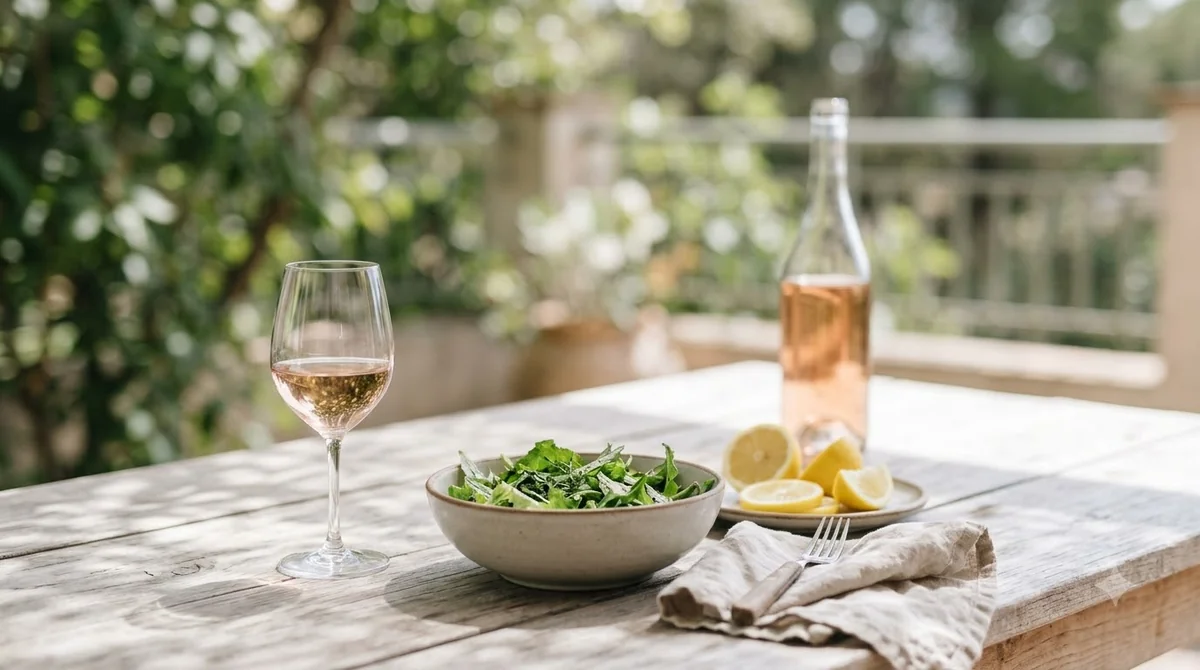
Rosé offers a broader selection of pairing possibilities. A light Provence rosé is a natural companion for grilled shrimp, Niçoise salad, goat cheese, fresh vegetables and chicken. Its delicate fruit and refreshing acidity complement these foods without overwhelming them.
Fuller-bodied rosé can accompany grilled pork, barbecue, duck and lamb. A structured Bandol rosé, for example, can stand up to richer dishes more successfully than an especially delicate, pale wine. Tomato-based pasta, Mediterranean vegetables and charcuterie are also useful choices.
Champagne rosé combines the versatility of pink fruit character with sparkling acidity. It can work with grilled salmon, duck, berry-based appetizers and savory dishes that need both freshness and some additional wine structure.
Consider these pairing principles when selecting a bottle:
- Seafood: Choose Brut Champagne or a crisp, dry rosé for shrimp, oysters and grilled white fish.
- Fried food: Champagne’s bubbles and acidity are particularly useful with fried chicken, tempura and fried seafood.
- Salads: Light rosé pairs well with fresh greens, tomatoes, feta and vinaigrette-based dishes.
- Grilled meat: Fuller rosé can accompany grilled lamb, pork and chicken. A rosé with more structure is preferable for richer preparations.
- Cheese: Champagne works with soft and creamy cheeses, while rosé can complement goat cheese, feta and charcuterie.
- Dessert: Choose a wine with sweetness equal to or greater than the dessert, rather than relying on color or fruit aromas to indicate sweetness.
There are a few combinations to approach carefully. Chili heat becomes more pronounced with wines containing substantial alcohol and tannin, so a high-alcohol, structured rosé may be less comfortable with very spicy food. A fruitier, lower-alcohol rosé can be a better choice. Oily fish can also clash with tannic red wines, although a fresh, low-tannin rosé may work well.
For more detailed food matching, Decanter’s rosé food-pairing recommendations discuss how lighter and fuller-bodied examples suit different dishes.
Choosing Between Champagne and Rosé for Different Occasions
Champagne is a natural choice for formal celebrations, sparkling wine service and special meals, while still rosé is often more suitable for relaxed dining and everyday occasions. The best choice depends on the atmosphere, menu and whether you want bubbles.
Champagne is traditionally associated with weddings, anniversaries, graduations, holidays and milestone celebrations. Its bubbles and distinctive production method make it a recognizable choice for toasts. It also works as an aperitif before a meal or alongside several courses when the style is appropriately selected.
Rosé is particularly useful for outdoor meals, brunches, picnics, barbecues and casual gatherings. Its chilled serving temperature and fruit-forward character make many examples approachable. A bottle from Provence can suit a light lunch, while a deeper Spanish rosado or Tavel rosé can provide more substance for a substantial dinner.
There is no reason to restrict rosé to summer. Fuller-bodied examples can work during colder months with roasted poultry, pork and savory vegetable dishes. Likewise, Champagne does not need to be reserved for a special celebration. A well-chosen Brut can accompany an ordinary dinner just as effectively as a formal event.
For a celebration where you want both color and bubbles, rosé Champagne is an especially suitable option. It has the geographical identity and sparkling production of Champagne alongside the visual appeal and red-fruit character of rosé. It is also a useful choice when guests enjoy pink wines but expect the experience of traditional sparkling wine.
When selecting a bottle, consider these practical questions:
- Do you specifically want sparkling wine? Choose Champagne or another sparkling wine rather than assuming still rosé will have bubbles.
- Do you prefer subtle citrus and pastry aromas? Traditional white Champagne is a strong starting point.
- Do you prefer strawberry, raspberry and watermelon? Explore still rosé from Provence or another rosé-producing region.
- Are you serving a broad selection of casual dishes? A dry rosé can be a flexible choice.
- Are you planning a formal toast? Champagne or rosé Champagne provides the expected sparkling presentation.
Readers interested in other sparkling and sweet wine comparisons can also explore champagne vs moscato. The comparison helps clarify why two sparkling wines can have very different sweetness levels and flavor profiles.
Buying, Storing and Serving the Right Bottle
Choosing a good Champagne or rosé begins with identifying the desired style rather than judging a bottle by its color or label design. Proper storage and serving also help preserve the wine’s freshness, carbonation and aroma.
For Champagne, start by deciding whether you want a traditional white style or a pink rosé version. Then consider the dosage category. Brut is a versatile starting point for many meals, while Extra Brut and Brut Nature suit people who prefer particularly dry sparkling wine. Demi-Sec is a better direction when a sweeter style is desired.
For still rosé, consider the region and grape varieties. Provence is a useful starting point for delicate, dry examples. Tavel offers more structured rosé, while Bandol is known for expressions with additional complexity. Spanish rosado and Italian rosato provide further alternatives, with styles that range from light and crisp to richer and more substantial.
Color should not be the only selection criterion. A very pale rosé is not automatically better than a darker example. Skin contact, grape variety, growing conditions and winemaking decisions all influence appearance and flavor. A deeper color may simply indicate a different production approach.
Storage is important for both categories. Keep unopened bottles in a cool, dark location with a relatively consistent temperature. A temperature near 55°F is a useful general storage target. Traditional cork-finished bottles are generally best stored horizontally to keep the cork from drying out.
Once opened, Champagne should be refrigerated and closed with an appropriate sparkling-wine stopper. Its bubbles generally remain enjoyable for approximately one to three days, although carbonation decreases with time. Still rosé usually retains good quality for around three to five days in the refrigerator when properly sealed.
Serving size also helps with planning. A standard wine pour is approximately 5 ounces, and a 750-milliliter bottle provides about five glasses. For a gathering, calculate the number of guests and expected pours before selecting the quantity.
Glassware makes a difference, too. A flute emphasizes the visual effect of Champagne’s bubbles, while a tulip-shaped sparkling wine glass offers more room for aromas to develop. Still rosé can be served in a standard white wine glass, which provides enough space to appreciate its fruit and floral notes.
For readers comparing other pink wine styles, the distinction between rose vs white zinfandel is especially useful. Both are pink wines, but their typical sweetness, grape composition and flavor profiles can differ considerably.
Frequently Asked Questions
Is Champagne always made from white grapes?
No. Champagne can be made using Chardonnay, Pinot Noir and Meunier, including combinations of white- and dark-skinned grapes. The juice from dark-skinned grapes can remain pale when the skins are separated quickly during pressing. This is why a white Champagne can be made entirely from Pinot Noir or Meunier.
Can Champagne be both pink and dry?
Yes. Rosé Champagne can be produced in Brut, Extra Brut and other dosage categories. Its pink color comes from controlled skin contact or the addition of still red Champagne wine. The color does not determine its residual sugar content, so a pink Champagne can be very dry.
Is rosé Champagne the same as sparkling rosé from California?
No. Rosé Champagne must satisfy the geographical and production requirements of the Champagne appellation in France. California sparkling rosé is produced under different regional rules and may use different grapes and production approaches. Both can be pink sparkling wines, but they do not have the same geographical designation.
Why is Champagne bottled with a special sparkling-wine closure?
Champagne develops substantial pressure during its secondary fermentation in the bottle. Its closure is designed to withstand that pressure and keep the carbon dioxide contained until the bottle is opened. The traditional mushroom-shaped cork is secured with a wire cage called a muselet.
Does the color of rosé become darker as the wine ages?
Rosé can change color during bottle aging, although the direction and speed depend on its grape variety, production and storage conditions. Some pale wines develop more orange or copper tones over time. Fuller-bodied rosés made with structured grape varieties can be designed to develop additional complexity rather than being consumed immediately after release.
Champagne and rosé serve different purposes, but neither is limited to one type of occasion or meal. Choose Champagne when you want sparkling character, regional identity and traditional bottle fermentation, or choose still rosé when you want a wider selection of pink wine styles and food-friendly flavors. If you enjoy both qualities, rosé Champagne offers a practical combination of the two.
More in Wine vs Wine
 Chenin Blanc vs Pinot Gris: Acidity, Body, and Pairing DifferencesUpdated Nov 20, 2026
 Chianti vs Lambrusco: How Tuscany and Emilia-Romagna Reds CompareUpdated Nov 20, 2026
 Chianti vs Primitivo: Key Differences in Taste, Body, and PairingUpdated Nov 20, 2026
 Chianti vs Rioja: Key Differences in Taste, Aging, and PairingUpdated Nov 20, 2026
 Chianti vs Shiraz: How Acidity, Body, and Food Pairings CompareUpdated Nov 20, 2026
 Chianti vs Syrah: Key Differences in Taste, Body, and Food PairingUpdated Nov 20, 2026