


We may earn a commission when you buy through links on this page, at no extra cost to you. Learn more.
For penfolds grange tasting notes, expect a powerful South Australian Shiraz with concentrated dark fruit, savory spice, firm ripe tannins, and a pronounced but integrated American-oak frame. The wine is typically full-bodied and long, with aromas that can suggest blackberry, plum, licorice, cedar, mocha, pepper, and roasted herbs. Exact aromas and blend proportions change with the vintage and bottle age, so a useful note identifies the year as well as the familiar Grange style.
Penfolds Grange is a serious, ageworthy red, but its appeal is not limited to collectors or formal tastings. Understanding its fruit, oak, structure, and regional sourcing makes it easier to recognize what is in the glass, decide when to open a bottle, and choose food that gives the wine room to show its detail. The descriptions below explain the recurring style without suggesting that every vintage tastes identical.
The Signature Flavor Profile
Grange is best understood as a concentrated Shiraz whose dark fruit, savory accents, ripe tannins, and oak seasoning arrive in layers. The broad profile is powerful rather than delicate, yet a well-balanced vintage should show definition and freshness alongside its weight.
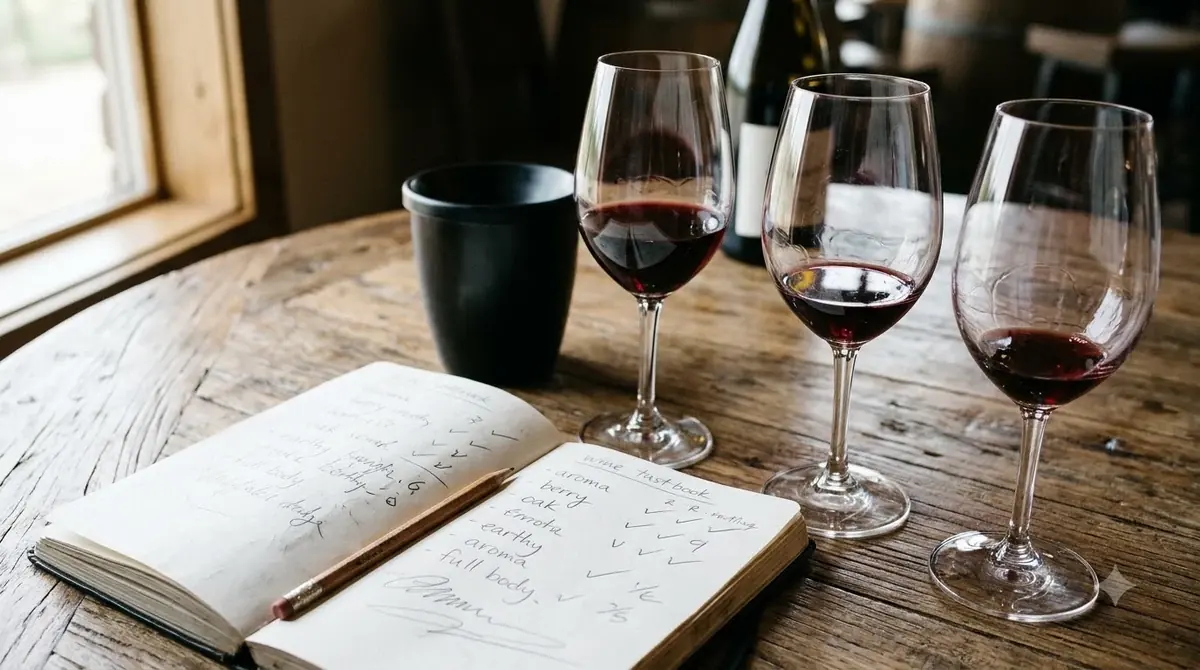
Appearance and aroma
Blackberry, black plum, dark cherry, and cassis are useful starting points for the fruit character. The aroma may also include licorice, anise, cracked black pepper, cedar, dark chocolate, coffee, and sweet baking spice. These are descriptors, not ingredients: the fruit and oak create impressions that resemble these foods and spices. Depending on the vintage, savory notes such as Worcestershire sauce, squid ink, and peppered-meat impressions can sit beside the ripe fruit. Penfolds’ own 2021 note, for example, describes licorice and menthol alongside dark plum and star anise.
Palate and finish
The palate tends to be broad and dense, with a generous middle and a firm structure that carries flavor toward the finish. Ripe Shiraz tannins are a defining feature. They can feel chalky, dusty, or finely textured rather than raw, and they often seem more integrated after the wine has spent time in bottle. The combination of fruit concentration and tannin is a major reason Grange can develop over many years.
Expect a dry finish even when the fruit seems ripe or almost sweet in aroma. The wine’s dark-fruit character does not mean it contains dessert-wine sweetness. Oak-derived impressions of vanilla, mocha, toast, and spice may be present, but they should not erase the fruit. In a balanced bottle, the finish remains savory and persistent, with acidity helping to keep the wine from feeling heavy.
South Australian Sourcing and Oak Maturation
Grange is built around a multi-vineyard, multi-district approach rather than a single-site expression. Penfolds selects ripe Shiraz from South Australian growing areas, then uses blending and American oak to maintain a recognizable house style across different seasons.
The regional mix changes from one vintage to another. Penfolds identifies Barossa Valley, McLaren Vale, and Clare Valley in the 2020 blend; Decanter reports that the 2022 Grange drew fruit from Barossa Valley, McLaren Vale, and Coonawarra. That difference shows that the blend is a vintage decision rather than a fixed recipe. Weather and harvest timing can change the balance of fruit, tannin, and freshness.
American oak is central to the wine’s identity. Penfolds describes partial barrel fermentation and a typical 18 to 20 months of oak maturation. New oak can contribute cedar, vanilla, toast, mocha, and baking spice, but its role is to frame the Shiraz rather than cover its fruit.
Individual releases can sit at different points within that framework. Penfolds lists the 2020 Grange as spending 20 months in American oak hogsheads, all of them new, with 14.5% alcohol by volume. That is a specific vintage example, not a promise that every release has the same alcohol level or maturation schedule. For the producer’s explanation of the style and its place in the range, see Penfolds’ Grange story.
Why Each Vintage Has Its Own Character
The recognizable Grange signature provides a reference point, but vintage conditions and blending choices create real differences from one release to another. A tasting note should therefore separate the house style from the details that belong to a particular year.
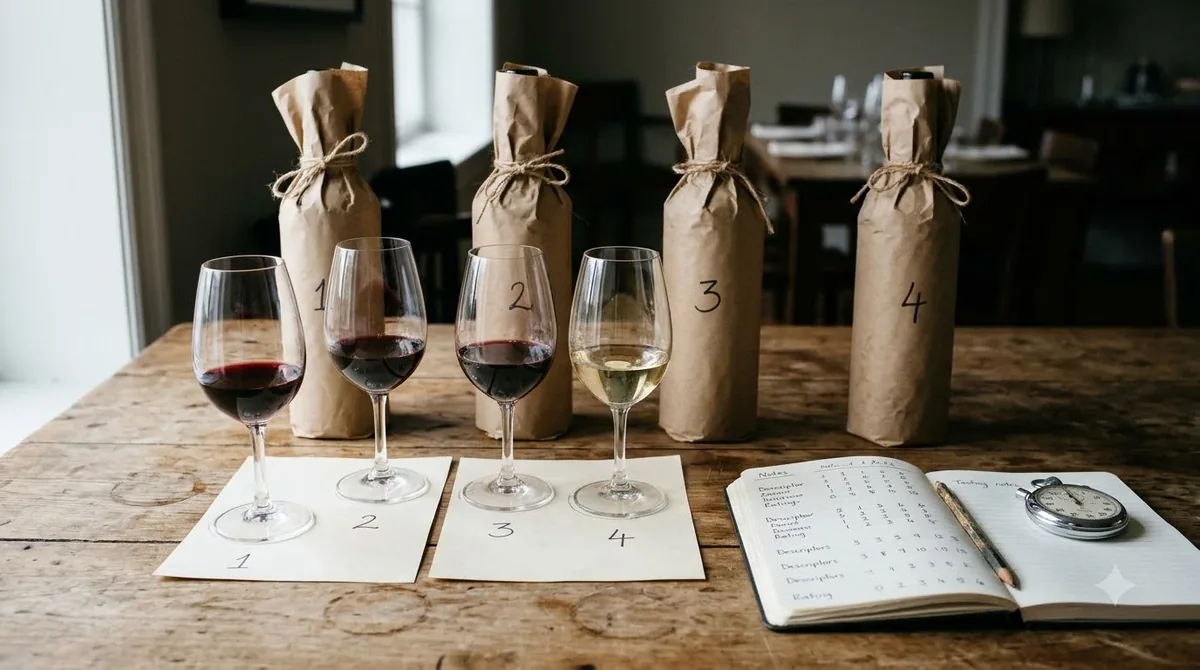
The 2019 vintage offers a clear example of the darker, oak-seasoned profile many readers associate with Grange. Wine Enthusiast describes raspberry and blackberry compote, cedar, licorice, winter spice, seaweed-like umami, and mocha-like oak. Its reviewer also emphasizes a plush palate supported by powerful, integrated tannins. Those descriptors make a useful reference, but they are specific to that review of the 2019 bottle rather than a checklist that every vintage must satisfy. A vintage-specific comparison appears in Wine Enthusiast’s review of the 2019 Grange.
The 2022 growing season demonstrates how weather can shape the finished wine. Decanter reports above-average winter rainfall across South Australia, followed by unsettled spring temperatures, wind, and hail that affected Barossa Shiraz yields. An extended ripening period produced small berries with firm tannin structure. Fruit for that vintage came from Barossa Valley, McLaren Vale, and Coonawarra; Decanter describes the resulting wine as full-bodied and lively, while chief winemaker Peter Gago said it should develop impressively over a very long period.
Use vintage notes as a guide, not a ranking. Read harvest conditions, blend composition, and the suggested drinking window together; those details make the flavor description more useful than general praise.
How to Taste and Serve Grange
Grange is most expressive when it is served cool enough to keep its alcohol and oak in balance, then given time to open in the glass. A measured pour and a little patience make it easier to distinguish fruit, savory notes, tannin, and finish.
Temperature, glass, and first pour
For a full-bodied red, aim for 60 to 65 degrees Fahrenheit. A bottle served much warmer can make alcohol seem more prominent, while one served too cold may mute its aroma and make tannins feel rigid. Choose a large-bowled red-wine glass with room to swirl. A standard 5-ounce serving is a useful reference; a 750-milliliter bottle contains about five such glasses. Smell before swirling, then swirl gently and smell again.
Decanting and tasting sequence
A young, full-bodied red can benefit from 30 to 60 minutes in a decanter, but treat this as a starting point: taste first, then decide whether air is helping. If the wine seems closed or dominated by firm tannin, give it time; if it is already open and balanced, there is no need to decant just because the bottle is prestigious. Older bottles need a gentler approach. Let sediment settle by standing the bottle upright, pour slowly, and taste a small sample before deciding whether to decant, since long exposure to air can tire mature wine.
As you taste, notice whether the fruit is fresh, dried, or cooked; whether oak is supportive or prominent; and whether tannins feel fine-grained or firm. These observations are more useful than trying to identify every possible aroma in one glass.
Food Pairings for Rich Shiraz
Grange is best matched with dishes that have enough flavor and texture to stand beside its dark fruit, oak, and tannins. Roasted or grilled red meats are dependable choices, while salt, fat, and savory cooking juices can make the wine feel more supple.
Roast lamb is a natural match, especially with rosemary, thyme, garlic, or a browned crust. The meat’s savory flavor meets the wine’s black-fruit and spice profile, while its fat helps soften the sensation of tannin. Beef short ribs, a rib roast, grilled steak, and slow-braised beef can work for similar reasons. A sauce built from pan juices, stock, mushrooms, or herbs is usually more comfortable alongside Grange than a sharply sweet glaze.
Duck and game are also worth considering. Roast duck with a crisp skin can echo the wine’s richness, while venison or other game can complement its pepper, dark fruit, and savory depth. Penfolds’ vintage tasting notes have suggested lamb, beef, duck, and game as food partners across different releases. Keep the seasoning balanced: a heavy dose of chili heat can make alcohol and tannin seem hotter, and a very sweet sauce can make a dry red taste harder or more bitter.
Salt and fat tend to soften the perception of tannin, so aged hard cheeses, grilled mushrooms with butter, and richly textured bean dishes can be useful alternatives to meat. Avoid pairing a tannic red like Grange with delicate oily fish; the texture and flavor can clash. A creamy fish dish may be better with a white wine whose acidity and body fit the sauce. For contrast, compare the richer red with Rombauer Chardonnay tasting notes, or consider how the lighter tannin and brighter acidity of Meiomi Pinot Noir tasting notes can suit a different meal. For a celebratory opening pour before dinner, La Marca Prosecco tasting notes offer a sparkling alternative. These contrasts also help explain why wine styles in Wine Brands should be chosen by structure and food, not name recognition alone.
Cellaring and Bottle Care
Grange is made to evolve in bottle, but long-term development depends on storage conditions and the state of the individual bottle. Stable temperature, limited light, and low vibration matter more than trying to predict an exact drinking year from the label alone.
Store an unopened bottle on its side in a cool, dark place near 55 degrees Fahrenheit, with little temperature fluctuation. Avoid a hot garage, a cabinet beside an oven, or a sunny shelf. Keep bottles away from strong odors and unnecessary movement.
Cellaring potential varies with vintage, closure, bottle condition, and storage history. Wine Enthusiast suggested that the 2019 Grange could cellar until at least 2050; Decanter reported Peter Gago’s view that the 2022 could look impressive over a 50-year horizon. These are vintage-specific expectations, not guarantees for every bottle.
Once opened, treat Grange like other still red wines: replace the closure, refrigerate the bottle, and aim to finish it within three to five days. Bring the remaining wine back toward serving temperature before pouring. The refrigerator slows the pace of oxidation; it does not stop it. A half-full bottle generally loses freshness faster than a bottle with only a small amount missing, because more air remains in contact with the wine.
| Practical detail | Guideline | How to use it |
|---|---|---|
| Serving temperature | 60–65°F | Keep a full-bodied red fresh and structured. |
| Cellar temperature | Near 55°F | Store bottles on their side in a stable, dark space. |
| Young red decanting | 30–60 minutes | Use as a starting point, then taste as the wine opens. |
| Standard pour | 5 oz | A 750 mL bottle gives about five standard glasses. |
| Opened still wine | 3–5 days refrigerated | Recork promptly and keep the bottle cold between pours. |
Tip: Before opening a mature Grange, stand the bottle upright long enough for sediment to settle. Open it carefully, pour slowly, and taste a small sample before deciding whether to decant; an older wine may need less air than a young one.
Frequently Asked Questions
These answers cover Grange’s origin, vintage-specific blending, and ways to consult the producer’s historical notes.
Who created Penfolds Grange?
Penfolds winemaker Max Schubert conceived Grange after traveling through Europe in 1950; the first experimental vintage followed in 1951. He aimed to make an Australian red with the structure to mature for decades, drawing on ideas encountered in Bordeaux and Germany.
Why were some early Grange vintages made in secret?
Some Penfolds colleagues objected to the young wine’s style, including its high volatile acidity, and told Schubert to stop production. He continued making later vintages quietly until an internal tasting in 1960 restored confidence in the project.
When did Grange first earn major show recognition?
The 1955 Grange won honors at the Royal Sydney Wine Show in 1962. Decanter later named that same vintage a Wine Legend in 2017, adding another milestone to the wine’s history.
Does every vintage use exactly the same grape blend?
No. The 2020 Grange contained 97 percent Shiraz and 3 percent Cabernet Sauvignon, according to Penfolds, while the wine remains unmistakably Shiraz-led. The proportions are vintage-specific, so use the release note for the bottle being discussed.
Where can readers find tasting notes for older vintages?
Penfolds’ online collection includes a Grange archive covering vintages from 1951 through 2010, alongside separate notes for many later releases. The producer also explains that tasting commentary can evolve as a wine matures, which is why an updated back-vintage note may differ from the description written at release.
Penfolds Grange rewards attention to both its consistent signature and the individuality of each vintage. Focus on the balance of dark fruit, savory detail, oak, and tannin, then serve it at a cool room temperature with food that can meet its depth. A thoughtful pour makes the wine’s structure and long finish easier to appreciate, whether the bottle is young or mature.
More in Wine Brands
 Fonseca Port Price: Compare Bottles, Styles, and ValueUpdated Nov 21, 2026
 Faustino Wine Review: Compare Rioja Styles and Find Your Ideal BottleUpdated Nov 21, 2026
 Fetzer Gewurztraminer Wine Review: Flavor, Sweetness and Food PairingsUpdated Nov 21, 2026
 Fetzer Wine Review: Find the Right Bottle for Your TasteUpdated Nov 21, 2026
 Estancia Cabernet Review: Flavor, Quality and Buying TipsUpdated Nov 21, 2026
 Fess Parker Wine Price: Compare Bottles and Find Your Best FitUpdated Nov 21, 2026