

We may earn a commission when you buy through links on this page, at no extra cost to you. Learn more.
Fess Parker wine price typically ranges from about $7 to $60 for a 750 ml bottle, depending on the grape, vineyard designation, and bottling. More accessible selections include Santa Barbara County Chardonnay, Riesling, and red blends, while vineyard-focused Pinot Noir and Chardonnay generally occupy a higher price tier. Comparing the regional wines with the winery’s single-vineyard selections is the easiest way to find a bottle that fits both your budget and your preferred style.
Fess Parker is a Santa Barbara County winery with a portfolio that covers approachable regional wines and more specialized releases. Its lineup includes Pinot Noir, Chardonnay, Syrah, Riesling, Viognier, and Rhône-inspired blends. That variety makes it important to compare individual bottles rather than assume every wine bearing the Fess Parker name belongs to the same price category. Retail listings also differ by location, availability, vintage, and seller, so the ranges below are useful shopping benchmarks rather than guaranteed checkout totals.
Who This Fess Parker Wine Buying Guide Is For
This guide is for wine shoppers who want to understand the difference between Fess Parker’s more accessible bottles and its vineyard-focused releases before spending money. It is particularly useful if you are comparing Santa Barbara County Chardonnay, Pinot Noir, Riesling, or Syrah and want to know what accounts for the price differences.
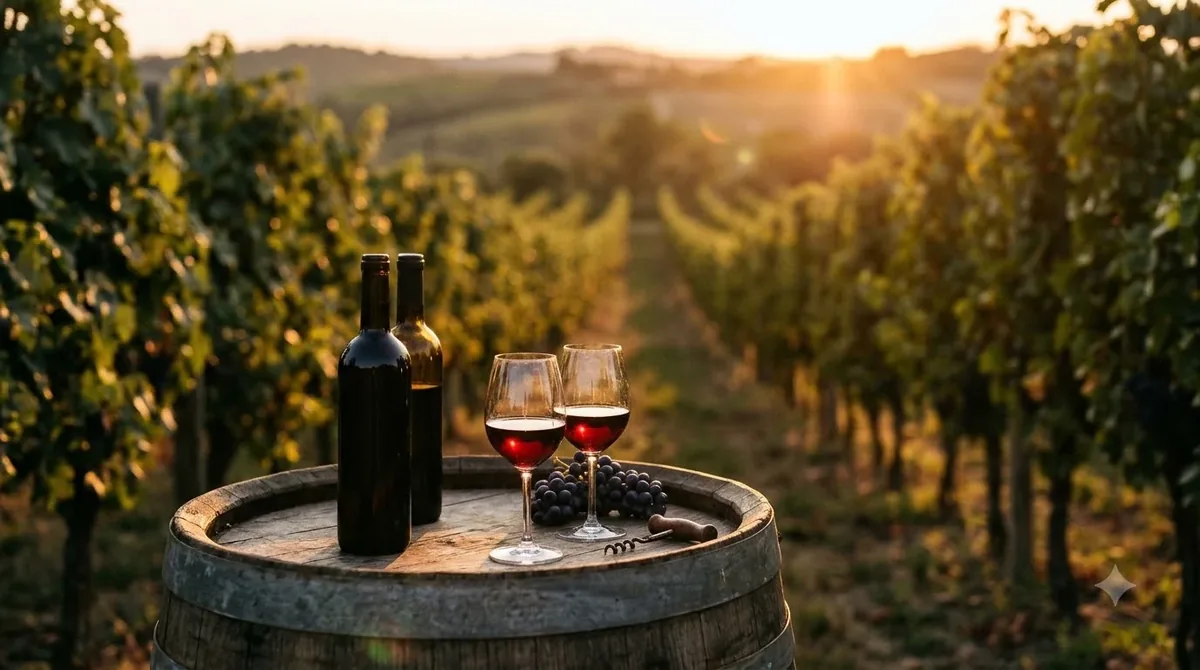
Fess Parker Winery was established in 1989 and became the 11th member of the Santa Barbara County Vintners Association, according to the winery’s official website. Its identity is closely connected to small-lot, vineyard-designated, and clonal-selection wines, especially Rhône and Burgundian varieties. The winery sources grapes for its Burgundian wines through long-term vineyard contracts in the Sta. Rita Hills and Santa Maria AVAs. These details help explain why the portfolio includes both broadly appealing regional wines and more specialized bottlings.
Buyers looking for an everyday bottle should start with the regional selections. A Santa Barbara County Chardonnay or Riesling offers a straightforward introduction to the winery without requiring the commitment associated with a vineyard-specific Pinot Noir. Someone shopping for a special dinner, a collector, or a Pinot Noir enthusiast may find the more expensive selections more interesting because they emphasize particular vineyards or clonal characteristics.
The guide also helps shoppers who are comparing Fess Parker with more widely distributed brands. A producer’s reputation alone does not determine whether a bottle is appropriate for a particular occasion. Grape variety, vineyard origin, style, food pairing, and the intended drinking date all matter. Someone who enjoys lighter reds may prefer Pinot Noir over a more powerful Rhône-style blend, even if both bottles carry similar price tags.
For a broader overview of the producer and its portfolio, see our Fess Parker wine guide. This buying guide concentrates on retail price categories, bottle selection, and practical purchasing decisions.
Key Factors That Determine Fess Parker Wine Price
The biggest price differences come from the wine’s designation, grape variety, vineyard source, and production positioning. A regional Chardonnay and a single-vineyard Pinot Noir can share the same producer name while occupying very different parts of the market.

The following comparison uses approximate US retail ranges reported by GotoLiquorStore for listed Fess Parker 750 ml bottles. The ranges group representative listings rather than promise a particular price at every store. Prices vary by state and retailer, and availability can change between locations.
| Wine or category | Representative example | Approximate US retail range | Buying consideration |
|---|---|---|---|
| Regional Chardonnay | Santa Barbara County Chardonnay | $7–$20 | Accessible white-wine introduction |
| Riesling | Fess Parker Riesling | $10–$20 | Fruit-forward option with refreshing acidity |
| Regional red blends | Frontier Red Lot 82 | $9–$20 | Approachable red for casual meals |
| Regional Pinot Noir | Sta. Rita Hills Pinot Noir | $20–$35 | Entry into the winery’s Pinot Noir range |
| Regional Syrah | Santa Barbara County Syrah | $20–$35 | Richer red with Rhône-variety character |
| Special vineyard Chardonnay | Ashley’s Vineyard Chardonnay | $35–$45 | More specialized Chardonnay selection |
| Special vineyard Pinot Noir | Ashley’s Pinot Noir | $35–$50 | Focused vineyard expression |
| Clonal and vineyard Pinot Noir | Clone 115 and Pommard Clone | $50–$60 | Higher-tier selection for Pinot Noir enthusiasts |
These representative ranges are based on GotoLiquorStore’s listings, which include Santa Barbara County Chardonnay at approximately $7, Riesling at approximately $11, Sta. Rita Hills Pinot Noir at approximately $25, Ashley’s Vineyard Chardonnay at approximately $40, and Clone 115 Pinot Noir at approximately $60. Actual prices vary by state and retailer, and some bottles may not be available in every market.
Vineyard designation is one of the most useful clues when comparing bottles. A regional designation generally communicates a broader geographic origin, while a named vineyard identifies a more specific source. Clonal selections add another level of distinction, making wines such as Clone 115 and Pommard Clone especially relevant to buyers interested in Pinot Noir production.
Vintage also matters. Weather conditions influence grape ripeness, acidity, concentration, and the final character of a wine. Older vintages can sometimes command different prices because of limited availability or collector interest. However, an older bottle is not automatically better value than a younger release. Storage history, drinking window, and personal preference remain important.
Finally, compare the complete purchasing cost rather than the shelf price alone. Shipping, local taxes, retailer availability, and state-specific regulations can affect the amount paid. A bottle purchased directly from the winery may also be subject to different shipping arrangements from one purchased through a local retailer.
Step-by-Step: How to Choose a Fess Parker Bottle
A good purchase starts with a clear budget and a preferred grape variety. Narrowing the choice before comparing vineyard names makes the process easier and reduces the chance of paying more for a style you do not particularly enjoy.
- Set your bottle budget. Decide whether you are looking for an accessible regional bottle, a midrange wine, or a more specialized release. The approximate $7–$20 category provides a starting point for some regional selections, while vineyard-focused Pinot Noir can approach $60 according to GotoLiquorStore’s listings.
- Choose the grape variety. Start with Chardonnay for a fuller white-wine option, Riesling for brighter acidity, Pinot Noir for a lighter-bodied red, or Syrah for a more powerful red. The winery’s official portfolio includes all four varieties.
- Decide whether regional or vineyard-specific wine suits the occasion. Santa Barbara County selections are practical starting points for casual drinking. A named vineyard bottling may be more appropriate for a special dinner or for someone who enjoys comparing differences between vineyard sites.
- Compare the vintage. Look at the vintage year, especially for Pinot Noir and Chardonnay. Different growing seasons can influence fruit concentration and acidity. Avoid paying a premium for an older bottle without considering how it has been stored.
- Check the retailer’s complete listing. Compare the bottle size, appellation, grape variety, vintage, and shipping arrangements. GotoLiquorStore’s listings are useful for identifying the variety of products available, while the official Fess Parker shop provides information about the winery’s own portfolio.
- Match the wine to the meal. Pinot Noir works well with roast chicken, mushrooms, and salmon. Chardonnay can complement poultry, seafood, and creamy dishes. Syrah is a stronger match for grilled beef, lamb, and seasoned vegetables.
- Make the final comparison. Compare at least two bottles in the same general category. A regional Pinot Noir and a vineyard-designated Pinot Noir are more meaningful comparisons than a Pinot Noir and a Riesling with completely different styles.
This method is particularly useful when the retailer offers several Fess Parker wines but only limited information about their differences. A recognizable vineyard name may attract attention, but the best purchase is the wine whose style, intended use, and price align with your preferences.
Tip: If you are buying Fess Parker for the first time, start with a regional Chardonnay, Riesling, or Pinot Noir. Once you know which grape you prefer, move to a vineyard-designated bottle in the same category. This creates a more useful comparison than purchasing several unrelated wines at once.
Fess Parker Wine Types and Styles Explained
Fess Parker’s range covers both Burgundian and Rhône-inspired varieties, along with regional blends and other white-wine selections. Understanding the differences between the main styles is more useful than choosing solely by bottle price.
Pinot Noir
Pinot Noir is one of the winery’s prominent categories, with regional, vineyard-designated, and clonal selections. The lineup includes Sta. Rita Hills Pinot Noir, Ashley’s Pinot Noir, Clone 115 Pinot Noir, and Pommard Clone Pinot Noir. The range gives shoppers several ways to explore how vineyard origin and clonal selection influence the final wine.
The winery describes Ashley’s Pinot Noir with cherry, strawberry, and cranberry flavors alongside spice, clove, toast, and earthy notes. Its official description identifies the vineyard as a hillside site 12 miles from the Pacific Ocean. The winery also suggests a potential cellaring period of 4–7 years for this bottling. Its official Fess Parker wine portfolio provides further information about the vineyard and the winery’s single-vineyard approach.
Pinot Noir generally has low-to-medium tannin and relatively high acidity. That makes it a versatile option with roast poultry, mushroom dishes, pork, and salmon. Serve it at approximately 55–60 F to preserve freshness without making the wine taste too cold.
Chardonnay
Chardonnay is another important category, with regional and more specialized vineyard selections. Santa Barbara County Chardonnay is a sensible starting point for shoppers seeking an accessible white wine. Ashley’s Vineyard Chardonnay is a more specialized alternative for buyers interested in a particular vineyard expression.
Chardonnay generally has medium acidity, although the impression of freshness and richness depends on ripeness, fermentation, and winemaking choices. It can accompany roasted chicken, seafood, creamy pasta, and grilled vegetables. Serve lighter examples around 45–50 F and fuller-bodied examples around 50–55 F.
Riesling and Viognier
Riesling offers a different direction from Chardonnay. Its naturally high acidity makes it a useful choice for food pairing, especially with spicy Asian dishes, seafood, and foods that benefit from refreshing citrus-like character. The winery’s portfolio includes Rodney’s Vineyard Dry Riesling as well as regional Riesling selections.
Viognier is generally more aromatic and fuller in texture, often showing floral and stone-fruit characteristics. The winery’s official portfolio includes Rodney’s Vineyard Viognier. It can work with roasted poultry, aromatic vegetables, and moderately spiced dishes. Serve these fuller white wines at approximately 50–55 F.
Syrah and Rhône-Style Blends
Syrah is a natural choice for shoppers who prefer a more structured red wine. Fess Parker offers Santa Barbara County Syrah and Rodney’s Vineyard Syrah, alongside other Rhône-inspired selections. The Big Easy is another named wine in the portfolio, identified in the retailer’s listings as a Rhône blend.
Syrah generally has medium-plus to high tannin and can deliver darker fruit, pepper, and savory flavors. It works particularly well with grilled meats, lamb, barbecue, and roasted vegetables. A young, full-bodied red may benefit from 30–60 minutes of decanting, and serving it around 60–65 F can help preserve its balance.
For a broader comparison with more widely distributed everyday wine brands, our Barefoot wine guide provides a useful reference point. Shoppers interested in a different type of wine altogether can also compare the sparkling options in our La Marca Prosecco guide.
Common Mistakes When Comparing Fess Parker Bottles
The most common buying mistakes involve treating all wines from the producer as interchangeable, misunderstanding vineyard designations, or assuming that the highest price guarantees the best bottle. A more useful comparison considers grape variety, origin, vintage, and the occasion.
Assuming Every Bottle Has the Same Quality Positioning
A regional Chardonnay and a single-vineyard Pinot Noir are designed to serve different purposes. They differ in grape variety, sourcing, production choices, and intended drinking experience. Their prices should therefore not be compared without considering those distinctions.
The same applies within a single grape category. Santa Barbara County Pinot Noir and a named vineyard or clonal selection may occupy different positions in the portfolio. A higher price can reflect more specific sourcing and positioning, but it does not establish that every drinker will prefer the more expensive wine.
Confusing a Vineyard Name With a Grape Variety
Names such as Ashley’s, Clone 115, Pommard Clone, and Sta. Rita Hills describe different aspects of a wine’s identity. Pinot Noir remains the grape variety in these examples, while the other terms help identify the vineyard, regional origin, or clonal selection.
This distinction matters when shopping online. Two listings may both say Pinot Noir, but one could represent a broader regional wine and another a more specialized selection. Comparing the full product descriptions is more reliable than comparing only the variety name.
Choosing by Price Alone
The cheapest available bottle may be suitable for a casual meal, but it may not provide the style you want for a special occasion. Conversely, spending more on a vineyard-specific release is unnecessary if you simply want a refreshing white wine for a weeknight dinner.
Consider the intended use before comparing prices. A regional Riesling may be more suitable for a spicy meal than a premium Pinot Noir, even if the Pinot Noir occupies a higher retail category. Wine style should come before prestige.
Ignoring Retailer and Vintage Differences
Online retailers may display different vintages, bottle availability, and regional prices. One retailer may have an older release while another lists a newer vintage. This can make two apparently identical products difficult to compare.
Check the vintage, bottle size, shipping cost, and seller location before completing an order. Also consider whether the retailer has stored the bottle appropriately. A wine with a higher shelf price is not necessarily the better purchase if its storage history is uncertain.
Buyers should also avoid treating online starting prices as universal national prices. GotoLiquorStore’s listings provide useful examples, but availability and local pricing can differ considerably across the United States.
Care and Storage Tips for Fess Parker Wine
Proper storage helps preserve the characteristics that make a bottle enjoyable, especially for more expensive Pinot Noir and Chardonnay selections. Temperature stability, protection from light, and appropriate serving temperatures matter more than elaborate storage equipment.
Store Bottles at a Stable Temperature
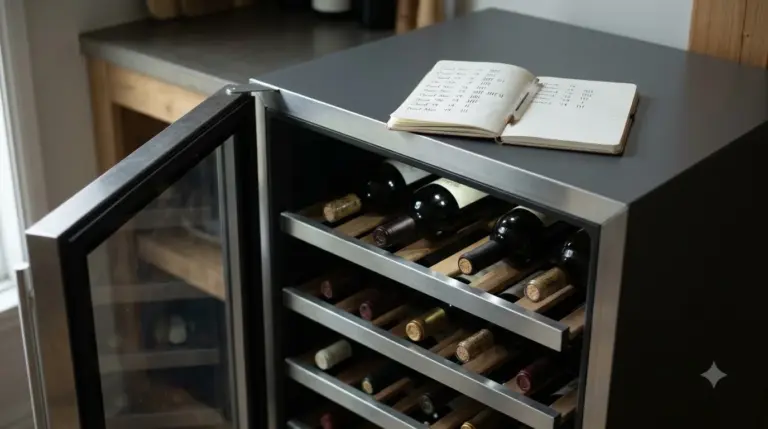
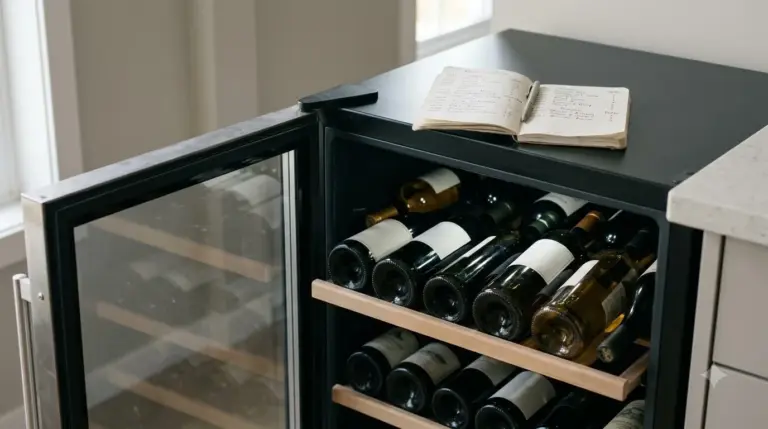
For bottles intended for future drinking, a storage temperature near 55 F is a useful target. Keep bottles away from direct sunlight, radiators, kitchen appliances, and locations that experience large temperature changes. Store cork-finished bottles on their sides to help keep the cork from drying out.
Vineyard-designated wines deserve particular attention if you plan to hold them for several years. The winery’s suggested 4–7-year cellaring period for Ashley’s Pinot Noir provides an example of why the purchase date and intended drinking date should be considered together. That window is specific to the described wine rather than a guarantee for every Fess Parker release.
Serve Each Variety at the Right Temperature
Temperature affects how a wine’s acidity, aroma, body, and tannin are perceived. Pinot Noir is generally more expressive around 55–60 F, while fuller-bodied Syrah is better suited to approximately 60–65 F. Chardonnay can be served between 45–50 F for lighter expressions or 50–55 F for fuller examples.
Riesling is particularly flexible because it can be enjoyed at approximately 45–50 F, allowing its refreshing acidity and aromatic qualities to remain prominent. Avoid serving every wine directly from an excessively cold refrigerator or at a warm room temperature.
Preserve Opened Bottles
After opening a still wine, reseal it and store it in the refrigerator. Most opened still wines remain enjoyable for approximately 3–5 days, although the condition varies with the wine, oxygen exposure, and storage method.
Bring red wine toward its preferred serving temperature before pouring. A young, full-bodied Syrah may benefit from 30–60 minutes of decanting, while a lighter Pinot Noir may require less aeration. Avoid leaving expensive bottles open for extended periods if you want to preserve their fruit and aromatic character.
Plan Purchases Around Shipping Conditions
Shipping is another practical consideration for online wine buyers. The official Fess Parker FAQ states that orders typically ship within 2–5 business days and that the winery uses ice packs during hot summer months to help keep wine cool during transit.
The winery also states that direct-to-consumer shipping is available to most states that permit it, with restrictions varying by destination. Its online FAQ describes flat-rate case shipping options of $20 through UPS Ground or $26 through FedEx Ground. These shipping terms should be confirmed during checkout because regulations, shipping services, and order conditions can change.
For more information about different producers, regions, and grape varieties, explore our broader Wine Brands resource.
Frequently Asked Questions
Is Fess Parker the same company as Epiphany Wines?
They are separate labels within the Fess Parker Family Portfolio. The official wine shop lists Fess Parker, Epiphany, Addendum, and Fesstivity as distinct portfolio selections. Their wines may differ in grape varieties, style, and intended audience.
Where is Fess Parker Winery located?
The winery’s estate tasting room is at 6200 Foxen Canyon Road in Los Olivos, California. Its location places it along the Foxen Canyon Wine Trail, making it a convenient stop for visitors exploring Santa Barbara Wine Country.
Can visitors book a guided vineyard experience?
Yes. The official winery FAQ describes guided library tastings and vineyard tours at Rodney’s Vineyard, in addition to a 90-minute classic tasting. Reservations and the available experiences can vary, so visitors should arrange their visit directly with the winery.
Does Fess Parker offer large-format wine bottles?
Yes. The official wine shop has a separate Large Format category, which includes bottles larger than the standard 750 ml format. Larger bottles can be useful for celebrations and group dinners, but their availability depends on the particular release.
Does Fess Parker offer wine club memberships?
Yes. The official shop identifies several club options, including Fess Parker, Epiphany, Bubble Club, and Syrah Club. Membership arrangements and benefits differ, so prospective members should review the individual club details before joining.
Fess Parker offers a broad range of California wines, from approachable regional selections to more specialized vineyard-designated Pinot Noir, Chardonnay, and Syrah. Start with the grape variety and price category that suit your needs, then compare individual bottlings and vintages before purchasing. For most shoppers, a regional wine is a sensible introduction, while the vineyard-focused selections provide an opportunity to explore the winery’s more distinctive expressions.
More in Wine Brands
 Lussory Wine Price: Compare Bottles, Styles and Buying OptionsUpdated Nov 21, 2026
 Laurent Perrier Rose Review: Taste, Quality and Buying TipsUpdated Nov 21, 2026
 Louis Jadot Wine Review: How to Choose the Right Burgundy BottleUpdated Nov 21, 2026
 Llano Estacado Wine Price: Compare Bottles and Find Your Best FitUpdated Nov 21, 2026
 Luigi Bosca Wine Price: Compare Bottles and Find Your Best ValueUpdated Nov 21, 2026
 Kirkland Signature Prosecco Review: What Buyers Should KnowUpdated Nov 21, 2026