

We may earn a commission when you buy through links on this page, at no extra cost to you. Learn more.
The llano estacado wine price generally ranges from about $8 to $61 per 750 ml bottle, depending on the wine, collection, and retailer. Everyday selections such as Sweet Red, Moscato, and Chenin Blanc occupy the more affordable end of the range, while Cellar Reserve wines, vineyard-designated reds, and specialty releases cost more. Comparing the wine category and bottle size is the easiest way to understand what you are paying for before purchasing.
Llano Estacado offers a broad selection of Texas wines, rather than a single style at one consistent price. Its portfolio includes approachable grocery-store bottles, sparkling wines, sweet selections, traditional varietals, and more ambitious reserve releases. This guide examines typical US retail pricing, explains the differences between the main collections, and shows how to choose a bottle according to taste, occasion, and budget.
Who This Llano Estacado Price Guide Is For
This guide is useful for shoppers who want to compare everyday Llano Estacado wines with the winery’s more expensive selections. Understanding the differences between a standard Moscato, a sweet red blend, and a vineyard-designated Cabernet Franc makes it easier to avoid paying for a style that does not suit your preferences.
Llano Estacado has been producing Texas wines since 1976, according to the winery. Its portfolio includes several distinct categories, making the brand relevant to both casual wine drinkers and people interested in exploring wines associated with Texas wine country. A shopper who enjoys fruity, approachable wines may have different priorities from someone seeking a structured red for a dinner gathering.
The lower-priced selections are particularly relevant to shoppers who want a familiar bottle for an informal meal or gathering. Sweet Red, Sweet Blush, Moscato, and Chenin Blanc provide recognizable flavor profiles without requiring extensive wine knowledge. These selections also offer a practical starting point for people exploring the producer for the first time.
At the other end, the winery’s Cellar Reserve, vineyard-designated, and specialty releases are worth examining when the occasion calls for a more distinctive bottle. These wines include varieties such as Tempranillo, Cabernet Franc, Sangiovese, and Nebbiolo. Their prices reflect a different positioning within the portfolio, although a higher price alone does not establish that a particular bottle will be more enjoyable.
Shoppers comparing Texas wines with widely distributed national brands should also distinguish between everyday retail availability and winery-direct selections. A local retailer may stock only a small portion of the complete collection. The llano estacado wine overview is a useful starting point for understanding the broader selection. Readers comparing accessible supermarket brands can also explore Barefoot wine to understand how another widely distributed producer approaches everyday wine styles.
Key Factors That Affect Llano Estacado Wine Price
The most important pricing differences involve the wine category, production positioning, bottle size, and retailer. A standard sweet wine and a limited-release vineyard wine should not be compared as though they were interchangeable products.
The following ranges provide a practical shopping framework. They are approximate US retail ranges synthesized from the winery’s published collection and listings from major retailers, rather than guaranteed prices for every location.
| Wine category | Typical US retail range | What to expect |
|---|---|---|
| Sweet everyday wines | About $8–$15 | Sweet Red, Sweet Blush, and Sweet Chenin |
| Everyday whites and reds | About $10–$28 | Moscato, Sauvignon Blanc, Merlot, and Chardonnay |
| Specialty everyday selections | About $15–$25 | Selected blends and sparkling offerings |
| Cellar Reserve wines | About $25–$40 | Selected reserve reds and limited releases |
| Vineyard-designated and premium wines | About $35–$61 | Selected Cabernet Franc, Sangiovese, and specialty releases |
| Specialty dessert and fortified wines | About $30–$60 | Port and dessert selections, including smaller bottles |
These ranges need some context. For example, H-E-B lists Sweet Red in the approachable everyday category, while the official winery collection includes reserve and specialty selections at substantially higher prices. The winery’s direct collection is particularly useful for understanding the upper end of the range because it includes wines that may not appear in every supermarket. The official Llano Estacado wine collection displays the different categories and individual bottles.
1. Wine style and grape variety
Grape variety is one of the easiest ways to distinguish the bottles. A sweet red blend is designed around a different drinking experience from a dry Cabernet Sauvignon or a structured Tempranillo. Likewise, a Moscato and a Sauvignon Blanc differ in sweetness, acidity, and typical food pairings.
Sweet wines often appeal to shoppers who prefer noticeable fruit and a softer finish. Dry reds, by contrast, are generally more suitable for people who enjoy firmer tannins and less residual sweetness. The price difference between these styles does not automatically represent a difference in quality; it can reflect their separate market positions and production approaches.
2. Reserve designation and vineyard origin
Llano Estacado’s collection includes standard varietals, Cellar Reserve wines, and bottles associated with named vineyards. The winery lists examples such as Cabernet Franc from Dell Valley Vineyard and Merlot from Lilli of the Vine Vineyard. These distinctions help explain why two wines from the same producer may have very different prices.
A reserve designation is useful information, but it should not be the only reason to buy a bottle. Consider whether the grape, style, and intended occasion justify the additional expense. A shopper who prefers fruity sweet wines may be happier with a less expensive Sweet Red than with a more costly dry reserve Cabernet.
3. Bottle size and retailer
Standard 750 ml bottles dominate the everyday wine category, but specialty wines may use smaller formats. Llano Estacado lists Chairman’s Reserve Port in a 375 ml bottle and Mad Ira’s Dessert Wine in a 500 ml bottle. Comparing only the shelf price without considering bottle volume can therefore create a misleading impression of value.
Retailer pricing is another important variable. H-E-B notes that its listed prices can differ between in-store, curbside, and delivery purchases. Availability also depends on the store, regional distribution, and applicable alcohol-shipping restrictions. Prices vary by state and retailer, so the published ranges should be treated as shopping estimates rather than fixed national prices.
Step-by-Step: How to Choose the Right Bottle
A good purchase starts with the style you actually enjoy, followed by a comparison of bottle size and retailer pricing. The following six steps help narrow the selection without paying extra for features that do not matter to you.
- Decide whether you prefer sweet or dry wine. Start by identifying your preferred sweetness level. Sweet Red, Sweet Blush, and Moscato are natural starting points for shoppers who enjoy noticeable sweetness. Merlot, Cabernet Sauvignon, and Tempranillo are more suitable starting points for people seeking dry red wines.
- Choose a color and general wine style. Decide whether you want a red, white, rosé, or sparkling wine. A fruity white can work well as an informal aperitif, while a dry red may suit a dinner centered on roasted meat or tomato-based dishes.
- Set a spending limit before browsing. For an everyday purchase, begin by comparing the roughly $8–$28 retail category. For a more distinctive occasion, examine the reserve and specialty selections, which can extend from approximately $25 to $61 according to the winery’s published bottle listings. These ranges describe different parts of the portfolio, not a mandatory progression in quality.
- Compare the exact wine name. Do not confuse Sweet Red with Red Blend Cellar Reserve or a standard Merlot with Merlot Cellar Reserve. Similar names can describe wines with different grapes, sweetness levels, and positioning.
- Compare bottle volume and retailer availability. Use 750 ml as the standard reference for most everyday bottles. If a specialty selection is 375 ml or 500 ml, account for the smaller format before comparing its cost with a full-size bottle.
- Match the bottle to the occasion. An easygoing sweet wine may be appropriate for a casual gathering, whereas a dry Tempranillo or Cabernet Franc may suit a more substantial meal. A special bottle is most useful when its style matches the people and food involved.
Tip: Compare the exact wine name, vintage where applicable, and bottle volume before comparing prices. A 375 ml Port should not be treated as directly equivalent to a 750 ml everyday red, even when both carry the same winery name.
One practical approach is to purchase a familiar style first and then explore another category later. Someone who already enjoys sweet red wine might begin with Sweet Red before trying a dry Merlot or Tempranillo. That approach makes it easier to identify whether the difference in price corresponds to a style they actually prefer.
Llano Estacado Wine Types and Price Ranges Explained
The portfolio covers considerably more ground than sweet red wine alone. Understanding its main categories helps explain the price spread and makes it easier to identify the right bottle for different preferences.
Sweet Red, Sweet Blush, and Sweet Chenin
Sweet wines occupy an important place in the brand’s everyday retail selection. Llano Estacado Sweet Red is a particularly recognizable example. H-E-B identifies it as a 750 ml Texas sweet red wine with 12.4% ABV. The retailer describes blackberry character and a hint of mint on the finish. Its Sweet Red product listing at H-E-B provides the product details and retail availability information.
H-E-B also describes Sweet Red as a fruity Texas wine that can help drinkers transition from sweet white wine to dry red wine. This makes it a reasonable choice for someone who wants a sweet red rather than a traditional dry red. Its fruit-forward character also makes it approachable for people who are beginning to explore red wines.
Sweet Blush and Sweet Chenin provide alternatives for shoppers who prefer a different color or grape-based style. The official winery collection lists these wines among its signature sweet offerings. For everyday shopping, approximately $8–$15 is a useful retail budget for this category, based on the winery’s published collection and retailer listings.
Moscato and other everyday whites
Moscato is a useful starting point for white-wine drinkers who enjoy aromatic fruit and a sweeter profile. Llano Estacado’s Moscato is listed by Total Wine in a 750 ml bottle. The retailer describes tangerine zest and key-lime aromatics and reports 10% ABV for its listed product.
Other white selections include Sauvignon Blanc, Chardonnay, Riesling, Pinot Grigio, Chenin Blanc, and Gewurztraminer. These wines do not all taste alike. Sauvignon Blanc typically emphasizes acidity and freshness, while Chardonnay usually has a broader texture and moderate acidity. Riesling can range from dry to noticeably sweet, so it is useful to distinguish the particular bottling before buying.
For everyday selections, approximately $10–$28 is a reasonable comparison range based on Total Wine and the winery’s published collection. The actual price depends on the variety and retailer. Someone looking for a straightforward white for seafood or salads may prefer a crisp Sauvignon Blanc, while a shopper who enjoys sweeter fruit aromas may prefer Moscato.
Dry reds and red blends
The dry red range includes Merlot, Cabernet Sauvignon, Shiraz, Tempranillo, and more specialized varieties. Each offers a different balance of fruit, acidity, and tannin. Cabernet Sauvignon generally has higher tannin, Merlot has medium and softer tannin, and Pinot Noir usually has lower-to-medium tannin with higher acidity.
Tempranillo is an especially interesting option for people exploring red wines beyond familiar international varieties. Llano Estacado lists both standard Tempranillo and Cellar Reserve Tempranillo, along with a bourbon-barrel-aged Winemaker’s Reserve version. Those separate listings demonstrate why the wine’s full name matters when comparing prices.
For shoppers seeking a regular dry red, approximately $15–$28 is a useful working range for selected retail listings. More specialized and reserve reds can extend from approximately $25 to $61 in the winery’s collection. The premium category includes bottles such as Cabernet Franc and Sangiovese, which are positioned differently from everyday supermarket selections.
Reserve and vineyard-designated selections
The Cellar Reserve category is suited to people who want to explore a more specialized part of the winery’s portfolio. Examples include Cellar Reserve Merlot and Tempranillo, along with a limited-release red blend. The official collection also lists vineyard-associated wines such as Cabernet Franc from Dell Valley Vineyard and Merlot from Lilli of the Vine Vineyard.
These bottles can be useful for a dinner where the wine itself is part of the occasion. Tempranillo can pair well with grilled meats and roasted vegetables, while Merlot’s softer tannins make it a flexible option for dishes featuring mushrooms or moderately rich sauces. Cabernet Franc can offer an alternative for drinkers who enjoy savory red-fruit characteristics.
A budget of approximately $25–$40 is a reasonable starting point for comparing selected Cellar Reserve wines, while some vineyard-designated and premium releases extend to approximately $61 in the winery’s published collection. Those figures describe the range of available selections, not a guarantee that every retailer carries every bottle.
Sparkling, Port, and dessert wines
Llano Estacado also lists sparkling white and sparkling rosé, together with Viva Rosso and Viva Limon. These provide alternatives for celebrations and casual gatherings. The best choice depends on whether the drinker prefers traditional sparkling-wine character, a sweeter profile, or a fruit-forward sparkling beverage.
The fortified and dessert selection includes Chairman’s Reserve Port, Cellar Select Port, and Mad Ira’s Dessert Wine. These bottles deserve separate consideration because their serving sizes and intended uses differ from those of ordinary table wine. A 375 ml Port, for example, is a smaller format than a standard 750 ml bottle.
The winery’s published collection places selected sparkling and dessert offerings across a broad price range, with specialty Port and dessert selections reaching approximately $60. Dessert wine is generally best served in smaller pours, and it should be at least as sweet as the dessert accompanying it. This prevents the wine from seeming sour or excessively acidic beside a sweeter dish.
Shoppers interested in comparing sparkling wine styles can also read the La Marca Prosecco overview. Prosecco provides a useful reference point for understanding sparkling wine, although it is a different category from Llano Estacado’s sparkling selections.
Common Mistakes When Comparing Llano Estacado Prices
The biggest purchasing mistakes involve comparing different wine styles, overlooking bottle sizes, and assuming that a higher price automatically means a better match. A little attention to the product description can prevent most of these problems.
Comparing sweet and dry wines as equivalents
Sweet Red and dry Cabernet Sauvignon serve different preferences. Someone who enjoys blackberry sweetness and soft tannins may find a dry Cabernet too firm or less fruity than expected. Conversely, a drinker who wants a structured red may find a sweet blend too sugary for dinner.
Start with sweetness rather than price. If a shopper prefers fruit-forward wine, the sweet category is the logical place to begin. If the goal is a dry red with more tannic structure, Merlot, Cabernet Sauvignon, or Tempranillo may be better choices.
Ignoring bottle size
A 375 ml Port is half the volume of a standard 750 ml bottle. A 500 ml dessert wine is also smaller than a regular table-wine bottle. Comparing the shelf prices without considering these differences can make a specialty bottle seem more expensive than it is on a per-volume basis.
For standard bottles, a 750 ml format provides approximately five 5-ounce glasses. This is a helpful reference for estimating how many servings a bottle will provide for a gathering. Smaller fortified or dessert wines may offer more servings than expected because they are usually poured in smaller amounts.
Assuming every store carries the complete collection
Retailers do not necessarily stock every wine listed by the producer. A supermarket may carry Sweet Red, Moscato, and a few familiar varietals without offering a vineyard-designated Cabernet Franc or a limited-release reserve blend.
The official store locator is therefore useful when searching for a specific bottle. A shopper should also distinguish between wines sold through the winery’s direct collection and selections carried by local retailers. These channels may have different availability and pricing.
Choosing a reserve bottle only because it costs more
Premium pricing does not guarantee a better personal match. A drinker who prefers sweet, uncomplicated wines may not enjoy a dry reserve red more simply because it occupies a higher price category. The difference is meaningful only when the wine’s style and characteristics suit the drinker’s preferences.
It is also important not to assume that every reserve designation means the same thing across producers. Compare the actual grape, named vineyard, vintage, and description rather than relying on the word Reserve alone.
Overlooking retailer price differences
Retail pricing can vary by store, region, and purchasing method. H-E-B specifically notes that its prices may differ between in-store, curbside, and delivery orders. Total Wine also notes that availability and pricing can vary by store for its wine listings.
For a more useful comparison, look at the same wine in the same bottle format across two retailers. This is more meaningful than comparing a standard Merlot with a reserve Tempranillo or comparing a full-size bottle with a smaller dessert-wine format.
Care, Serving, and Storage Tips for Better Value
Proper handling helps preserve the quality of a bottle after purchase. Storage temperature, serving temperature, and how quickly an opened bottle is consumed all influence the drinking experience.
Store unopened bottles correctly
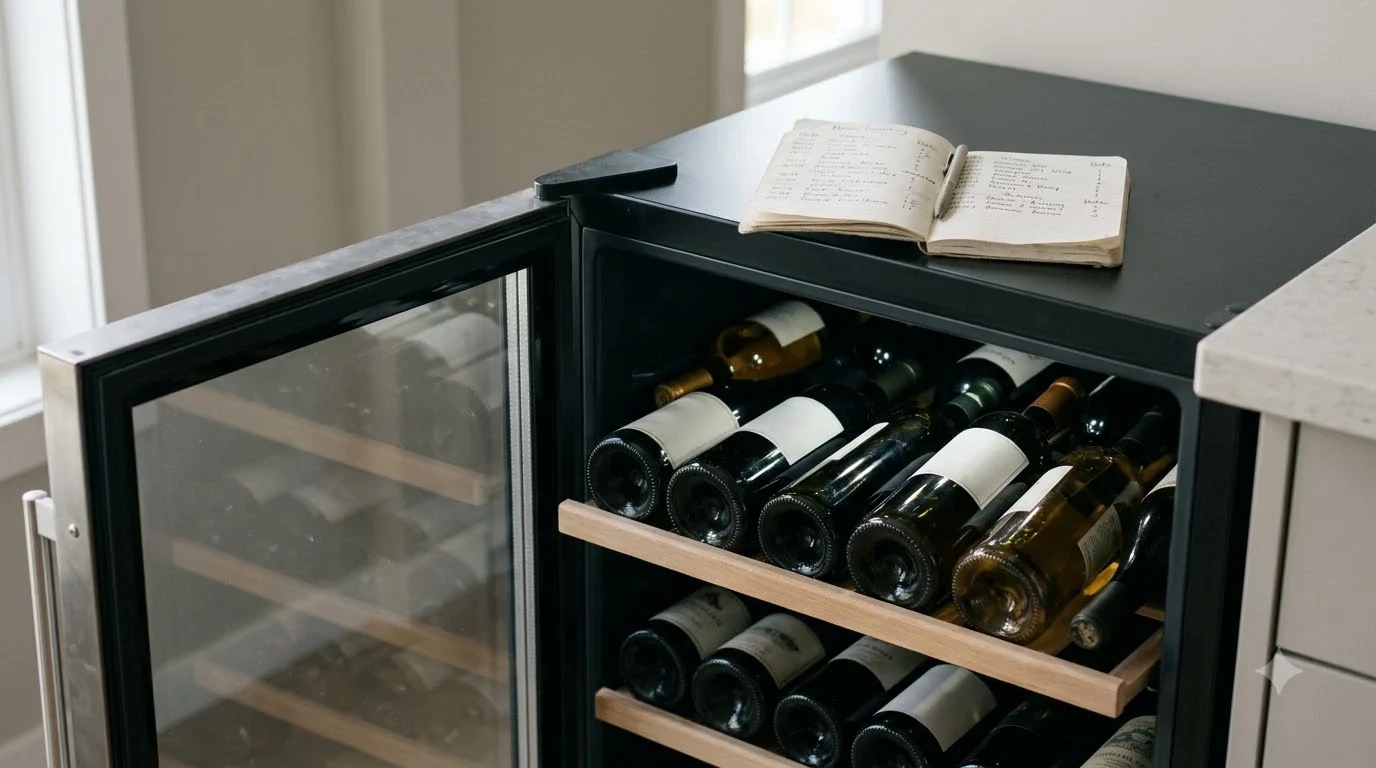
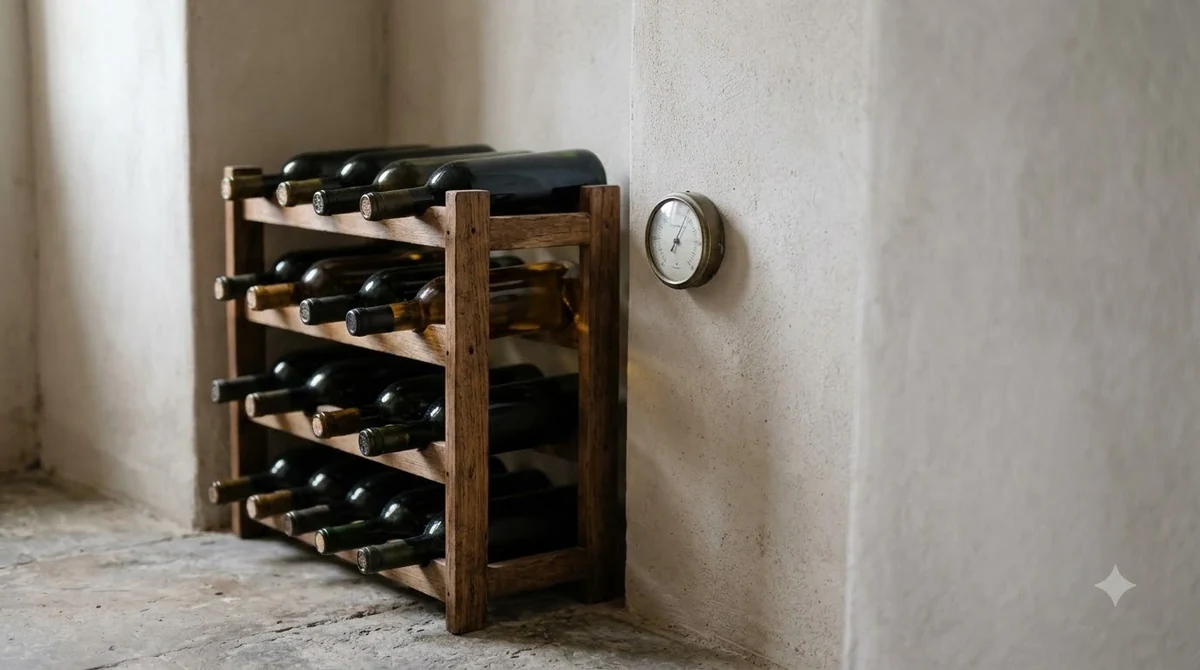
For wines intended to be stored for more than a short period, a cool, dark location near 55 F is a useful target. Avoid leaving bottles in direct sunlight, near heating appliances, or in a vehicle where temperatures can fluctuate substantially.
Bottles sealed with natural cork are generally best stored on their sides so the cork remains in contact with the wine. Consistent temperature is more important than attempting to create a complicated storage arrangement. Everyday sweet wines and inexpensive whites are generally purchased for relatively near-term enjoyment rather than extended cellaring.
Serve each style at an appropriate temperature
Serving temperature can make a noticeable difference. Sweet whites are generally best around 43–50 F, while light whites and rosé are commonly served around 45–50 F. Full-bodied whites work better around 50–55 F.
Light reds are generally served around 55–60 F, while fuller reds are best around 60–65 F. Sparkling wines benefit from cooler service around 40–50 F. These temperatures provide a useful starting point for Llano Estacado’s different styles.
Sweet Red can be served slightly chilled or closer to room temperature, as the retailer’s product description indicates. Chilling can emphasize freshness and make the wine feel more refreshing, particularly in warm weather. A very cold serving temperature, however, can mute some of its fruit aromas.
Handle opened bottles carefully
Once opened, still wines generally keep for approximately three to five days in the refrigerator when properly resealed. Sparkling wine usually has a shorter window of approximately one to three days, depending on the closure and storage conditions. Fortified wines can often last several weeks after opening because of their higher alcohol content and different composition.
Store opened bottles upright in the refrigerator, even when the wine is red. Allow a red wine to warm slightly before serving if it has become too cold. Keeping the bottle sealed between pours limits unnecessary exposure to air.
Match wine with food
Food pairing is another way to get more enjoyment from a bottle without choosing a more expensive selection. Sweet Red can work with barbecue sauces, mildly spicy dishes, and foods with a fruity or smoky profile. Its blackberry character can complement grilled meats when the seasoning includes a touch of sweetness.
Dry Cabernet Sauvignon is generally better suited to richer meat dishes because its tannins interact well with protein and fat. Merlot’s softer tannins make it flexible with roast chicken, meatloaf, and mushroom dishes. Sauvignon Blanc’s higher acidity can work particularly well with salads and seafood, especially when the food includes citrus or other acidic ingredients.
For dessert, choose a wine that is at least as sweet as the dish. A dessert wine that is less sweet than a chocolate or fruit dessert may taste thin or sour in comparison. This simple principle is especially useful when choosing one of the winery’s sweet or fortified selections.
Frequently Asked Questions
Is Llano Estacado a Texas wine brand?
Yes. Llano Estacado identifies itself as a Texas winery and says it has been producing wines since 1976. Its collection includes wines associated with Texas vineyards and the Texas High Plains, alongside selected wines sourced from other regions.
What does the name Llano Estacado mean?
Llano Estacado is the Spanish name for the region commonly called the Staked Plains. The geographical name refers to a large elevated area of the southern High Plains, spanning parts of northwestern Texas and eastern New Mexico.
Does Llano Estacado make wine from more than one grape variety?
Yes. Its collection includes international varieties such as Tempranillo, Sangiovese, Merlot, Chardonnay, and Riesling. The producer also offers blends, so a bottle’s grape composition can differ substantially from another wine carrying the same winery name.
How many glasses are in a standard Llano Estacado bottle?
A standard 750 ml bottle provides approximately five servings when poured in 5-ounce portions. A 375 ml bottle provides roughly half that amount, while a 500 ml bottle offers approximately three full 5-ounce servings with a small amount remaining.
Can Llano Estacado wines be shipped directly from the winery?
The winery provides an online wine collection and shopping information, but delivery eligibility depends on applicable state alcohol-shipping laws. Some destinations restrict direct shipments, so shoppers should verify their state’s rules and the winery’s checkout availability before placing an order.
Llano Estacado offers options ranging from approachable sweet wines to more specialized Texas reds, making it possible to find a bottle for several different preferences and occasions. Compare the exact wine, bottle size, and retailer rather than relying on the brand name alone. For the most complete selection, consult the winery’s collection alongside local retail listings before deciding which bottle fits your budget.
More in Wine Brands
 Yellow Tail Moscato Review: Taste, Sweetness and Serving TipsUpdated Nov 21, 2026
 Wolf Blass Yellow Label Review: Choose Your Best StyleUpdated Nov 21, 2026
 Wolffer Estate Rose Review: Choose the Right Bottle for Your TableUpdated Nov 21, 2026
 Wolf Blass Yellow Label Price: What to Expect for Each BottleUpdated Nov 21, 2026
 Yellow Tail Pinot Grigio Price: Compare Bottle Sizes and Retail CostsUpdated Nov 21, 2026
 Yellow Tail Big Bold Red Price and What Buyers GetUpdated Nov 21, 2026