

We may earn a commission when you buy through links on this page, at no extra cost to you. Learn more.
Fess Parker wine comes from Fess Parker Winery, a family-owned producer in Los Olivos, California, in the Santa Barbara County wine region. The estate focuses on Rhône-style varieties grown on its own land, and it also sources Pinot Noir and Chardonnay from nearby appellations. The winery was founded in 1989, and the brand is still run by members of the founder’s family.
If you have seen the name on a wine shop shelf or a restaurant list and wondered what the brand is about, this guide explains where the wines come from, which styles the winery is known for, and how to choose a bottle that suits your meal. It also covers how the brand fits into the wider Santa Barbara County wine scene.
Who Fess Parker Was and How the Winery Began
The winery takes its name from Fess Parker, who built it as a family project. According to the winery’s own history, he bought the 714-acre Foxen Canyon Ranch in 1988 with the goal of starting a family business. The winery was established the following year, in 1989. Fess Parker died in 2010, and the winery’s website says his wish to remain family owned and operated is still in place, with second- and third-generation family members now running the businesses.
That history matters for buyers because it explains the brand’s identity. The winery presents itself as a family operation rooted in one ranch and one region, rather than a large brand assembled from purchased grapes across the state.
Where Fess Parker Wines Are Grown
The flagship winery sits on the Foxen Canyon Wine Trail in Los Olivos, in Santa Barbara County. The company’s website describes the winery as a top destination for visitors to Santa Barbara Wine Country. Its focus is estate-grown Rhône varietals, which means the grapes come from the company’s own vineyards rather than being bought in.
The winery’s Pinot Noir and Chardonnay are sourced differently. The website says those wines come from the neighboring Sta. Rita Hills and Santa Maria Valley appellations, rather than from the estate. That split is common among producers who want both a home-grown Rhône program and cool-climate Burgundian varieties from nearby districts.
The county itself is a diverse region. The official Santa Barbara County wine site describes many microclimates and lists Pinot Noir, Chardonnay, Syrah, Cabernet Sauvignon, Cabernet Franc, Merlot, Grenache, Petit Verdot and Sauvignon Blanc among the varieties grown there. It names Santa Rita Hills, Santa Maria Valley, Happy Canyon and Foxen Canyon among the sub-appellations, and it notes that cooler sites such as Santa Maria and Sta. Rita Hills contrast with the warmer Happy Canyon.
The Main Wine Styles
Fess Parker’s lineup reflects two sides of the estate. The Rhône-focused wines are the core of the program, and they tend to be full-bodied, fruit-forward and built for food. The Pinot Noir and Chardonnay carry the cooler-climate character of the neighboring appellations, usually with brighter acidity and more restrained fruit.
The winery also makes sparkling wines under the Fesstivity name, which are poured in the Bubble Shack in Los Olivos. Sparkling wine is a good entry point for people who want a lighter, celebratory bottle that still carries the brand’s style.
| Category | Where it comes from | What it tends to suit |
|---|---|---|
| Estate Rhône varietals | Company vineyards on Foxen Canyon Ranch | Roast meats, grilled dishes, hearty meals |
| Pinot Noir | Sta. Rita Hills and Santa Maria Valley, per the winery | Salmon, roast chicken, mushroom dishes |
| Chardonnay | Sta. Rita Hills and Santa Maria Valley, per the winery | Creamy pasta, seafood, roast poultry |
| Fesstivity sparkling | Sold and poured at the Los Olivos Bubble Shack | Aperitifs, celebrations, fried snacks |
How to Serve and Pair Fess Parker Wines
Serve red wines slightly cooler than room temperature, around the cellar range, so the fruit stays bright and the tannins feel smooth. Chardonnay and other whites should be chilled but not icy. For sparkling wine, a standard flute or tulip glass keeps the bubbles lively.
Cellaring is a personal choice. Most everyday bottles from this kind of estate are meant to be opened within a few years of release, while a structured red can gain complexity with more time in a cool, dark, steady-temperature space. If you plan to keep a bottle, ask the winery or a retailer about the vintage and the wine’s stated drinking window, since those notes are more reliable than general rules. Once opened, reseal the bottle and refrigerate it, then bring a red back toward cellar temperature before pouring.
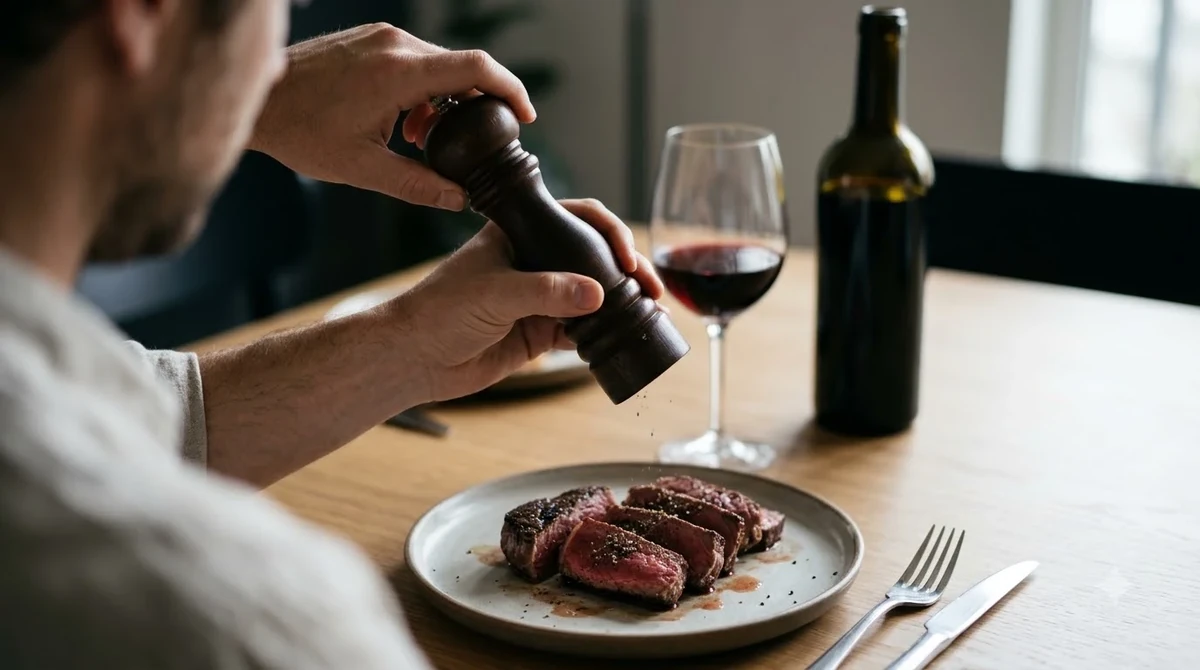
For food, match the weight of the wine to the dish. A fuller Rhône-style red works well with grilled lamb, pork shoulder or a rich mushroom stew. The Pinot Noir pairs with salmon and roast chicken because its acidity cuts through the richness. Chardonnay from the cooler appellations suits creamy pasta and seafood. Sparkling wine is versatile enough for appetizers and salty snacks.
Choosing a Bottle From the Winery
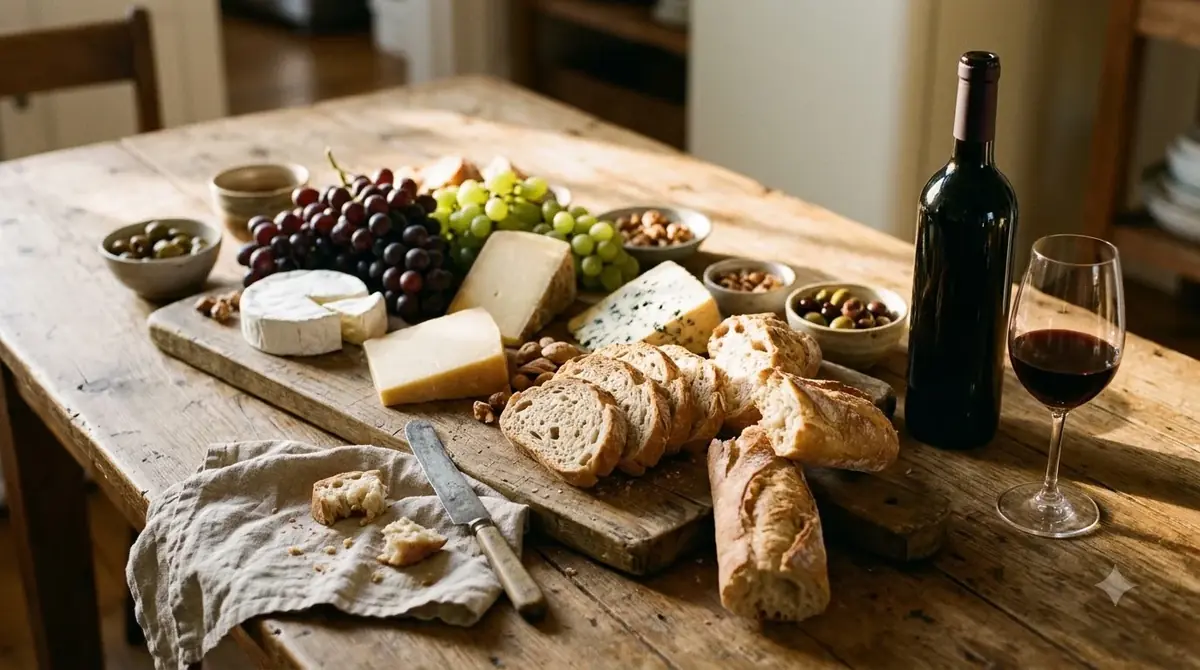
If you are new to the brand, start with the style that matches your meal. A red with more body is a safe choice for a dinner built around meat, while a Pinot Noir or Chardonnay is easier to pair with lighter dishes. When you shop, check the back label for the appellation, since the same winery can source grapes from more than one area. That information tells you whether a bottle reflects the estate or the nearby cool-climate fruit, and it gives you a clearer sense of what the winery is trying to show in that particular wine. A bottle sourced from a cooler site will usually taste leaner and more savory, while estate fruit from a warmer valley tends to show more ripe fruit and a rounder texture.
It also helps to read the winery’s own descriptions and compare them with third-party reviews. Reviewers at wine publications often note how a wine’s acidity and oak treatment change from vintage to vintage, which can shift the taste even within the same label. For a wider look at how brands position their wines, the wine brands section of this site is a useful next step.
Many buyers also compare Santa Barbara County producers with other American wine brands. If you are exploring the broader category, the A to Z Wineworks guide shows how a producer’s style can differ across regions, which is helpful when you are choosing between a local Santa Barbara bottle and a wine from another valley.
Frequently Asked Questions
Where is Fess Parker Winery located?
The flagship winery is on the Foxen Canyon Wine Trail in Los Olivos, California, in Santa Barbara County. The company also operates tasting rooms in Los Olivos and in the Funk Zone of the city of Santa Barbara.
Is Fess Parker still family owned?
The company’s website says the family wants to keep the business family owned and operated. Second- and third-generation family members now run the businesses after the founder died in 2010.
What grapes does Fess Parker focus on?
The winery highlights estate-grown Rhône varietals. It also produces Pinot Noir and Chardonnay, which the company says come from the neighboring Sta. Rita Hills and Santa Maria Valley appellations.
Does the winery make sparkling wine?
Yes. The winery offers Fesstivity sparkling wines, which are poured at its Bubble Shack in Los Olivos. They suit aperitifs and celebrations.
Fess Parker wines reward readers who want to know where a bottle comes from. Start with the style you enjoy, check the appellation on the label, and pair the wine with food that matches its body and acidity. For more on how producers present their brands, return to the wine brands section of this site.
More in Wine Brands
 Underwood Wine Price: Compare Bottles, Cans, and Pack SizesUpdated Nov 21, 2026
 Zenato Wine Price: Compare Styles and Choose the Right BottleUpdated Nov 21, 2026
 Zuccardi Wine Price: Compare Bottles and Find the Right RangeUpdated Nov 21, 2026
 Yellow Tail Moscato Review: Taste, Sweetness and Serving TipsUpdated Nov 21, 2026
 Wolf Blass Yellow Label Review: Choose Your Best StyleUpdated Nov 21, 2026
 Wolffer Estate Rose Review: Choose the Right Bottle for Your TableUpdated Nov 21, 2026