

We may earn a commission when you buy through links on this page, at no extra cost to you. Learn more.
The typical lussory wine price in the United States is about $21 to $28 for a 750 ml bottle, depending on the variety and collection. Lussory specializes in non-alcoholic wines, with choices including Merlot, Tempranillo, Chardonnay, Airén, rosé and sparkling Brut. Its Organic collection and decorative Gold 24K sparkling wine provide additional options for shoppers comparing styles and occasions.
Lussory occupies a distinctive position in the wine market: it offers wine-style drinks made through dealcoholization rather than conventional alcoholic bottlings. That distinction matters when comparing prices because shoppers are paying for the original grape varieties, winemaking and alcohol-removal process, as well as the finished bottle. The standard Premium collection covers several familiar wine styles, while the Organic range targets buyers looking for certified organic options. Understanding the differences makes it easier to choose a bottle that suits a meal, gathering or everyday occasion without paying for features that are not important.
Who Should Compare Lussory Wine Prices?
Lussory is worth considering for shoppers who want recognizable wine varieties without the alcohol, particularly those who enjoy Spanish grape styles such as Tempranillo and Airén. Its lineup also includes Chardonnay, Merlot, rosé and sparkling Brut, giving buyers several options instead of restricting them to one general-purpose white or red alternative.
The brand is marketed as a non-alcoholic wine collection with several distinct product categories. Its lineup includes conventional Premium bottlings, an Organic collection and the distinctive Gold 24K sparkling wine. This breadth makes it useful to compare the complete lineup rather than assuming every Lussory bottle has the same price or drinking purpose. The Lussory wine overview is a useful starting point for understanding the individual styles.
First-time buyers may prefer a standard Premium bottle before moving to the more specialized Organic or sparkling options. A shopper interested in red wine can begin with Merlot or Tempranillo, while someone who usually drinks white wine can compare Chardonnay with Airén. Those who want something for a toast may find Brut sparkling more suitable than a still wine.
Lussory can also interest households that want a non-alcoholic option alongside conventional wines at dinner. A bottle of dealcoholized wine can provide familiar grape-based aromas and a wine-like serving experience, although its texture, body and finish will not necessarily match an alcoholic wine made from the same grape. Expectations should reflect the different production process.
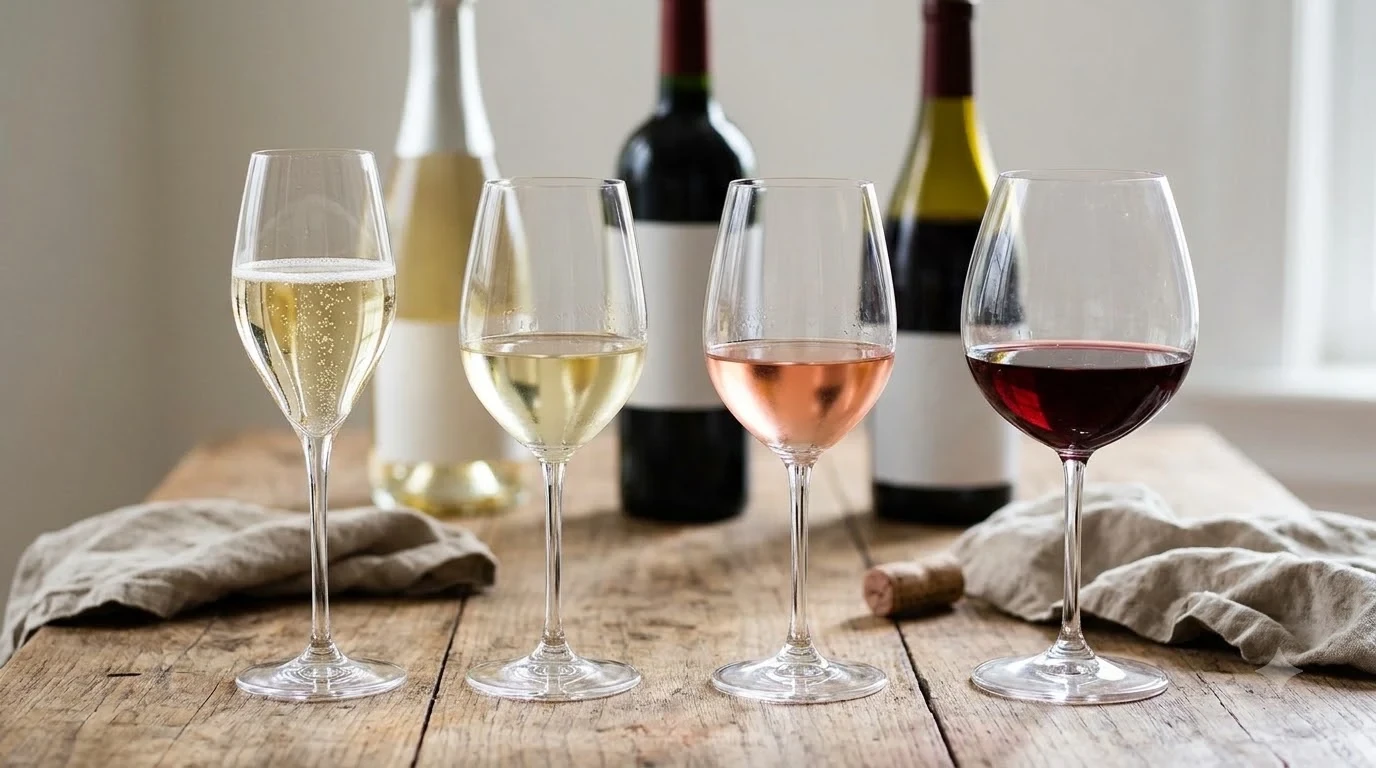
It is also useful for hosts planning an event where guests have different beverage preferences. A still red, chilled white and sparkling bottle offer three distinct serving choices. Instead of buying several bottles of the same variety, shoppers can select styles that work with different courses and occasions.
Key Factors That Affect Lussory Wine Price
The main factors are the wine variety, production range, bottle format and retail channel. The difference between a standard Premium bottle and an Organic or sparkling selection can be meaningful, so comparing the product name alone is not enough.
Drink Point Zero’s US retail listings place several Lussory Premium bottles at about $21 to $28 per 750 ml bottle. Its listings include Premium Airén at the lower end, standard red and white selections around the middle, and Premium Brut Sparkling toward the upper end. The retailer also lists Organic Merlot and Organic Chardonnay at approximately $28. These are observed retail prices, not guaranteed national prices. Prices vary by state and retailer, and shipping or local availability can change the total purchase cost.
| Lussory style | Main grape or category | Typical US retail range | Buying consideration |
|---|---|---|---|
| Premium Airén | Airén | About $21–$25 | Still white alternative |
| Premium Merlot | Merlot | About $24–$25 | Fruit-focused red option |
| Premium Tempranillo | Tempranillo | About $24–$25 | Spanish-style red alternative |
| Premium Chardonnay | Chardonnay | About $24–$25 | Still white option |
| Premium Rosé | Rosé | About $24–$25 | Chilled pink wine alternative |
| Organic Merlot | Organic Merlot | About $28 | Organic red selection |
| Organic Chardonnay | Organic Chardonnay | About $28 | Organic white selection |
| Premium Brut Sparkling | Sparkling Airén | About $25–$28 | Celebrations and aperitifs |
The ranges above are shopping estimates based on Drink Point Zero’s listings for Lussory products and beClink’s listed 750 ml bottles. For example, Drink Point Zero lists Premium Merlot and Chardonnay at approximately $25, while beClink lists Premium Merlot at $24.99 and Sparkling Brut at $25.99. Individual listings and stock can change, so compare the same bottle size and style when evaluating different stores. Prices vary by state and retailer.
Another important consideration is the bottle format. A 750 ml bottle is the standard retail format shown by several US retailers. Some retailers also offer multipacks, so distinguish a single-bottle listing from a multipack before comparing the displayed amount. A six-bottle package contains 4.5 liters, which makes the cost per bottle a more useful comparison than the total package price.
Retailer descriptions also matter. A bottle of Premium Merlot and a similarly priced bottle of another non-alcoholic wine may have different grape origins, production methods and flavor profiles. The comparison should therefore include the wine’s variety, alcohol statement, organic certification where relevant and serving purpose.
Step-by-Step: How to Find the Right Lussory Bottle
A sensible purchase begins with the occasion and preferred wine style, followed by a comparison of the actual bottle format and retailer listing. These steps help prevent confusion between the regular Premium range, Organic products and sparkling alternatives.
-
Decide whether you want still or sparkling wine.
Choose a still wine if the bottle is intended for a meal. Select Brut sparkling if you want bubbles for an aperitif, celebration or toast. These styles serve different purposes even when their bottle sizes are identical.
-
Choose a grape variety.
For a red alternative, compare Merlot and Tempranillo. For white wine, consider Chardonnay or Airén. Rosé offers a different middle ground for shoppers who prefer a chilled pink drink.
-
Choose between Premium and Organic.
The Premium range covers a wider selection of conventional wine styles, including Merlot, Tempranillo and Airén. The Organic range includes Merlot, Chardonnay and Brut sparkling selections identified by the producer as organically certified.
-
Compare the bottle size and listed quantity.
A 750 ml bottle is the standard retail format shown by several US retailers. Distinguish an individual bottle from a multipack and calculate the equivalent cost per bottle before deciding.
-
Check the alcohol statement.
Lussory promotes its Premium and Organic selections as 0.0% alcohol products. Confirm that the specific product listing identifies the intended 0.0% version, particularly when comparing different products or retailer descriptions.
-
Compare US retailers.
Look at the listed bottle price, shipping arrangements, stock status and delivery location. For example, Drink Point Zero and beClink both carry Lussory selections, but their available varieties and product descriptions may differ.
-
Buy one bottle before choosing a multipack.
Try the preferred grape variety first. If the flavor and serving style meet expectations, a multipack may become a more practical purchase for regular use.
Tip: Start with a Premium Merlot or Chardonnay if you are unfamiliar with Lussory. These familiar grape varieties make it easier to understand the brand’s dealcoholized style before spending more on Organic or sparkling selections.
This approach also helps buyers distinguish between a genuinely useful price difference and a difference caused by bottle quantity. A multipack can look more expensive than an individual bottle at first glance, but the relevant comparison is the cost per 750 ml bottle. For example, six standard 750 ml bottles represent 4.5 liters of wine, so the package should be evaluated against six individual bottles of the same product.
Lussory Wine Types and Styles Explained
Lussory’s main advantage is variety: shoppers can choose from several still wines, a rosé, sparkling Brut and organic alternatives. The most useful distinction is between the grape variety and the production category, since both influence what the finished drink is intended to resemble.

Premium Merlot
Merlot is a familiar red grape associated with softer tannins than Cabernet Sauvignon and a rounded fruit profile. Lussory Premium Merlot is positioned as a Spanish dealcoholized red. Drink Point Zero describes it as full-bodied, while beClink highlights cocoa, pomegranate and fine tannins in its product description.
This is a logical choice for someone who normally drinks approachable red wines. Consider serving it with grilled vegetables, mushroom dishes, tomato-based pasta or mild cheeses. Its intended red-wine character makes it more suitable for those occasions than a sparkling white alternative.
Premium Tempranillo
Tempranillo is one of Spain’s best-known red grapes and provides another direction for shoppers who prefer red wine. Lussory’s Premium version is listed as a 0.0% dealcoholized wine, with retailer descriptions emphasizing black cherry and a dry, gently tannic finish.
It is worth comparing with Merlot rather than assuming the two wines will taste interchangeable. Tempranillo is often associated with savory and red-fruit characteristics, while Merlot commonly offers a softer impression. The choice depends on the flavor style preferred before alcohol removal.
Premium Chardonnay
Chardonnay is the familiar white-wine option in the range. Drink Point Zero describes Lussory Premium Chardonnay with cinnamon, golden apple and soft herbal notes. That profile makes it a possible choice for chicken, creamy vegetable dishes, roasted poultry and mild cheeses.
Serve it chilled rather than at refrigerator-freezing temperatures. A serving range of approximately 50–55°F works well for fuller white wine styles, allowing more of the aromas to emerge than an extremely cold pour.
Premium Airén
Airén is a traditional Spanish white grape, and Lussory uses it for a still white option as well as its sparkling Brut. It can appeal to buyers looking for a lighter white-wine alternative rather than a red or more structured Chardonnay.
Airén is particularly useful for casual lunches and simple appetizers. Try it with salads, mild seafood dishes, rice dishes and fresh cheeses. Its positioning also makes it a practical first bottle for someone who wants to explore a different Spanish grape variety.
Rosé and Brut Sparkling
Lussory Premium Rosé provides a pink alternative for shoppers who enjoy chilled wines with fruit-forward characteristics. It is suitable for light appetizers, pasta salads and summer meals. Serve it at approximately 45–50°F to retain its refreshing character.
Premium Brut Sparkling is intended for occasions where bubbles are more important than the specific grape variety. Retailer descriptions identify pear and peach notes, with Airén used for the sparkling wine. The official store recommends serving its sparkling selections at approximately 45–48°F, making a well-chilled bottle appropriate for celebrations.
Organic and Gold 24K
Lussory Organic includes Merlot, Chardonnay and Brut sparkling wine. The producer describes these selections as organically certified and 0.0% alcohol. They are useful for buyers who specifically want an organic designation rather than simply choosing a standard dealcoholized wine.
Gold 24K is the more unusual offering. The producer describes it as an alcohol-removed sparkling wine containing edible 24-karat gold, with apple, pear and floral characteristics. Its presentation is designed for special occasions, making it a different purchase proposition from an everyday bottle of Premium Merlot.
For shoppers comparing other wine categories, La Marca Prosecco provides a conventional sparkling-wine reference point. It should not be treated as a direct alcohol-free substitute, but comparing the categories can help clarify whether the priority is traditional sparkling wine or a zero-alcohol alternative.
For additional product information, the official Lussory product range outlines the Premium, Organic and Gold 24K collections and identifies their principal grape varieties.
Common Mistakes When Comparing Lussory Prices
The biggest mistakes involve comparing different bottle formats, overlooking the distinction between 0.0% products and other reduced-alcohol drinks, and assuming that every Lussory product has the same flavor or production credentials. A careful comparison of the label, grape variety and retailer description avoids most of these problems.
Comparing multipacks with individual bottles
A six-bottle pack should not be compared directly with a single 750 ml bottle using only the total displayed price. Calculate the equivalent cost per bottle and confirm that both offers contain the same quantity. Some retailers offer multipacks, while US product pages commonly display individual bottles.
Assuming every variety tastes the same
Merlot, Tempranillo, Chardonnay and Airén represent different grape varieties. Their alcoholic counterparts already have different acidity, tannin and aroma profiles, and dealcoholization can change the balance of those characteristics. A red-wine drinker should not automatically expect a white bottle to provide the same experience simply because both belong to the same brand.
Confusing organic and standard products
Lussory Organic is a distinct collection, not just another name for the Premium range. The producer identifies Organic Merlot, Chardonnay and Brut as certified organic offerings. Buyers interested in certification should compare the exact product designation instead of assuming that all Lussory wines carry the same organic status.
Ignoring the difference between sparkling and still wine
A sparkling wine is designed for a different drinking experience from a still Chardonnay or Merlot. Bubbles influence the texture and make sparkling wine particularly suitable for toasts and aperitifs. Buying Brut for a quiet dinner when a still red was intended can result in a mismatch even if the bottle price looks attractive.
Expecting dealcoholized wine to taste identical to conventional wine
Removing alcohol changes more than the alcohol percentage. Alcohol contributes to body, texture and the perception of warmth, so a 0.0% wine can feel lighter than its conventional counterpart. Buyers should judge the product as a separate style rather than expecting a perfect copy of alcoholic wine.
Using an outdated retailer listing
Retail inventory can change, especially for specialized non-alcoholic wines. A product page may remain visible after a particular bottle becomes unavailable. Compare current stock information, the exact product name and shipping destination before making a purchase decision.
It is also useful to compare Lussory with other accessible wine brands when the goal is to understand the difference between conventional and alcohol-free purchases. For example, Barefoot wine represents a different category of conventional wine, so its pricing and alcohol content should not be compared as if it were an equivalent 0.0% product.
Lussory Wine Storage and Serving Tips
Good storage and serving practices make a difference to the experience, particularly with dealcoholized wine. Keep bottles away from heat and direct sunlight, chill white and sparkling styles appropriately, and refrigerate opened bottles to preserve their freshness.
Serving temperatures
Different styles benefit from different temperatures. For Lussory Chardonnay and Airén, approximately 45–50°F is a practical starting point for lighter white-wine styles, while a fuller Chardonnay may benefit from 50–55°F. Rosé is generally refreshing around 45–50°F.
For sparkling Brut, approximately 40–50°F is a suitable serving range, with the producer’s Spanish store specifically recommending 7–9°C, or about 45–48°F, for several sparkling selections. A chilled bottle helps retain its refreshing character and makes it more appropriate for a celebratory pour.
For red styles, a slightly cooler serving temperature than a warm room can improve the experience. Light red wines generally suit 55–60°F. If a particular Lussory red feels too warm or heavy, a short period in the refrigerator before serving can make it feel fresher.
Storage before opening
Store unopened bottles in a cool, dark location away from radiators, ovens and sunny windows. A consistent environment is preferable to repeated temperature changes. For longer storage of conventional wine, bottles are commonly kept on their sides near 55°F when they have natural cork closures.
Dealcoholized wines should not automatically be treated as long-term cellar candidates. Follow the storage guidance on the specific product and avoid buying more bottles than can reasonably be consumed within the recommended period. The Organic and Premium labels do not, by themselves, establish a longer shelf life.
Storage after opening
Refrigerate opened still wines and use a suitable closure to limit exposure to air. A general guide for opened still wine is three to five days in the refrigerator, although the actual quality window can vary by product and storage conditions. Sparkling wine generally retains its best character for a shorter period, often one to three days when properly sealed and refrigerated.
For a bottle intended for a dinner with several courses, consider opening it shortly before serving rather than leaving it uncorked for hours. Pouring smaller amounts also makes it easier to keep the remaining wine chilled and covered between glasses.
Serving size is another practical consideration. A standard 750 ml bottle provides approximately five 5 oz glasses. This makes it relatively easy to estimate the number of bottles needed for a small gathering without buying substantially more than necessary.
Shoppers looking to understand the wider range of wine producers and styles can also explore Wine Brands for additional background. Comparing producers, grape varieties and production categories helps put a specialized alcohol-free label such as Lussory into context.
For a second US retail reference, Drink Point Zero’s Lussory collection provides product-specific listings for Premium Merlot, Tempranillo, Chardonnay, Airén, Rosé and Organic selections.
Frequently Asked Questions
Is Lussory wine made in Spain?
Lussory is presented by its producer and US retailers as a Spanish non-alcoholic wine brand. Its Premium Merlot and Tempranillo listings identify Spanish wine, while beClink specifically associates its Merlot with La Mancha. Individual product origins are best considered separately because grape variety and sourcing can differ across the collection.
Does Lussory have a wine gift option?
Lussory Gold 24K is the collection’s most distinctive presentation because it includes edible gold in a sparkling alcohol-removed wine. Its visual presentation makes it a more unusual choice for celebrations than a standard still bottle. The sparkling format also makes it suitable for serving as an aperitif.
Does Lussory offer wines suitable for vegan consumers?
Some Lussory retailer listings identify individual products as vegan-friendly. However, this should not be assumed for every product solely because it belongs to the same brand. Check the specific bottle listing for the relevant certification or vegan designation before purchasing.
What food works particularly well with Lussory Airén?
Airén is a Spanish white grape that works naturally as a starting point for light meals and appetizers. Try it alongside tapas, grilled vegetables, mild cheeses and rice dishes. Its sparkling version offers another possibility for salty appetizers and simple celebration snacks.
Can Lussory wine be used in non-alcoholic cocktails?
Still Lussory whites and rosé can be used as a base for simple wine-style spritzes with sparkling water, citrus or fresh herbs. Sparkling Brut can be served with a small amount of citrus juice or fruit garnish without requiring additional carbonation. The result will depend on the sweetness and acidity of the particular bottle.
Lussory wine offers a varied range of non-alcoholic Spanish wine styles, with typical US retail listings around $21 to $28 for standard 750 ml bottles. Premium Merlot, Chardonnay and Airén are sensible starting points, while Organic selections and Gold 24K sparkling provide more specialized alternatives. Compare the grape, production category, bottle format and retailer availability before buying so the selected wine suits both the occasion and the expected drinking experience.
More in Wine Brands
 Zenato Wine Price: Compare Styles and Choose the Right BottleUpdated Nov 21, 2026
 Zuccardi Wine Price: Compare Bottles and Find the Right RangeUpdated Nov 21, 2026
 Yellow Tail Moscato Review: Taste, Sweetness and Serving TipsUpdated Nov 21, 2026
 Wolf Blass Yellow Label Review: Choose Your Best StyleUpdated Nov 21, 2026
 Wolffer Estate Rose Review: Choose the Right Bottle for Your TableUpdated Nov 21, 2026
 Wolf Blass Yellow Label Price: What to Expect for Each BottleUpdated Nov 21, 2026