

We may earn a commission when you buy through links on this page, at no extra cost to you. Learn more.
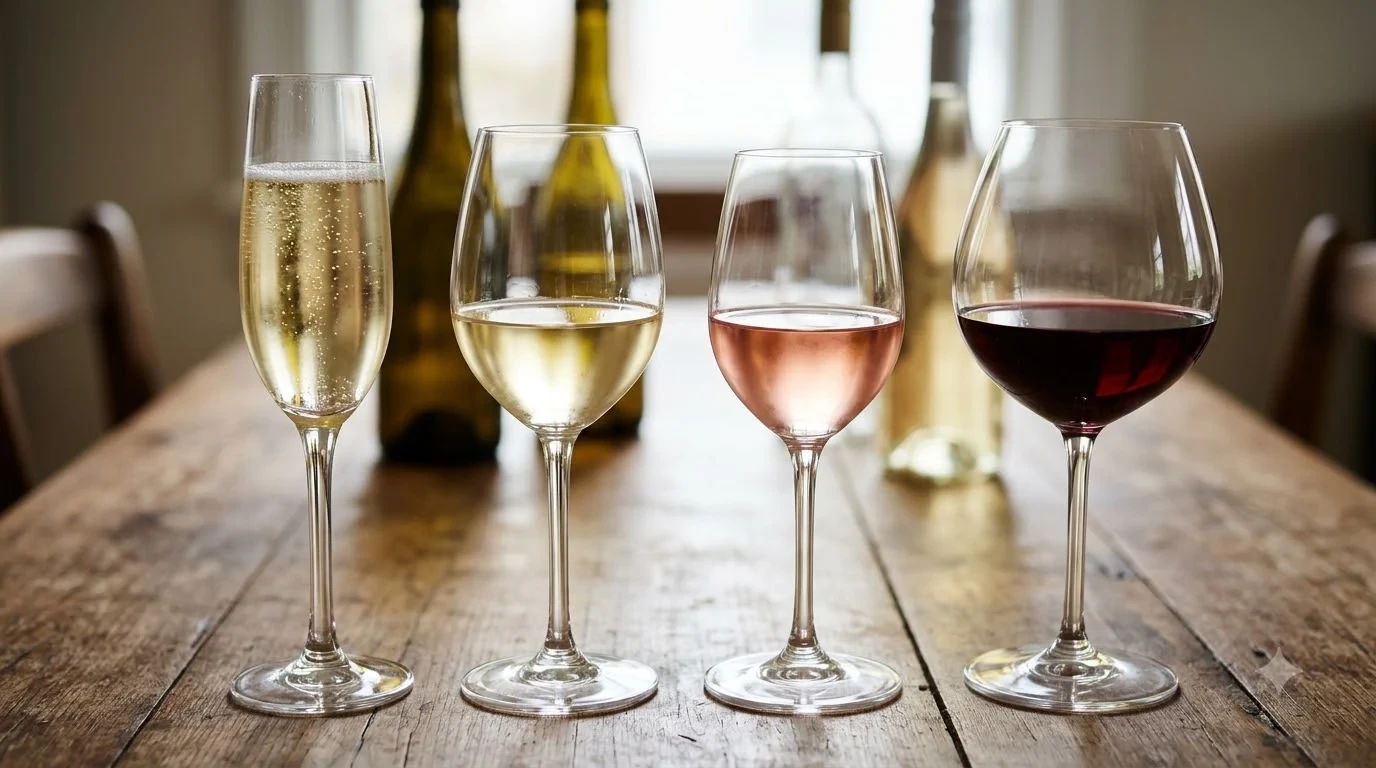
Lussory wine is a Spanish range of dealcoholized wines made from fermented wine and offered in still red, white, rosé, and sparkling styles. The producer says it removes alcohol through vacuum distillation, and its range includes Airén, Tempranillo, Merlot, and Chardonnay. It is designed for people who want a wine-based drink without the alcohol, although the exact taste and declared ABV can differ by bottle and market.
Lussory belongs to the alcohol-removed-wine category, not the category of grape juice or drinks built from herbs and fruit. Knowing that distinction helps shoppers choose a style, serve it well, and understand the label. Here is how the range works and what a U.S. buyer should know before opening a bottle.
What Lussory Wine Is
Lussory is a Spanish producer of non-alcoholic wine, and its English-language website describes a process that begins with a base wine and then removes the alcohol. The product therefore starts as fermented grape wine rather than unfermented juice, with fermentation creating some of the aromas, flavors, acidity, and tannin associated with wine.
The classic 0.0 range lists Merlot, Tempranillo, Chardonnay, rosé, Airén, and sparkling Brut. A separate organic selection includes Merlot, Chardonnay, and sparkling Brut. That gives shoppers a choice between still wine for the dinner table and sparkling wine for an aperitif or toast. Lussory presents its classic premium range as Halal-certified; confirm the mark on the specific bottle rather than assuming every product in the brand family carries the same certification.
Dealcoholized wine is different from a wine alternative made from tea, juice, botanicals, or other ingredients. Lussory describes its products as wine made first and then dealcoholized. That gives the drink a closer connection to conventional wine than grape juice has, but the final texture and aroma will not be identical to a full-strength wine. For more brand context, browse the broader Wine Brands category and then compare options by grape, color, and whether bubbles are wanted.
How Lussory Removes Alcohol
Lussory says it uses evaporation under vacuum distillation. Reduced pressure allows alcohol to evaporate at a lower temperature than it would under normal atmospheric pressure, which gives the producer a way to separate alcohol while limiting heat applied to the wine. The company says it first makes a good-quality base wine and then puts that wine through dealcoholization.
The sequence matters. Grapes are harvested, fermented, and made into wine before the alcohol is removed. Decanter explains that fermentation transforms grape sugar into alcohol and produces aroma and flavor compounds, while tannins and color are also extracted during winemaking. Lussory’s published description follows that sequence, so its product is not simply unfermented grape juice sold in a wine bottle.
Vacuum distillation is one of several production techniques. Wine Enthusiast describes it alongside reverse osmosis, while Decanter also explains spinning-cone technology. Reverse osmosis uses filtration to separate components before alcohol is removed and the wine is reconstructed; spinning-cone systems separate aroma compounds and alcohol in stages so selected elements can be recombined. These are alternative methods, not extra steps that Lussory says it uses. Alcohol removal changes the balance: alcohol contributes weight, warmth, and roundness, while some delicate aroma compounds can leave with the evaporating alcohol. Decanter notes that vacuum distillation can cause some volatile aromas to disappear even when lower temperatures help reduce heat damage. A 0.0 Merlot should therefore be judged as its own style, not as a conventional Merlot with one ingredient subtracted.
Grape Varieties and Bottling Styles
Start with the grape or style printed on the front of the bottle. Lussory lists Airén and Chardonnay among its whites, Merlot and Tempranillo among its reds, plus rosé and sparkling Brut. Its organic selection adds Chardonnay, Merlot, and sparkling wine. The range shown by a retailer can be narrower than the producer’s full portfolio, and availability may differ between markets.
Airén is a traditional Spanish white grape. Lussory describes its Airén as fresh and aromatic, a sensible choice for someone who prefers a lighter white with seafood, rice dishes, salads, or appetizers. Chardonnay is the more familiar international white option. Lussory’s organic Chardonnay listing describes fresh fruit, citrus, and a light floral note, while Chardonnay generally has medium acidity; it can work with fish, shellfish, salads, and mild tapas. For a conventional white-wine comparison, the Black Box Pinot Grigio alcohol content article offers a familiar varietal reference alongside an alcohol-removed Chardonnay.
Merlot and Tempranillo are the still red choices. Merlot is generally medium in tannin and softer than high-tannin Cabernet Sauvignon, while Tempranillo gives the range a Spanish red-grape identity. Lussory describes its Tempranillo as balanced and fruit-led, and its organic Merlot as rounded with soft tannins. Alcohol removal can make either red feel lighter than its alcoholic counterpart. A conventional Spanish red such as Campo Viejo red wine provides a useful full-alcohol point of comparison, not a flavor match. Rosé is a chilled, fruit-led option, while Brut sparkling is aimed at aperitifs, brunch, and celebrations. Brut identifies a dry sparkling style; it does not mean the wine uses the traditional bottle-fermentation method associated with Champagne or Cava. Lussory also lists a Gold 24K sparkling product with edible gold, a specialty presentation separate from its standard Brut.
Flavor, Texture, and What to Expect in the Glass
Lussory uses familiar grape names, but a dealcoholized wine has a different sensory balance from a conventional bottle. Alcohol contributes body and carries aroma, so its removal can leave the wine lighter on the palate or shorter on the finish. Look for recognizable fruit and acidity while allowing for less weight and warmth than a full-strength wine.
For white wine, Airén is positioned as fresh and aromatic, while Lussory’s Chardonnay description points to green apple, citrus, and medium acidity. Airén is a natural first choice for light meals or drinkers who prefer a less pronounced white profile; Chardonnay suits someone who wants a familiar varietal style with a little more breadth. Serve both cool, but not so cold that the fruit and acidity become hard to detect.
For reds, Merlot is the softer starting point in the lineup, while Tempranillo offers a Spanish grape reference. In conventional wine, Merlot usually has medium tannin and a rounder impression than Cabernet Sauvignon. Alcohol removal can make the Lussory versions seem less full than a traditional red, so compare the brand’s own red styles rather than expecting them to copy a barrel-aged Rioja. Rosé generally emphasizes freshness and red-fruit notes; sparkling Brut adds lift and a brisker texture from its bubbles. The producer describes Gold 24K with apple, ripe pear, fruit, and floral notes, but those tasting notes belong to that specialty bottle and should not automatically be applied to standard Brut. A wine served with dessert should be at least as sweet as the dessert itself.
How to Serve and Pair Lussory Wine
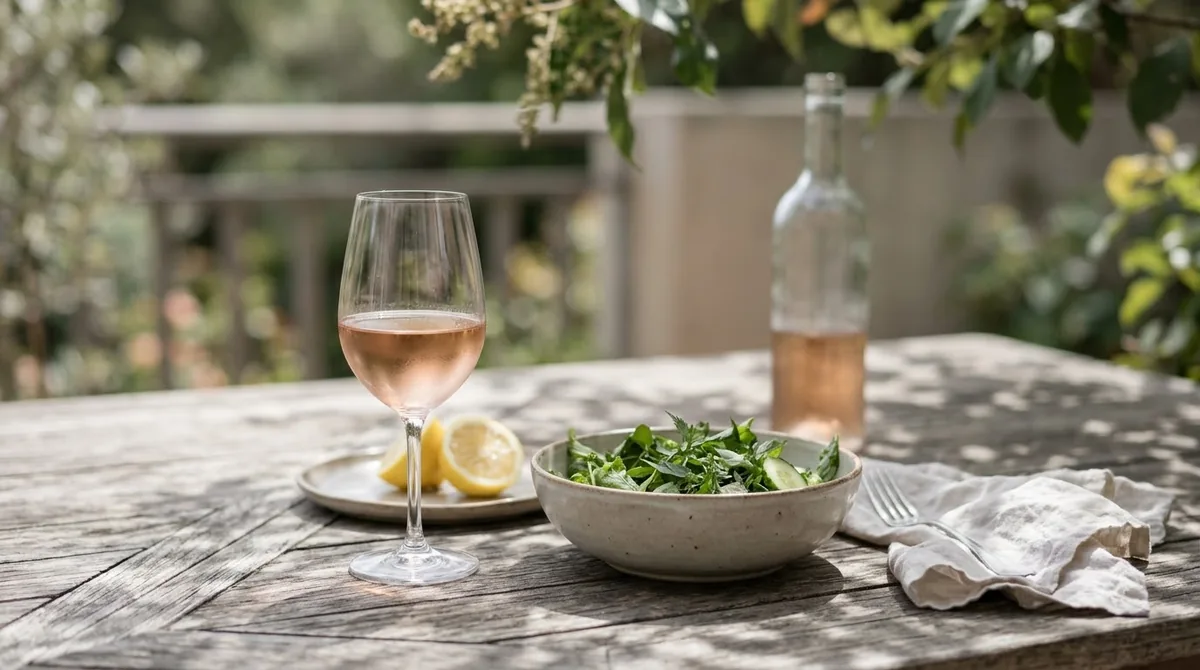
Serve Lussory according to its color, weight, and bubbles rather than treating every non-alcoholic bottle as a soft drink. Chilling helps preserve freshness in whites, rosé, and sparkling wine, while a red served too cold can seem muted. These are practical starting ranges for the wine styles, not individual manufacturer specifications for every Lussory bottling.
| Lussory style | Serving temperature | Food starting point |
|---|---|---|
| Sparkling Brut | 40–50°F | Salty snacks, seafood, light appetizers |
| Airén or Chardonnay white | 45–50°F | Fish, shellfish, salads, roast chicken |
| Rosé | 45–50°F | Grilled vegetables, chicken, mild cheeses |
| Merlot or Tempranillo red | 55–60°F | Grilled mushrooms, tomato pasta, roast meats |
| Sweet sparkling or dessert style | 43–50°F | Fruit tart, poached pear, lighter desserts |
Airén and Chardonnay work with fish, shellfish, rice dishes, and salads; Lussory’s store listing specifically recommends its Airén for fish, seafood, rice, and salad. Acidic foods pair best with wine that has equal or higher acidity, so lemon-dressed fish calls for a white that tastes fresh rather than flat. For reds, Tempranillo can suit grilled meats and stews, while Merlot is a gentler partner for roasted vegetables, mushroom dishes, or tomato-based pasta. Salt and fat soften tannin, which can make a red feel less drying beside savory food.
Take care with chili heat and dessert. Alcohol and tannin can amplify the sensation of hot peppers in regular wine; Lussory’s alcohol-removed style removes much of the alcohol factor, but strong chili oil can still overwhelm delicate fruit. Choose a fresh white or rosé with mildly spiced dishes. For dessert, the wine should be at least as sweet as the food, or it may taste sour and thin beside it.
Tip: Chill a Lussory white or rosé to about 45–50°F, pour a small first glass, and let it warm for a few minutes. That slight rise in temperature can make the fruit and aroma easier to notice without losing freshness.
A standard 5-ounce pour is a practical serving size, and a 750-milliliter bottle yields about five glasses. Keep opened still wines in the refrigerator and aim to finish them within 3–5 days; sparkling wine usually loses its bubbles sooner, often within 1–3 days. A tight sparkling-wine stopper helps preserve carbonation between pours.
How to Read U.S. Labels and Choose a Bottle
For U.S. shoppers, alcohol wording deserves as much attention as the grape name. Lussory’s Spanish website markets its classic range as 0.0%, but imported bottles may carry label language shaped by the distributor and U.S. requirements. The FDA says “dealcoholized” or “alcohol-removed” should appear in the statement of identity, accompanied by a declaration that the product contains less than 0.5 percent alcohol by volume; “non-alcoholic” may appear as an additional claim, while “alcohol-free” is reserved for a product with no detectable alcohol. The FDA explains these terms on its dealcoholized-wine labeling page.
A declared 0.0% and a “less than 0.5%” statement are not the same numerical claim. The first communicates a zero figure on the label; the second sets an upper limit without saying that the product contains no measurable alcohol. Lussory’s online material uses a 0.0% claim for its classic range, but the bottle’s own ABV wording is the detail to use when buying a specific product. This distinction matters to anyone who needs to avoid alcohol entirely or follows a rule that treats trace alcohol differently.
Next, confirm which product line the bottle belongs to. Lussory presents its classic premium range as Halal-certified and describes its organic line separately. Retailers may list only part of the range, and product names or package sizes can vary by country. Look for the grape variety, still or sparkling designation, organic wording where relevant, importer information, and declared alcohol content when comparing bottles.
For a first purchase, choose Airén if you usually drink crisp whites, Chardonnay for a familiar white-grape style, Merlot for a softer red, Tempranillo for a Spanish red reference, rosé for a chilled fruit-led option, and Brut when bubbles are the priority. The producer’s English-language process explanation is available on the Lussory website. Select the bottle for the meal and occasion, not on the expectation that an alcohol-removed version will taste exactly like its conventional counterpart.
Frequently Asked Questions
Lussory offers standard still wines and sparkling options, along with separate organic and specialty presentations. These answers explain a few details that are easy to miss when comparing the grape and color alone.
Does Lussory make an organic wine?
Yes. The producer lists an organic line with Merlot, Chardonnay, and sparkling Brut. Its organic Chardonnay listing describes fresh white-fruit, citrus, and floral notes and suggests fish, shellfish, salads, and cold tapas as food matches.
Is Lussory Zero Zero different from the classic range?
The producer presents Zero Zero as a distinct range and describes it as alcohol-free, sugar-free, vegan, and low in calories. Those are producer claims for that named line, not a reason to assume every Lussory bottle has the same sugar, calorie, or ingredient profile.
What is Lussory Gold 24K?
Lussory Gold 24K is a sparkling non-alcoholic product that the producer says contains edible 24-karat gold. The brand describes its color as pale straw, giving the bottle a distinct visual presentation beyond the edible-gold detail.
Does Lussory sell wine in larger formats?
Yes. The producer describes a 10-liter bag-in-box format for its Lussory Zero line, intended for restaurants, hotels, bars, and catering use. It also identifies the traditional 75-centiliter bottle as its retail and individual-consumption format.
Is Lussory certified Halal?
The producer describes its classic premium 0.0 range as Halal-certified and separately makes that claim for Gold 24K. Its website groups products into classic, organic, Zero Zero, and specialty ranges, so the published certification statement should not be generalized to every item.
Lussory is best approached as a family of dealcoholized wines, not as a single flavor profile or a direct copy of traditional wine. Start with the grape and style that suit the meal, serve it at a suitable temperature, and use the specific package’s ABV wording to understand what is in the bottle.
More in Wine Brands
 Louis Latour Wine Price: Compare Bottles by Style and TierUpdated Nov 20, 2026
 Yellow Tail Moscato Price: What to Expect Before You BuyUpdated Nov 20, 2026
 Sutter Home Sweet Red Review: Find the Right Food PairingsUpdated Nov 20, 2026
 Franzia Chillable Red Review: Find the Right Serving StyleUpdated Nov 20, 2026
 Veuve Clicquot Rose Review: Flavor, Food Pairings and Buying AdviceUpdated Nov 20, 2026
 Rombauer Wine Price: Compare Bottles Before You BuyUpdated Nov 20, 2026