

We may earn a commission when you buy through links on this page, at no extra cost to you. Learn more.
This laurent perrier rose review finds that Laurent-Perrier Cuvée Rosé is an excellent choice for Champagne drinkers who want expressive Pinot Noir fruit, refined bubbles and a dry, food-friendly finish. Made entirely from Pinot Noir using a distinctive maceration technique, this Champagne offers aromas of strawberry, raspberry, redcurrant and black cherry. Its five years of cellar aging contribute additional complexity, making it suitable for special occasions as well as carefully planned meals.
Laurent-Perrier Cuvée Rosé occupies a distinctive position among premium rosé Champagnes. Rather than relying on the more common approach of blending red wine into a white Champagne base, the house uses extended contact between Pinot Noir skins and juice to develop the wine’s color and aromatic character. That decision gives the finished Champagne a recognizable red-fruit profile and a fuller sense of fruit than many lighter rosé sparkling wines. Understanding its production, flavor, serving requirements and food compatibility makes it easier to decide whether this particular bottle suits your preferences.
Who This Is For
Laurent-Perrier Cuvée Rosé is particularly appealing to drinkers who enjoy dry sparkling wine with noticeable red-fruit character and more structure than a delicate, neutral aperitif Champagne. Its 100% Pinot Noir composition and extended aging make it an interesting choice for people who appreciate Champagne with both freshness and depth.
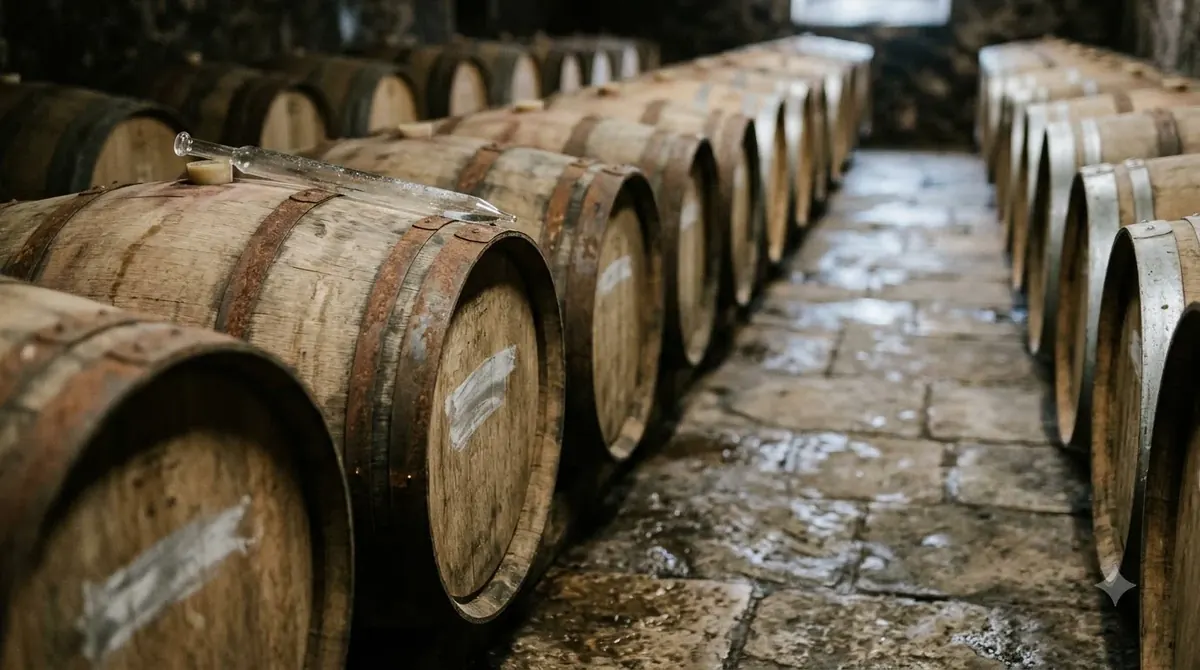
Champagne enthusiasts who enjoy Pinot Noir should be the first audience to consider. Pinot Noir contributes recognizable red-fruit flavors, body and structure. In Cuvée Rosé, the maceration process brings these characteristics forward, creating a wine that can feel more vinous and expressive than rosé Champagne made through simple blending. Raspberry, strawberry, redcurrant and black cherry form the central aromatic profile. The wine remains fresh rather than becoming heavy or jammy, which is important for anyone who wants fruit intensity without sacrificing the crisp character expected from Champagne.
It is also suitable for hosts planning a dinner rather than simply opening sparkling wine for a toast. The producer recommends pairings that include marinated fish, Asian cuisine, Parma ham and Chaource cheese. These recommendations show how the wine’s combination of bubbles, acidity and red-fruit flavor can work across several courses. It is especially useful when a menu includes seafood appetizers followed by poultry, charcuterie or dishes with aromatic sauces.
However, this is not necessarily the right choice for someone seeking an inexpensive, uncomplicated sparkling rosé. Its specialized production and extended cellar aging make it a more considered purchase. Drinkers who prefer very light, citrus-driven sparkling wines may also find the Pinot Noir character more pronounced than they want. Those who enjoy subtle yeast notes, red berries and a dry finish are more likely to appreciate its style.
People buying a bottle as a gift may also appreciate its distinctive presentation. The shield-shaped bottle has been associated with Cuvée Rosé since its introduction in 1968. Its recognizable appearance makes it a suitable centerpiece for celebrations, anniversaries and formal dinners. Nevertheless, the bottle design should be secondary to the wine itself when deciding whether it matches the recipient’s taste.
Key Factors to Compare
The most useful way to evaluate Laurent-Perrier Cuvée Rosé is to examine its grape composition, production method, aging, flavor profile and serving requirements. These five factors explain why it differs from ordinary rosé sparkling wine and help establish whether its style matches your preferences.
| Factor | Laurent-Perrier Cuvée Rosé | Why It Matters |
|---|---|---|
| Grape composition | 100% Pinot Noir | Creates a recognizable red-fruit profile and structure. |
| Crus | 10 Montagne de Reims crus | Provides the grape selection for the blend. |
| Maceration | 48 to 72 hours | Extracts color and aromatic compounds from grape skins. |
| Cellar aging | 5 years | Allows additional complexity and texture to develop. |
| Alcohol | 12% on the Wine Enthusiast reviewed bottling | Helps establish the wine’s overall drinking profile. |
| Bottle size | 750 ml standard bottle | Provides approximately five standard 5-ounce pours. |
| Serving temperature | 46°F to 50°F | Preserves freshness while allowing the aromas to develop. |
| Wine style | Dry rosé Champagne | Works with savory food rather than only sweet desserts. |
The grape composition is especially important. Pinot Noir is a black grape that contributes red-fruit flavors and more structure than many lighter white-wine varieties. Because Laurent-Perrier uses 100% Pinot Noir, the wine does not depend on Chardonnay or Meunier to create its identity. Its character comes from the selection of Pinot Noir fruit, the maceration process and subsequent cellar aging. The producer’s official Cuvée Rosé description and production details provide further information about these characteristics.
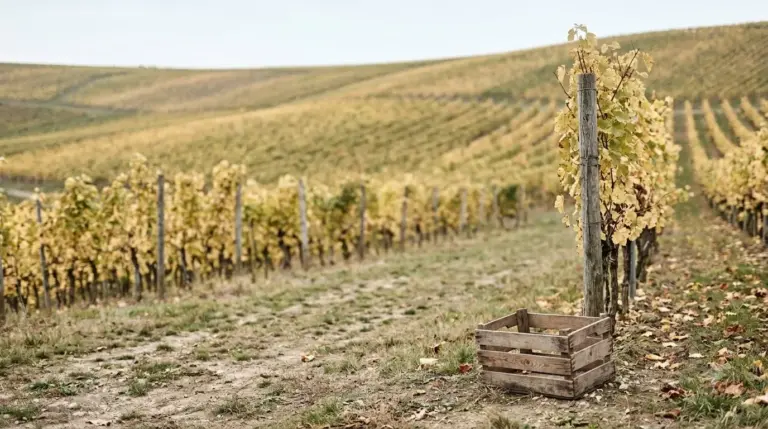
The 10 crus come from the Montagne de Reims, an important Champagne growing area. This geographic concentration helps explain the wine’s emphasis on Pinot Noir. Laurent-Perrier selects grapes from different crus to create the intended style rather than relying on a single vineyard expression. The result is designed around aromatic intensity, freshness and consistency.
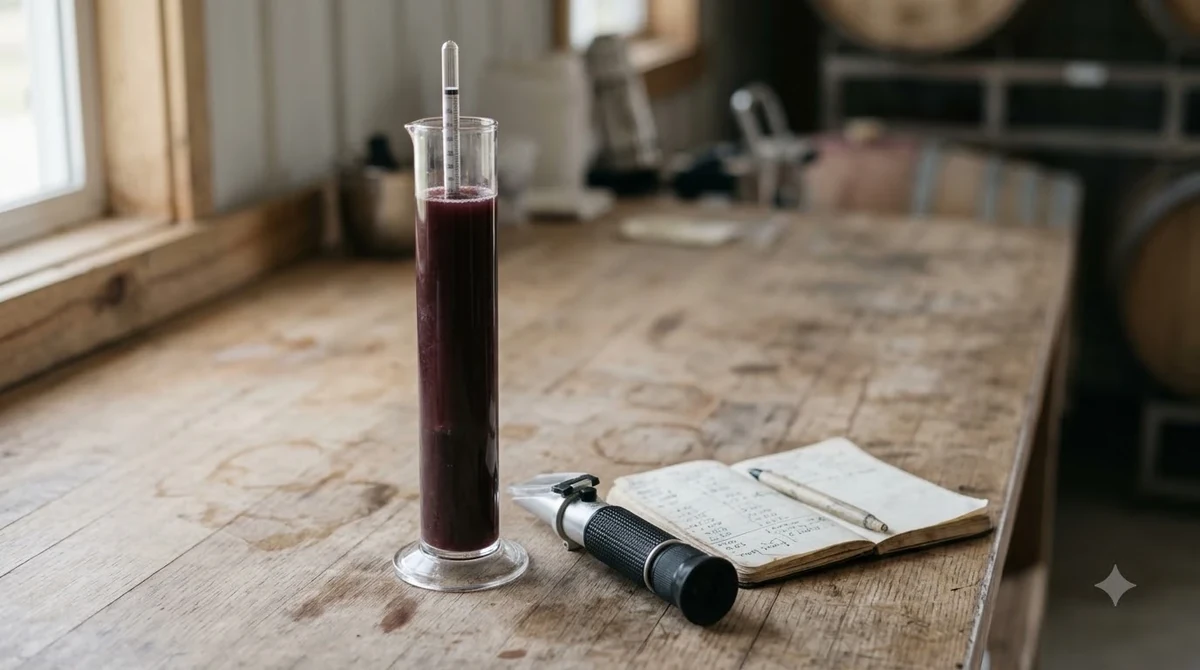
Production time is another meaningful distinction. A maceration period of 48 to 72 hours allows the juice to acquire color and aromatic compounds from the skins. The subsequent five-year aging period gives the wine time to develop a more integrated texture. These are not merely technical details: they help explain why the finished Champagne combines vibrant red berries with more developed characteristics such as toastiness, savory notes and creaminess.
Independent tasting commentary supports the general picture. Wine Enthusiast’s Roger Voss described the reviewed bottling in terms of bright red fruit, texture and toastiness. Decanter’s tasting commentary also identifies dried fruit, orange peel, quince, toasted nuts and a supple mousse. These additional characteristics make the wine more interesting than a simple fruit-forward sparkling rosé.
Tip: If you are comparing Laurent-Perrier with another rosé Champagne, start with the production method. A 100% Pinot Noir maceration wine can have a different aromatic intensity and texture from a rosé made by blending red and white base wines.
Step-by-Step: How to Choose and Serve the Wine
A good buying decision begins with the occasion and the desired flavor profile. Once you know that you want a dry, red-fruit-driven Champagne, the remaining steps involve checking the bottle, preparing the serving temperature and choosing appropriate food.
-
Decide whether you want a fruit-forward Champagne.
Laurent-Perrier Cuvée Rosé emphasizes raspberry, strawberry, redcurrant and black cherry. If you usually prefer sparkling wines with noticeable fruit rather than predominantly citrus or mineral characteristics, its style is worth considering. If you prefer a particularly lean, neutral aperitif, another Champagne may be more appropriate.
-
Confirm the wine’s identity.
Look for Laurent-Perrier Cuvée Rosé rather than assuming that every rosé bottle from the producer has the same production method. The Cuvée Rosé is the house’s distinctive non-vintage rosé Champagne made from 100% Pinot Noir.
-
Choose the appropriate bottle format.
The standard 750 ml bottle provides approximately five 5-ounce glasses. This is generally sufficient for a small dinner or celebration. For a larger gathering, consider the number of guests and whether Champagne will be served throughout the meal.
-
Chill the bottle gradually.
A target temperature of 46°F to 50°F is appropriate for this Champagne. Refrigeration before serving is preferable to leaving the bottle in a freezer, where uneven chilling and forgotten bottles can create problems.
-
Prepare suitable glassware.
Use a clean Champagne flute or a tulip-shaped sparkling-wine glass. A tulip glass provides more room for aromas to develop while maintaining the visual appeal of the bubbles. Avoid filling the glass to the rim; a standard 5-ounce pour leaves room to appreciate the aroma.
-
Open the bottle carefully.
Keep one hand over the cork and direct the bottle away from people and fragile objects. Remove the wire cage while maintaining control of the cork, then twist the bottle rather than pulling aggressively on the stopper. A quiet release is preferable to a loud pop because it helps preserve the wine and reduces the risk of spills.
-
Evaluate the first pour.
Look for the salmon or raspberry-pink color described by the producer. Notice the fresh red-fruit aromas first, then consider whether additional notes of toast, dried fruit or citrus emerge as the wine warms slightly in the glass.
These steps are useful whether the bottle is being served as an aperitif or alongside a full dinner. The important consideration is temperature. Excessive cold can suppress aromatic detail, while excessive warmth can make the wine seem less refreshing and cause the bubbles to dissipate more quickly.
For a dinner party, it is sensible to open the bottle shortly before serving rather than allowing it to stand uncorked for an extended period. Champagne depends on its effervescence for much of its appeal. Keeping the wine chilled and using a suitable sparkling-wine stopper if necessary will help preserve its character after the first glasses are poured.
Types and Styles Explained
Understanding the difference between rosé Champagne production methods is essential to appreciating Laurent-Perrier Cuvée Rosé. The producer’s maceration approach gives the wine a more direct relationship with Pinot Noir skins than the conventional assemblage method.
Maceration rosé Champagne
Laurent-Perrier destems its selected Pinot Noir grapes before placing them in vats. During the 48-to-72-hour maceration period, the juice remains in contact with the grape skins, extracting color and aromatic compounds. The producer describes the resulting wine as having ripe red-fruit aromas, intensity and freshness.
Decanter explains that the technique is labor-intensive and differs from the usual production method for rosé Champagne. The precision required during maceration helps determine the finished wine’s color, aroma and balance. This explains why the method requires more attention than simply adjusting the composition of a white base wine.
Assemblage rosé Champagne
Assemblage is the more familiar approach to making rosé Champagne. In this method, a producer adds red wine, usually made from Pinot Noir, to a white Champagne base before the second fermentation. The proportion of red wine helps determine the resulting color and flavor profile.
Neither method automatically guarantees superior quality. The difference is stylistic and technical. Assemblage provides flexibility in blending, while maceration emphasizes extraction from black grape skins. Laurent-Perrier has built its Cuvée Rosé identity around the latter approach.
Vintage and non-vintage distinctions
Cuvée Rosé is commonly presented as a non-vintage Champagne. Non-vintage Champagne is not tied to a single harvest year in the same way as a vintage bottling. This approach allows a producer to maintain a recognizable house style across releases.
It is important not to confuse the regular Cuvée Rosé with Laurent-Perrier’s Alexandra Rosé Millésimé. The latter is a separate vintage cuvée. Anyone comparing bottles should distinguish between these wines rather than assuming that the name Rosé means they share the same blend, aging schedule or intended drinking experience.
For readers exploring the producer’s broader portfolio, the Laurent Perrier wine range provides useful context. Cuvée Rosé has a particularly recognizable identity within that portfolio because of its all-Pinot Noir composition and maceration method.
Understanding the flavor differences
Rosé Champagne can range from delicate and citrus-driven to rich and expressive. Laurent-Perrier sits toward the expressive red-fruit end of that spectrum, although its acidity and sparkling texture keep the wine refreshing. The producer’s tasting description emphasizes fresh strawberries, raspberries, redcurrants and black cherries.
Additional complexity can emerge with bottle development and the influence of extended aging. Decanter identifies characteristics including vanilla, dried red fruit, orange peel, quince and toasted nuts. Wine Enthusiast also describes toastiness alongside bright fruit. These notes help explain why the wine can work at the dinner table rather than being restricted to celebratory toasts.
For a more detailed explanation of its sensory profile, the Laurent Perrier Rose tasting notes provide a useful companion to this buying guide.
Common Mistakes When Buying and Drinking Laurent-Perrier Rosé
The most common mistakes involve misunderstanding the production method, expecting sweetness from the pink color and serving the wine at an unsuitable temperature. Avoiding these errors helps preserve the qualities that distinguish this Champagne.
Assuming every rosé Champagne is made the same way
Not all rosé Champagne uses the same production technique. Some producers blend red wine into a white base, while Laurent-Perrier uses maceration to extract color and flavor directly from Pinot Noir skins. Treating the methods as identical overlooks an important part of the wine’s character.
This distinction also helps explain why two bottles with similar color descriptions can taste noticeably different. One might emphasize delicate citrus and subtle fruit, while another offers more pronounced strawberry, raspberry and cherry. Neither should be judged solely by the depth of its pink color.
Confusing pink color with sweetness
A pink Champagne is not necessarily sweet. Laurent-Perrier Cuvée Rosé is described as dry by Decanter, and its red-fruit aromas should not be confused with a sugary flavor profile. The wine’s fruit character is balanced by freshness and acidity.
This matters when choosing food. A dry sparkling rosé can work well with savory dishes, salty ingredients and seafood. Someone expecting a sweet wine suitable for very sugary desserts may be surprised by its drier character.
Serving it too cold
Serving Champagne directly from an extremely cold freezer can suppress its aromas. Laurent-Perrier’s recommended serving range is approximately 46°F to 50°F. This temperature provides a balance between refreshing acidity and aromatic expression.
Allowing the wine to warm slightly in the glass can reveal additional fruit and developed aromas. However, leaving the bottle at room temperature for an extended period is not recommended, especially during a long dinner.
Pairing it with food that overwhelms its acidity
Strongly sweet foods can make a dry Champagne seem sharper and less balanced. The general wine-pairing principle is that a wine should be at least as sweet as the dessert. Consequently, a very sugary cake or syrup-heavy dessert is not the most natural partner for Laurent-Perrier Cuvée Rosé.
Very spicy dishes can also create difficulties because alcohol and tannin may amplify chili heat. Although Laurent-Perrier recommends Asian cuisine, the best matches are aromatic dishes with balanced seasoning rather than exceptionally hot preparations. Dishes containing ginger, citrus, herbs and moderately spicy sauces are more promising.
Expecting it to taste like still rosé
Still rosé and rosé Champagne are different drinking experiences. The bubbles in Champagne add texture, refresh the palate and change how acidity and fruit are perceived. Cuvée Rosé also has the additional complexity associated with extended cellar aging.
Someone who enjoys light Provence rosé, for example, should not assume that Laurent-Perrier will have the same delicate, straightforward profile. Its Pinot Noir character and sparkling structure give it a more pronounced personality.
Care and Storage Tips
Correct storage helps protect the freshness and aromatic detail of Laurent-Perrier Cuvée Rosé. The priorities are stable temperature, limited exposure to light and proper closure after opening.
Storing an unopened bottle
For longer-term storage, keep Champagne in a cool, dark location with a stable temperature near 55°F. Avoid cabinets close to ovens, radiators or appliances that generate heat. Frequent temperature changes can interfere with the wine’s development.
Store bottles on their sides when appropriate for extended storage, keeping the cork in contact with the wine. This helps maintain cork moisture. Avoid placing the bottle near strong odors or in direct sunlight, since both can negatively affect wine quality.
The distinctive shield-shaped bottle may look attractive on display, but decorative presentation should not take priority over storage conditions. A dark wine cabinet or suitable cellar is a better option than a brightly lit kitchen shelf.
Chilling before serving
Refrigerate the bottle before the occasion rather than relying on a last-minute freezer treatment. A gradual cooling process is easier to control and helps maintain a consistent serving temperature. Once chilled, remove the bottle only when you are ready to pour.
For a dinner lasting several hours, a Champagne bucket with ice and water can help maintain the temperature. Water surrounding the bottle provides more consistent contact than ice cubes alone. Keep the neck and cork area accessible so the bottle can be opened safely.
Preserving an opened bottle
Once opened, Champagne loses carbonation gradually. A dedicated sparkling-wine stopper can slow that process by helping retain pressure. Refrigerate the remaining wine promptly rather than leaving it on the table overnight.
As a general guideline, opened sparkling wine can retain reasonable quality for approximately one to three days in the refrigerator when properly sealed. The exact period depends on how much wine remains, the effectiveness of the stopper and the temperature. For the best experience, drinking the remaining Cuvée Rosé within a day is preferable.
A standard 750 ml bottle produces around five 5-ounce pours. Planning portions before opening can reduce waste, particularly when the wine is being served to only two people. If the occasion involves several courses, pour modest servings and keep the bottle chilled between rounds.
For readers exploring other producers and sparkling-wine styles, the broader Wine Brands section can help put Laurent-Perrier into context alongside other established Champagne houses and wine producers.
Frequently Asked Questions
Who founded Laurent-Perrier?
Laurent-Perrier traces its foundation to 1812, when the Champagne house was established in Tours-sur-Marne. Bernard de Nonancourt later played an important role in developing its modern identity, including introducing Cuvée Rosé in 1968.
Is Laurent-Perrier Cuvée Rosé suitable for vegetarians?
Retailer technical information from Enotria identifies the wine as suitable for vegetarians and vegans. Consumers following strict dietary requirements should confirm the current product information for their particular market and bottle.
Does Laurent-Perrier produce a vintage rosé Champagne?
Yes. Laurent-Perrier produces Alexandra Rosé Millésimé, a separate vintage rosé Champagne. It is distinct from the regular non-vintage Cuvée Rosé and should be evaluated as a different wine rather than as another release of the same cuvée.
Does Laurent-Perrier Cuvée Rosé contain sulfites?
Yes, the wine contains sulfites, as indicated in the product information published by Enotria. Sulfur dioxide is commonly used in winemaking to help protect wine against oxidation and unwanted microbial activity.
Can Laurent-Perrier Cuvée Rosé be served without food?
Yes. It works as an aperitif before dinner, and its red-fruit character makes it suitable for standalone celebration pours. The producer also presents it as a versatile food wine, so serving it throughout a meal is another appropriate option.
Laurent-Perrier Cuvée Rosé stands out through its 100% Pinot Noir composition, extended maceration and five years of cellar aging. Its combination of red berries, freshness and developed texture makes it particularly appealing to Champagne drinkers who want a distinctive rosé with genuine food-pairing potential. If those characteristics match your preferences, it is a compelling bottle to consider for a celebration or a carefully prepared dinner.
More in Wine Brands
 Yellow Tail Moscato Review: Taste, Sweetness and Serving TipsUpdated Nov 21, 2026
 Wolf Blass Yellow Label Review: Choose Your Best StyleUpdated Nov 21, 2026
 Wolffer Estate Rose Review: Choose the Right Bottle for Your TableUpdated Nov 21, 2026
 Wolf Blass Yellow Label Price: What to Expect for Each BottleUpdated Nov 21, 2026
 Yellow Tail Pinot Grigio Price: Compare Bottle Sizes and Retail CostsUpdated Nov 21, 2026
 Yellow Tail Big Bold Red Price and What Buyers GetUpdated Nov 21, 2026