

We may earn a commission when you buy through links on this page, at no extra cost to you. Learn more.
This estancia cabernet review finds that Estancia Cabernet Sauvignon is an approachable California red with dark-fruit flavors, moderate structure, and versatile food-pairing potential. Its characteristic profile includes dark cherry, plum, blackberry, and currant, with softer tannins than many more structured Cabernet Sauvignons. It is particularly suitable for casual dinners, grilled meats, pasta, and drinkers who prefer fruit-forward reds over heavily tannic wines.
Estancia Cabernet Sauvignon occupies an accessible position in the California wine category. It offers familiar Cabernet characteristics without requiring an elaborate understanding of appellations, vintage variation, or cellar aging. However, different vintages and retailer descriptions do not always present identical specifications, making it useful to distinguish the producer’s current description from historical tasting reviews. Understanding its fruit profile, structure, regional identity, and intended drinking style helps determine whether this bottle matches your preferences.
Who This Estancia Cabernet Is For
Estancia Cabernet Sauvignon is best suited to drinkers looking for a straightforward, fruit-driven California red that works at the dinner table. Its dark cherry, plum, and raspberry character gives it recognizable Cabernet flavor, while descriptions of soft tannins make it less demanding than particularly firm examples from Napa Valley or other structured Cabernet regions.
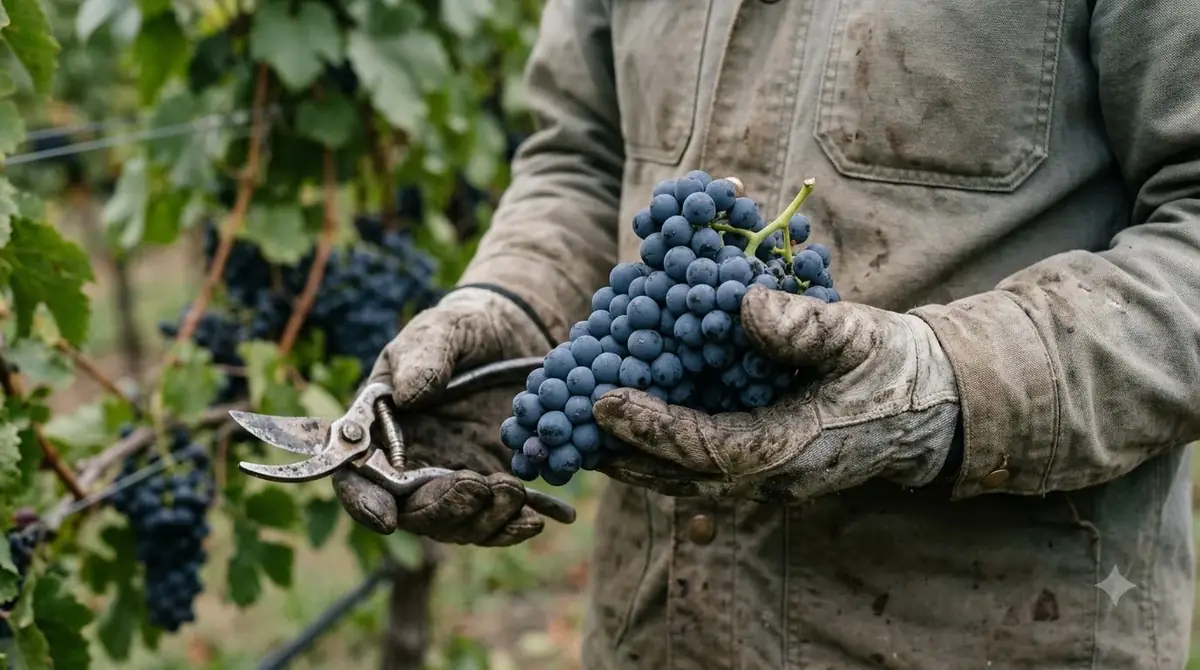
The wine is a reasonable choice for someone building familiarity with Cabernet Sauvignon. The grape commonly produces medium- to full-bodied reds with pronounced dark-fruit flavors and substantial tannin. Estancia’s presentation emphasizes approachable fruit rather than an especially austere or aggressively structured style. That distinction matters for people who enjoy red wine but find some Cabernet Sauvignon bottlings too drying or intense.
It also makes sense for households that want one red wine to accompany several familiar meals. Estancia’s recommended pairings include steak, aged Gouda, Parmesan, potatoes, salads, and red-sauce pasta. These suggestions cover a useful range of dishes, from simple weekday dinners to grilled food shared with guests. The wine’s fruit-forward character can complement savory ingredients without demanding elaborate sauces or specialized preparation.
There are also reasons to consider a different Cabernet. Drinkers seeking substantial oak complexity, tightly structured tannins, distinctive vineyard character, or long-term cellar development may prefer a more specialized bottle. Estancia’s public product description does not provide a detailed current oak-aging program or complete technical breakdown, so those characteristics should not be assumed.
Who may want another style
People who primarily enjoy delicate Pinot Noir may find Cabernet’s darker fruit and firmer structure more substantial than they prefer. Conversely, collectors accustomed to concentrated Napa Cabernet may consider Estancia comparatively uncomplicated. Neither reaction makes the wine inherently better or worse; it reflects different expectations about what a bottle should deliver.
For a broader introduction to producers and grape varieties, the site’s Wine Brands resource can help put Estancia into context. The important distinction is between buying a dependable, approachable red for immediate enjoyment and choosing a wine specifically for complexity, rarity, or extended aging.
Key Factors to Compare When Buying Estancia Cabernet
The most useful buying considerations are the vintage, fruit profile, tannin level, regional information, and alcohol content. These factors provide a clearer picture of the bottle than relying on the Cabernet Sauvignon name alone.
| Factor | What to expect | Why it matters |
|---|---|---|
| Producer’s color description | Dark crimson | Consistent with a concentrated-looking red wine |
| Primary fruit | Dark cherry, plum, raspberry | Defines the familiar fruit-forward profile |
| Additional flavor references | Blackberry, currant, chocolate, coffee | Provides a richer picture of the wine’s character |
| Tannin character | Soft to moderately structured | Helps determine how drying the finish may feel |
| Historical regional reference | Paso Robles, California | Provides geographical context for earlier reviewed bottlings |
| Reviewed bottle size | 750 ml | Standard bottle size for approximately five 5-ounce servings |
| Alcohol content | 13.5% in Decanter’s 2012 entry; 14.5% in Wine Enthusiast’s 2023 review | Shows why vintage-specific information matters |
| Food pairing | Steak, hard cheese, potatoes, pasta | Supports practical meal planning |
Fruit character is the first comparison point. Estancia’s official description highlights dark cherry, plum, and raspberry, while Total Wine adds black cherry, currant, chocolate, pepper, and toasted sweet oak. Wine Enthusiast’s assessment of the 2023 vintage adds blackberry, cassis, vanilla bean, coffee, and green herbs. These descriptions overlap, but they are not identical because they come from different product information and tasting assessments.
Tannin is another important consideration. Cabernet Sauvignon generally has relatively high tannin, which creates the drying sensation along the gums and sides of the mouth. Retailer descriptions characterize Estancia’s tannins as soft and velvety, suggesting a more approachable expression. That does not mean the wine is sweet. Tannin texture and residual sugar are separate characteristics, and a smooth red wine can still be dry.
Regional identification also deserves attention. The producer’s current page identifies the wine as California Cabernet Sauvignon, while Total Wine associates its listing with Paso Robles on the Central Coast. Decanter’s historical 2012 review also identifies Paso Robles. These references provide useful context, but a historical vintage should not be treated as proof that every subsequent release has identical sourcing.
Vintage-specific alcohol information is particularly useful. Wine Enthusiast lists 14.5% ABV for its reviewed 2023 bottle, while Decanter records 13.5% for the 2012 wine. This difference illustrates why a specification from one vintage should not automatically be applied to another. The exact alcohol level can affect the impression of warmth, body, and balance.
For a buyer comparing California Cabernet choices, it is also useful to distinguish an approachable everyday bottle from a more ambitious premium bottling. A higher level of concentration, firmer tannin, or additional oak character may appeal to some drinkers but is not automatically a better match for an uncomplicated dinner.
Step-by-Step: How to Choose and Enjoy a Bottle
A sensible purchase starts with identifying the intended occasion, confirming the bottle’s vintage and regional information, and deciding how much structure you enjoy. Following a few simple steps makes it easier to choose the right Cabernet without relying exclusively on reputation or packaging.
-
Decide what kind of dinner the wine will accompany.
For steak, grilled beef, or red-sauce pasta, Estancia’s fruit-forward profile is a natural starting point. For a light seafood meal or delicate vegetable dish, a fresher white wine or lighter red may be more appropriate. Cabernet’s tannins can overwhelm delicate flavors, especially in dishes with little fat or protein.
-
Identify the vintage.
Look for the vintage designation when comparing bottles. The 2012 Decanter review and 2023 Wine Enthusiast review demonstrate that different releases can have different recorded alcohol levels and tasting characteristics. Do not use the specifications of an older vintage as a substitute for information about the bottle being purchased.
-
Consider the fruit profile.
Choose Estancia if dark cherry, plum, blackberry, and currant sound appealing. Its descriptions also include chocolate, coffee, vanilla, and pepper. These are useful flavor references for understanding the intended style, although individual perceptions can differ with serving temperature, food, and the condition of the bottle.
-
Decide how much tannin you enjoy.
If you prefer softer reds, Estancia’s descriptions of velvety tannins may appeal to you. If you enjoy the pronounced grip of a traditional, highly structured Cabernet, compare it with more tannic alternatives. Cabernet is generally firmer than Merlot, while Pinot Noir usually has lower to medium tannin and higher acidity.
-
Plan the serving temperature.
Full-bodied red wines are generally best served around 60 to 65 degrees Fahrenheit. This is cooler than many heated indoor rooms, where a bottle left on the counter can become too warm. A modest chill can help preserve freshness and keep alcohol warmth from dominating the fruit.
-
Prepare the glass and portion.
A standard 750 ml bottle provides approximately five 5-ounce servings. Use a reasonably large red-wine glass to give the wine room to release its aromas. Filling the glass only partway also makes swirling easier and reduces unnecessary exposure to spills.
-
Pair the wine with a suitable meal.
Start with steak, aged Gouda, Parmesan, or tomato-based pasta. If the meal contains rich ingredients, the wine’s fruit and tannin structure can provide a useful contrast. Adjust the sauce and seasoning so that the food does not overwhelm the wine.
These steps are especially helpful for someone choosing between several California Cabernet Sauvignon bottles. They focus the decision on actual drinking preferences instead of assuming that a familiar grape name guarantees a particular flavor or level of quality. For another California Cabernet comparison, the site’s Caymus Cabernet coverage provides a separate reference point for evaluating differences in producer style and expectations.
Tip: If Estancia seems overly alcoholic or muted in a warm room, chill the bottle briefly before serving. Aim for approximately 60 to 65 degrees Fahrenheit rather than serving a full-bodied Cabernet at a warm room temperature.
Estancia Cabernet Style and Flavor Explained
Estancia Cabernet is presented as a dark-fruited California red, with cherry, plum, raspberry, blackberry, and currant forming the central flavor family. Chocolate, coffee, vanilla, pepper, and herbal details provide additional dimensions in published descriptions, although their prominence can vary between tasting assessments and vintages.
Appearance and aroma
The producer describes the wine’s appearance as dark crimson. That visual description is consistent with the concentrated appearance commonly associated with Cabernet Sauvignon. In the glass, the wine’s dark color provides an initial indication of its red-fruit and dark-fruit character, although color alone cannot establish quality, body, or ageworthiness.
On the nose, the official description emphasizes dark cherry, plum, and raspberry. Total Wine’s product information adds black cherry, chocolate, currant, pepper, and toasted sweet oak. These additional references suggest a more layered aromatic profile than fruit alone, but they should be treated as tasting descriptors rather than a guarantee that every bottle will show each note equally clearly.
Wine Enthusiast’s assessment of the 2023 release provides another useful perspective. It identifies blackberry, cassis, vanilla bean, and floral aromas. This description is particularly helpful because it comes from a specific vintage assessment rather than a general producer profile. The Wine Enthusiast 2023 Estancia Cabernet review also describes dark berries, coffee, green herbs, and an earthy finish, adding savory details to the fruit-focused producer description.
Palate and finish
The expected palate centers on dark fruit. Cherry, plum, currant, and blackberry are recognizable Cabernet-associated flavors, while chocolate and coffee references suggest a richer impression. The overall profile is intended to be accessible rather than dominated by aggressive acidity or pronounced earthy characteristics.
Wine Enthusiast describes the 2023 bottling as concentrated, with dark berries, coffee, green herbs, and an earthy finish. Its assessment adds some complexity to the producer’s more concise fruit description. For drinkers who prefer a red wine with both fruit and savory notes, this is a useful indication of the range found in the reviewed vintage.
Tannin texture helps complete the picture. Total Wine describes the wine as having soft, velvety tannins and a long, rich finish. That wording suggests a smoother experience than a particularly austere Cabernet. However, Cabernet Sauvignon remains a naturally tannic grape, and individual impressions of dryness will depend on the drinker’s preferences.
Is Estancia Cabernet sweet or dry?
Estancia Cabernet is best approached as a dry-style red wine rather than a sweet dessert wine. Ripe fruit aromas and chocolate-like flavors can create an impression of sweetness, but these sensations do not establish that the wine contains significant residual sugar. A fruit-forward wine can remain dry in its actual taste profile.
Its style may therefore appeal to people who enjoy ripe fruit without wanting a sugary red. The combination of dark fruit and softer tannin can make the wine feel approachable even for drinkers who do not regularly choose highly structured Cabernet Sauvignon.
Common Mistakes When Buying or Serving Estancia
The biggest mistakes involve assuming that all Estancia vintages are identical, confusing ripe fruit with sweetness, and serving Cabernet too warm. Paying attention to these details helps preserve the wine’s intended balance and avoids unrealistic expectations.
Assuming every vintage has the same composition
One historical detail illustrates why vintage information matters. Decanter’s 2012 entry identifies Cabernet Sauvignon at 81%, with Petite Sirah and Zinfandel also appearing in its listed grape composition. That historical blend information should not be transferred to the current release. The producer’s present product description does not provide a complete current blend breakdown.
Likewise, the alcohol figures published for different vintages are not interchangeable. Wine Enthusiast records 14.5% ABV for the 2023 wine, while Decanter records 13.5% for 2012. Anyone comparing technical characteristics should distinguish the specific bottle under consideration from older examples.
Expecting expensive-wine complexity
Estancia’s primary appeal is its recognizable fruit character and approachable presentation. A drinker expecting extensive layers of vineyard-specific minerality, complex tertiary aromas, or highly refined oak integration may be looking for a different category of Cabernet. A simple, enjoyable wine does not need to behave like a collectible bottle.
It is also a mistake to assume that a more expensive Cabernet is always the better choice for dinner. A heavily extracted red with firm tannins may overpower a simple pasta dish, whereas a softer fruit-forward wine can be easier to enjoy throughout an ordinary meal. For readers considering a more premium California Cabernet alternative, the site’s Austin Hope Cabernet coverage offers another producer comparison to explore.
Confusing fruitiness with residual sugar
Dark cherry, plum, and vanilla can create a rounded, almost sweet impression. That does not necessarily mean the wine is technically sweet. Tannin, acidity, alcohol, and residual sugar influence different aspects of the tasting experience.
Cabernet Sauvignon typically has substantial tannin, while ripe fruit aromas can make its palate seem softer. Distinguishing these characteristics prevents a common purchasing mistake: choosing a dry Cabernet while expecting the flavor of a sweet red blend.
Serving it at the wrong temperature
Serving a full-bodied Cabernet at an excessively warm temperature can emphasize alcohol and make the wine seem heavier. Conversely, serving it too cold can suppress aromas and make tannins appear more pronounced. A range of 60 to 65 degrees Fahrenheit offers a useful starting point.
There is no need to overcomplicate the process. If the wine has been stored at ordinary indoor temperature, a short period of chilling can bring it closer to the preferred range. The goal is to preserve the balance between fruit, tannin, and alcohol rather than make the wine noticeably cold.
Food Pairing, Serving and Storage Tips
Estancia Cabernet works particularly well with savory dishes that provide enough flavor and texture to stand alongside its dark fruit and tannins. Steak, hard cheese, potatoes, and tomato-based pasta are practical starting points, while proper serving temperature and sensible storage help maintain the wine’s character.
Best food pairings
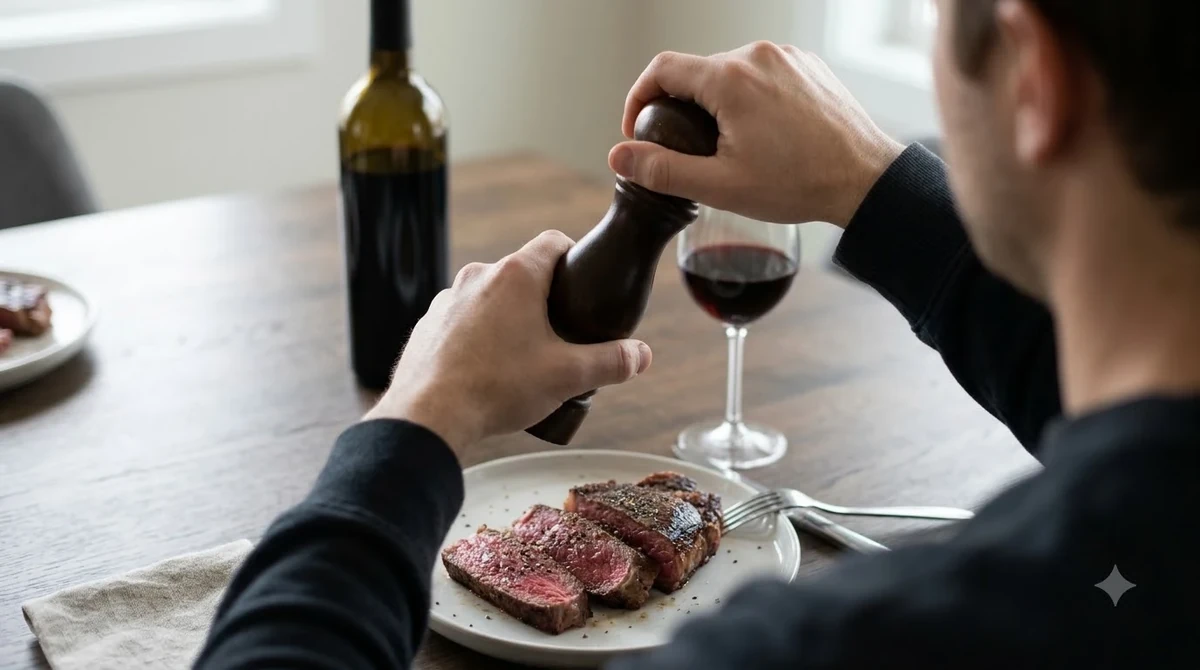
Steak is one of the strongest choices. The protein and fat in beef help soften the perception of tannin, allowing the wine’s fruit character to come forward. Grilled ribeye, sirloin, and simple roast beef dishes are suitable options, particularly when the seasoning includes black pepper, herbs, or savory pan juices.
Hard cheeses also work well. Estancia specifically recommends aged Gouda and Parmesan. Their savory, concentrated flavors can complement dark fruit and chocolate notes without making the wine seem excessively heavy. A small cheese plate with aged cheese, plain crackers, and roasted potatoes makes a straightforward accompaniment.
Red-sauce pasta is another natural match. Tomato-based sauces bring acidity, so the wine should have enough freshness to avoid tasting flat alongside the food. A simple marinara with ground beef or a meat-based tomato sauce can provide a balanced combination of fruit, savory flavor, and texture.
Potatoes and salads can work too, depending on preparation. Roasted potatoes with herbs and olive oil are more suitable than delicate, lightly seasoned preparations. For salads, consider ingredients such as grilled vegetables, roasted mushrooms, or aged cheese rather than a very acidic dressing that overwhelms the wine.
Some combinations are less successful. Chili heat can become more noticeable alongside alcoholic and tannic red wine, while oily fish can clash with tannic Cabernet. For spicy meals, a lower-alcohol wine with softer structure may be more comfortable. For delicate fish dishes, consider a crisp white or lighter-bodied red instead.
Serving temperature and decanting
Serve Estancia at approximately 60 to 65 degrees Fahrenheit. This temperature range is a useful general guideline for full-bodied reds and helps preserve aromatic detail while limiting the impression of alcohol warmth. A wine served slightly cool will gradually open in the glass as it approaches room temperature.
Decanting is optional for a typical approachable Cabernet intended for immediate drinking. Young, particularly full-bodied reds can benefit from approximately 30 to 60 minutes of aeration, but there is no reason to assume every Estancia bottle requires that treatment. Start by pouring a small glass and evaluating the aroma. If the wine seems closed or overly tight, additional air exposure may help.
Storage after opening
Keep unopened bottles in a cool, dark place with relatively stable conditions. A storage temperature near 55 degrees Fahrenheit is a useful general target. Bottles with natural cork closures are commonly stored on their sides to keep the cork from drying out, while bottles should be protected from direct sunlight and repeated temperature fluctuations.
Once opened, reseal the bottle and refrigerate it. Most still wines maintain acceptable quality for approximately three to five days under refrigeration, although fruit aromas and freshness gradually decline. Bring the wine closer to its serving temperature before pouring another glass.
For longer storage, avoid leaving a partially filled bottle exposed to air for several days at room temperature. A sound stopper and refrigeration can slow deterioration. The smaller the amount of wine remaining in the bottle, the more oxygen is present relative to the liquid, so a nearly empty bottle will generally lose freshness faster than one that is mostly full.
Frequently Asked Questions
What grape variety is used in Estancia Cabernet Sauvignon?
The wine is marketed as Cabernet Sauvignon. A historical Decanter entry for the 2012 vintage lists 81% Cabernet Sauvignon alongside Petite Sirah and Zinfandel. That historical composition should not be treated as the blend specification for a current bottle.
How many calories are in a glass of Estancia Cabernet?
The producer’s current Cabernet Sauvignon page does not publish a verified calorie count. Actual calories depend partly on alcohol content and residual sugar, so an exact figure should not be inferred from tasting notes or the grape variety alone.
Does Estancia Cabernet need to be aged before drinking?
It is generally sensible to approach this bottling as a ready-to-drink California Cabernet rather than a wine that must spend years in a cellar. Its fruit-forward presentation and approachable tannin descriptions support enjoying it without an extended aging plan. A specific bottle’s development will still depend on its vintage and storage history.
Can Estancia Cabernet be used in cooking?
Yes. A dry red wine can be used in beef braises, tomato-based sauces, and reductions. Add it early enough to allow the cooking liquid to reduce and integrate with the other ingredients. Avoid using wine that has developed unpleasant oxidation or vinegar-like aromas.
What is the difference between Cabernet Sauvignon and Cabernet Franc?
Cabernet Sauvignon is generally more tannic and fuller-bodied, with familiar black-fruit characteristics. Cabernet Franc often emphasizes red fruit, herbs, and floral notes, depending on its growing region and winemaking approach. The two grapes are related but produce noticeably different wine styles.
Estancia Cabernet Sauvignon is a practical choice for drinkers who appreciate dark-fruit flavors, accessible tannins, and familiar California red-wine character. Its strongest appeal is versatility at the dinner table rather than elaborate winemaking specifications or collectible status. Compare the current vintage with your preferred level of body and structure, then choose a bottle that fits the occasion.
More in Wine Brands
 Is Duckhorn Merlot Good? What to Expect Before You BuyUpdated Nov 21, 2026
 Inglenook Wine Review: Find the Right Napa Valley BottleUpdated Nov 21, 2026
 Is Daou Cabernet Good? Taste, Quality, and Buying TipsUpdated Nov 21, 2026
 Hess Select Wine Review: Find the Right California Wine for Your TableUpdated Nov 21, 2026
 Dows Port Review: Choose the Right Style for Your TableUpdated Nov 21, 2026
 Iron Horse Wine Review: Find the Right Sonoma Wine for Every OccasionUpdated Nov 21, 2026