


We may earn a commission when you buy through links on this page, at no extra cost to you. Learn more.
This fetzer gewurztraminer wine review finds a fruity, floral, off-dry California white that offers gentle sweetness, refreshing acidity, and particularly good compatibility with spicy food. Its characteristic flavors include peach, honeyed apricot, honeysuckle, and rose petal, with additional tropical-fruit and citrus notes. At approximately 12% ABV in the producer’s published tasting information, it suits casual dinners, aromatic white wine drinkers, and people who prefer some sweetness without choosing a full dessert wine. Its main limitation is that drinkers who exclusively enjoy bone-dry, mineral-driven whites may find its fruit-forward profile too sweet.
Gewürztraminer is one of the more recognizable aromatic white grape varieties, known for expressive floral aromas, ripe fruit, and distinctive spice-like characteristics. Fetzer’s California interpretation emphasizes approachable fruit, a rounded mouthfeel, and enough acidity to balance its off-dry character. Understanding its sweetness, production style, serving temperature, and food compatibility makes it easier to decide whether this bottle belongs at the dinner table or in a casual wine collection.
Who This Wine Is For
Fetzer Gewürztraminer is best suited to drinkers who enjoy aromatic whites with noticeable fruit, gentle sweetness, and enough acidity to keep each sip refreshing. It is especially appealing to people who want something more expressive than a neutral everyday white but do not necessarily want a highly complex or intensely dry wine.
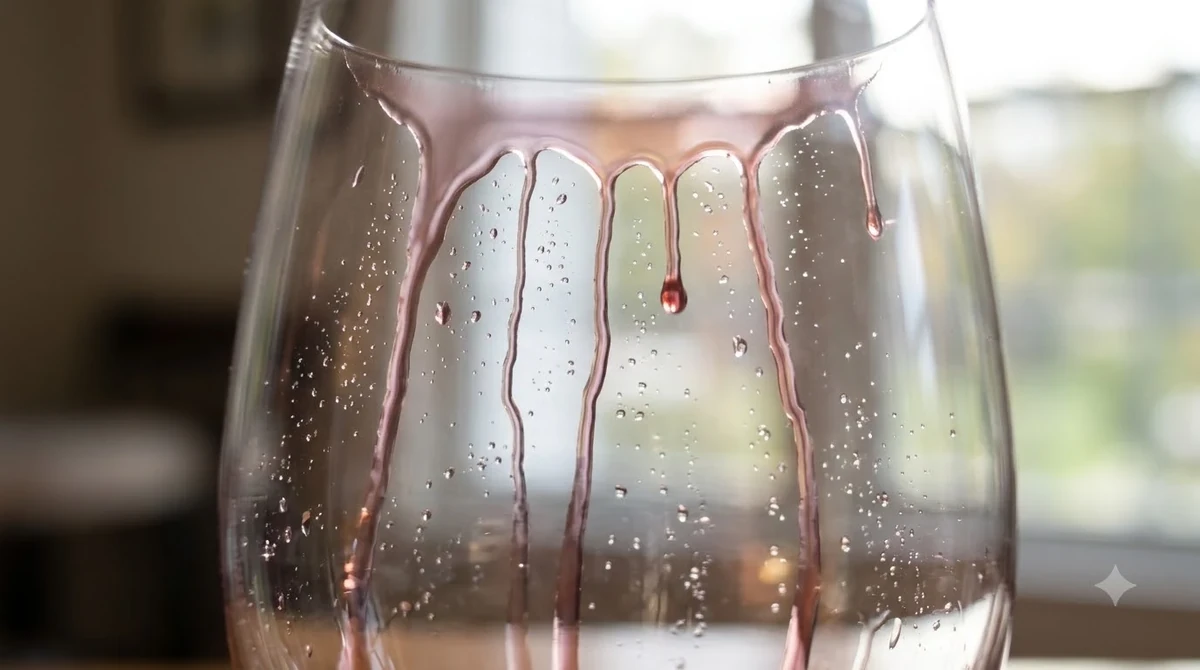
The wine’s flavor profile gives it several points of appeal. Fetzer describes aromas of rose petals and honeysuckle, alongside honeyed apricot and peach on the palate. Its producer also recommends spicy curries, roasted chicken, and savory snacks, making it a flexible option for meals that might be challenging for some other white wines. These characteristics give it a useful position between a simple fruity white and a more distinctive aromatic wine.
It can be particularly attractive to beginners who are still learning how sweetness, acidity, and aroma work together. A wine does not need to be completely dry to taste refreshing. In this case, the interplay between subtle sweetness and crisp acidity is central to its appeal. People who enjoy fruit-forward Riesling, semidry whites, or aromatic wines may find the style familiar.
However, this is not necessarily the right bottle for every white wine drinker. Someone who regularly chooses very dry Sauvignon Blanc, sharply mineral Chablis, or restrained unoaked Chardonnay may prefer a different direction. Gewürztraminer is naturally expressive, and Fetzer’s version emphasizes ripe fruit and floral aromas rather than a particularly restrained profile.
Consider these general drinking preferences before buying:
- Good match: Drinkers who enjoy peach, apricot, mango, honey, and floral aromas.
- Good match: People who prefer off-dry wines with refreshing acidity.
- Good match: Anyone looking for a white wine to serve with spicy curries and flavorful poultry dishes.
- Less suitable: Drinkers who prefer completely dry whites with minimal fruit sweetness.
- Less suitable: People looking for a highly oaked, buttery Chardonnay-style experience.
For readers exploring the producer’s wider selection, the broader Fetzer wine range offers useful context for comparing different grape varieties and wine styles. Understanding the producer’s overall portfolio also helps clarify where this aromatic white fits among more familiar everyday bottles.
Key Factors to Compare
The most useful factors for evaluating Fetzer Gewürztraminer are sweetness, acidity, alcohol, aroma, body, and winemaking style. Together, these characteristics explain why the wine tastes approachable and why it works particularly well with certain foods.
The producer’s published 2019 technical sheet provides specific measurements, while its current product description identifies the broader California style. The following figures are useful reference points for understanding the wine rather than guarantees that every subsequent vintage has identical analytical measurements.
| Factor | Published information | What it means for drinkers |
|---|---|---|
| Appellation | California | A California-produced aromatic white |
| Alcohol | 12% ABV in the 2019 technical sheet | Moderate alcohol for a still white wine |
| Residual sugar | 2.80 g/100 ml in 2019 | Measurable sweetness in the published bottling |
| Total acidity | 0.62 g/100 ml in 2019 | Provides freshness alongside the fruit |
| pH | 3.16 in 2019 | Indicates an acidic wine structure |
| Bottle size | 750 ml listed by Total Wine | Approximately five standard 5-ounce pours |
| Winemaking vessel | Stainless steel tanks in the 2019 notes | Emphasizes freshness rather than oak flavors |
| Style | Off-dry | Combines subtle sweetness with acidity |
Sweetness deserves particular attention because the word Gewürztraminer can describe wines ranging from dry to distinctly sweet. Fetzer describes its bottling as off-dry, meaning the wine has some sweetness but is not intended to drink like a dessert wine. Its fruit aromas can also make it seem sweeter than its actual sugar level suggests.
Acidity is the other important consideration. The 2019 technical sheet reports 0.62 grams of total acidity per 100 milliliters and a pH of 3.16. These measurements help explain the producer’s emphasis on crispness. Sweetness and acidity can complement each other, creating a wine that feels balanced rather than syrupy.
Alcohol also influences the overall experience. The published 12% ABV figure places the wine in a moderate range for a still white. Alcohol can contribute warmth and body, but it should not overwhelm the fruit and floral characteristics that define the style.
For another perspective on the product’s aromatic profile, Total Wine’s Fetzer Gewürztraminer product description identifies additional tropical and citrus characteristics, including passion fruit, tangerine, mango, and orange spice.
Step-by-Step: How to Evaluate and Choose a Bottle
A good buying decision starts with identifying the desired sweetness level, then checking the bottle’s style, vintage information, and intended food pairing. These five steps help determine whether Fetzer Gewürztraminer matches the occasion.
-
Decide how much sweetness you enjoy.
Start by considering whether you usually prefer dry, off-dry, or sweet wines. Fetzer describes its Gewürztraminer as off-dry, so it is a sensible option for someone who enjoys subtle sweetness but still wants a refreshing white. If your usual preference is bone-dry Pinot Grigio, the difference may be noticeable.
-
Look at the grape variety and regional designation.
The producer identifies this wine as a California Gewürztraminer. That matters because Gewürztraminer has a naturally distinctive aromatic character, including floral and ripe-fruit notes. Readers unfamiliar with the grape can explore wine brands and styles to understand how producers interpret different varieties.
-
Consider the occasion.
This is a versatile choice for informal meals, flavorful appetizers, and occasions where guests have different preferences. Its aromatic profile can make it interesting as an aperitif, while its sweetness and acidity give it useful food-pairing flexibility. For a formal dinner centered on very delicate seafood, a more restrained dry white might be a better match.
-
Match the wine to the menu.
Think about the dominant ingredients rather than selecting a wine based only on the protein. Spicy curry, ginger, aromatic herbs, and roasted poultry can work particularly well with an off-dry Gewürztraminer. If the meal includes strong chili heat, moderate alcohol and careful portioning of the spicy ingredients help maintain balance.
-
Compare the current bottle information.
Different vintages can show small variations in alcohol, sweetness, fruit expression, and availability. The producer’s 2019 technical information reports 12% ABV, but that analytical figure should not automatically be assigned to every later bottling. Use the current product information to understand the particular bottle being considered.
Tip: If you are buying Gewürztraminer for someone who normally drinks sweet Riesling or Moscato, explain that Fetzer’s version is off-dry rather than a dessert wine. Its peach and honeyed fruit character provides familiarity, while its acidity keeps the wine more refreshing than a distinctly sweet after-dinner bottle.
Another useful buying consideration is the number of people attending the meal. A standard 750 ml bottle provides approximately five 5-ounce glasses. That is usually enough for a small dinner gathering when wine is served alongside food, although larger groups may require additional bottles.
Types and Styles Explained
Gewürztraminer is not a single sweetness category. Its style depends on grape ripeness, fermentation decisions, residual sugar, acidity, and the producer’s intended expression. Fetzer’s version is positioned as an off-dry California white with floral aromas and ripe fruit rather than a fully dry or dessert-style interpretation.
Understanding the difference between common Gewürztraminer styles helps explain what to expect from the bottle. The grape is naturally aromatic, so even relatively dry versions can smell sweet because of their expressive floral and tropical-fruit characteristics.
Dry Gewürztraminer
Dry Gewürztraminer has little noticeable residual sweetness. It can still smell strongly of rose, lychee, citrus, ginger, and ripe fruit, but its finish is less sweet. This style often appeals to people who enjoy aromatic wines but prefer a savory or more restrained palate.
Dry examples can work with seafood, poultry, aromatic vegetables, and dishes with ginger or herbs. Their acidity and floral intensity make them interesting alternatives to conventional dry white wines. However, the exact character varies significantly according to climate and winemaking decisions.
Off-Dry Gewürztraminer
Off-dry wines retain some sweetness without becoming dessert wines. This is the category Fetzer identifies for its Gewürztraminer. The combination of peach, apricot, honeysuckle, and crisp acidity gives the wine an approachable character that can suit both casual sipping and meals with noticeable seasoning.
Fetzer’s 2019 technical sheet reports residual sugar of 2.80 grams per 100 milliliters. That figure provides a useful analytical reference, although perceived sweetness also depends on acidity, alcohol, temperature, and the individual drinker’s palate.
Sweet Gewürztraminer
Sweet Gewürztraminer has a more pronounced sugary character and may be served with desserts or particularly rich, spicy dishes. Its ripe fruit and floral aromas can become more concentrated, while the sweetness provides a contrast to salty or spicy ingredients.
It is important not to assume that every bottle labeled Gewürztraminer belongs in this category. Fetzer’s off-dry description distinguishes its style from bottles designed primarily for dessert service.
California Gewürztraminer
California Gewürztraminer can offer expressive fruit and generous aromas, although the exact balance depends on the vineyard and production choices. Fetzer’s 2019 technical notes describe fruit sourced from cooler coastal areas, including Monterey County, and fermentation in stainless steel tanks.
The producer’s notes also explain that partial lees contact contributed richness to the mouthfeel. Lees are the yeast deposits remaining after fermentation. Contact with these deposits can add texture and a fuller impression without requiring oak aging.
For readers comparing the producer’s white wines, the Fetzer white wine selection provides a useful starting point for exploring how different grape varieties produce different aromatic and structural profiles.
Common Mistakes When Buying or Drinking Gewürztraminer
The most common mistakes involve misunderstanding sweetness, serving the wine too warm, and pairing it with foods that exaggerate alcohol or tannin. A little attention to these details can make the difference between a balanced glass and one that tastes overly sweet or heavy.
Assuming off-dry means dessert wine
Off-dry does not mean that a wine is necessarily syrupy or intended for dessert. Fetzer’s published description emphasizes subtle sweetness and crisp acidity. The two characteristics work together, so the wine can feel refreshing even though it has noticeable fruit sweetness.
A better approach is to think about the wine’s balance rather than judging it exclusively by its fruit aromas. Peach, mango, and honey can suggest sweetness on the nose without telling you exactly how sweet the palate will be.
Serving the wine too warm
White wines served too warm can seem heavier and less refreshing. Fetzer Gewürztraminer is best approached as a light-to-medium-bodied aromatic white and served around 45–50 degrees Fahrenheit. This temperature helps preserve freshness while allowing its floral and fruit aromas to remain expressive.
Taking the bottle directly from a warm room to the table without chilling it can reduce the impression of acidity. Conversely, serving it extremely cold can temporarily suppress its aromatic character. A short period outside the refrigerator before pouring can help if the wine has become excessively cold.
Pairing it with very delicate dishes
Gewürztraminer is expressive, so its aroma and fruit can overpower dishes with extremely subtle flavors. A lightly seasoned white fish fillet, for example, may be better matched with a more restrained wine. Fetzer’s aromatic profile generally makes more sense alongside flavorful preparations.
Think about roasted chicken with herbs, mildly spicy noodles, ginger-seasoned vegetables, or savory appetizers. These dishes have enough flavor to complement the wine without completely overwhelming it.
Ignoring chili heat and alcohol
Off-dry wine can be helpful with spicy food because sweetness provides a useful contrast to chili heat. However, alcohol and tannin can amplify the sensation of heat. Although Gewürztraminer is a white wine with relatively low tannin, its alcohol content still deserves consideration when pairing it with very hot dishes.
For especially spicy curries, avoid combining the wine with additional sources of intense heat. A creamy coconut-based curry or a mildly spiced preparation is often a more comfortable match than a dish dominated by extremely hot peppers.
Choosing food based only on the wine’s sweetness
Sweetness is only one part of food pairing. Acidity, body, aroma, salt, fat, and seasoning also matter. A fruit-forward wine can work with savory dishes because its sweetness contrasts with salt and spice, but that does not mean every sweet or salty food will be a successful combination.
For example, fatty roasted poultry can complement a wine with freshness and aromatic fruit. A very sweet dessert, on the other hand, may make an off-dry white taste comparatively sharp or thin. The general rule is to select a wine at least as sweet as the dessert being served.
Serving and Storage Tips
Proper serving temperature and storage preserve the wine’s floral aromas, fruit character, and refreshing acidity. For Fetzer Gewürztraminer, a temperature around 45–50 degrees Fahrenheit and refrigeration after opening are practical starting points.
Chilling and serving
Place the bottle in the refrigerator before serving rather than relying on ice in the glass. If it is at room temperature, allow approximately 2 hours in a refrigerator as a practical starting point, adjusting for the initial temperature and refrigerator conditions.
A serving temperature of 45–50 degrees Fahrenheit is suitable for this aromatic white. At the cooler end of that range, the wine can feel particularly crisp. Closer to 50 degrees, its rose, honeysuckle, peach, and tropical-fruit aromas can become more noticeable.
Use a standard white wine glass with enough room to swirl the wine gently. A typical pour is 5 ounces, which allows approximately five servings from a 750 ml bottle. Avoid filling the glass to the rim because a little space helps collect the wine’s aromatic characteristics.
Food pairing suggestions
Fetzer specifically recommends spicy curries, roasted chicken, and savory snacks. These suggestions make sense because the wine’s acidity and off-dry character can balance bold seasoning and savory flavors.
- Spicy curry: Try a moderately spicy Thai or Indian curry, particularly one with coconut milk, ginger, or aromatic herbs.
- Roasted chicken: Pair the wine with herb-seasoned chicken, roasted vegetables, and lightly salted potatoes.
- Soft cheese: Brie and other creamy soft cheeses provide richness that complements the wine’s acidity and fruit.
- Roasted vegetables: Carrots, squash, and lightly seasoned root vegetables work with the wine’s ripe-fruit profile.
- Asian-inspired dishes: Ginger, sesame, aromatic herbs, and mildly sweet sauces can complement the wine’s floral character.
- Fruit-based appetizers: Peach, pear, and lightly salted nuts can echo the wine’s fruit and savory notes.
Be more selective with oily fish served alongside a heavily tannic red wine, although that particular tannin issue is not a major concern with this white. Instead, the more relevant consideration for Gewürztraminer is avoiding combinations that make its fruit sweetness seem excessive or its alcohol feel too warm.
Storing an unopened bottle
For longer storage, keep the bottle in a cool, dark location away from sunlight and major temperature changes. A consistent temperature near 55 degrees Fahrenheit is a useful general target for wine storage. Bottles with traditional cork closures are generally stored on their sides to keep the cork from drying out.
Gewürztraminer is usually enjoyed for its aromatic freshness rather than long-term bottle aging. Unless a particular vintage has been made with extended cellaring in mind, it is sensible to enjoy the wine while its fresh fruit and floral characteristics remain prominent.
Keeping an opened bottle fresh
After opening, reseal the bottle and put it in the refrigerator. A still white wine generally keeps its best qualities for approximately 3–5 days under refrigeration, although the exact period depends on oxygen exposure, storage temperature, and the wine’s condition when opened.
For better results, use a proper wine stopper and minimize the amount of air remaining in the bottle. Bring the wine back toward its preferred serving temperature before pouring another glass. If its aromas have faded significantly or the fruit tastes dull and oxidized, its best drinking window has probably passed.
Frequently Asked Questions
Does Fetzer Gewürztraminer contain added flavoring?
The producer describes its wine through the natural aromatic and flavor characteristics of the Gewürztraminer grape and its winemaking process. Its published 2019 notes identify rose petal, honeysuckle, peach, mango, and apricot. Those tasting descriptions do not indicate that flavoring ingredients have been added.
What does the word Gewürztraminer mean?
Gewürztraminer is a grape variety whose German name is commonly translated as spicy Traminer. The name reflects its distinctive aromatic profile, which can include floral, tropical-fruit, citrus, and spice-like characteristics. It is especially recognizable for its expressive fragrance compared with many more neutral white grapes.
Does Gewürztraminer have naturally high acidity?
Gewürztraminer generally has moderate acidity rather than the consistently high acidity associated with varieties such as Riesling or Sauvignon Blanc. Climate, harvest timing, and production choices influence the final balance. Fetzer’s 2019 technical sheet reports a pH of 3.16 and total acidity of 0.62 grams per 100 milliliters.
Can Gewürztraminer be used in cooking?
Yes. A dry or off-dry Gewürztraminer can be used in selected sauces, marinades, and pan preparations where its aromatic fruit character complements the ingredients. Use a moderate amount in dishes with ginger, poultry, or fruit-based sauces, and avoid reducing a noticeably sweet wine too aggressively because its sweetness can become more concentrated.
Is Gewürztraminer related to Riesling?
No. Gewürztraminer and Riesling are separate grape varieties, even though both are associated with aromatic white wines and can be produced in dry, off-dry, and sweet styles. Riesling is generally recognized for its pronounced acidity and citrus-driven profiles, while Gewürztraminer is especially associated with rose, lychee-like fruit, and spice aromas.
Fetzer Gewürztraminer is a worthwhile option for drinkers who enjoy an approachable off-dry white with floral aromas, ripe fruit, and refreshing acidity. Its strongest uses are casual sipping, roasted poultry, savory appetizers, and moderately spicy meals. If you prefer aromatic wines with some sweetness rather than completely dry whites, this California Gewürztraminer deserves consideration.
More in Wine Brands
 Marchesi Antinori Wine Price: Compare Bottles by Style and TierUpdated Nov 21, 2026
 Marques De Riscal Wine Review: How to Choose the Right Spanish BottleUpdated Nov 21, 2026
 Lussory Wine Review: Choose the Right Alcohol-Free StyleUpdated Nov 21, 2026
 Marchesi Di Barolo Wine Price: Compare Bottles and Find Your FitUpdated Nov 21, 2026
 Louis Martini Wine Review: Choose the Right Napa Valley BottleUpdated Nov 21, 2026
 Mark West Chardonnay Price: What to Expect Before BuyingUpdated Nov 21, 2026