

We may earn a commission when you buy through links on this page, at no extra cost to you. Learn more.
Fetzer white wine comes in five main varieties: Chardonnay, Gewürztraminer, Pinot Grigio, Riesling, and Sauvignon Blanc, offering choices from crisp, refreshing whites to aromatic, off-dry styles. The wines feature fruit-forward flavors, approachable textures, and food-friendly profiles suited to everyday meals and casual gatherings. Alcohol content on Fetzer’s current variety pages ranges from 12% to 13.5% ABV, depending on the wine.
Choosing a white wine becomes easier when you understand its grape variety, sweetness, acidity, and typical flavor profile. Fetzer offers several distinct styles, so the right bottle depends on whether you prefer a crisp wine for seafood, a fuller Chardonnay for roasted dishes, or an aromatic white to accompany spicy food. This guide explains the differences, serving recommendations, and practical pairing ideas to help you select the right bottle.
Fetzer White Wine Varieties and Their Main Differences
Fetzer’s white wine selection includes five recognizable grape varieties, each with its own personality. Chardonnay is the fuller option, Pinot Grigio emphasizes fresh fruit, Riesling and Gewürztraminer offer aromatic character, and Sauvignon Blanc brings a crisp, citrus-driven profile.

The differences begin with the grape itself. Chardonnay generally has a rounder texture and medium acidity, making it suitable for dishes with richer ingredients. Sauvignon Blanc and Riesling are naturally high-acid varieties, which makes them particularly useful with seafood, vegetables, and foods containing citrus or vinegar. Pinot Grigio often delivers a lighter, refreshing drinking experience, while Gewürztraminer is recognized for its expressive floral aromas and distinctive spice-related character.
Fetzer’s official wine portfolio identifies these five varieties as part of its white wine selection. The wines do not all come from the same appellation: the current Chardonnay, Gewürztraminer, Pinot Grigio, and Riesling pages identify California, while the Sauvignon Blanc page identifies Chile. That distinction matters because a brand’s overall identity does not necessarily mean every bottle comes from the same growing region.
The following comparison summarizes the main characteristics and alcohol figures published on Fetzer’s individual product pages. These figures are useful starting points when choosing between bottles, although individual vintages and product formulations can differ.
| Wine variety | Appellation | Alcohol | Main flavor profile | Typical style |
|---|---|---|---|---|
| Chardonnay | California | 13.5% | Apple, pear, pineapple, vanilla | Medium-bodied to full-bodied |
| Gewürztraminer | California | 12% | Apricot, peach, rose, honeysuckle | Off-dry, aromatic |
| Pinot Grigio | California | 12% | Pear, melon, white peach | Fresh, approachable |
| Riesling | California | 12% | Citrus, peach, honey, flowers | Fruity, lightly sweet impression |
| Sauvignon Blanc | Chile | 12.5% | Citrus, pineapple, kiwi, lime | Crisp, refreshing |
These figures also demonstrate why selecting a bottle by brand name alone is not enough. Someone looking for a lighter-feeling white may prefer Pinot Grigio or Riesling, while someone who enjoys a fuller mouthfeel may find Chardonnay more satisfying. Gewürztraminer offers another direction for drinkers who appreciate floral aromas and a hint of sweetness.
For readers comparing the brand’s broader selection, the article on Wine Brands provides a useful starting point for understanding how producers organize their portfolios and distinguish individual varieties.
How Fetzer White Wine Tastes and How Sweet It Is
Fetzer white wines range from crisp and relatively dry-tasting profiles to aromatic, off-dry expressions. The biggest difference is between the wine’s actual residual sugar and the impression created by ripe fruit aromas, acidity, and texture.
Chardonnay is a good starting point for drinkers who prefer a more traditional California white. Fetzer describes its Chardonnay through ripe pear, apple, vanilla, pineapple, and honeydew characteristics. Its profile combines recognizable fruit flavors with a hint of toast and a fuller texture. The result is a flexible style that can work with food or be served on its own. Its product information lists 13.5% ABV.
Gewürztraminer is the more obviously aromatic choice. Fetzer describes honeyed apricot and peach flavors alongside rose petal and honeysuckle aromas. The producer identifies this wine as off-dry, meaning it retains a noticeable impression of sweetness without necessarily tasting like a dessert wine. Its combination of fruit, floral notes, and freshness makes it particularly useful with strongly seasoned dishes. Its listed alcohol content is 12% ABV.
Riesling also deserves attention from anyone who likes a touch of sweetness. Fetzer describes its version with lavender, jasmine, honey, citrus, and peach. A Wine Enthusiast review of a Fetzer nonvintage Riesling described an off-dry profile with pine needle and peach-skin aromas, poached apple and pear flavors, and a soft, rounded texture. That review provides a useful reference for understanding one expression of the brand’s Riesling, rather than a guarantee that every bottle will taste identical. Read the Fetzer Riesling review from Wine Enthusiast for its specific tasting assessment.
Pinot Grigio is a natural choice for people who prefer a fresher, uncomplicated white. Fetzer highlights crisp pear and refreshing melon, supported by white peach and orange blossom aromas. These characteristics create a fruit-forward impression without the more pronounced floral intensity associated with Gewürztraminer.
Sauvignon Blanc provides the most clearly citrus-oriented profile in the lineup. Its listed flavors include pineapple, kiwi, and lime, with a cool, crisp character. It is a useful choice for people who prefer refreshing acidity over a rounded or creamy texture.
It helps to distinguish fruity from sweet. A wine can smell strongly of pineapple, peach, or ripe pear while still tasting relatively dry. Sweetness depends on residual sugar, while acidity determines how fresh or sharp the wine feels. A wine with noticeable acidity can seem less sweet even when some sugar remains.
Tip: If you are unsure which style to choose, start with Pinot Grigio for a crisp, refreshing profile, Chardonnay for a fuller texture, or Gewürztraminer if you enjoy floral aromas and off-dry sweetness.
Choosing the Right Fetzer White Wine for Your Preferences
The easiest way to select a Fetzer white is to start with your preferred sweetness and texture. Consider whether you enjoy crisp acidity, ripe fruit, floral aromas, or a fuller mouthfeel before deciding which grape variety best suits your palate.
For a refreshing wine that does not feel particularly heavy, Pinot Grigio is a sensible first choice. Its pear and melon characteristics are familiar and approachable, making it suitable for casual lunches, light appetizers, and relaxed outdoor gatherings. It is also a good introduction to white wine for someone who does not yet know which varieties they enjoy.
Chardonnay is more appropriate for someone who likes a fuller wine with a softer impression. Its apple, pear, pineapple, and vanilla characteristics offer more breadth than the straightforward citrus profile of Sauvignon Blanc. The additional texture makes it particularly appealing alongside roasted poultry, creamy sauces, and dishes containing butter.
If you enjoy a little sweetness, consider Gewürztraminer or Riesling. Gewürztraminer has an expressive aromatic profile, with rose, honeysuckle, peach, and apricot characteristics. Riesling combines floral and citrus notes with a fruity impression. Both can work with dishes that contain moderate spice, although the aromatic character of Gewürztraminer makes it especially distinctive.
Sauvignon Blanc is a good match for people who like bright, fresh flavors. Its citrus and tropical fruit profile works well with vegetables, seafood, and dishes that include herbs or acidic dressings. It can also provide a refreshing contrast to fried foods when served cold enough.
Think about the occasion as well as personal preference. A casual seafood lunch may call for Pinot Grigio or Sauvignon Blanc, while a dinner featuring roasted chicken and creamy sides may be better suited to Chardonnay. A spicy meal is an opportunity to choose an aromatic, slightly sweet wine rather than automatically reaching for the driest bottle available.
Another useful consideration is how the wine will be served. If guests have different preferences, choosing two contrasting styles is often more practical than trying to find one bottle that suits everyone. Pinot Grigio and Gewürztraminer, for example, provide a useful contrast between crisp fruit and aromatic off-dry character.
Best Food Pairings for Fetzer White Wine
Fetzer white wines work with a wide range of dishes because their grape varieties offer different levels of acidity, sweetness, and body. Match the wine to the dominant ingredient and preparation method rather than focusing only on the protein.
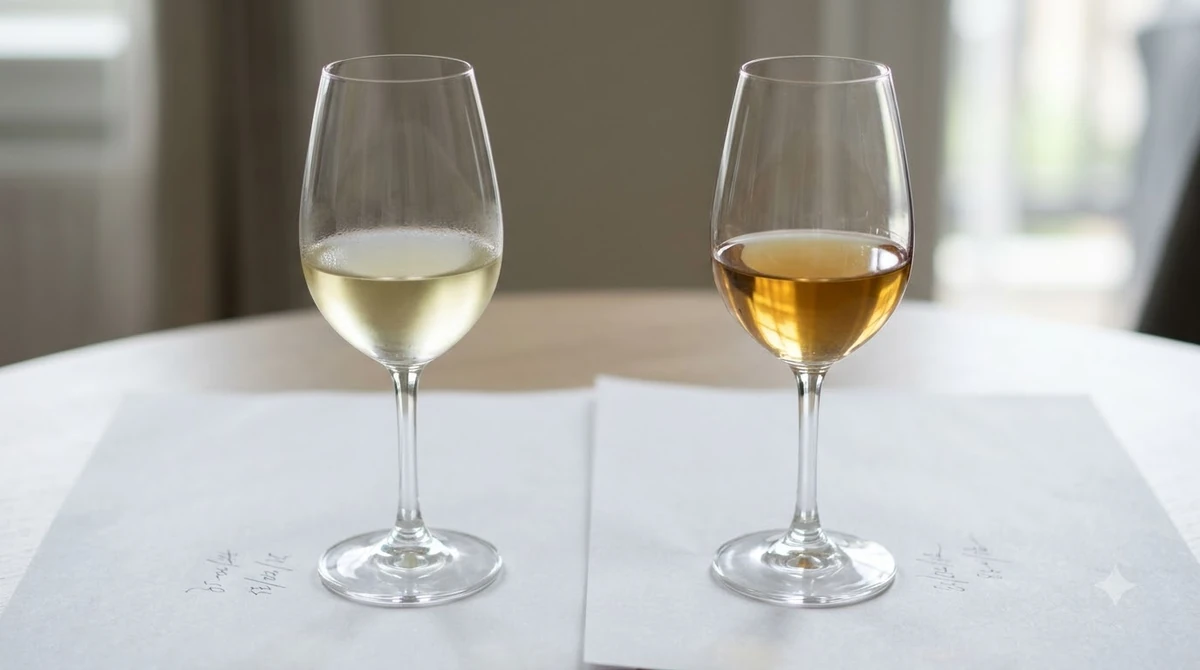
Chardonnay with roasted and creamy dishes: Chardonnay’s fuller texture and medium acidity make it suitable for roasted fish, grilled bread, chicken, and dishes containing cream or butter. The apple and pear flavors complement mild savory ingredients, while vanilla and subtle toast characteristics can work with lightly browned foods. Fetzer specifically recommends grilled breads, roasted fish, and flaky pastries. Avoid overwhelming the wine with extremely acidic sauces that would make its moderate acidity seem subdued.
Gewürztraminer with spicy food: Gewürztraminer is particularly useful with dishes containing ginger, aromatic spices, and moderate chili heat. Its floral and fruity characteristics can complement Thai curries, Indian dishes, and seasoned roasted chicken. A little residual sweetness can also help balance the perception of spice. However, avoid pairing it with extremely hot dishes if the wine is relatively high in alcohol, since alcohol can intensify chili heat.
Pinot Grigio with seafood and salads: The pear, melon, and white peach character of Pinot Grigio makes it a natural partner for fresh salads, mild cheeses, shrimp, and simply prepared fish. Its refreshing style can complement delicate ingredients without dominating their flavor. It is also a practical choice for sushi and seafood appetizers.
Riesling with spicy and savory meals: Riesling’s high acidity makes it particularly useful with dishes that include citrus, vinegar, or other sharp ingredients. Its fruity character also complements spicy food and lightly sweet sauces. Fetzer recommends pairing its Riesling with spicy dishes, creamy pasta, and fresh fish. The contrast between acidity and creamy texture can be especially appealing.
Sauvignon Blanc with vegetables and seafood: Sauvignon Blanc’s high acidity works well with grilled vegetables, sautéed shrimp, and pickled ingredients. Its citrus and tropical fruit characteristics complement green herbs, fresh vegetables, and lighter seafood preparations. It is also useful with goat cheese and salads containing lemon-based dressings because the wine has enough acidity to meet the food’s sharper flavors.
Salt and fat also influence pairing decisions. Salty foods can soften the perception of bitterness and tannin, while rich ingredients can make a wine with refreshing acidity feel more balanced. White wines generally contain little tannin compared with red wines, so acidity and sweetness are usually more important considerations.
For a practical dinner pairing, consider a simple sequence. Start with Pinot Grigio alongside seafood appetizers, move to Chardonnay with roasted fish or creamy pasta, and choose Gewürztraminer for a spicy main course. This approach provides variety without requiring complicated wine knowledge.
One important exception concerns oily fish. Although white wines are often excellent with seafood, highly tannic red wines can clash with oily fish. A crisp white such as Pinot Grigio or Sauvignon Blanc is usually a more reliable choice for fish dishes, especially when they contain citrus or fresh herbs.
Alcohol Content and Serving Temperature
Fetzer’s current white wine product pages list alcohol levels between 12% and 13.5% ABV. These numbers provide a straightforward way to compare the five varieties, although the actual alcohol content can vary with the specific bottling and vintage.
Chardonnay has the highest listed alcohol content in the current comparison at 13.5%. Sauvignon Blanc follows at 12.5%, while Gewürztraminer, Pinot Grigio, and Riesling each list 12%. These differences are relatively modest, but they can still influence the overall impression of body and warmth.
Alcohol is only one part of a wine’s character. Acidity, residual sugar, grape variety, and winemaking choices also influence how a wine feels in the glass. A wine with 12% ABV can feel richer than another wine with the same alcohol level if it has more residual sugar or a fuller texture.
Serving temperature is equally important. White wine served too warm can seem heavy, while excessively cold wine may hide its aromas and flavor details. A few degrees can make a noticeable difference, particularly with aromatic varieties such as Riesling and Gewürztraminer.
| White wine style | Recommended serving temperature | Practical approach |
|---|---|---|
| Light, crisp whites | 45–50°F | Serve chilled but not icy |
| Fuller-bodied whites | 50–55°F | Allow a little warming before serving |
| Sweet and aromatic whites | 43–50°F | Keep cool while preserving aromas |
For Fetzer Pinot Grigio and Sauvignon Blanc, the 45–50°F range is a useful starting point. This temperature helps preserve their crisp character and refreshing acidity. Riesling and Gewürztraminer can also be served cool, particularly when their fruity and floral characteristics are important to the pairing.
Chardonnay benefits from slightly warmer service than a light-bodied white. A temperature of 50–55°F gives its fruit and fuller texture more room to develop. If the bottle has been stored in a very cold refrigerator, let it stand briefly before pouring.
A standard 750 ml bottle provides approximately five servings when each glass contains 5 ounces. For a small dinner gathering, two bottles therefore provide roughly ten standard pours. This is a useful calculation when planning a meal without opening more wine than necessary.
Alcohol content can also matter when comparing Fetzer with other labels. Readers interested in the broader relationship between grape variety and ABV can explore Fetzer wine alcohol content for additional information about the brand’s different wine styles.
Fetzer’s California Heritage and Sustainability Approach
Fetzer’s identity is closely connected to California winemaking, particularly Mendocino County and the company’s Hopland headquarters. Its wider corporate operations also involve wines from other countries, which explains why the appellation on an individual bottle matters.
Fetzer Vineyards was established in 1968 and is headquartered in Hopland, California. The company’s corporate information describes a business with a focus on sustainable, organic, and Biodynamic grape growing. This background provides context for the brand’s connection with environmental responsibility and agricultural practices.
The corporate information reports approximately 1,200 acres of vineyards, primarily in Mendocino County. It also states that all of the company’s Mendocino vineyards are certified organic. These are company-wide vineyard figures, not a claim that every grape used in every Fetzer-branded wine comes from the same vineyard or has the same certification.
That distinction is especially relevant when comparing the five white varieties. Four of Fetzer’s current white wine product pages identify California as their appellation, while Sauvignon Blanc identifies Chile. A brand can maintain a recognizable style while sourcing grapes from more than one wine-growing region.
Fetzer Vineyards also identifies itself as a Certified B Corporation. This certification relates to the company’s broader approach to social and environmental performance, accountability, and transparency. It provides additional background for readers interested in the business behind the wine rather than only its flavor profile.
Sustainability can involve several different agricultural and operational decisions. Vineyard practices may include organic farming, soil management, water conservation, and protection of surrounding natural areas. Winery operations can also address energy use, waste reduction, and packaging choices.
These practices should be considered separately from the wine’s taste. Organic certification does not automatically mean that a wine will be sweeter, more acidic, or more aromatic than another wine. The grape variety, growing conditions, harvest decisions, and winemaking process remain central to the finished product.
For someone choosing a bottle, the most useful approach is to consider both the individual wine and the producer’s broader philosophy. Chardonnay, Pinot Grigio, Riesling, Gewürztraminer, and Sauvignon Blanc have distinct characteristics, even when they share the same brand identity.
Readers comparing different producers can also explore Baron Philippe de Rothschild wine to understand how another established wine business approaches its labels, grape varieties, and regional identity.
Storing and Enjoying an Opened Bottle
Proper storage helps preserve the freshness of Fetzer white wine after purchase and after opening. Keep unopened bottles away from heat, direct sunlight, and major temperature fluctuations, then refrigerate opened bottles to slow oxidation.
For longer-term storage, wine bottles are generally best kept on their sides when sealed with natural cork. A cool, stable environment near 55°F is a useful target. Avoid placing wine near ovens, radiators, or windows that receive strong sunlight throughout the day.
Temperature consistency matters more than creating an elaborate storage arrangement for an everyday bottle. A dark cupboard may work for short-term storage if the room remains reasonably cool. However, a kitchen cabinet directly above a stove is a poor location because repeated heat exposure can damage wine quality.
Once opened, a bottle of white wine should generally be refrigerated and consumed within three to five days. This is a practical guideline for still wines, including the five Fetzer white varieties discussed here. A properly fitted wine stopper helps limit contact with oxygen and slows the loss of freshness.
Different wines may change at different rates. A crisp Pinot Grigio or Sauvignon Blanc can lose some of its fresh character as it sits open, while a fuller Chardonnay may become less expressive and develop duller fruit notes. Riesling and Gewürztraminer can also lose some of their aromatic appeal over several days.
There is no reason to leave an opened bottle at room temperature overnight. Return it to the refrigerator after serving, even if you plan to finish it the following evening. Take it out shortly before serving again so it can approach the appropriate drinking temperature.
For a meal with several guests, consider pouring smaller servings rather than filling glasses immediately. A standard 5-ounce pour leaves enough wine in a 750 ml bottle for approximately five servings. This also makes it easier to keep the remaining wine fresh for another occasion.
If you regularly open bottles without finishing them, a reusable wine stopper is a practical accessory. Keep the bottle upright in the refrigerator once opened, and avoid unnecessary exposure to air. These simple steps are generally sufficient for preserving everyday white wines over the next few days.
Frequently Asked Questions
Is Fetzer white wine suitable for beginners?
Yes. Fetzer’s range includes familiar grape varieties with recognizable fruit characteristics, making it accessible to people who are learning about wine. Pinot Grigio is a straightforward introduction, while Chardonnay provides an opportunity to explore a fuller white wine style.
Does Fetzer make white wine in larger bottles?
Fetzer wines have appeared in different bottle formats, depending on the product and retailer. A 1.5-liter magnum contains twice the volume of a standard 750 ml bottle. Availability of larger formats can vary by variety and market.
Can Fetzer white wine be used for cooking?
Yes. Chardonnay and Sauvignon Blanc can work in sauces for seafood, poultry, and vegetables. A dry or relatively dry white is generally the more versatile choice for savory recipes, while an off-dry wine may be better suited to dishes that already include sweet ingredients.
Should Fetzer white wine be decanted before serving?
Most young, approachable white wines do not require decanting. Unlike some mature red wines, they generally benefit more from appropriate chilling and careful pouring than from extended exposure to air. Simply opening the bottle shortly before serving is sufficient for ordinary occasions.
What glass shape works best for Fetzer white wine?
A medium-sized white wine glass with a slightly tapered rim is a practical choice for all five varieties. A somewhat wider bowl can help reveal Chardonnay’s richer aromas, while a narrower opening can concentrate the floral character of Riesling and Gewürztraminer. A universal white wine glass also works well for casual dining.
Fetzer offers several white wine styles, from crisp Pinot Grigio and Sauvignon Blanc to fuller Chardonnay and aromatic Riesling and Gewürztraminer. Start with your preferred sweetness, acidity, and texture, then match the bottle to your meal and serving temperature. With those basics in mind, choosing a Fetzer white wine becomes a simple way to make everyday meals and gatherings more enjoyable.
More in Wine Brands
 Red Diamond Review: How to Choose the Right Red WineUpdated Nov 21, 2026
 Ravenswood Wine Review: Find the Right Sonoma ZinfandelUpdated Nov 21, 2026
 Protocolo Wine Review: How to Choose the Right Spanish BottleUpdated Nov 21, 2026
 Ravenswood Wine Price: Compare Bottles and Find the Right ValueUpdated Nov 21, 2026
 Peter Vella Wine Review: Choose the Right Box for Your TableUpdated Nov 21, 2026
 Protocolo Wine Price: Find the Right Spanish Bottle for Your BudgetUpdated Nov 21, 2026