

We may earn a commission when you buy through links on this page, at no extra cost to you. Learn more.
This red diamond review finds that Red Diamond is a good choice for approachable, fruit-forward red wines, particularly its Washington Merlot and California Cabernet Sauvignon. The brand focuses on familiar grape varieties, generous fruit flavors, and straightforward drinking rather than complex winemaking or extended cellaring. Its lineup suits casual dinners, weeknight meals, and shoppers who want an uncomplicated red wine with recognizable flavors.
Red Diamond has an interesting history as a restaurant-oriented Merlot that grew into a broader wine brand. Its selection has included Merlot, Cabernet Sauvignon, Shiraz, Pinot Noir, Malbec, and red blends, with grapes sourced from different wine regions. However, choosing the right bottle requires understanding how these varieties differ in body, tannin, acidity, and flavor. This guide examines the brand’s background, principal red wine styles, food pairings, and practical buying considerations so you can decide whether Red Diamond belongs in your wine rotation.
Who This Is For
Red Diamond is particularly suitable for wine drinkers who prefer ripe fruit flavors, approachable textures, and familiar grape varieties. Its Merlot and Cabernet Sauvignon offer two distinct ways to enjoy everyday red wine without needing extensive knowledge of wine regions or production techniques.
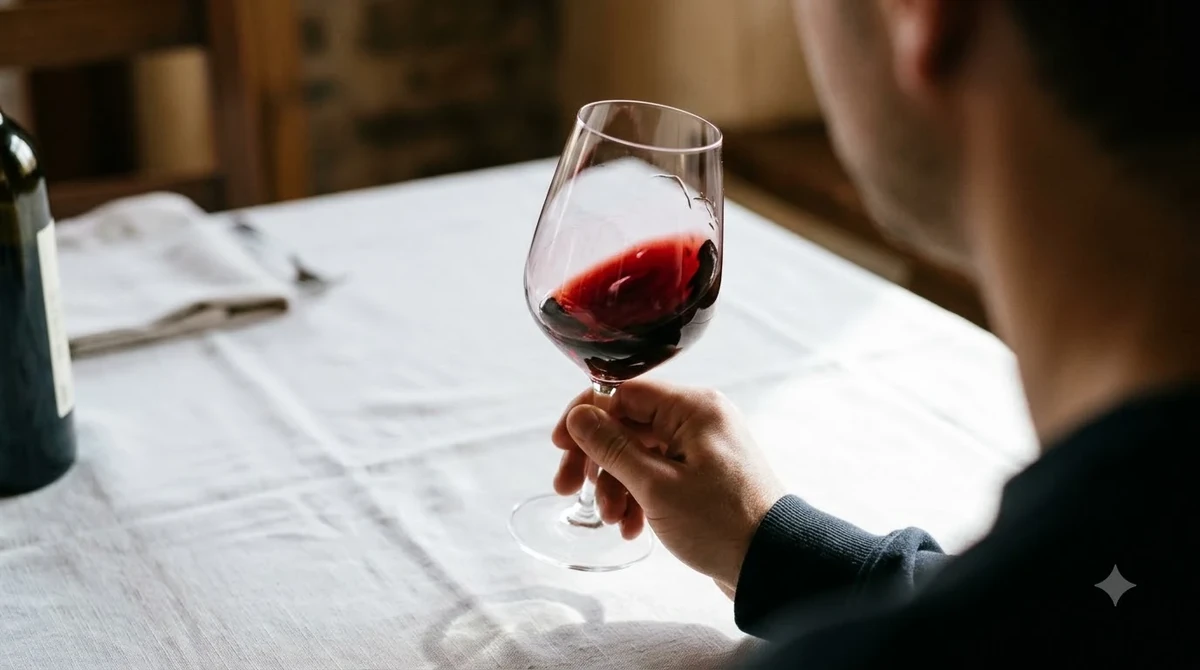
The brand has an established connection with Washington wine. According to Ste. Michelle Wine Estates, Red Diamond began with a restaurant-focused Merlot release in 2003. The wine initially appeared in limited markets, but demand encouraged the brand to expand into retail distribution and additional varieties. Its first-year sales reached 25,000 cases, demonstrating considerable interest in the original offering.
Red Diamond makes sense for several types of shoppers:
- Everyday Merlot drinkers: Those who enjoy plum, black cherry, berry, and moderate tannins may find the Washington Merlot appealing.
- Cabernet Sauvignon fans: Drinkers who prefer dark fruit, coffee, oak, and a firmer structure can consider the California Cabernet Sauvignon.
- Casual dinner hosts: People serving burgers, pizza, pasta, or roasted meat can use these wines without building an elaborate pairing menu.
- Newer red wine drinkers: The recognizable grape varieties and fruit-forward profiles provide accessible starting points for exploring different red wine styles.
- Shoppers exploring American wine: The brand’s Washington Merlot and California Cabernet offer an opportunity to compare wines from two major American wine-producing states.
Red Diamond may be less suitable for collectors seeking distinctive vineyard expressions, highly complex Cabernet Sauvignon, or wines intended for long-term aging. Its central appeal is accessibility rather than rarity or prestige.
It is also useful to distinguish Red Diamond from other approachable supermarket wine brands. For example, Apothic Red wine is a useful comparison for shoppers interested in fruit-forward red blends, while Red Diamond provides more opportunities to explore individually named grape varieties.
For shoppers researching the broader category, our overview of wine brands provides additional context for comparing producers, wine styles, and buying priorities.
Key Factors to Compare
The most important factors in choosing Red Diamond are grape variety, geographic origin, body, tannin, and the flavors you enjoy. Merlot and Cabernet Sauvignon are the most useful starting points because their differences make the brand’s range easier to understand.
| Wine style | Reported origin | Typical body | Main flavor characteristics | Best food matches |
|---|---|---|---|---|
| Merlot | Washington | Medium | Black cherry, plum, berry, spice, oak | Lamb, poultry, burgers |
| Cabernet Sauvignon | California | Medium to full | Blackberry, cherry, coffee, oak | Beef, pizza, tomato pasta |
| Shiraz | Washington in the historical portfolio | Medium to full | Dark fruit and spice typical of the variety | Grilled meats, barbecue |
| Pinot Noir | California in the historical portfolio | Light to medium | Red cherry, raspberry, earthy notes typical of the variety | Roast chicken, mushrooms |
| Malbec | Argentina in the historical portfolio | Medium to full | Dark plum, blackberry, and spice typical of the variety | Steak, lamb, grilled vegetables |
| Temperamental Red Blend | Spain in the historical portfolio | Depends on the blend | Varies with grape composition | Pizza, roasted meats, casual meals |
The regional information in this table reflects varieties and origins documented in the brand’s historical portfolio announcement, not a guarantee that every wine remains available in every market. The actual selection can differ by retailer and distribution area.
Grape variety and tannin
Tannin is one of the most important differences between red wine varieties. It creates a drying sensation on the gums and contributes to the structure of a wine. Cabernet Sauvignon generally has higher tannin than Merlot, while Pinot Noir usually has lower to moderate tannin and relatively high acidity.
Red Diamond Merlot is therefore a logical starting point for someone who likes soft, fruit-led reds. Cabernet Sauvignon is a better direction for someone who enjoys a firmer finish and more pronounced structure. Neither style is automatically superior; the right choice depends on personal preference and the food being served.
Origin and regional character
Red Diamond does not rely on one geographic origin for every variety. The brand’s portfolio has included Washington Merlot, California Cabernet Sauvignon, and Argentine Malbec. This approach allows the grape variety and growing region to work together rather than presenting every bottle as an expression of one vineyard or appellation.
The distinction matters because American wine regions have different growing conditions. California’s diverse climates can produce Cabernet Sauvignon with ripe dark fruit, while Washington is known for producing Merlot with concentrated fruit and balanced structure. Argentine Malbec is another style worth exploring for shoppers who enjoy plum and dark berry flavors.
Alcohol and serving temperature
Retailer information for Red Diamond Merlot and Cabernet Sauvignon identifies both wines at 13.5% alcohol by volume. That is a useful reference point when comparing the bottles, although alcohol levels can vary across varieties and bottlings.
Serve light-bodied reds at approximately 55 to 60 degrees Fahrenheit and fuller-bodied reds at 60 to 65 degrees Fahrenheit. Merlot can generally be served around 60 degrees, while Cabernet Sauvignon benefits from a slightly warmer serving temperature. Excessive warmth can make alcohol more noticeable and reduce the freshness of the fruit.
Step-by-Step: How to Choose a Red Diamond Wine
A straightforward selection process makes choosing between Red Diamond’s red wines easier. Start with your preferred flavor intensity, match the grape variety to your meal, and then consider the bottle’s origin and availability.
-
Decide how much structure you prefer.
If you like softer tannins and generous fruit, start with Merlot. If you prefer a firmer finish and more pronounced tannin, consider Cabernet Sauvignon. This first decision eliminates much of the uncertainty between the two main red styles.
-
Choose between red-fruit and dark-fruit profiles.
Merlot often emphasizes plum, cherry, and berry. Cabernet Sauvignon commonly brings blackberry, blackcurrant, and darker fruit notes. If you enjoy a lighter, more delicate red-fruit character, investigate Pinot Noir where available.
-
Consider the food you plan to serve.
Choose Merlot for roast poultry, lamb, grilled vegetables, and moderately seasoned meat dishes. Cabernet Sauvignon works well with beef burgers, pepperoni pizza, tomato-based pasta, and hard cheeses. The food should have enough flavor to stand alongside the wine.
-
Look at the grape and geographic origin.
Red Diamond Merlot is associated with Washington, while its Cabernet Sauvignon has been identified as California-sourced. This distinction helps shoppers compare the wines with other American examples of the same varieties.
-
Check the alcohol level and bottle format.
A standard 750 ml bottle provides approximately five servings when each pour is 5 oz. Retailer listings identify the Merlot and Cabernet Sauvignon at 13.5% ABV, making those figures useful starting points for comparing the two selections.
-
Consider your preferred wine style rather than the label alone.
Brand recognition is useful, but grape variety, sweetness, tannin, and body matter more when choosing a wine you will enjoy. A Cabernet Sauvignon from another producer may suit you better than a Merlot from Red Diamond, even if you generally like the brand.
-
Plan the serving and storage.
Chill a bottle briefly if it has been stored in a warm room. Allow a young, full-bodied Cabernet Sauvignon approximately 30 to 60 minutes of decanting if you want to soften its initial impression and give it more exposure to air.
Tip: If you are choosing between Red Diamond Merlot and Cabernet Sauvignon for a mixed group, Merlot is often the more flexible starting point. Its generally softer tannins can make it easier to pair with poultry, grilled vegetables, and moderately seasoned meat, while Cabernet Sauvignon is particularly useful for richer beef dishes.
For a more focused comparison, consider trying the two varieties with the same meal. A simple beef burger or roast chicken dinner can reveal how differences in tannin, acidity, and fruit intensity affect the overall pairing. This is also a practical way to identify which grape variety you prefer before exploring additional bottles.
Types or Styles Explained
Red Diamond’s historical portfolio includes several different red wine styles, ranging from softer Merlot to more structured Cabernet Sauvignon and lighter Pinot Noir. Understanding the basic characteristics of each grape makes it easier to select an appropriate bottle.
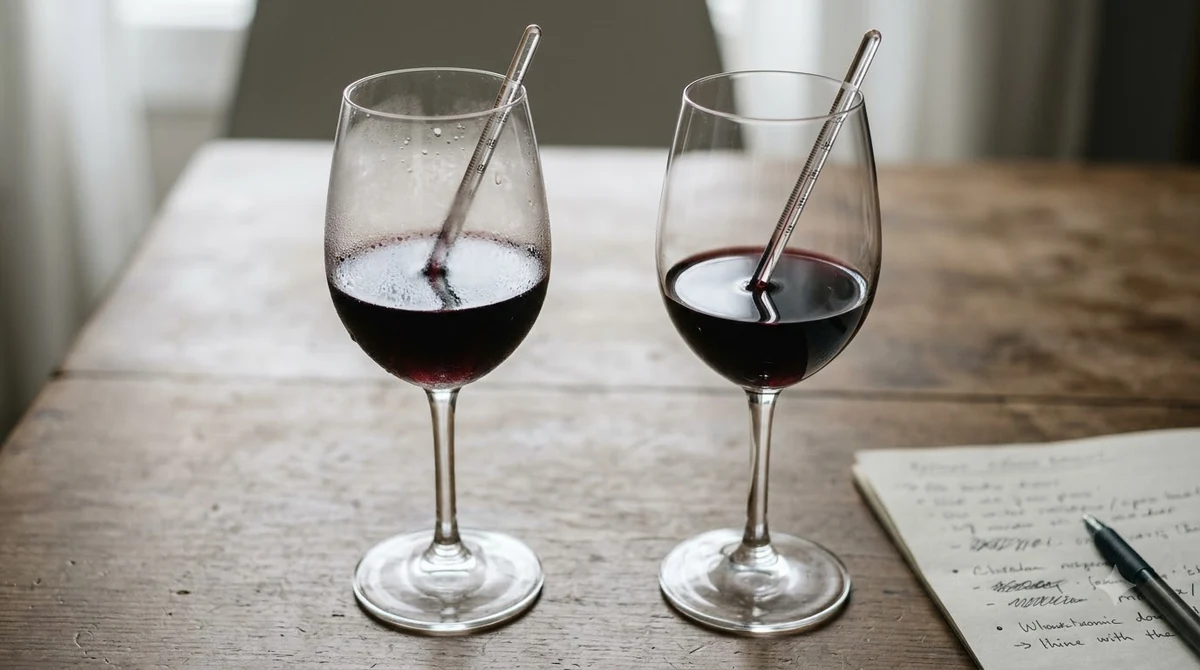
Red Diamond Merlot
Merlot is the natural starting point for understanding the brand because it was the original Red Diamond release. The brand launched its restaurant-focused Merlot in 2003, and the wine helped establish the identity of the label.
Roth’s describes Red Diamond Merlot as a Washington wine with softly spiced black cherry, berry, and plum flavors. The retailer also identifies its alcohol content as 13.5% by volume. These characteristics make it an appealing option for drinkers who enjoy ripe fruit and a relatively smooth red wine profile.
Merlot generally has medium tannin and a softer texture than Cabernet Sauvignon. It pairs well with roasted poultry, lamb, pork, mushrooms, and grilled vegetables. It is also a practical option for meals where the wine should complement rather than dominate the food.
Red Diamond Cabernet Sauvignon
The Cabernet Sauvignon offers a darker and more structured alternative. Harris Teeter describes its Red Diamond Cabernet Sauvignon as California-sourced, with aromas of black fruit and subtle oak followed by creamy cherry and black coffee flavors.
Its listed blend contains 77% Cabernet Sauvignon, 8% Petit Verdot, 8% other red varieties, 4% Petite Sirah, and 3% Merlot. This composition is useful information for shoppers who assume the bottle contains only Cabernet Sauvignon. The wine is identified as medium to full-bodied and has 13.5% ABV.
Cabernet Sauvignon generally brings higher tannin and a firmer structure than Merlot. That makes it a good candidate for beef, lamb, burgers, and dishes with rich sauces. Tomato-based pasta also works well when the wine has enough acidity to balance the sauce.
For additional producer information, the Ste. Michelle Wine Estates Red Diamond overview describes the brand’s broader focus on fruit-forward wines sourced from regions suited to individual grape varieties.
Red Diamond Shiraz
Shiraz, also known as Syrah in many wine-producing regions, generally offers a more savory and spice-driven profile than Merlot. Typical flavors include blackberry, plum, pepper, and sometimes smoky or meaty notes. The grape can produce medium-plus to high tannin, depending on the region and winemaking approach.
Red Diamond’s historical portfolio announcement listed a Washington Shiraz. For shoppers who enjoy more intense flavors, this variety is worth considering if they find an available bottle. It can work particularly well with grilled lamb, barbecue, sausages, and strongly seasoned roasted meat.
Red Diamond Pinot Noir
Pinot Noir is a useful alternative for people who find Cabernet Sauvignon too firm or Merlot too rich. It generally has lower to medium tannin, higher acidity, and a lighter body than Cabernet Sauvignon.
The historical Red Diamond portfolio included a California Pinot Noir. Typical Pinot Noir flavors include red cherry, raspberry, strawberry, and earthy notes. It is a versatile pairing for roast chicken, salmon, mushroom dishes, and pork.
Pinot Noir is also a good option for someone who prefers lighter red wines served slightly cool. A serving temperature of approximately 55 to 60 degrees Fahrenheit helps preserve its fresh fruit character.
Red Diamond Malbec
Malbec is another style included in the brand’s historical lineup. The 2015 portfolio announcement identified its Malbec as coming from Argentina, a country particularly associated with the variety.
Typical Malbec wines feature dark plum, blackberry, and sometimes violet or cocoa characteristics. They generally have medium to high tannin and a fuller texture than Pinot Noir. Grilled beef, lamb, and roasted vegetables are natural companions.
Red Diamond Temperamental Red Blend
The Temperamental Red Blend provides a different approach from the individually named varietal wines. Rather than focusing on one dominant grape, a blend combines multiple varieties to create a particular balance of fruit, structure, and texture.
Red Diamond’s historical portfolio announcement identified the Temperamental Red Blend as Spanish-sourced. Its specific grape composition should not be assumed without reliable bottling information. For shoppers who enjoy flexible, fruit-forward table wines, a red blend can be an interesting alternative to a single-variety Merlot or Cabernet Sauvignon.
Common Mistakes When Buying Red Diamond
Most disappointing wine purchases result from mismatched expectations rather than an inherently unsuitable bottle. Red Diamond shoppers should pay particular attention to grape variety, geographic origin, sweetness, and tannin before selecting a wine.
Assuming every Red Diamond wine tastes the same
One common mistake is treating the brand as a single flavor profile. Merlot, Cabernet Sauvignon, Shiraz, Pinot Noir, and Malbec are different grapes with different structures and typical flavor characteristics.
Merlot generally offers softer tannins than Cabernet Sauvignon. Pinot Noir is lighter and more acidic, while Shiraz can bring stronger spice and more noticeable tannin. Choosing by grape variety is more useful than assuming the red-and-black packaging represents one consistent style.
Confusing grape origin with bottling location
Another source of confusion is the difference between where grapes are grown and where a wine is cellared or bottled. Red Diamond Cabernet Sauvignon is described by Harris Teeter as California-sourced, while its listing identifies Red Diamond Winery in the product information as the bottling producer.
Roth’s similarly identifies Red Diamond Merlot as Washington wine and names Paterson, Washington, as the winery’s bottling location. These details are not interchangeable. A wine bottled in Washington is not necessarily made entirely from Washington grapes.
Expecting Cabernet Sauvignon to have soft Merlot tannins
Cabernet Sauvignon generally has higher tannin than Merlot. A drinker who prefers a soft, rounded wine may find a Cabernet Sauvignon more structured than expected, even when its fruit flavors are ripe and generous.
For a softer experience, begin with Merlot or Pinot Noir. If you choose Cabernet Sauvignon, pair it with protein-rich foods such as beef or lamb. Salt and fat can soften the perception of tannin, making the combination more balanced.
Assuming fruit-forward means sweet
Fruit-forward wine can still be dry. Descriptions such as cherry, blackberry, plum, and ripe berry refer to flavor characteristics, not necessarily residual sugar.
A wine may smell and taste strongly of ripe fruit while remaining dry on the palate. This distinction matters particularly for shoppers who prefer wines without noticeable sweetness. Check the sweetness description in the product information when that characteristic is important to your decision.
Pairing powerful red wine with delicate seafood
Cabernet Sauvignon and Shiraz can overpower delicate seafood because their tannins and body may dominate lighter flavors. Oily fish can also clash with tannic red wine, producing an unpleasant combination.
For salmon or tuna, a lighter Pinot Noir may be more appropriate than a full-bodied Cabernet Sauvignon. White wine is often an easier choice for delicate fish and shellfish.
Choosing wine without considering the sauce
The sauce can matter as much as the main ingredient. Tomato-based pasta has noticeable acidity, so the wine should have equal or higher acidity to avoid tasting flat. Rich cream sauces may work better with softer reds or fuller-bodied whites, depending on the ingredients.
Likewise, spicy sauces can make alcohol and tannin feel more pronounced. For heavily seasoned dishes, a softer red wine is generally a more comfortable pairing than a powerful Cabernet Sauvignon.
Care and Storage Tips
Proper serving and storage help preserve Red Diamond’s fruit characteristics and prevent unnecessary deterioration. Keep unopened bottles away from heat and direct sunlight, serve red wines slightly cooler than many room temperatures, and refrigerate unfinished bottles.
Serving temperature
Serving temperature can noticeably change how a red wine tastes. Too much warmth makes alcohol more apparent, while excessive chilling can suppress aroma and make tannins seem firmer.
- Merlot: Approximately 60 to 65 degrees Fahrenheit.
- Cabernet Sauvignon: Approximately 60 to 65 degrees Fahrenheit.
- Shiraz: Approximately 60 to 65 degrees Fahrenheit.
- Pinot Noir: Approximately 55 to 60 degrees Fahrenheit.
- Malbec: Approximately 60 to 65 degrees Fahrenheit.
If a bottle has been sitting in a warm kitchen, place it in the refrigerator briefly before serving. A slightly cool red wine generally retains better freshness and balance than one served at a warm indoor temperature.
Opening and decanting
Most approachable red wines do not require elaborate preparation. Open a bottle shortly before dinner and pour a small amount into a glass to allow the aromas to develop.
Young, full-bodied Cabernet Sauvignon can benefit from approximately 30 to 60 minutes of decanting. This introduces oxygen and can help soften the wine’s initial impression. Merlot generally needs less preparation, although a short period of aeration can also help release its aromas.
Decanting is optional rather than a requirement. If you prefer a more immediate fruit-forward experience, simply pour the wine into a suitable glass and allow it to open naturally.
Storing unopened bottles
For longer storage, keep bottles in a cool, dark location with a relatively stable temperature. A temperature near 55 degrees Fahrenheit is a useful general target for wine storage.
Bottles with natural cork closures are traditionally stored on their sides to keep the cork from drying out. Avoid placing wine near ovens, radiators, sunny windows, or appliances that generate regular heat and vibration.
Red Diamond’s approachable styles are generally intended for ordinary drinking occasions rather than extended cellaring. There is little reason to keep an everyday bottle for many years if your preference is fresh fruit and accessible flavor.
Preserving an opened bottle
After opening, reseal the bottle and place it in the refrigerator. Even red wine benefits from refrigeration once exposed to air. The cooler environment slows oxidation and helps preserve the wine’s remaining fruit characteristics.
As a general guideline, opened still wines usually remain enjoyable for approximately three to five days, although the actual result depends on the wine, storage conditions, and amount of air remaining in the bottle.
Before serving a refrigerated red wine again, allow it to warm slightly in the glass. You do not need to bring it all the way to a warm room temperature. A few minutes can be sufficient to make its aromas more expressive.
Frequently Asked Questions
Is Red Diamond owned by Ste. Michelle Wine Estates?
Ste. Michelle Wine Estates lists Red Diamond among its Pacific Northwest estates and partnerships. Its corporate website also identifies Red Diamond as one of its wine brands. This provides a useful starting point for understanding the brand’s relationship with the larger wine company.
Was Red Diamond originally a restaurant-only wine?
Yes. Ste. Michelle Wine Estates reports that the original Merlot was released to limited markets in 2003, targeting restaurants. The company records first-year sales of 25,000 cases before growing consumer demand encouraged wider distribution through retail stores and restaurants.
Does Red Diamond make white wine as well as red wine?
Red Diamond’s historical portfolio included Chardonnay in addition to its red wines. The original brand expansion introduced Chardonnay alongside Cabernet Sauvignon and Shiraz. Its selection has therefore not been limited exclusively to red wine.
How many glasses can you pour from a Red Diamond bottle?
A standard 750 ml bottle contains approximately 25.4 fluid ounces. At a conventional 5-ounce serving, that provides about five glasses, with a small amount left over. Smaller tasting pours of 2 to 3 ounces allow more people to compare different varieties from the same lineup.
Does Red Diamond wine contain sulfites?
Red wine generally contains naturally occurring sulfites, and winemakers may also use sulfur dioxide during production to help protect wine from oxidation and unwanted microbial activity. The specific labeling and composition depend on the bottling. Consumers seeking ingredient information should consult the relevant bottle and producer information rather than assuming every variety has identical production details.
Red Diamond is worth considering if you enjoy accessible red wines with recognizable fruit flavors and straightforward food pairings. Its Washington Merlot is the natural starting point for softer tannins, while its California Cabernet Sauvignon offers a darker, firmer alternative. Choose according to your preferred grape variety and meal, serve the wine at an appropriate temperature, and explore the wider lineup when you want to compare different red wine styles.
More in Wine Brands
 Yellow Tail Moscato Review: Taste, Sweetness and Serving TipsUpdated Nov 21, 2026
 Wolf Blass Yellow Label Review: Choose Your Best StyleUpdated Nov 21, 2026
 Wolffer Estate Rose Review: Choose the Right Bottle for Your TableUpdated Nov 21, 2026
 Wolf Blass Yellow Label Price: What to Expect for Each BottleUpdated Nov 21, 2026
 Yellow Tail Pinot Grigio Price: Compare Bottle Sizes and Retail CostsUpdated Nov 21, 2026
 Yellow Tail Big Bold Red Price and What Buyers GetUpdated Nov 21, 2026