

We may earn a commission when you buy through links on this page, at no extra cost to you. Learn more.
The ravenswood wine price generally ranges from about $12 to $75 per 750 ml bottle, depending on the wine, vineyard, vintage, and retail availability. The approachable end of the range includes older-style Napa and Vintners Blend bottles, while the current Dry Creek Valley Zinfandel and single-vineyard releases occupy higher price brackets. Understanding the difference between these wines makes it easier to choose a Ravenswood bottle that fits your budget without paying extra for vineyard prestige you may not need.
Ravenswood has a distinctive place in California wine history, particularly for its contribution to the popularity of Zinfandel. Founded by Joel Peterson in 1976, the winery built its reputation around bold, character-driven wines associated with Sonoma County vineyards. Its modern portfolio emphasizes regional expression and individual vineyard character, making bottle selection more important than simply looking for the Ravenswood name. This guide explains typical US retail price ranges, the differences between the main expressions, and what to consider before purchasing.
Who Should Consider Ravenswood Wine Prices?
Ravenswood appeals to shoppers who enjoy California Zinfandel and want to compare approachable regional wines with more distinctive vineyard-specific releases. Its pricing structure accommodates different purchasing priorities, from an uncomplicated dinner bottle to a wine selected for its vineyard origins and more specialized character.
First-time buyers should begin by deciding whether they want a fruit-forward Zinfandel or a more site-specific expression. The Dry Creek Valley bottling offers a useful introduction to the brand’s current approach. It combines fruit from different sites within the appellation and emphasizes approachable red fruit, darker berries, and spice. That regional character makes it a sensible starting point for someone interested in Sonoma County Zinfandel without immediately moving into the premium single-vineyard category.
More experienced Zinfandel drinkers may prefer the MacMurray, Teldeschi, or Monte Rosso wines. These bottlings place greater emphasis on vineyard identity, and their higher suggested retail prices reflect their positioning in the portfolio. Teldeschi is particularly interesting for shoppers who appreciate concentrated fruit and black pepper, while Monte Rosso offers a more premium option associated with a historic vineyard site.
Ravenswood also attracts shoppers looking for older bottles from its previous portfolio. Vintners Blend and Napa Old Vine labels appear in retailer listings and online wine marketplaces, although their availability is not necessarily consistent. These wines should be evaluated separately from the current vineyard-focused range because an older bottle’s price can reflect scarcity, vintage, and remaining inventory rather than the winery’s current recommended retail positioning.
For a broader look at the producer’s background and wine identity, the Ravenswood wine overview provides useful context before comparing individual bottles.
Tip: Compare the exact wine name, vintage, and bottle size before comparing prices. A previous-generation Vintners Blend bottle and a current single-vineyard Ravenswood Zinfandel are not equivalent products, even though both carry the same winery name.
Key Factors That Affect Ravenswood Bottle Prices
The most important pricing factors are vineyard origin, production positioning, vintage, and availability. A regional blend and a single-vineyard wine can have substantially different retail prices even when both are made from Zinfandel grapes.
Ravenswood’s current portfolio provides a clear example. GALLO’s published suggested retail prices place Dry Creek Valley below the three single-vineyard wines. MacMurray and Teldeschi occupy the middle premium tier, while Monte Rosso sits at the top. These distinctions reflect the wines’ different vineyard identities and intended positioning rather than a simple difference in bottle size.
Retail availability is another important consideration. The current portfolio is distributed through fine-wine retailers and selected restaurants, with GALLO identifying California, Texas, and New Jersey as key markets. An individual store may not carry every expression, and a retailer’s inventory can influence the displayed price. Older Ravenswood wines can be particularly inconsistent because remaining bottles may come from different vintages and distribution channels.
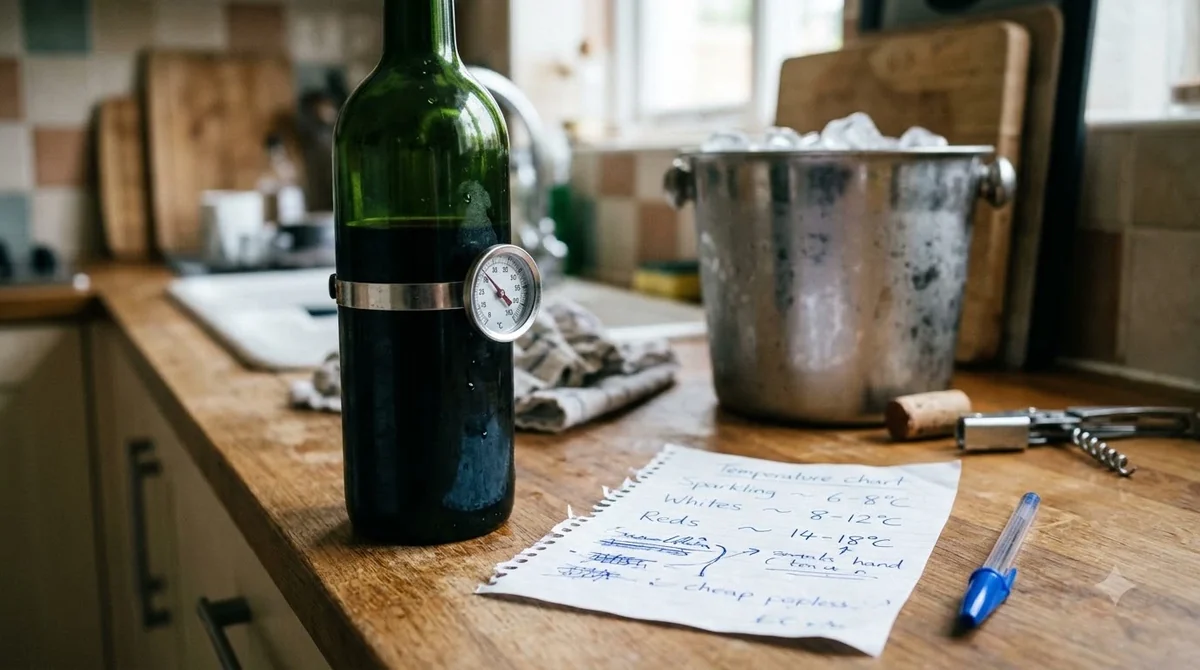
The following table provides practical US retail price ranges for comparing the main categories. The current-release ranges are estimates centered around GALLO’s published suggested retail prices, while the older-bottle ranges are indicative shopping benchmarks based on retailer and marketplace listings. These are not guaranteed offers or official fixed prices.
| Ravenswood wine category | Typical price range | Bottle size | Positioning |
|---|---|---|---|
| Older Vintners Blend or Napa Old Vine | About $12–$20 | 750 ml | Approachable, older portfolio |
| Dry Creek Valley Zinfandel | About $25–$30 | 750 ml | Regional current release |
| MacMurray Vineyard Zinfandel | About $45–$55 | 750 ml | Single-vineyard premium |
| Teldeschi Vineyard Zinfandel | About $45–$55 | 750 ml | Single-vineyard premium |
| Monte Rosso Vineyard Zinfandel | About $65–$75 | 750 ml | Top-tier single-vineyard |
The older-bottle benchmark is supported by H-E-B’s listing of Ravenswood Napa Old Vine Zinfandel and marketplace listings for previous Ravenswood Vintners Blend bottles. H-E-B has displayed a 750 ml Napa Old Vine bottle around $14, while online marketplace listings show older Vintners Blend examples at different prices. These listings should not be interpreted as evidence that every vintage is currently available. Prices vary by state and retailer.
For the current wines, GALLO’s published suggested retail prices are $26.99 for Dry Creek Valley, $49.99 each for MacMurray and Teldeschi, and $69.99 for Monte Rosso. Those figures provide the basis for the approximate retail brackets above. Actual shelf prices can differ, and prices vary by state and retailer. The winery’s official portfolio announcement provides the underlying suggested retail prices and descriptions of the four releases.
Step-by-Step: How to Choose the Right Ravenswood Bottle
A good purchase starts with a budget and a clear idea of the wine style you want. Comparing vineyard origin, availability, and intended occasion can help narrow the options without automatically choosing the most expensive bottle.
-
Set a realistic bottle budget.
Decide whether you want to spend around $15, $30, $50, or $70 on a 750 ml bottle. This immediately separates older Ravenswood inventory from the current Dry Creek and premium vineyard releases. -
Identify the exact label.
Look for Dry Creek Valley, MacMurray Vineyard, Teldeschi Vineyard, or Monte Rosso Vineyard if you are considering the current portfolio. If a retailer lists Vintners Blend or Napa Old Vine, treat it as a separate older-portfolio purchase rather than assuming it is the same wine. -
Compare the vintage.
A vintage identifies the harvest year and matters when assessing an older bottle. Two bottles with the same Ravenswood label can differ in maturity and condition if they come from different harvests. For older inventory, ask the retailer about storage history and bottle condition. -
Consider the vineyard character.
Choose Dry Creek Valley for generous red fruit and dark berries, MacMurray for aromatic red fruit and pepper, Teldeschi for concentrated dark fruit and black pepper, or Monte Rosso for dark red fruit, spice, and vanilla. -
Check the seller and availability.
Compare established wine merchants and local stores rather than relying on a single online listing. Check whether the bottle is physically available, whether the vintage matches the description, and whether the retailer can ship to your state. -
Compare the final purchase cost.
Include applicable sales tax, shipping, and delivery charges when comparing retailers. A bottle with a lower advertised shelf price may not represent better overall value once these additional charges are included. -
Match the bottle to the occasion.
For casual meals and barbecues, the regional Dry Creek expression may be sufficient. For a special dinner, a single-vineyard release offers a more focused opportunity to explore the character of a particular Sonoma County site.
This process also helps prevent a common buying mistake: comparing two different Ravenswood wines solely because their labels share the same name. A premium vineyard wine and an older regional bottling have different purposes and should be assessed on their own merits.
Ravenswood Wine Types and Price Differences Explained
Ravenswood’s current lineup centers on four Sonoma County Zinfandel expressions. Their differences come from the locations where the grapes grow and the distinctive characteristics that the winery aims to communicate through each bottling.
Dry Creek Valley Zinfandel
The Dry Creek Valley wine is the most accessible entry point into the current Ravenswood range. GALLO lists a suggested retail price of $26.99, making its approximate $25 to $30 retail bracket the lowest among the four new releases. The wine is made from a blend of sites within the appellation rather than a single named vineyard.
Ravenswood describes the expression as aromatic and fruit-forward, with fresh red fruit, dark berries, and spice. It suits shoppers who want recognizable California Zinfandel character without paying the additional premium associated with an individual vineyard bottling. It is also a practical choice for serving alongside grilled foods and casual dinners.
MacMurray Vineyard Zinfandel
MacMurray occupies the middle premium tier, with a GALLO suggested retail price of $49.99. Its approximate $45 to $55 retail range positions it considerably above Dry Creek Valley, reflecting its single-vineyard identity.
The vineyard is located on a warm hilltop site above the Russian River Valley. Ravenswood highlights pronounced red fruit, fresh-cracked pepper, and spice in this expression. Shoppers who enjoy aromatic Zinfandel and want to explore a particular Sonoma County location may find MacMurray more interesting than a regional blend.
Teldeschi Vineyard Zinfandel
Teldeschi also has a published suggested retail price of $49.99. Its approximate $45 to $55 price bracket makes it a direct comparison with MacMurray, although the flavor descriptions indicate a different style.
The vineyard is one of the early sites associated with Joel Peterson’s Ravenswood history. It is a dry-farmed, old-vine Zinfandel vineyard in northern Sonoma County. Ravenswood describes the wine as concentrated in dark fruit, with a touch of acidity and black pepper. Its richer profile makes it particularly appealing to shoppers who prefer powerful, savory Zinfandel.
Monte Rosso Vineyard Zinfandel
Monte Rosso occupies the highest-priced position in the current portfolio. GALLO lists a suggested retail price of $69.99, supporting an approximate $65 to $75 retail range. Its premium position reflects the historical importance and individual character of the vineyard.
Monte Rosso was first planted in 1886 by Emmanuel Goldstein and sits on a southwest-facing slope of Moon Mountain at approximately 1,300 feet. Its iron-rich volcanic soils are an important part of the site’s identity. Ravenswood describes the wine with dark red fruit, spice, and vanilla, making it the most appropriate choice for shoppers specifically interested in the vineyard’s heritage.
Older Vintners Blend and Napa Old Vine Bottles
Older Ravenswood bottles remain relevant to budget-conscious shoppers, although they should not be confused with the current four-wine portfolio. Vintners Blend Old Vine Zinfandel and Napa Old Vine Zinfandel are examples of labels that appear in existing retailer and marketplace listings.
H-E-B describes its Napa Old Vine bottling as a full-flavored Zinfandel with raspberry, plum, vanilla, sassafras, clove, and cardamom notes. Its listing identifies a 750 ml bottle and 14.5% alcohol by volume. These details are useful for understanding the older label, but they should not automatically be applied to every Ravenswood vintage or current release.
For a closer look at the red-wine category, the Ravenswood red wine overview offers additional context for understanding its Zinfandel-focused identity.
Common Mistakes When Comparing Ravenswood Prices
Several buying mistakes can make a Ravenswood bottle appear more or less expensive than it really is. The most important is comparing different vintages and wine categories without considering their individual characteristics.
Assuming every Ravenswood Zinfandel belongs to the same range: A previous-generation Vintners Blend bottle is not directly comparable to the current Monte Rosso or Teldeschi releases. Their vineyard positioning, production history, and intended market segments differ. Compare the exact label before deciding whether one listing represents better value.
Assuming an older bottle is automatically a collector’s item: Age alone does not establish value. A wine’s condition, storage history, vintage reputation, and continuing drinkability all matter. An older bottle that has been stored poorly may be a less attractive purchase than a newer bottle at a similar price.
Using suggested retail prices as guaranteed shelf prices: The prices published by GALLO are reference points, not promises that every retailer will charge the same amount. State distribution systems, store inventory, and local market conditions can affect the final cost. The actual purchase price should be confirmed with the seller.
Paying a premium without considering the vineyard: The higher price of a single-vineyard wine is meaningful only if its specific character matters to the buyer. Someone looking for a generous, fruit-forward red for a casual barbecue may be perfectly satisfied with Dry Creek Valley rather than spending more for Monte Rosso.
Confusing availability with quality: A bottle that is difficult to find is not automatically better than one readily available. Older labels can become less common as remaining stock disappears, but scarcity does not establish superior flavor or drinking condition.
Ignoring the seller’s shipping and storage arrangements: Wine can be affected by excessive heat and unsuitable storage. Before ordering an older or premium bottle online, consider how the retailer stores its wine and whether its shipping arrangements protect bottles from extreme temperatures.
Another useful distinction is between red and white wine searches. Ravenswood’s current official portfolio is centered on Zinfandel rather than a broad selection of white varieties. Shoppers searching for a white bottle should verify the exact product and vintage instead of assuming that every historical Ravenswood label remains part of the current lineup.
Care, Storage, and Serving Tips for Ravenswood Wine
Proper storage and serving can make a noticeable difference to the enjoyment of Ravenswood Zinfandel. The main priorities are stable temperature, protection from light, suitable serving temperatures, and careful handling of older bottles.
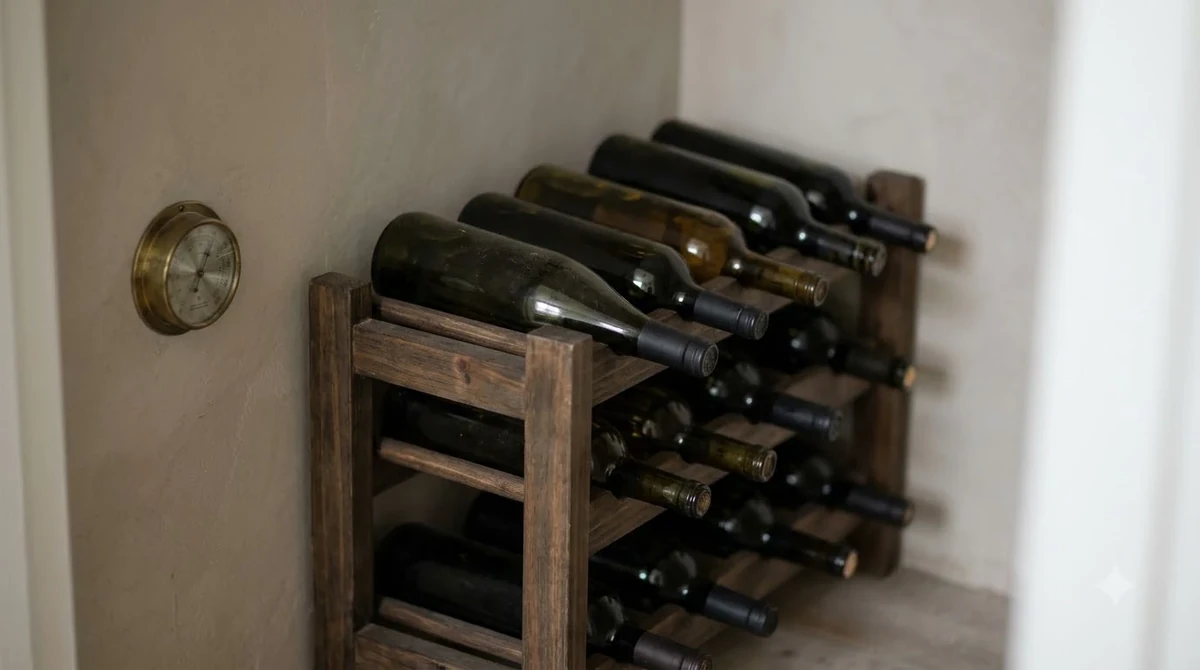
For unopened bottles, a storage temperature near 55 degrees Fahrenheit is a useful target. Keep bottles away from direct sunlight, heating equipment, and frequent temperature changes. Bottles sealed with traditional corks are generally stored on their sides to help keep the cork from drying out. A stable wine cabinet or suitable cellar is preferable to a warm kitchen cupboard.
Ravenswood Zinfandel is generally most enjoyable when served slightly cooler than typical room temperature. A serving range of 60 to 65 degrees Fahrenheit works well for fuller-bodied red wines. If a bottle has been stored in a warm room, allow it to cool before pouring rather than serving it immediately at room temperature.
Young, full-bodied red wines can benefit from 30 to 60 minutes of decanting. This gives the wine time to interact with oxygen and can help open its aromas. A younger Dry Creek Valley or Teldeschi bottle may benefit from this approach, depending on its structure and age. Older bottles should be handled more carefully because extended aeration can cause delicate aromas to fade.
Food pairing is another useful way to get the most from Ravenswood’s Zinfandel style. Grilled beef, pork ribs, barbecue chicken, and sausages are natural choices because the wine’s ripe fruit and spice complement savory flavors. Salt and fat also soften the perception of tannin, which can make fuller-bodied reds more approachable with rich foods.
For dishes with tomato sauce, consider the acidity of the wine and the intensity of the food. A fruit-forward Zinfandel can work well with pizza, roasted tomatoes, and meat-based pasta sauces. If the meal has considerable chili heat, avoid serving the wine too warm or choosing an especially high-alcohol expression, as alcohol can amplify the sensation of spice.
Once opened, store the remaining wine in the refrigerator with a suitable closure. Most still wines retain their best qualities for approximately three to five days under proper refrigeration, although the actual period varies with age, style, and exposure to oxygen. Bring the wine back toward its preferred serving temperature before the next pour.
Buyers interested in other categories can also explore the Ravenswood white wine page to distinguish historical or retailer-listed white-wine references from the current Zinfandel-centered portfolio.
Frequently Asked Questions
Is Ravenswood considered a Sonoma County wine producer?
Yes. Ravenswood has a long association with Sonoma County, California, and its current portfolio emphasizes vineyards within the region. Its Dry Creek Valley, Russian River Valley, and Moon Mountain connections illustrate the range of locations represented by its current Zinfandel releases.
Who makes Ravenswood wine today?
Ravenswood is under the stewardship of GALLO, with winemaker Michael Eddy-Cort leading its modern wine program. Founder Joel Peterson remains involved as a close collaborator, helping connect the current portfolio with the winery’s original philosophy.
What does old vine mean on a Zinfandel label?
Old vine generally refers to grapes sourced from mature vineyards, but there is no single universally enforced age definition for every American wine label using the phrase. Vineyard age can influence the character of a wine, although vine age alone does not guarantee quality or a particular flavor profile.
What is the alcohol content of Ravenswood Zinfandel?
Alcohol content depends on the particular bottling and vintage. H-E-B lists its Napa Old Vine Zinfandel at 14.5% alcohol by volume, while an LCBO listing for Vintners Blend Old Vine Zinfandel identifies 13.9%. These examples show why the alcohol percentage should be evaluated for the exact bottle rather than assumed across the brand.
Does Ravenswood have a wine club?
Ravenswood’s official website includes an Our Circle section highlighting its winemaking community and collaborators. However, that presentation should not automatically be interpreted as confirmation of a particular paid membership plan, subscription frequency, or shipping benefit. Check the winery’s current official website for any available consumer membership information.
Ravenswood offers several ways to explore California Zinfandel, from the regional Dry Creek Valley release to the more specialized MacMurray, Teldeschi, and Monte Rosso vineyard wines. The best purchase depends on whether your priority is approachable fruit, a distinctive vineyard expression, or an older bottle from the brand’s previous portfolio. Compare the exact label and vintage before buying, and use the suggested retail prices as a starting point rather than a guaranteed shelf price.
For additional wine-shopping guidance, browse the Wine Brands section to compare producers, regional styles, and the characteristics that help determine a bottle’s value.
More in Wine Brands
 Yellow Tail Moscato Review: Taste, Sweetness and Serving TipsUpdated Nov 21, 2026
 Wolf Blass Yellow Label Review: Choose Your Best StyleUpdated Nov 21, 2026
 Wolffer Estate Rose Review: Choose the Right Bottle for Your TableUpdated Nov 21, 2026
 Wolf Blass Yellow Label Price: What to Expect for Each BottleUpdated Nov 21, 2026
 Yellow Tail Pinot Grigio Price: Compare Bottle Sizes and Retail CostsUpdated Nov 21, 2026
 Yellow Tail Big Bold Red Price and What Buyers GetUpdated Nov 21, 2026